DbcultAccessing Vault...
Cult Review
Senior Film Conservator
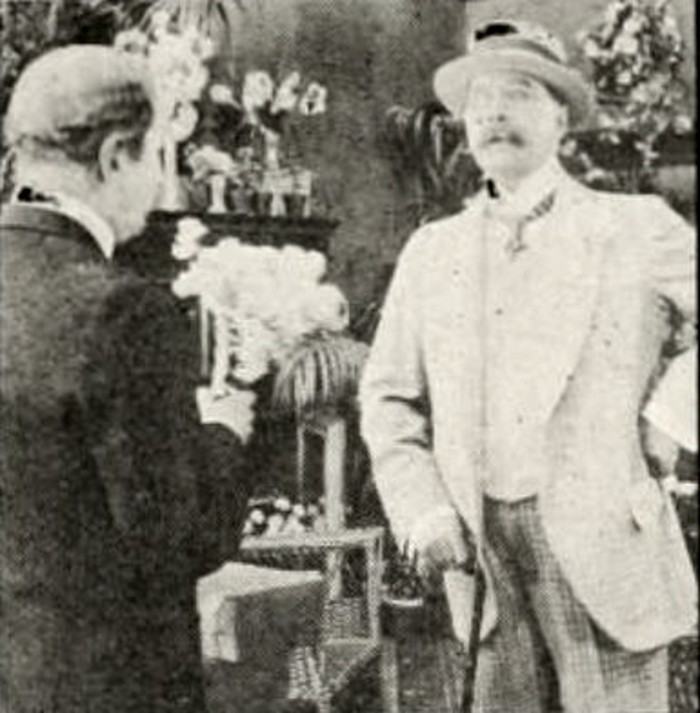
The first time we see Emil Hoch’s so-called Earl, he is framed inside a cracked pier glass, reflection multiplied like a stack of unpaid invoices. The mirror’s fracture—an on-set accident Augustus Thomas kept in the final cut—becomes the film’s governing metaphor: American nobility split into too many selves to ever again form a coherent identity.
Released in February 1915 yet already haunted by the autumnal chill that would define post-war cinema, The Earl of Pawtucket is a curio of pre-Code cynicism wrapped in Victorian hand-me-downs. Where contemporaries such as St. Elmo trafficked in moral reformation, this picture insists that character is merely liquidity wearing a cravat. The plot—ostensibly the fall of a Rhode Island dynasty—plays more like a forensic audit of nostalgia itself.
Cinematographer Louis Leon Hall, better known for lightweight farces, here channels a chiaroscuro that anticipates 1940s film gris. Interior scenes are marinated in kerosene lamplight; exterior snowscapes blow across the lens like cigarette ash. Notice the wedding sequence: what should be white is the color of wet newsprint, the bride’s train dragging soot rather than innocence. This is not poetic realism—it is poetic bankruptcy.
Compare the palette to The Painted World, where pigments explode in carnival exuberance. Pawtucket instead drains color from every object until even blood looks like cancelled ink. The camera lingers on mill machinery the way other films linger on cleavage—fetishizing the very instruments that will displace our protagonists.
Hoch never stoops to mustache-twirling villainy; his Earl is convinced of his own probity even while signing away orphanage trust funds. Watch the micro-movement when the Colonel learns his heir has sold the family plot to a beet-sugar refinery: pupils dilate, the left cheek twitches once—an electrical storm contained inside a powdered mask. It is the quietest capitulation in silent cinema, rivaled only by Curran’s lawyer who, discovering the estate’s ledgers are fiction, closes the safe as gently as tucking in a child.
Rosemary Theby’s Rosamond could have been another wide-eyed ingénue; instead she weaponizes vulnerability. In the séance scene—shot in a single take—her eyes roll white while she mouths stock spiritualist jargon, yet her fingers, off-frame, count the coins needed for tomorrow’s bread. It is a double-exposure of belief and bookkeeping, worthy of Pierrot the Prodigal’s harlequin duplicity.
“The camera lingers on mill machinery the way other films linger on cleavage—fetishizing the very instruments that will displace our protagonists.”
Augustus Thomas, celebrated for drawing-room comedies, here wields intertitles like a whip. ‘A pedigree is only a receipt for ancestors,’ flashes one card over the image of a pawn ticket. Another: ‘He traded his war wounds for a seat at the stock-exchange lunch counter.’ The linguistic velocity rivals the best newspaper satire of the era, predating the brittle cynicism of Divorced by a full five years.
Location becomes text. Pawtucket’s actual sluice gates, textile dams, and immigrant alleyways are spliced into the narrative until documentary and melodrama bleed. When Rosamond crosses the Blackstone River footbridge, the water below is the exact brown of dilute coffee-grounds—an authentic detail no set designer could fake. The earldom’s manor, filmed at the still-standing Slater mansion, is shot only at dawn or dusk, never under the garish honesty of noon. Architecture thus becomes a clock, ticking toward insolvency.
Women trade in affections because currency has been monopolized by men. Flora Mason’s housekeeper, paid in lard coupons, hoards sugar cubes as dowry. Helen Gilmore’s society dame auctions her last strand of pearls while the band plays a soured waltz. The film refuses to sentimentalize their bargains; each transaction is framed in medium-long shot, the body language as clinical as a ledger entry.
Seen today with live accompaniment, the picture vibrates on frequencies unavailable to 1915 audiences. During the mill-auction montage, a solo cello can evoke the sour breath of wet sawdust; percussion mimics the clack of shuttle looms. The film teaches you to hear poverty even when no one onscreen speaks.
If The Deep Purple wallows in nocturnal menace and Little Jack offers bucolic consolation, Pawtucket stands between them like a bankrupt relative who refuses to leave the wedding banquet. Its DNA also shares strands with continental fatalism—echoes of Das Tal des Traumes—yet the Yankee setting keeps the melodrama from liquefying into full European decadence.
In 1915 the United States still wore the mask of inexhaustible prosperity. Pawtucket rips that mask off, revealing a skull already counting its remaining teeth. The movie anticipates the Florida land bust, the crash of ’29, even the rust-belt deindustrialization of the 1970s. It is less period piece than premonition.
The film itself vanished for decades—only one 35 mm print resurfaced in a Lisbon basement, Portuguese intertitles intact, like a ransom note from history. Restoration still shows tramline scratches across faces, as if the emulsion tried to erase its own content. This material amnesia dovetails with the narrative: both artifact and characters are engaged in self-cancellation.
Does the movie overplay its anti-aristocrat hand? Occasionally. Lawrence D’Orsay’s mustache-twirling creditor skates close to Victorian stage caricature, and the redemptive epilogue tacked on for Rhode Island exhibitors feels like a studio afterthought. Yet these are quibbles against the film’s cumulative weight.
Watch Pawtucket for Hoch’s implosive grandeur, for Hall’s soot-choked photography, for Thomas’s acid-etched title cards. But mostly watch it to learn how cinema can make the smell of wet wool almost tactile. One hundred and eight years on, the Earl’s debts remain unpaid—and we, the heirs, are still counting the interest.
IMDb —
1929
Community
Log in to comment.