DbcultAccessing Vault...
Cult Review
Senior Film Conservator
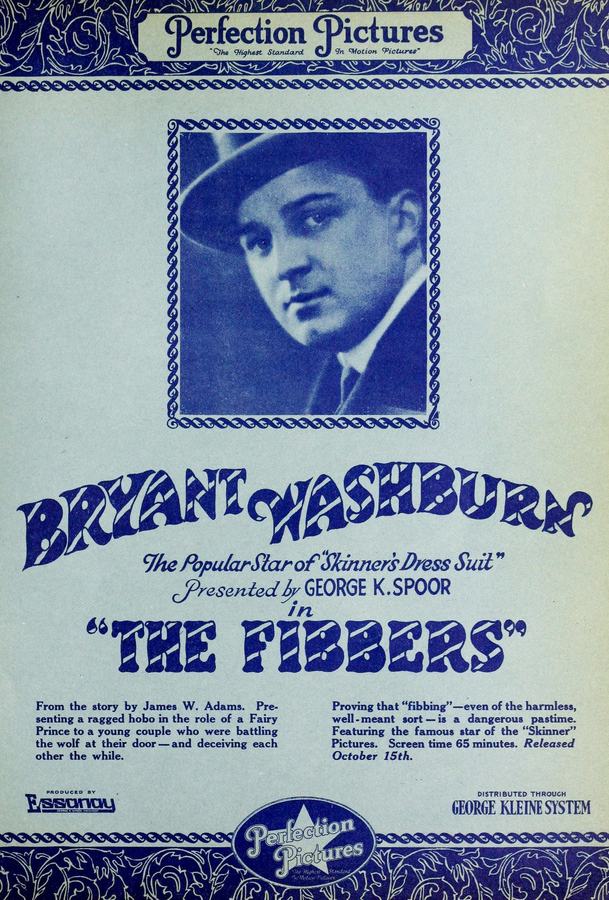
There's a peculiar charm in observing human folly, particularly when it’s meticulously orchestrated within the confines of a domestic setting. The Fibbers, a cinematic romp from the pens of James W. Adams and H. Tipton Steck, is a testament to this enduring appeal, presenting a narrative so delightfully convoluted by its simple premise that it transcends mere situational comedy to become a poignant, albeit hilarious, exploration of marital trust and the often-absurd lengths we go to for love. It's a film that, despite its vintage, speaks volumes about the timeless intricacies of human relationships, proving that the foundation of any strong bond is often tested not by external forces, but by the internal machinations of our own well-intentioned deceptions.
At its heart, The Fibbers presents a deceptively straightforward premise: a husband and wife, each secretly planning a surprise for the other, resort to a series of escalating falsehoods to conceal their respective endeavors. This initial, innocent impulse to create joy through secrecy quickly metastasizes into a tangled web of suspicion and jealousy, propelling the narrative into a dizzying array of comedic mishaps. What begins as a charming attempt at clandestine affection soon spirals into a full-blown crisis of confidence, illustrating with vivid clarity how easily the threads of trust can fray when communication falters. The genius of the screenplay lies in its ability to take these small, seemingly harmless lies and magnify their potential for chaos, building a towering edifice of misunderstanding brick by painstaking brick. The audience is privy to the truth, which only heightens the dramatic irony, making every close call and near-discovery all the more engaging.
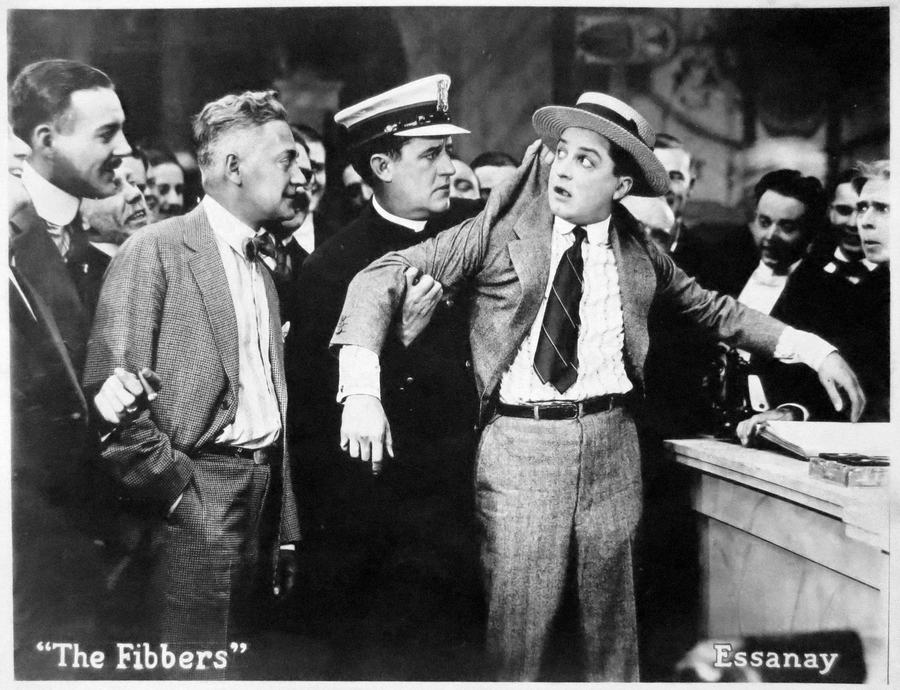
The success of such a delicate balancing act rests heavily on the shoulders of its cast, and The Fibbers is fortunate to feature a quartet of performers who navigate its intricate emotional landscape with commendable skill. Bryant Washburn, as the husband, embodies a blend of earnestness and increasing panic. His portrayal of a man trying to keep a secret while simultaneously interpreting his wife's own cryptic behavior through a lens of suspicion is masterfully nuanced. There’s a palpable shift from his initial confident fibs to a more frantic, almost desperate, attempt to maintain control as the situation spirals. Virginia Valli, as the wife, mirrors this journey with equal prowess. Her expressions, often conveying a mix of hurt, bewilderment, and retaliatory suspicion, are central to the film's emotional core. Valli brilliantly captures the internal conflict of a woman who believes she is being wronged, yet is herself complicit in the very fabric of deceit that ensnares them both. The interplay between Washburn and Valli is the engine of the film, their chemistry sparking both genuine laughs and moments of genuine pathos.
Complementing the leads are Mark Ellison and John Cossar, whose supporting roles add crucial layers to the escalating chaos. Ellison, perhaps as a well-meaning but ultimately meddling friend or relative, often inadvertently fuels the fire of suspicion, his presence serving as a catalyst for further misunderstandings. Cossar, on the other hand, might represent the voice of reason, or perhaps another source of misdirection, his character’s interactions further complicating the already precarious situation. The ensemble cast works in concert, each performance contributing to the intricate dance of hidden motives and misinterpreted gestures. This dynamic is reminiscent of the complex character interactions in a Shakespearean comedy like As You Like It, where mistaken identities and concealed truths drive much of the humor and plot progression, albeit in a different historical and thematic context. The actors in The Fibbers, much like their counterparts in classic theatrical farces, rely on exaggerated reactions and precise timing to land the comedic beats, ensuring that the audience remains fully invested in their plight.
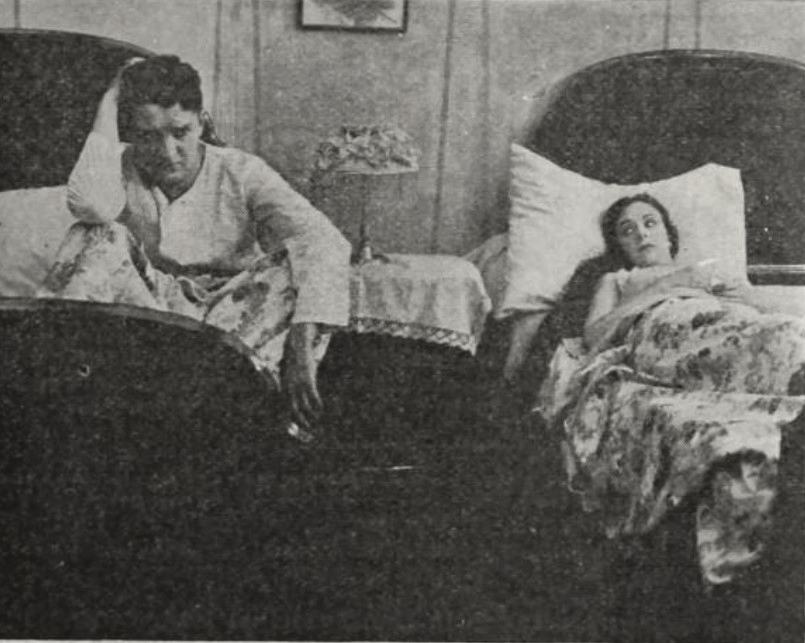
What truly elevates The Fibbers beyond a simple domestic squabble is its masterful construction of a comedy of errors. Each lie, no matter how small or seemingly insignificant, begets another, creating a snowball effect that gains momentum with every passing scene. The writers, Adams and Steck, demonstrate a keen understanding of human psychology, particularly how suspicion, once planted, can rapidly grow into an unshakeable conviction. The husband's "secret event" becomes evidence of an affair in the wife's eyes, and vice versa. This reciprocal misinterpretation forms the backbone of the film's comedic engine. Doors are slammed, hushed conversations are overheard and twisted, and innocent gestures are imbued with sinister meanings. It's a dizzying spectacle of miscommunication, where the audience is always one step ahead of the characters, delighting in their bewilderment.
The cleverness of the plot lies in its symmetrical deceit. Both parties are equally guilty of obfuscation, and both are equally victims of the ensuing paranoia. This symmetry prevents the audience from siding too heavily with one character over the other, instead fostering a shared sense of anticipation for the inevitable, explosive revelation. The film builds its tension not through dramatic threats, but through the relentless accumulation of increasingly implausible explanations and the characters' desperate attempts to maintain their facades. This intricate dance of deception, where every step taken to conceal a truth only serves to expose another, creates a delightful irony. It’s a delicate balance that could easily collapse into melodrama, but the sharp writing and committed performances keep it firmly in the realm of sophisticated farce.
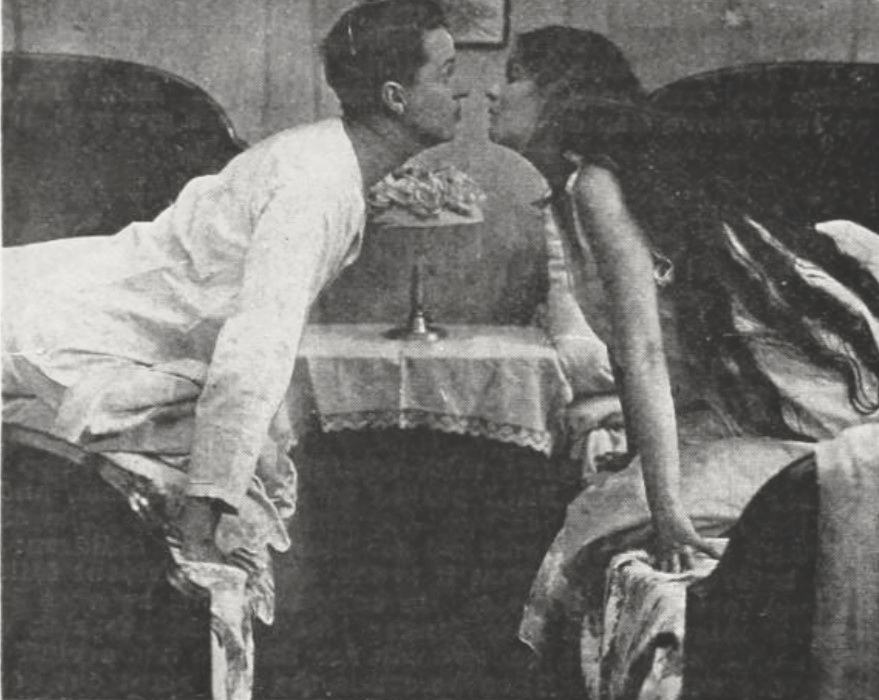
While undeniably a comedy, The Fibbers does not shy away from exploring the potentially destructive consequences of its central premise. The escalating jealousy and suspicion push the couple to the very brink of tragedy. The laughter often catches in the throat as the audience witnesses the genuine pain and distress caused by these misunderstandings. The film deftly transitions from lighthearted gags to moments of profound emotional vulnerability, reminding us that even the most well-intentioned lies can have devastating repercussions. This darker undertone adds significant depth to the narrative, preventing it from becoming a superficial exercise in slapstick. It forces the audience to consider the real-world implications of such widespread deceit within a relationship.
The film’s exploration of suspicion and its corrosive effects on trust brings to mind elements found in more suspenseful narratives, albeit without the criminal intent. The relentless questioning and the hunt for 'evidence' echo the psychological tension of a mystery, where characters are constantly trying to piece together a coherent truth from fragmented and misleading clues. One might draw a thematic parallel to films like Wer ist der Täter? (Who is the culprit?), where the entire premise revolves around unmasking deception, though the stakes in The Fibbers are personal rather than criminal. The ultimate realization that their relationship nearly crumbled due to self-inflicted wounds serves as a powerful cautionary tale, illustrating how easily perception can warp reality when trust is eroded. The film demonstrates how quickly a loving bond can unravel under the weight of imagined slights and hidden motives, transforming what should have been moments of joyful anticipation into a crucible of emotional turmoil.
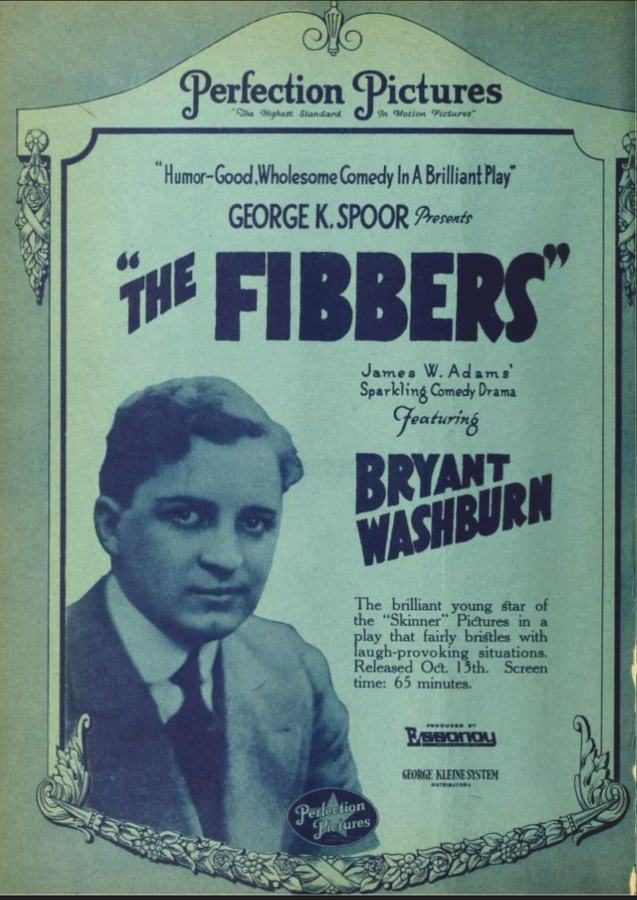
The writing duo of James W. Adams and H. Tipton Steck deserves significant credit for crafting a screenplay that is both intricate and accessible. Their ability to weave such a complex tapestry of lies and misunderstandings, while maintaining a clear narrative thread, is commendable. The dialogue, even in a silent or early sound film context where expressive acting often carried more weight, would have been sharp and witty, driving the plot forward with precision. The pacing of the film is crucial; it starts with a gentle ripple of deception that gradually builds into a raging torrent of confusion, before finally receding into a resolution that is both satisfying and insightful. The progression feels natural, despite the increasingly outlandish scenarios. They understand that a good comedy, particularly one with dramatic undertones, requires careful calibration of its emotional beats, ensuring that the audience is laughing one moment and genuinely concerned the next.
The thematic resonance of their work extends beyond simple laughs. They explore the very nature of perception, and how our preconceived notions can lead us astray. The characters in The Fibbers are, in a sense, victims of their own self-created illusions, much like the characters in As in a Looking Glass who grapple with distorted reflections of reality. The narrative serves as a potent reminder that transparency, while sometimes difficult, is often the most straightforward path to harmony. The writers expertly demonstrate how the road paved with good intentions (to surprise a loved one) can quickly lead to a very thorny patch if not navigated with open communication. The construction of the plot is like a finely tuned clockwork mechanism, where each gear (each lie) affects the movement of all the others, leading to an inevitable, yet carefully controlled, explosion of truth.
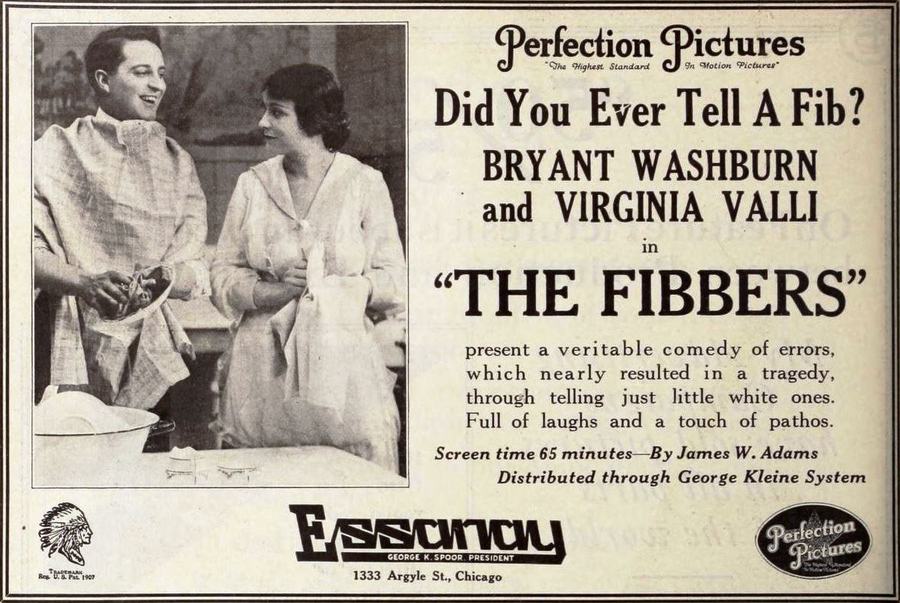
What grants The Fibbers its lasting power is its exploration of universal human experiences. Who hasn't, at some point, withheld a truth, either for a surprise, to avoid conflict, or out of misguided protection, only to find it backfiring spectacularly? The film taps into this shared vulnerability, making its characters relatable despite the escalating absurdity of their circumstances. The themes of trust, jealousy, communication, and the consequences of one's actions are evergreen. This is where the film finds common ground with narratives that explore the ripple effects of choices, such as Fate's Boomerang, albeit with a comedic lens rather than a purely dramatic one. The ultimate message of The Fibbers seems to be that while surprises can be delightful, genuine connection thrives on honesty, even when it’s inconvenient.
The film’s aesthetic, typical of its era, would have relied heavily on expressive acting, clear visual storytelling, and perhaps intertitles to convey dialogue and internal thoughts. The direction would have focused on staging characters to maximize the comedic potential of their reactions and the spatial relationships that highlight their increasing isolation and misunderstanding. Even without the full context of its visual presentation, the strength of the narrative structure and character development shines through. It’s a testament to the foundational elements of good filmmaking that a story so well-conceived can transcend the limitations of its period and continue to entertain and provoke thought. The simple elegance of its premise allows for a complex exploration of human foibles, making it a valuable piece in the tapestry of cinematic history.
In conclusion, The Fibbers is far more than just a lighthearted comedy; it is a meticulously constructed study of how easily good intentions can pave a road to relational chaos. The film stands as a brilliant example of domestic farce, elevated by strong performances from Bryant Washburn and Virginia Valli, and a remarkably intelligent script by James W. Adams and H. Tipton Steck. It’s a film that reminds us of the inherent humor in our human imperfections, while simultaneously delivering a subtle, yet powerful, message about the sanctity of truth in our most intimate relationships. For anyone who appreciates a narrative that expertly juggles genuine laughs with moments of heartfelt tension, or who enjoys observing the intricate dance of misunderstandings that arise from well-meaning secrets, The Fibbers remains an enduring classic. It's a reminder that sometimes, the greatest surprise we can offer our loved ones is simply the unvarnished truth. This film is a delightful journey through the labyrinth of human communication, proving that even the most innocent of lies can lead to the most extraordinary of predicaments, ultimately reinforcing the idea that authentic connection is built on a foundation of unwavering honesty.
IMDb —
1916
Community
Log in to comment.