DbcultAccessing Vault...
4.6/10
Senior Film Conservator

A definitive 4.6/10 rating for a film that redefined the boundaries of cult cinema. Somnambul remains a cornerstone of transgressive art.
Is "Somnambul" worth digging up today? Well, that depends entirely on what you're looking for. If you're hoping for a gripping story or something to passively watch on a Friday night, then, nope, run far away. This one’s for the curious souls, the film historians, and anyone fascinated by early 20th-century attempts to capture the *unseen*.
People expecting modern pacing or a clear narrative will likely find it baffling, maybe even a bit boring. But if you’re into the quirks of early cinema, or just want to see something truly unique, then settle in. You might just find yourself strangely captivated. ✨
The whole premise here is built around Elsbeth Günther-Geffers, a parapsychologist who apparently had a whole host of "talents." The film, originally called "The Clairvoyant," set out to show these off. You get the distinct feeling it was meant to be proof, a cinematic demonstration of abilities that, let's be honest, were probably pretty controversial even then.
It’s a peculiar experience. One minute, you're watching Günther-Geffers seemingly read minds, or at least, give a very convincing performance of it. The next, she's doing... other things. There’s a scene, I think, where she’s supposedly influencing objects without touching them, and the camera just sits there, daring you to disbelieve. It’s less about a grand plot and more about these little, sometimes baffling, vignettes.
The film’s history is almost as interesting as the film itself, maybe more so. It was banned, then later got reworked. You can almost feel that history in the edit. There are moments that feel a bit disjointed, like pieces were snipped out or reshuffled. You wonder what exactly was so scandalous they had to pull it from circulation. What did they *cut*? ✂️
Watching it, you can’t help but think about the era. This isn't CGI wizardry. This is all practical effects, or clever camera tricks, or... genuine psychic ability? The film wants you to believe the last one, obviously. But the charm is in the attempt, really.
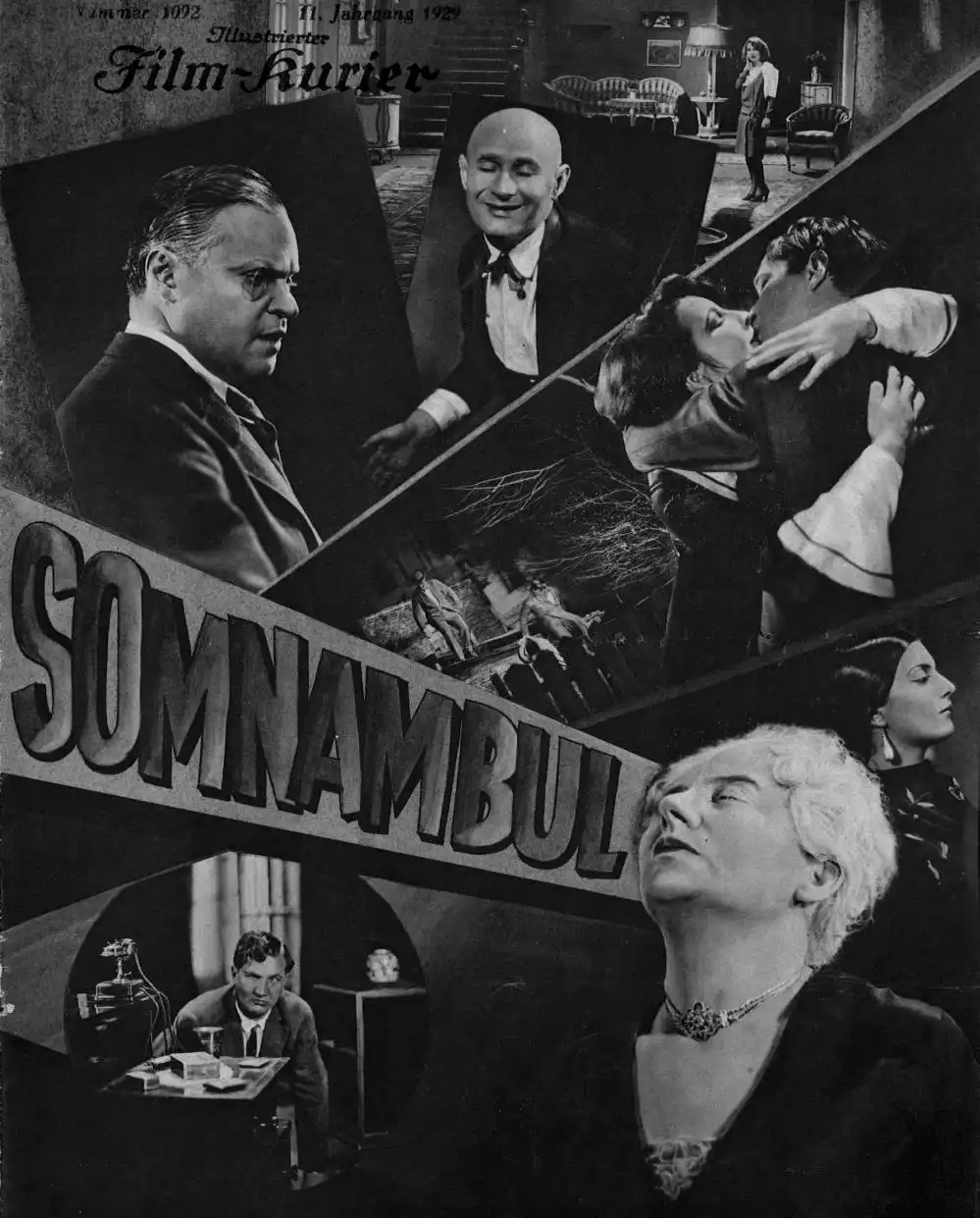
Elsbeth herself is quite a presence. She’s not "acting" in the way we think of it today. Her expressions are often intense, almost a bit solemn. When she’s doing her thing, whatever it is, she really leans into it. Her earnestness sells the illusion, at least for a moment.
And then there are the other folks in the cast, like Fritz Kampers and Veit Harlan, playing... well, observers, mostly. They react to Günther-Geffers' abilities. Sometimes their reactions feel *too* staged, a little over the top, like they’re trying too hard to sell the magic. Other times, they just look genuinely bewildered. It's a mix.
One bit that stuck with me involved a blindfolded test. They place an object in front of her, and she... describes it. The camera focuses *so tightly* on her face, you’re scrutinizing every muscle twitch. You’re looking for the cheat, for the tell, and the film knows it. It leans into that suspicion.
The pacing is very much of its time. Things unfold slowly. A modern audience would likely be screaming for things to speed up. But this slow burn actually works for a film trying to convince you of the inexplicable. It gives you time to ponder, to doubt, to get lost in the sheer audacity of what you’re watching.
It’s not perfect. There are stretches where it drags, where the same trick feels repeated just a few too many times. And the ending, if you can call it that, doesn't really offer much resolution. It just sort of... concludes its demonstration. You’re left to make up your own mind.
So, is it a masterpiece? No. Is it a historical curio, a fascinating piece of cinematic archaeology? Absolutely. If you’re into early film, or the history of pseudoscience, or just want to see how people tried to capture the uncapturable on film back in the day, give "Somnambul" a look. Just don't go in expecting a popcorn flick. You’ll be sorely disappointed. But if you open your mind a bit, you might find something genuinely thought-provoking, even if it's just about belief itself. 🤔

IMDb 6.9
1930
Community
Log in to comment.