Summary
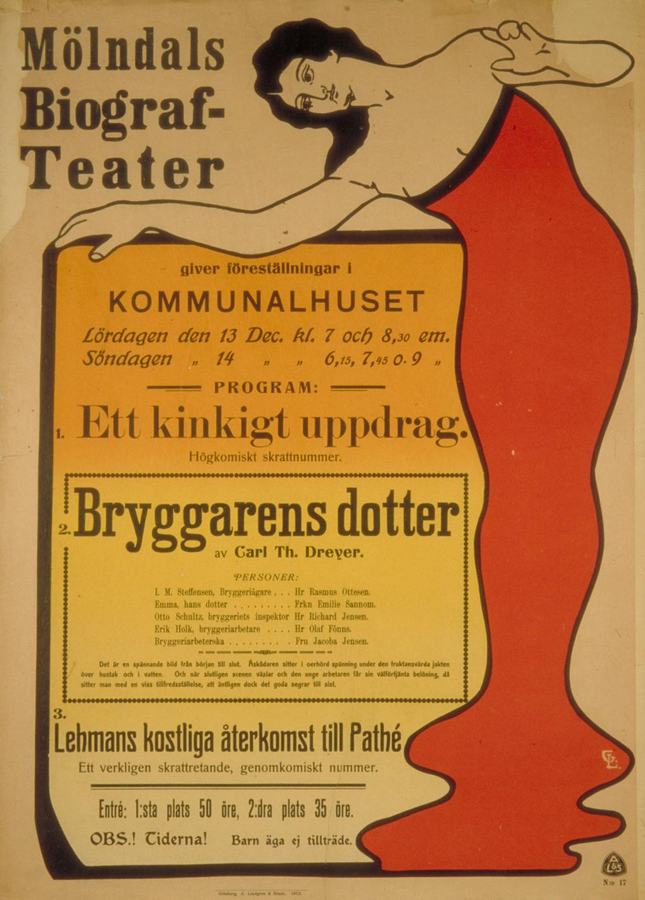
In a frost-laced Jutland town, where chimneys belch coppery smoke over flagstone streets, the widowed brewer Thorbjørn rules his vaulted timber manor like a medieval fief; his only heir, the dove-eyed Gertrud, drifts through candle-lit corridors humming psalms while the household portraits glower with patriarchal disapproval. Into this Lutheran hush strides the young architect Jørgen—equal parts idealist and social trespasser—commissioned to expand the brewery’s soot-blackened wings; his charcoal smudges soon stain Gertrud’s lace cuffs, and the two embark on a courtship that ferments hotter than the copper vats below. Yet the father, sensing an erosion of surname, fortune and control, unleashes a barrage of emotional sabotage: dowries frozen, letters intercepted, rumors of Jørgen’s bankruptcy seeded among the guild elders. When Gertrud’s belly swells with forbidden promise, the brewer banishes her to a windswept cousin’s farm, where milk-veined mornings echo with the crack of distant ice; there she miscarries beneath a crucifix that drips candle wax like slow tears. Returned, gaunt, she confronts a father whose beard has whitened overnight, and in a candle-stubbed parlor she utters a single line—“I carry silence heavier than any child”—before walking into the winter dusk. Jørgen, now a half-cracked wanderer haunting the docks, glimpses her silhouette across the marketplace; they exchange no words, only gloved hands brushing like moth wings. The film closes on the brewery’s great iron gate clanging shut, its echo swallowed by snow, while inside the vats continue their ceaseless hiss—a lullaby for dynasties dissolving into steam.
Review Excerpt
"
Bryggerens datter arrives like a frost-nipped manuscript rescued from a cellar—its edges singed, its ink still weeping—and already the blogosphere is calling it the missing keystone between Danish Nordisk and the later transcendental cruelty of From the Manger to the Cross. I finally streamed the 4K scan at 3 a.m., volume low so my neighbors wouldn’t hear the tremolo of my heart, and by the time the last intertitle dissolved I felt as though I’d swallowed crushed ice: pain that glitters.
Visu..."