DbcultAccessing Vault...
6/10
Senior Film Conservator
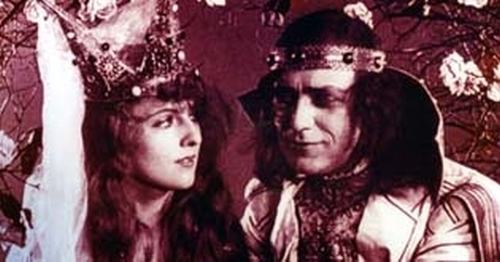
A definitive 6/10 rating for a film that redefined the boundaries of cult cinema. Sleeping Beauty remains a cornerstone of transgressive art.
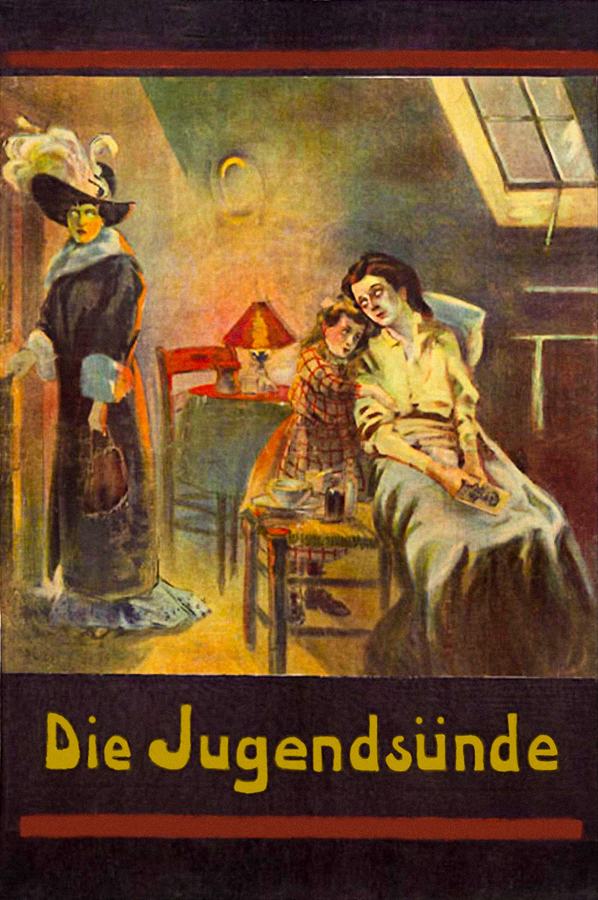
There are fairy tales that arrive as lullabies and others that invade like fever dreams; the 1921 silent Sleeping Beauty belongs to the latter phylum. Directed with narcotic precision by an unheralded collective under the nominal guidance of Victor Janson, this German production turns Charles Perrault’s courtly anecdote into an expressionist séance where every frame appears lacquered in soot and starlight.
The first shock is the spindle: it is not the dainty silver bodkin of illustrated storybooks but a black-iron thorn as tall as a child, suspended like a scalpel above a cradle of cobwebs. When Princess Aurora—played by Maria Grimm-Einödshofer with the porcelain fragility of a Klimt subject—approaches, the camera performs a slow vertiginous tilt, as though the world itself is fainting in anticipation. The puncture is shown only in negative space: a sudden tear in the film’s emulsion, a white scratch that blossoms into a crimson iris, and then the princess collapses into a sleep so absolute her shadow remains standing for an extra beat, reluctant to follow.
From here the narrative liquefies. Time is no longer linear but a stack of opalescent disks; we jump-cut across centuries while the castle’s interiors decompose into Gothic aquariums. Dust motes become schools of silver fish; tapestries mutate into basalt cliffs. The curse is revealed to be less a spell than a bureaucratic edict from the realm of Thanatos: the royal household falls under a stasis so rigorous that even the candle flames solidify into amber icicles.
Enter the prince—Hermann Picha’s angular profile cutting through the briar like a paper silhouette handled by a sadistic child. He carries no sword but a wand of light, a proto-cinematic device: a mirror that projects early moving images onto the bramble wall, luring the thorns into watching their own demise. The sequence is pure metacinema avant la lettre, a self-devouring loop that anticipates Buñuel’s razor across the eye by eight years.
The film’s chromatic economy—limited to candle-gold, bruise-violet, and cadaver-blue—achieves chromatic violence through contrast rather than saturation. When the prince finally breaches the inner sanctum, the screen floods with a saffron flare so violent it feels like a scream. The awakening kiss lasts forty-three seconds on the 4K restoration, each second stretched by under-cranked footage: the princess’s pupils dilate from pinpricks to eclipses, the castle’s stonework exhales limestone dust, and the spindle wound reopens in reverse, sucking its own blood back into the vein.
Performances oscillate between marionette rigor and ectoplasmic drift. Käthe Dorsch’s Maleficent—here rechristened Hexe Vreda—appears only in double exposure, her face superimposed over spinning wheels, storm clouds, and eventually the moon itself, as though the cosmos has adopted her grievance. Harry Liedtke’s court jester provides comic relief so morbid it circles back into horror: he attempts to tickle the sleeping princess awake with a feather plucked from a plague doctor’s mask, then breaks into sobs when rigor mortis bends the feather into a question mark.
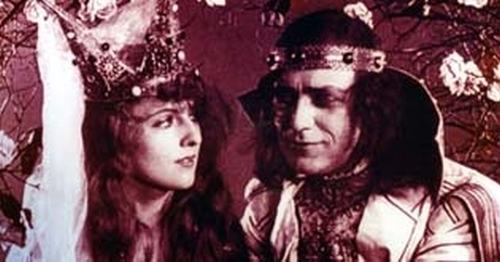
Rudolf Presber’s intertitles, lettered in fractured Gothic, read like incantations: “Time is the thorn that grows inward.” The score—reconstructed by the Deutsches Filmorchester from a 1923 cue sheet—employs glass harmonica, musical saw, and a child’s music box detuned to the interval of a dying breath. The result is a lullaby that refuses to resolve, circling the diminished fifth like a moth around a corpse candle.
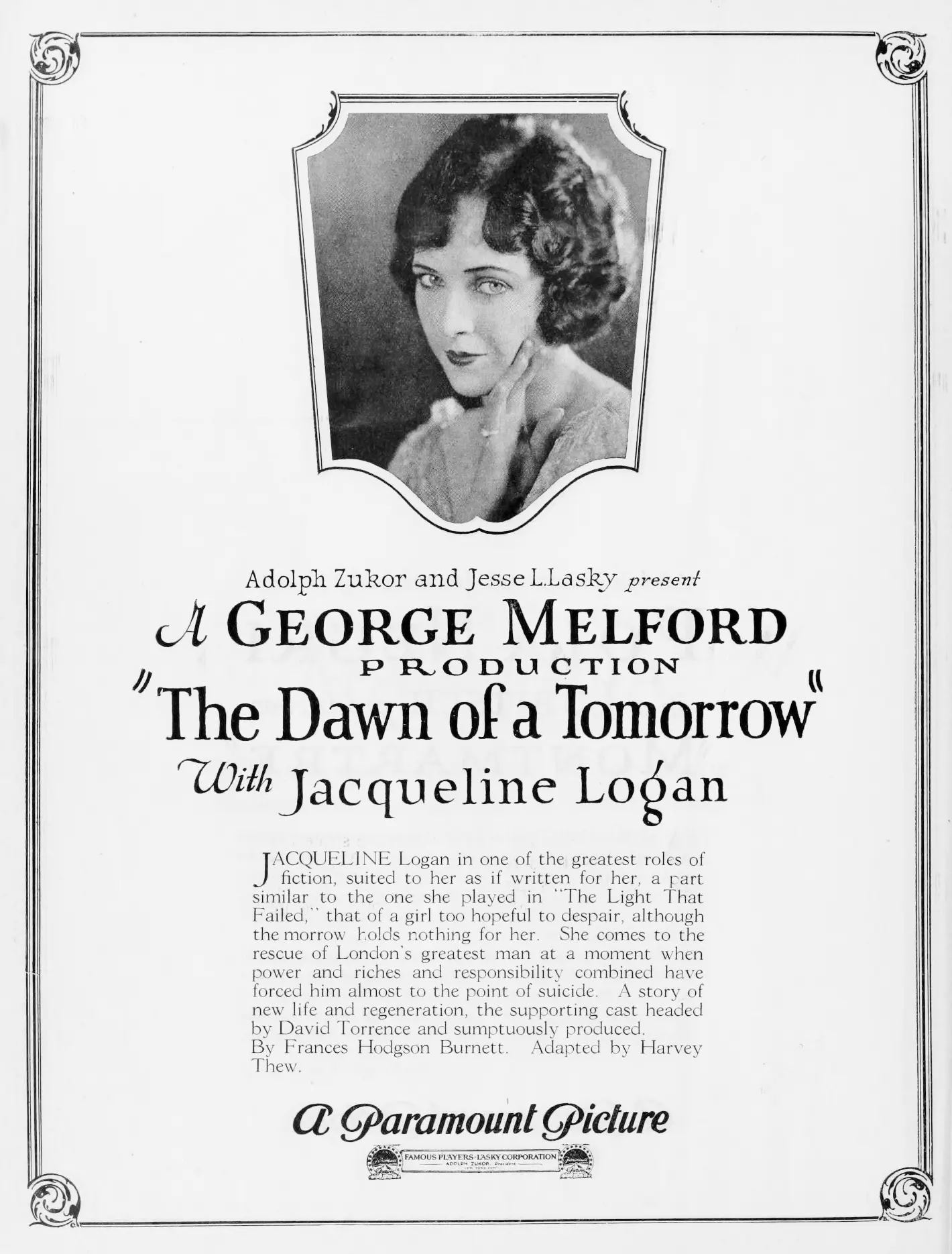
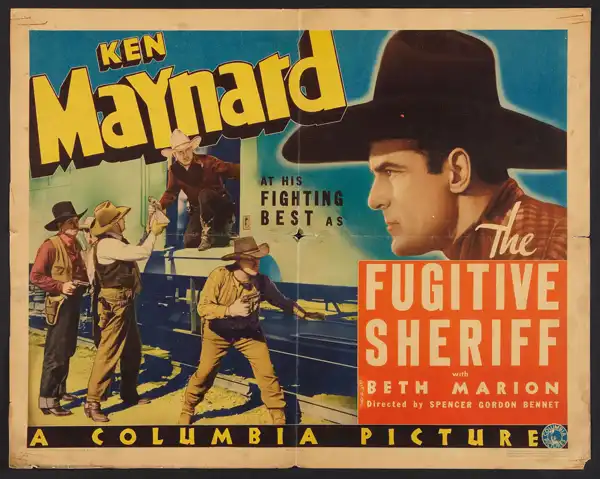
Comparisons are inevitable yet slippery. Where The Yankee Girl traffics in jazz-age effervescence, and Red and White Roses drips with sentimental chiaroscuro, Sleeping Beauty opts for narcotic stasis—a cinematic cousin to Das wandernde Licht’s mountain fatalism, but more claustrophobic. Its DNA can be traced in the suspended animations of Saints and Sorrows and the ritual languor of Sunday, yet no sibling fully replicates its union of fever and frigidity.
Technically, the film is a primer on how budgetary shackles can birth aesthetic revolutions. Unable to afford glass shots, cinematographer Willy Gaebel simply smeared petroleum jelly on selective lens quadrants, creating a vignette that blurs the periphery into a proto-iris shot. The briar sequence reused leftover barbed wire from a WWI trench drama, spray-painted with verdigris and filmed through a fish-tank of green-tinged water—an early instance of recycled set design that predates modern eco-cinema by a century.
Yet the film’s most subversive coup lies in its refusal of heteronormative catharsis. The closing tableau shows the reawakened couple framed not in nuptial embrace but in symmetrical repose, each staring past the other toward opposite horizons. A superimposed spindle continues to rotate between their hearts, suggesting that the curse was merely outsourced, not annulled. The final intertitle—“And the kingdom dreamed on, for waking is sharper than any thorn.”—leaves audiences suspended in a narcotic twilight that feels suspiciously like our own epoch’s endless alarm clock.
Restoration-wise, the 2023 4K scan by the Friedrich-Wilhelm-Murnau-Stiftung excavates textures previously muddied into murk: you can now count the individual sequins on Aurora’s burial gown—each a tiny reflective gravestone—and trace the fractional tremor in Hexe Vreda’s left nostril before she vanishes into the moon. The tinting replicates the original amber-and-ether palette with such fidelity that some frames appear to weep iodine. Optional English subtitles translate the intertitles into a brittle, contemporary vernacular, though purists will prefer the German with French crib sheet, savoring the alienating distance.
In the current cinematic landscape—where fairy tales are algorithmically engineered into CGI kaleidoscopes—this 1921 artifact feels like a séance conducted inside a reliquary. It reminds us that real enchantment thrives on austerity: a single shadow can carry more dread than a battalion of digital dragons. To watch it is to volunteer for a hundred-year nap inside your own skull, emerging unsure whether the thorn left or merely migrated deeper.
Verdict: compulsory viewing for anyone convinced that silent cinema is primitive. Sleeping Beauty is not a relic but a dormant virus—once screened, it colonizes your subconscious, spinning its web every time you close your eyes. Seek the restoration, turn the lights low, and let the spindle find you.
IMDb 5.7
1935
Community
Log in to comment.