DbcultAccessing Vault...
Cult Review
Senior Film Conservator
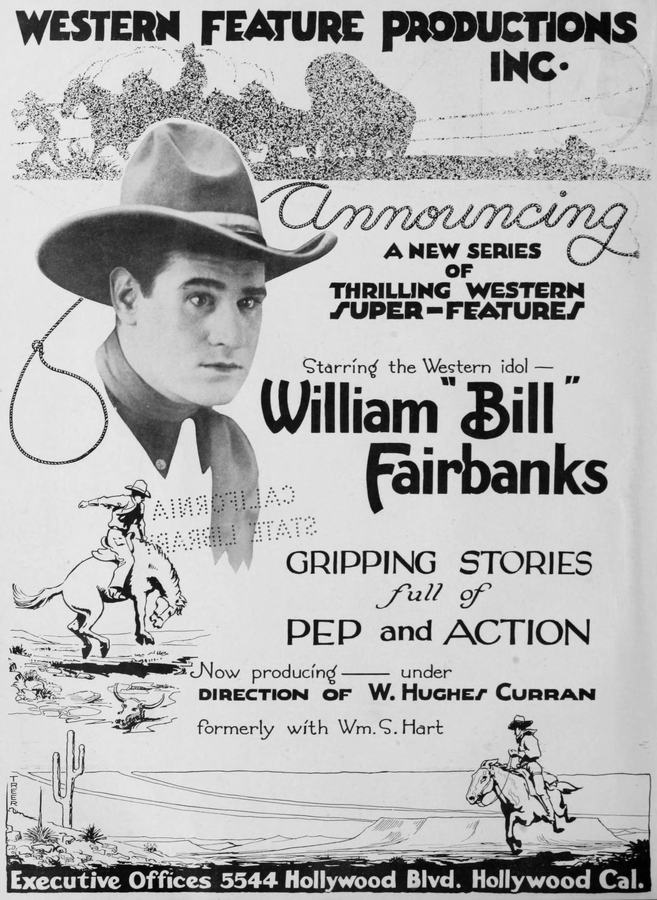
In the pantheon of silent-era cinema, the year 1924 stands as a testament to the maturation of the Western genre, moving beyond the simplistic morality plays of the previous decade into something more structurally complex and visually daring. Western Pep, directed by Richard Thorpe and starring the indefatigable William Fairbanks, is a quintessential artifact of this evolution. It is a film that vibrates with the specific energy of its namesake—'pep'—a term that, in the 1920s, encapsulated a uniquely American brand of optimism, physical vigor, and entrepreneurial spirit. Unlike the somber, brooding landscapes found in The Law of the North, Western Pep leans into a more theatrical, high-octane sensibility that prioritizes the visceral thrill of the chase and the moral clarity of the hero.
The narrative architecture of Western Pep is built upon the foundational myth of the 'Easterner' returning to his roots to claim a patrimony. Bill Warren, played with a charmingly rugged sincerity by Fairbanks, is not merely a rancher; he is a custodian of progress. The discovery of oil beneath the Bar-L Ranch introduces a modern industrial tension into the pastoral setting. This isn't just a fight over grazing rights or water holes; it’s a struggle over the energy that would power the 20th century. The film cleverly uses the 'black gold' motif to elevate the stakes, transforming a local property dispute into a high-stakes financial thriller that mirrors the real-world oil booms of the era.
William Fairbanks, often overshadowed by his namesake Douglas but no less capable in the realm of stunt-driven performance, brings an almost acrobatic grace to the role of Bill Warren. In Western Pep, his movement is the primary vehicle for storytelling. The silent medium demanded that the body speak where the voice could not, and Fairbanks’ physicality communicates a relentless momentum. Whether he is navigating the social intricacies of a burgeoning town or engaging in the film’s climactic pursuits, there is a palpable sense of 'pep' in his every gesture.
The supporting cast provides a necessary counterbalance to Fairbanks’ kineticism. Bob Kortman, a veteran of the screen whose visage was practically etched from the very rocks of the Mojave, delivers a performance of chilling efficiency as the antagonist. Kortman excelled at playing characters who existed in the shadows of the law, much like the figures in The Criminal. His portrayal of Natalie’s brother is a masterclass in silent villainy—not through mustache-twirling theatrics, but through a cold, calculating stillness that contrasts sharply with Warren’s dynamism.
One of the most compelling aspects of the screenplay is the focus on financial subterfuge. The gang’s decision to deceive Bill into selling fraudulent stock is a sophisticated narrative choice. It reflects a societal anxiety regarding the stock market and corporate malfeasance that was prevalent in the mid-20s, a theme also explored with a more comedic touch in Brewster's Millions. By manipulating the town’s economy, the villains don't just steal Bill’s land; they steal his reputation.
The sequence where Bill is blamed for the town’s financial ruin is particularly poignant. It taps into the 'wrongly accused' trope with a ferocity that rivals the dramatic tension in The Silence of Dean Maitland. The isolation Bill feels is not just physical—though the wide shots of the desert emphasize his solitude—but social. He is an outcast in his own home, a man whose word has been devalued by the machinations of those he trusted. This psychological weight adds a layer of depth to the film that distinguishes it from more perfunctory 'oaters' of the period.
No discussion of Western Pep is complete without addressing the legendary stunt sequence involving Bill and his horse falling from a high cliff. In an era before CGI or sophisticated safety rigs, this scene represents the pinnacle of silent-era daredevilry. The camera captures the descent with a raw, unblinking intensity that modern audiences might find shocking. It is a moment of pure cinematic spectacle that serves as the film’s emotional and physical pivot.
This fall is more than just a thrill; it is a baptism by fire. Bill Warren must literally hit rock bottom before he can rise to reclaim his name and his property. The survival of the protagonist and his loyal steed functions as a testament to the resilience of the Western hero. It echoes the themes of endurance found in Vengeance and the Girl, where the harshness of the environment serves as the ultimate crucible for character development.
The cinematography in Western Pep utilizes the harsh sunlight of the California landscape to create high-contrast imagery that mirrors the film’s moral dichotomies. The Bar-L Ranch is framed with a sense of grandeur, its vastness suggesting both opportunity and danger. The interior scenes, particularly those involving the gang’s conspiratorial meetings, use shadows and tight framing to evoke a sense of claustrophobia and impending betrayal, reminiscent of the atmospheric tension in Die Schuld der Lavinia Morland.
Director Richard Thorpe, who would later go on to helm massive MGM spectacles, shows an early aptitude for pacing. He understands that a Western lives and dies by its rhythm. The transition from the slow-burn buildup of the oil discovery to the frantic energy of the final pursuit is handled with a deftness that keeps the viewer engaged. The film doesn't linger unnecessarily on exposition; it trusts the audience to follow the visual cues of the stock certificates, the oil derricks, and the shifting glances of the conspirators.
At the heart of the chaos is the relationship between Bill and Natalie (Florence Gilbert). Gilbert’s performance is understated but vital. She represents the moral compass of the film, caught between the loyalty she owes her brother and the justice she recognizes in Bill. Her character arc is one of awakening; she must peel back the layers of her family’s deception to see the truth. This romantic subplot is handled with a dignity that avoids the saccharine pitfalls of lesser silents like Aladdin's Other Lamp.
The resolution of their romance is inextricably linked to the resolution of the land dispute. In the world of Western Pep, the restoration of the social order—the clearing of Bill’s name and the recovery of the ranch—is the only foundation upon which a legitimate union can be built. The final scenes, where the gang is brought to justice and the oil begins to flow properly, provide a sense of catharsis that is both personal and communal.
When comparing Western Pep to other films of its time, such as The Law That Failed, one can see a clear preference for the 'Pep' style of storytelling over the more tragic or pessimistic narratives. While some films of the mid-20s were beginning to experiment with the 'foolish heart' tropes seen in Das törichte Herz, Western Pep remains steadfast in its commitment to the heroic ideal. It is a film that believes in the possibility of total redemption and the ultimate triumph of the individual over the corrupt collective.
The film’s portrayal of the West as a place of both ancient ruggedness and modern industrial potential makes it a fascinating study in 1920s American identity. It captures a moment when the 'Old West' of horses and six-shooters was colliding with the 'New West' of petroleum and corporate law. In this sense, it shares a certain thematic DNA with The Pageant of San Francisco, celebrating the relentless march of progress while honoring the grit required to survive it.
Technically, the film is a robust example of independent production values of the time. The editing is crisp, particularly during the chase sequences where cross-cutting is used to heighten the suspense. The use of location shooting adds an authenticity that stage-bound productions of the era, such as The Ordeal of Rosetta, often lacked. The dust, the heat, and the sheer verticality of the terrain are characters in their own right.
However, like many films from the 1920s, Western Pep suffers from the ravages of time. It is a film that cries out for a meticulous restoration to preserve the nuances of its cinematography and the daring nature of its stunts. For modern viewers, it serves as a reminder of the sheer bravery of early filmmakers and performers who risked life and limb to capture a few seconds of 'pep' on celluloid.
Western Pep is more than a mere curiosity; it is a vital, energetic piece of silent cinema that showcases the best of what the Western genre had to offer in 1924. It combines the physical prowess of William Fairbanks with a surprisingly modern plot involving industrial greed and financial manipulation. While it may not have the surrealist leanings of A Roman Scandal or the gritty realism of The Strike Breaker, it possesses a singular, infectious enthusiasm that remains palpable a century later.
For those who appreciate the intersection of historical industry and high-stakes adventure, Western Pep is an essential watch. It is a cinematic testament to the idea that no matter how deep the fall or how dark the oil, the truth will eventually surface—provided you have enough pep to pursue it.
IMDb 5.5
1937
Community
Log in to comment.