DbcultAccessing Vault...
6.9/10
Senior Film Conservator
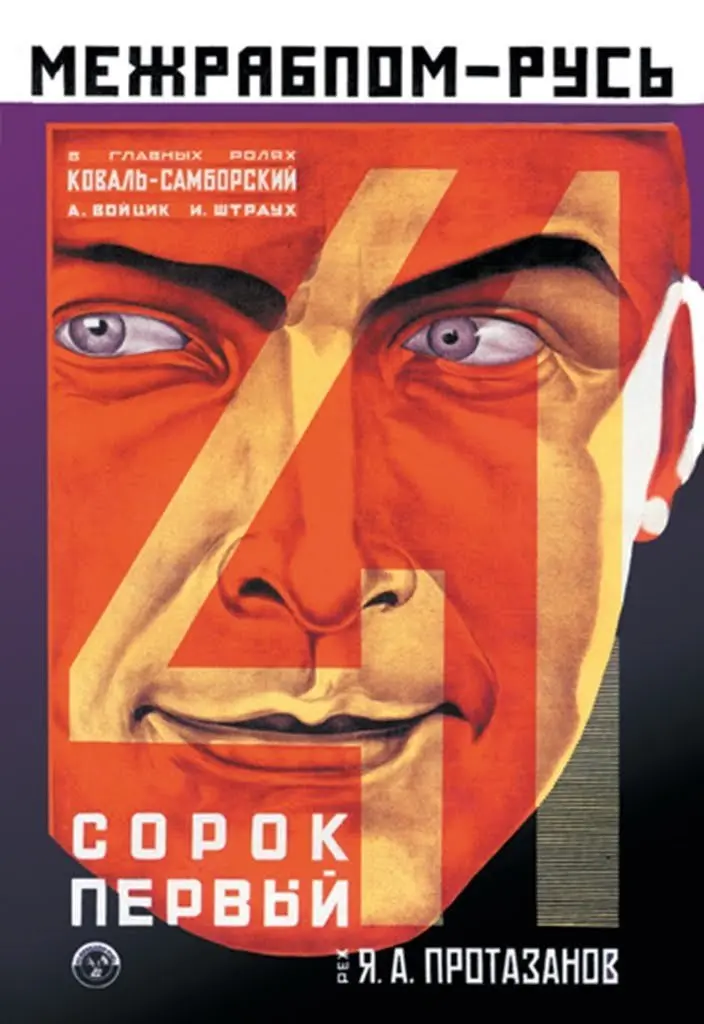
A definitive 6.9/10 rating for a film that redefined the boundaries of cult cinema. Sorok pervyy remains a cornerstone of transgressive art.
Does "Sorok pervyy" truly resonate in the 21st century? Short answer: yes, but with significant caveats that demand a discerning viewer. This film is an essential historical artifact for cinephiles and students of early Soviet cinema, offering a raw, unvarnished look at a fraught period, but it will likely test the patience of those accustomed to modern narrative conventions.
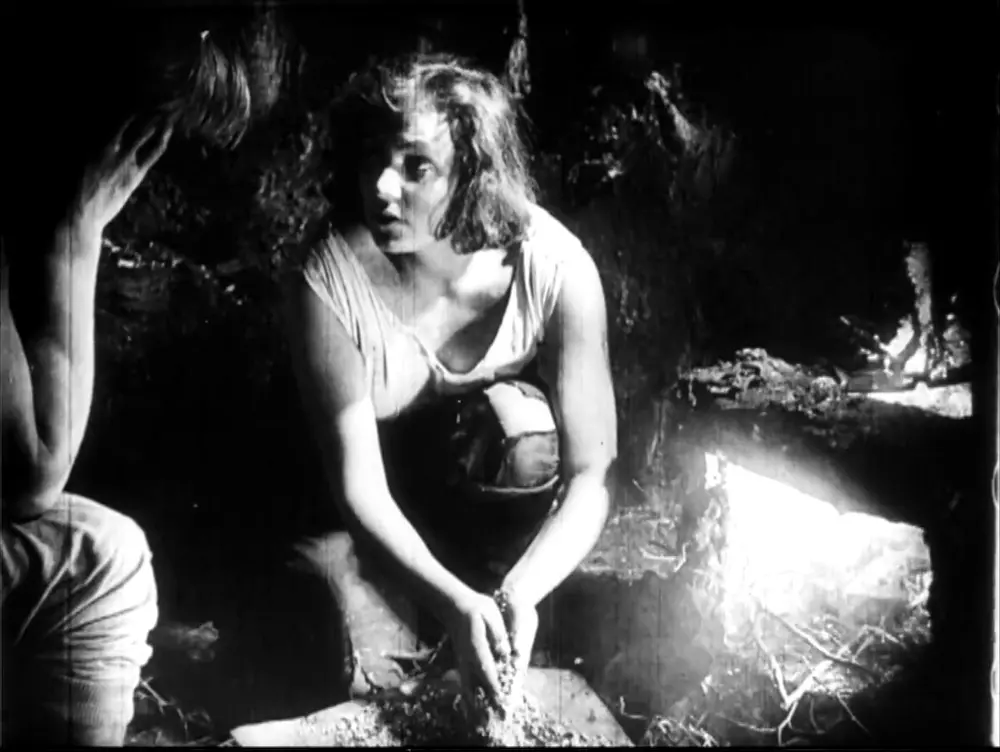
This film works because of its bold, uncompromising narrative and the sheer emotional weight it manages to convey through its two central performances. It strips away much of the external world, focusing intensely on the psychological and emotional evolution of its protagonists, making their unlikely bond feel both inevitable and tragically fragile.
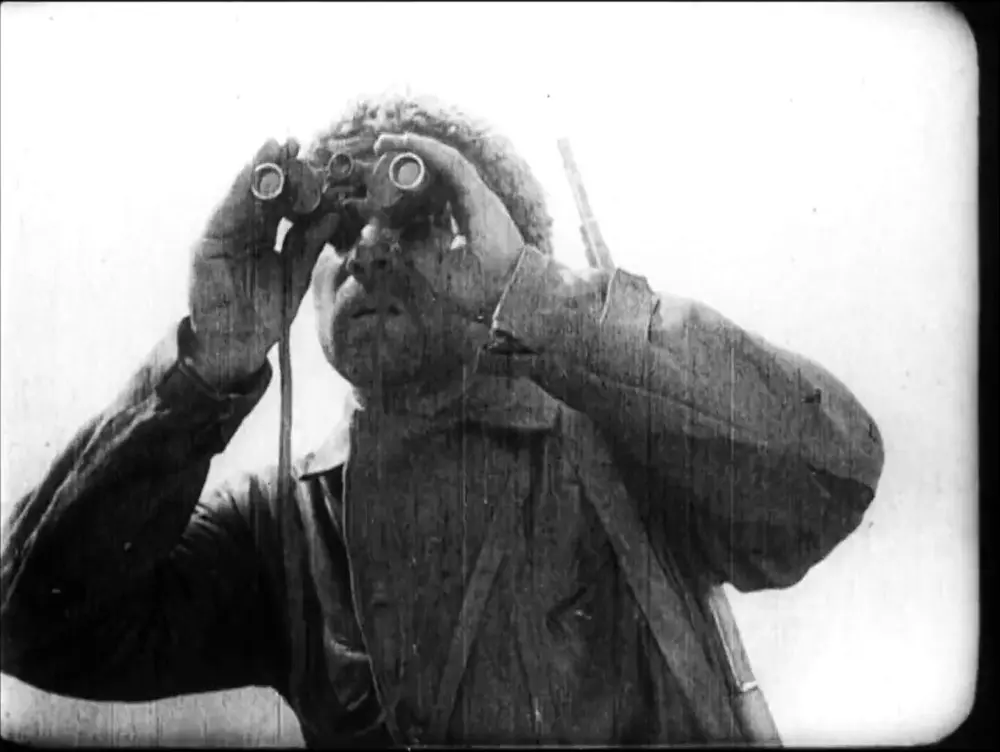
This film fails because its pacing, a product of its era, can feel glacial, and its overt political messaging, while historically significant, occasionally overwhelms the more nuanced human drama. The technical limitations of silent cinema, while part of its charm, also mean certain emotional beats are communicated with a blunt force that modern audiences might find less subtle.
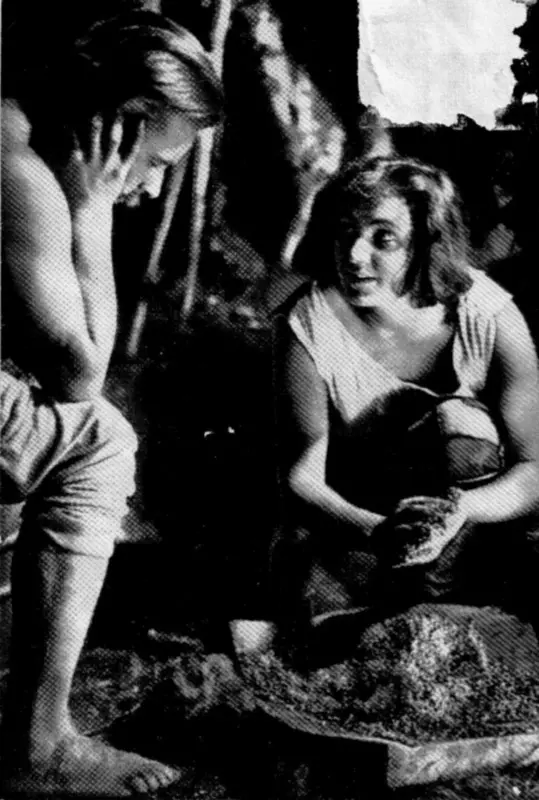
You should watch it if you appreciate historical cinema, are interested in the early development of Soviet filmmaking, or seek a powerful, if somber, exploration of love across ideological divides. If you require fast-paced narratives, unambiguous character motivations, or prefer subtle storytelling over overt symbolism, this might not be the film for you.
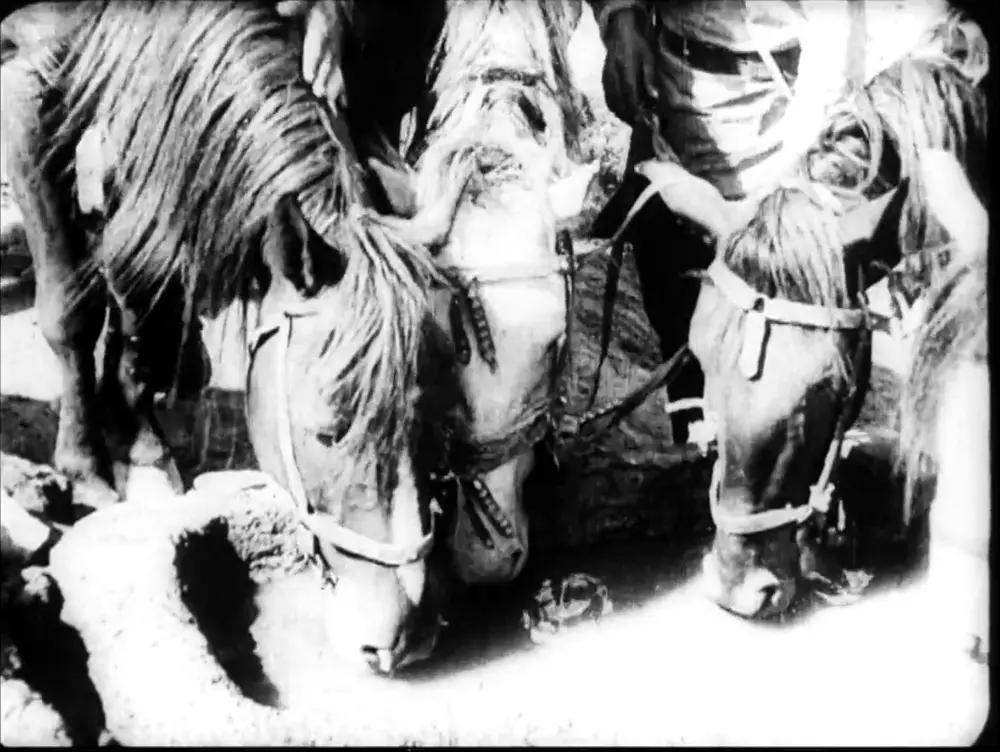
Yakov Protazanov’s 1927 adaptation of Boris Lavrenyev’s novella, "Sorok pervyy," is a masterclass in silent film storytelling, albeit one steeped deeply in its revolutionary context. The film opens with a brutal efficiency, establishing Maryutka (Ada Voytsik), a Red Army sharpshooter with a chilling tally of 40 enemy kills, as a hardened product of her environment. Her initial interactions with the captured White Guard officer (Ivan Koval-Samborsky) are fraught with a palpable, almost animalistic, tension. Protazanov doesn't shy away from the harsh realities of civil war, depicting the Red Army’s struggle with a stark, almost documentary-like realism.
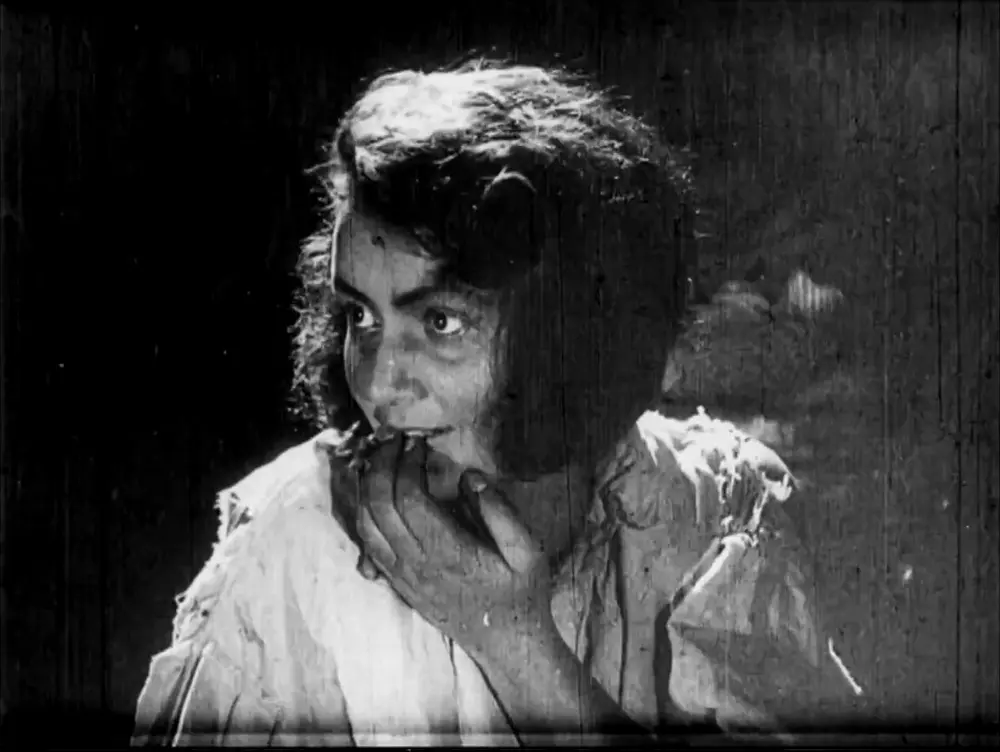
The cinematography, while constrained by the technology of the time, is remarkably effective in conveying both the vastness of the Central Asian steppes and the claustrophobia of the human condition. Shots of Maryutka silhouetted against an immense, indifferent sky speak volumes about her isolation and the burden of her role. When the storm shipwrecks them on a deserted island, the landscape transforms from a battlefield into a desolate, yet strangely intimate, stage for their unfolding drama. The camera lingers on their faces, on the small gestures that betray deeper emotions, making the most of the silent film’s reliance on visual cues.
The tone is relentlessly somber, occasionally punctuated by moments of fragile hope or fleeting tenderness, only to be inevitably crushed by the weight of their opposing loyalties. Protazanov’s direction is precise, guiding the audience through the emotional shifts without the aid of dialogue. The use of intertitles is sparing, allowing the visuals and the actors’ expressions to carry the bulk of the narrative. This approach, while demanding, rewards the patient viewer with a profound sense of immersion into a world defined by stark choices and brutal consequences. It’s a film that argues, quite forcefully, that even in the most extreme circumstances, human connection can bloom, only to be tragically severed by the immovable force of political conviction.
The success of "Sorok pervyy" hinges almost entirely on the shoulders of its two lead actors, Ada Voytsik and Ivan Koval-Samborsky. Voytsik, as Maryutka, delivers a performance of astonishing intensity and nuance. She embodies the revolutionary spirit, her gaze often fierce and unyielding, yet beneath the hardened exterior, she slowly reveals a vulnerability that is both heartbreaking and utterly

IMDb 5.9
1932
Community
Log in to comment.