DbcultAccessing Vault...
Cult Review
Senior Film Conservator
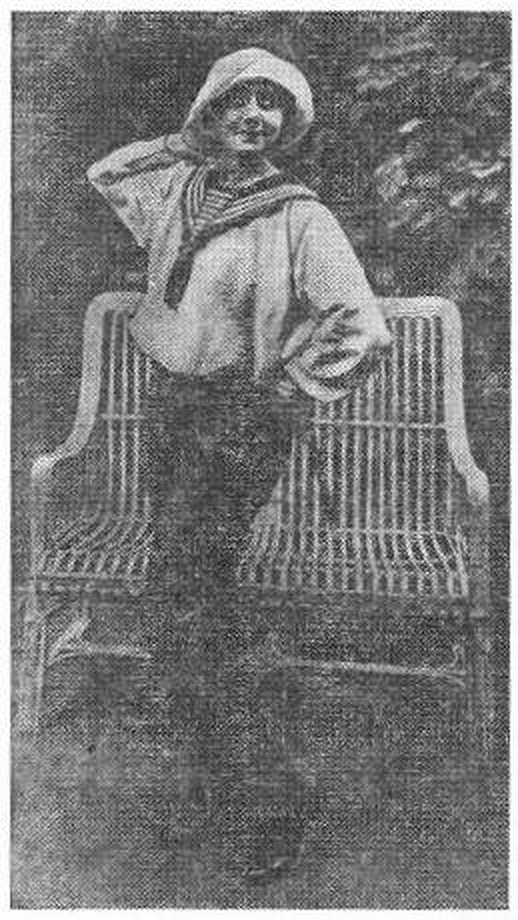
To encounter Sorvanets is to peer through a delicate, aged lens into a world both distant and eerily familiar. This early Russian silent film, a testament to the burgeoning cinematic artistry of its era, arrives not merely as a historical artifact but as a vibrant, if faded, tapestry of human emotion. The very title, 'Sorvanets,' meaning 'rascal' or 'daredevil,' immediately conjures an image of defiance, a spirit unbowed by convention—a promise the film endeavors to fulfill with a narrative steeped in the rigid social stratifications and burgeoning passions of pre-revolutionary Russia. It’s a work that, even from the remove of a century, manages to resonate with an intensity that transcends its medium's nascent technological constraints.
At its core, Sorvanets is a melodrama, yes, but one imbued with a singular gravitas, elevated by performances that speak volumes without uttering a single word. Our protagonist, Zina, brought to vivid, tempestuous life by the remarkable Dora Tschitorina, is a creature of impulse and integrity. Her portrayal is a masterclass in silent acting, her eyes conveying entire soliloquies of despair, defiance, and burgeoning hope. She is the eponymous 'Sorvanets,' a young woman from the city’s working-class districts whose fiery independence inevitably clashes with the stultified decorum of the aristocracy. Tschitorina imbues Zina with a magnetic authenticity, making her not just a character, but a force of nature, an embodiment of the era's simmering disquiet.
The narrative’s central conflict ignites with Zina’s fateful encounter with Andrei, played with characteristic intensity by the legendary Ivan Mozzhukhin. Mozzhukhin, a titan of early cinema, crafts Andrei as a man torn between the suffocating expectations of his privileged birthright and the intoxicating allure of Zina’s unvarnished spirit. Their romance, born out of an accidental meeting and nurtured in stolen moments, is a daring affront to the societal architecture of their time. It’s a love story that echoes the grand, tragic sweep of Russian literature, where individual desire often finds itself crushed beneath the weight of an unforgiving social order. Mozzhukhin’s nuanced performance captures Andrei’s internal struggle with poignant clarity, his expressions oscillating between deep affection for Zina and the visible burden of his aristocratic lineage, particularly his engagement to the formidable Princess Vera.
Princess Vera, portrayed by the elegant Vera Karalli, is no mere villainess; she is a product of her environment, a woman whose entire identity is predicated on maintaining her status. Karalli brings a chilling, almost regal, coldness to the role, yet beneath the veneer of aristocratic disdain, one can discern a flicker of vulnerability, a woman fighting for her perceived right. Her machinations, while cruel, stem from a place of desperation—a fear of losing her position and the stability it represents. This complexity prevents the character from devolving into a flat antagonist, instead casting her as another victim, albeit a privileged one, of the era’s rigid social codes. This nuanced approach to character, even in what could easily be a black-and-white melodrama, speaks to the film's greater artistic aspirations.
The plot thickens with the introduction of Petr, the calculating industrialist, played by Petr Birjukov. Birjukov embodies the chilling pragmatism of capital, his character serving as a stark reminder of the economic forces at play. His involvement in framing Zina for a theft is not driven by personal animosity alone, but by a colder, more insidious desire to preserve the status quo, ensuring that the working class remains in its place and the aristocracy maintains its power, unblemished by scandalous liaisons. This act of injustice propels the narrative into its most harrowing phase, as Zina navigates a legal system designed to protect the powerful, not to seek truth. Her journey through the courts, her desperate pleas, and the societal prejudice she faces are depicted with a raw, unflinching honesty that resonates deeply. The film, in this regard, shares thematic kinship with works like The Pit, which similarly delved into the moral decay and societal hypocrisy of its time, though Sorvanets channels its critique through the lens of individual suffering rather than broad social exposé.
The performances, particularly from Tschitorina and Mozzhukhin, are nothing short of captivating. Tschitorina’s expressiveness, her ability to convey a spectrum of emotions from fierce joy to profound sorrow with a mere tilt of the head or a flicker of the eyes, is a masterclass in silent cinema acting. Mozzhukhin, with his intense gaze and brooding demeanor, is the perfect foil, his internal torment palpable even in the absence of dialogue. The chemistry between them is undeniable, lending credibility to a romance that, on paper, seems destined for tragedy. Their silent exchanges speak volumes, communicating a bond that defies the rigid boundaries of their world. One could draw parallels to the dramatic intensity found in films like Love Everlasting, where the power of love is similarly tested against formidable external pressures.
The director, whose vision guides this compelling narrative, employs a visual language that is both sophisticated for its time and remarkably effective. The cinematography, though perhaps rudimentary by today's standards, is skillfully utilized to enhance the emotional impact. Close-ups are deployed judiciously, magnifying the actors' nuanced expressions, while wider shots establish the stark contrasts between the opulence of aristocratic salons and the grim reality of Zina’s world. The use of light and shadow, a hallmark of early cinema, is particularly striking, often mirroring the characters' internal states—bright, hopeful moments often give way to scenes shrouded in a deepening gloom, foreshadowing the tragic turns of fate. The pacing, while deliberate, never feels sluggish; instead, it builds a relentless tension, drawing the viewer deeper into Zina’s plight. The film's aesthetic qualities remind one of the meticulous visual storytelling in A Venetian Night, where atmosphere and visual composition are paramount to conveying emotional depth.
The supporting cast, including Praskovya Maksimova, contributes significantly to the film's rich texture. Each character, no matter how minor, feels fully realized, adding layers of authenticity to the world depicted. The grand ball scenes, for instance, are meticulously staged, capturing the superficial grandeur and underlying tension of aristocratic society. In contrast, the scenes depicting Zina’s life in the city’s underbelly are rendered with a raw realism that underscores her struggle. This attention to detail in world-building, a challenge in silent film where exposition is limited, is commendable.
The climax of Sorvanets is a masterstroke of emotional devastation. Zina’s ultimate sacrifice, made with a defiant grace that belies her tragic circumstances, is a moment of profound cinematic power. It transcends mere plot resolution, elevating the film into a poignant commentary on the human spirit’s capacity for endurance and selflessness in the face of insurmountable odds. It is a sacrifice born not of weakness, but of an indomitable strength, a final, emphatic statement against the injustices that have hounded her. This act leaves an indelible mark, forcing both the characters within the film and the audience to confront the harsh realities of a society that prioritizes class and reputation over truth and human dignity.
The film’s enduring power lies in its ability to evoke such strong emotional responses, even a century after its creation. It serves as a stark reminder that the struggles for love, justice, and individual freedom are timeless. While the societal constructs of Tsarist Russia may seem alien, the emotional core of Sorvanets remains universally accessible. It invites contemplation on the nature of sacrifice, the corrosive effects of class prejudice, and the enduring strength of the human heart when pushed to its limits. One might find a similar exploration of moral quandaries and the weight of conscience in films like The Avenging Conscience: or 'Thou Shalt Not Kill', though the Russian film grounds its ethical dilemmas more firmly in social realism.
To watch Sorvanets today is to participate in an act of historical reclamation. It is a cinematic experience that transcends its technical limitations, offering a profound glimpse into a bygone era and the universal human dramas that unfolded within it. The film, with its potent blend of romance, social critique, and tragic sacrifice, stands as a testament to the early brilliance of Russian silent cinema. It reminds us that even in the nascent days of the moving image, filmmakers were grappling with complex themes and crafting narratives that possessed both intellectual depth and heart-wrenching emotional resonance. Its story, though fictional, feels deeply authentic, a reflection of the tumultuous social landscape from which it emerged. It is a film that deserves to be seen, studied, and cherished, not just for its historical significance, but for its enduring artistic merit and its powerful, timeless message about the cost of defiance in a world unwilling to change.
In an age saturated with digital spectacles, there is a profound beauty in the quiet power of a film like Sorvanets. It speaks to the enduring art of storytelling, where human faces and gestures, amplified by the stark black and white of the screen, can convey more emotion than any spoken word. It is a captivating journey into the heart of a spirited woman, a society in flux, and the timeless struggle between love and the forces that conspire against it. A true gem, waiting to be rediscovered by those willing to listen to its silent, eloquent plea.
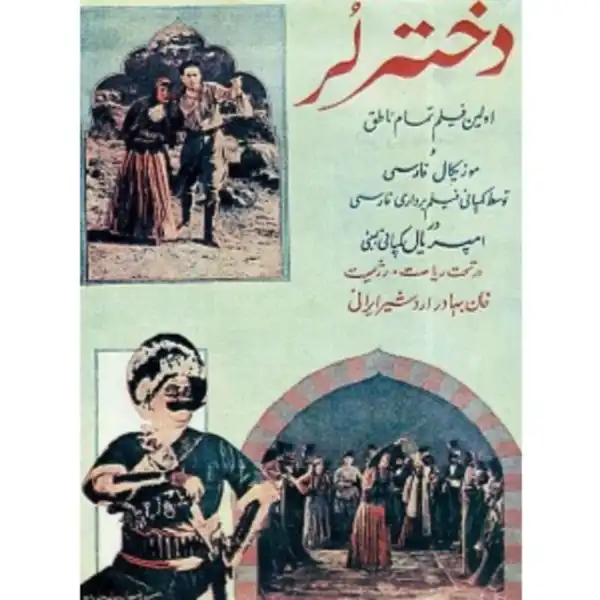
IMDb 6.9
1933
Community
Log in to comment.