DbcultAccessing Vault...
Cult Review
Senior Film Conservator
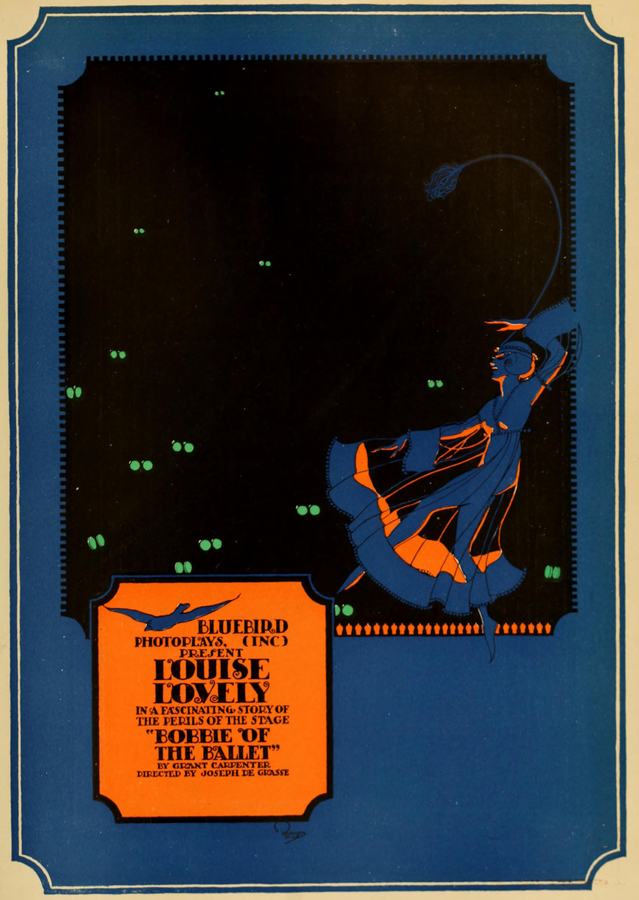
The year 1916 stands as a pivotal juncture in the evolution of the moving picture, a time when the rudimentary grammar of the silent era began to coalesce into sophisticated visual poetry. Among the artifacts of this era, Bobbie of the Ballet remains a fascinating specimen of the 'Bluebird Photoplays' brand—a division of Universal that prioritized artistic merit and emotional resonance over mere spectacle. Directed by Joe De Grasse and scripted by the formidable Ida May Park, this film serves as a poignant intersection of proletarian struggle and high-art aspirations, anchored by the magnetic presence of Louise Lovely and a nascent Lon Chaney.
To understand the impact of Bobbie of the Ballet, one must first contextualize the aesthetic landscape of its production. The Bluebird label was synonymous with a certain delicacy of touch, often focusing on narratives that favored character interiority over the histrionics common in contemporary melodramas like The Victory of Virtue. In this film, the camera lingers on the weary grace of the ballet, juxtaposing the ethereal beauty of the stage with the stark, claustrophobic reality of Bobbie Brent’s tenement life. The cinematography utilizes the burgeoning techniques of the time to create a chiaroscuro effect that mirrors the protagonist's dual life: the spotlight of the performer and the shadows of the secret mother.
Louise Lovely, an Australian import who became a cornerstone of early Hollywood, delivers a performance that transcends the often-caricatured acting styles of the mid-1910s. Her Bobbie is a study in quiet desperation. When she decides to claim her siblings as her own children, the decision isn't portrayed with the flourish of a theatrical plot twist, but as a heavy, inevitable burden. It is a subversion of the 'fallen woman' trope; Bobbie accepts the stigma of the unwed mother not through sin, but through a saintly devotion that the society around her is too narrow-minded to comprehend.
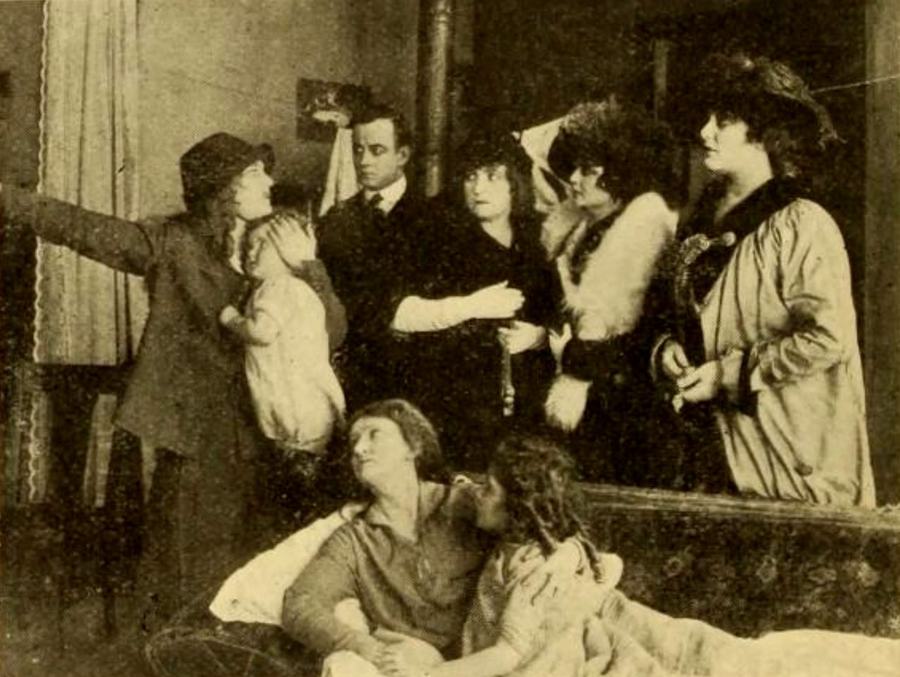
While Louise Lovely is the emotional anchor, the presence of Lon Chaney as Hooker provides an early glimpse into the transformative power of an actor who would soon become the 'Man of a Thousand Faces.' In 1916, Chaney was still honing his craft under the direction of De Grasse, often playing characters that inhabited the moral gray areas of the narrative. His role here adds a layer of grit to the proceedings, contrasting with the more conventional romantic lead played by Jay Belasco. Chaney’s ability to convey complex motivations through subtle physicality is already evident, providing a grounded reality to the film's more sentimental beats.
The antagonism provided by Gretchen Lederer as Velma is equally essential. Velma represents the predatory nature of social climbing, a stark contrast to Bobbie’s self-destructive altruism. In many ways, the conflict between Bobbie and Velma mirrors the class anxieties of the era—the struggle between those who must work for their bread and those who manipulate social hierarchies to maintain their status. This dynamic is reminiscent of the social friction found in The Two Orphans, where familial bonds are tested by the cruelty of an indifferent aristocracy.
The screenplay by Ida May Park is a significant element that demands scholarly attention. As one of the most prolific female filmmakers of the silent era, Park brought a nuanced understanding of female agency—or the lack thereof—to her scripts. Bobbie of the Ballet is not just a story about a girl who loses her boyfriend; it is a critique of a legal and social system that offers no safety net for the orphaned. The central conflict arises from the fact that Bobbie cannot simply be a sister; the law requires a 'proper' guardian, and in her youthful desperation, she assumes the only role she believes the world will respect, even if it comes with social exile.
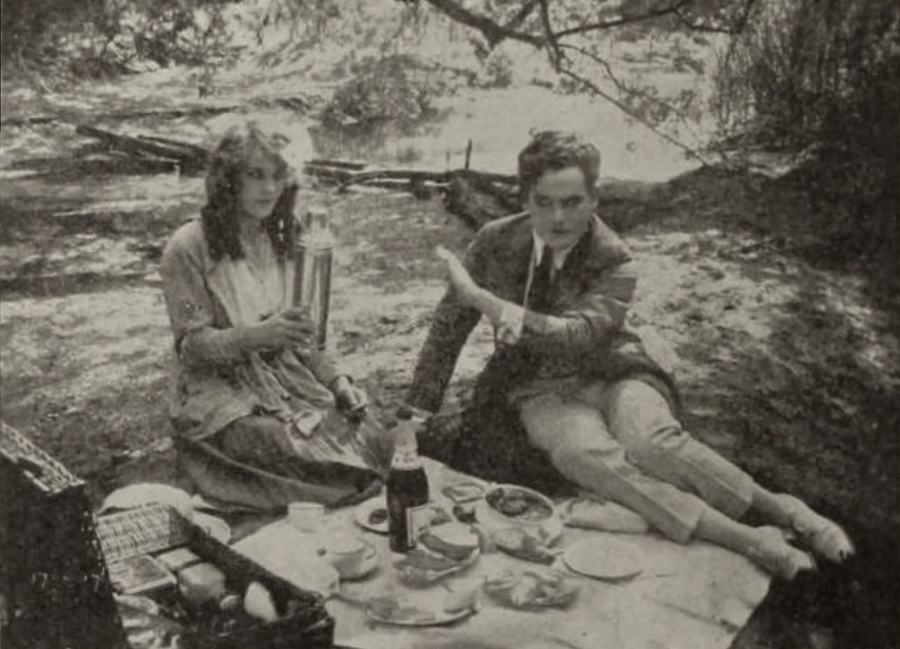
This thematic depth elevates the film above the standard fare of 1916, such as the more adventure-oriented The Ventures of Marguerite. Park’s writing ensures that Bobbie’s choices are framed as a logical response to an illogical world. The ballet itself serves as a metaphor for this struggle: a performance of effortless beauty that masks the physical pain and grueling labor of the dancer. When Bobbie is on stage, she is the ideal of femininity; when she is at home, she is a proletarian warrior, a duality that Park explores with remarkable sensitivity.
Visually, the film benefits from the collaborative shorthand developed between De Grasse and his frequent cast. The set design of the Brent household is cluttered and claustrophobic, utilizing small windows and heavy shadows to emphasize the weight of Bobbie's secret. In contrast, the theater scenes are expansive, using the depth of the stage to create a sense of aspiration. These visual cues guide the audience through Bobbie’s psychological journey more effectively than the intertitles ever could. This level of visual sophistication was becoming more common in the mid-teens, as seen in the evocative staging of Hearts and Flowers.
The film also makes excellent use of location shooting, a hallmark of Universal's early productions. The glimpses of the city outside the theater provide a texture of realism that anchors the melodrama. We see the bustling streets and the indifferent crowds, reinforcing the idea that Bobbie is alone in her struggle. This realism was a key component of the 'Bluebird' style, aiming to move away from the stagey artifice of earlier films like The Life of Richard Wagner.
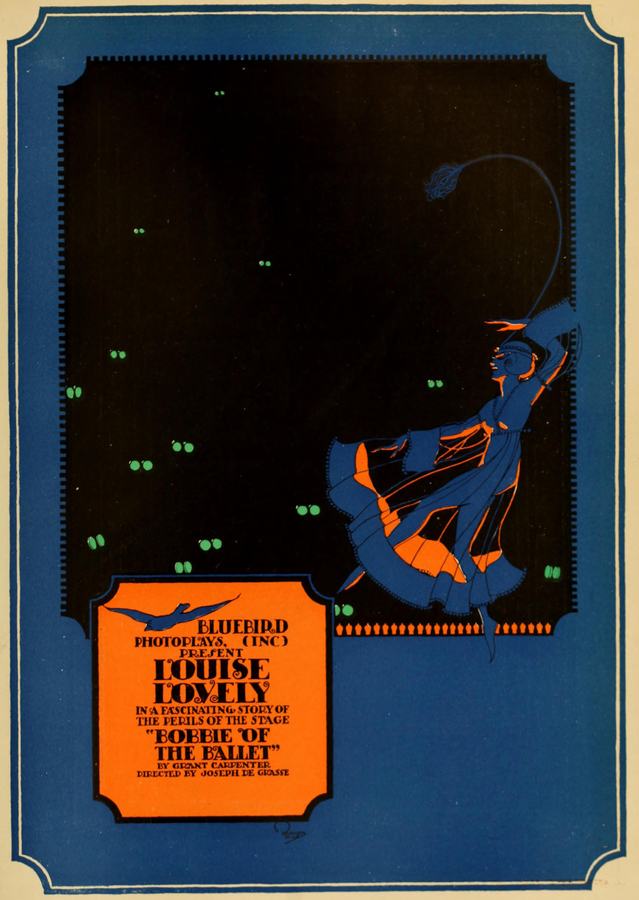
At its core, Bobbie of the Ballet is a biting critique of the 'reputation economy' of the early 20th century. Jack Stinson’s abandonment of Bobbie is the film’s most frustrating moment for a modern audience, yet it is entirely consistent with the period's obsession with lineage and purity. Stinson does not break up with her because he stops loving her, but because her 'deception' threatens his own social standing. This exploration of the fragility of male ego and the rigidity of social norms is surprisingly modern, echoing the themes of class and honor found in Nobleza gaucha.
Velma’s scheme is the catalyst that brings these tensions to a head. By exposing Bobbie’s 'shame,' she hopes to excise her from the social circle entirely. The film brilliantly portrays how easily a woman’s life could be dismantled by a single rumor or a perceived moral failing. It highlights the precariousness of Bobbie’s existence—one day a celebrated dancer, the next a social pariah. This theme of the 'fall from grace' is a recurring motif in silent cinema, but rarely is it handled with the specific maternal pathos found here.
In the final act, the film moves toward a resolution that, while satisfying the generic requirements of the era, does not entirely erase the trauma Bobbie has endured. The reconciliation with Stinson is earned through the revelation of the truth, but the scars of the ordeal remain visible in Lovely’s performance. The film concludes not with a simple 'happily ever after,' but with a sense of exhausted relief. It is a conclusion that respects the gravity of the themes it has explored.
Comparing Bobbie of the Ballet to other contemporary works like The Pool of Flame or Captain Alvarez, one sees a clear distinction in intent. While those films sought to thrill through action and exoticism, De Grasse and Park sought to move the audience through empathy and social observation. Even when compared to the grand historical scale of The Colosseum in Films, the intimate stakes of Bobbie’s apartment feel equally monumental because they are so deeply human.
Bobbie of the Ballet is a vital piece of cinematic history that deserves a modern audience. It showcases the immense talent of Louise Lovely, the burgeoning genius of Lon Chaney, and the sophisticated storytelling of Ida May Park. It is a film that speaks to the enduring power of familial love and the devastating impact of social hypocrisy. In an era where we often look back at silent films as primitive, this work stands as a reminder that the complexities of the human heart have always been the primary focus of great cinema. Whether you are a scholar of the silent era or a casual fan of classic melodrama, this film offers a rich, rewarding experience that resonates long after the final frame has faded to black.
For those interested in the broader context of 1916 cinema, exploring titles like Caloola, or The Adventures of a Jackeroo or the haunting A Venetian Night provides a sense of the global diversity of the medium at the time. However, few films manage to balance the intimate and the social as effectively as Bobbie’s story. It remains a poignant, exquisitely crafted drama that highlights the strength found in the most fragile of places.
IMDb 7.1
1921
Community
Log in to comment.