DbcultAccessing Vault...
Cult Review
Senior Film Conservator
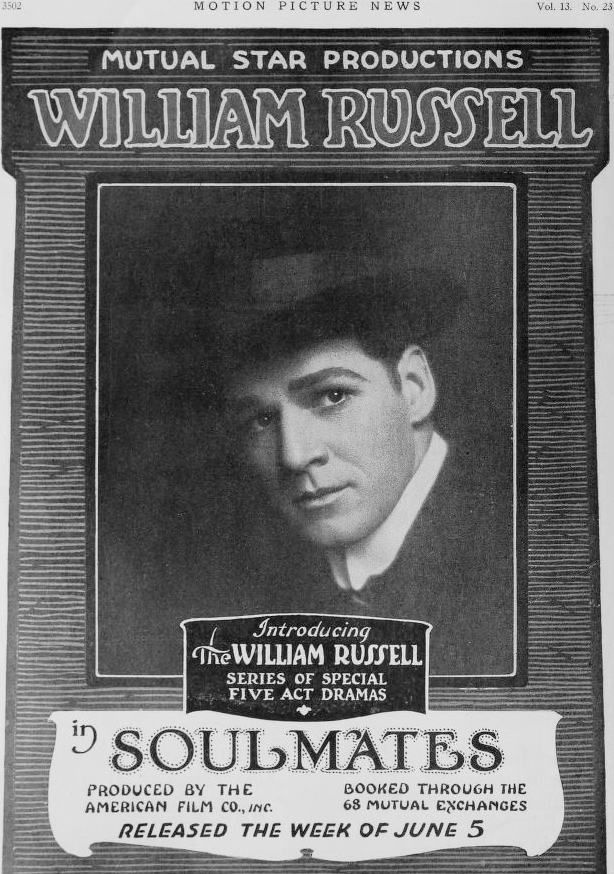
Ah, the silent era! A time when emotions were writ large across faces, when a single glance could convey volumes, and when melodrama reigned supreme. And among the myriad tales spun in those nascent years of cinema, Soul Mates (1916) emerges as a fascinating, if morally complex, artifact. It’s a film that plunges headfirst into the tumultuous waters of human infidelity, the corrosive nature of revenge, and the thorny path to an improbable redemption. A true product of its time, it’s a narrative that, despite its age, still manages to snag a modern viewer with its raw, almost primal, exploration of betrayal and its devastating aftermath. Directed by an uncredited hand, but penned by the capable duo of J. Edward Hungerford and Edward Kaufman, this feature is less about subtlety and more about the grand, sweeping gestures of fate and human failing. It's a journey into the heart of a man pushed to the brink, whose actions unleash a cascade of tragedies, only to find an unexpected, almost bewildering, chance at a new beginning.
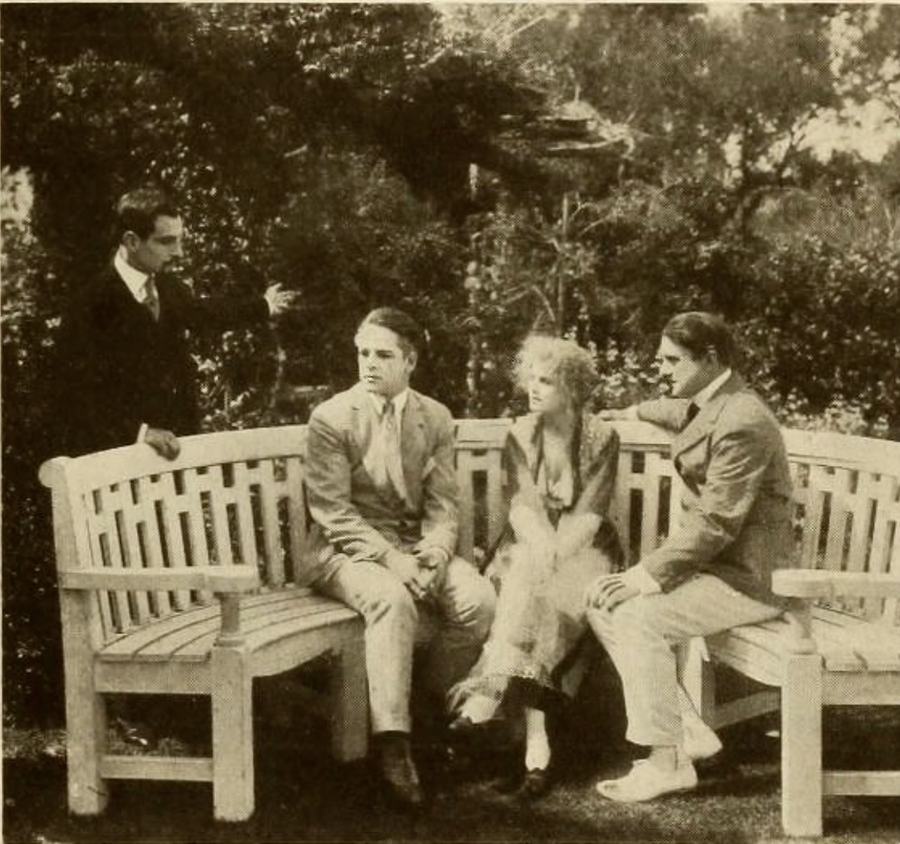
Our story unfurls around Lowell Sherman, a man seemingly blessed with an enviable life – a thriving business, social standing, and, crucially, a marriage he perceives as nothing short of perfect. This initial portrayal of Lowell, brought to life with a quiet intensity by William Russell, is crucial. He represents the unsuspecting everyman, the foundation upon which the ensuing chaos will be built. His contentment is palpable, almost smug, and herein lies the dramatic irony. For, beneath this veneer of domestic tranquility, a serpent lurks. His wife, Alice, portrayed by Leona Hutton with a compelling blend of vulnerability and recklessness, has allowed her affections to stray. Her clandestine entanglement is not with a stranger, but with Cyril Carr, Lowell’s closest friend and confidante, a man also bound by his own marital vows. This choice of antagonist, or rather, parallel victim, amplifies the sting of betrayal. It’s not just a breach of marital fidelity, but a profound violation of trust between men, a double-edged sword that cuts through the very fabric of Lowell’s social and personal world. The film, through its expertly crafted intertitles and the nuanced performances of its cast, meticulously builds this tension, allowing the audience to feel the slow, agonizing creep of suspicion before the inevitable, explosive revelation.
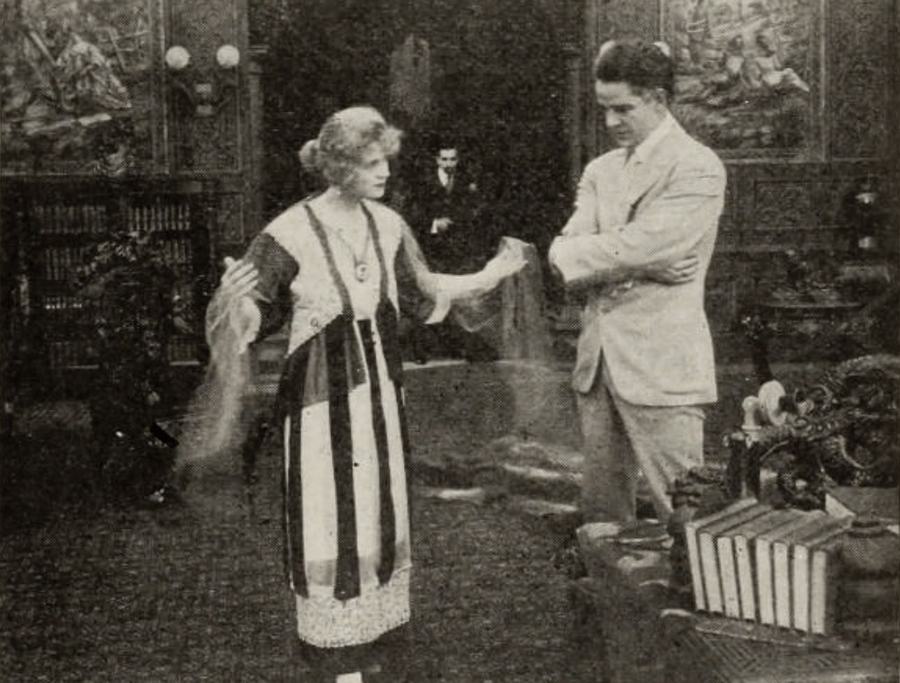
When the truth finally shatters Lowell’s carefully constructed reality, his reaction is not one of immediate, fiery rage, but something far more chilling: a methodical, almost surgical, desire for retribution. This is where Soul Mates truly delves into the darker recesses of the human psyche. Lowell’s vengeance is not physical; it is economic, a weapon wielded with devastating precision. He systematically orchestrates Cyril Carr’s financial downfall, leveraging his own business acumen and influence to dismantle his former friend’s empire piece by agonizing piece. This calculated destruction is perhaps more brutal than any physical confrontation, as it strips Cyril of his livelihood, his dignity, and ultimately, his will to live. John Gough’s portrayal of Cyril, initially confident and then increasingly desperate, is particularly poignant here, charting a tragic trajectory from illicit lover to ruined man. The film spares no punches in depicting the grim consequences of Lowell’s actions; Cyril, facing utter bankruptcy and public disgrace, succumbs to the ultimate despair, taking his own life. This moment is a stark, shocking pivot, transforming Lowell from the wronged husband into an architect of death, albeit indirectly. The moral landscape of the film shifts dramatically, forcing the audience to grapple with the profound ethical implications of Lowell’s actions. Is his revenge justified? Or has he, in seeking justice, become a monster himself? The narrative, much like the intricate moral dilemmas presented in films like Bridges Burned, suggests that some lines, once crossed, leave indelible scars, not just on the victim, but on the perpetrator as well.
Cyril’s suicide sends ripples of destruction far beyond his immediate family. Alice, confronted with the full, horrifying reality of Lowell’s vengeful machinations and his complicity in her lover’s demise, cannot reconcile herself with the man she married. Her departure, while perhaps predictable, is nonetheless impactful, leaving Lowell utterly alone in the wreckage of his shattered life. It is at this juncture that the film introduces its most complex and arguably controversial element: Lowell’s journey towards an improbable redemption. A profound, belated surge of guilt begins to gnaw at him. This isn’t a sudden, miraculous conversion, but a slow, dawning realization of the catastrophic extent of his actions. This guilt compels him towards an unforeseen trajectory of atonement: he begins to support Cyril’s orphaned son, Tommy. These frequent visits to the boy’s home, initially perhaps a means to assuage his conscience, gradually evolve into something deeper. Through these tender interactions, an unexpected emotional bond blossoms between Lowell and Cyril’s grieving widow, Muriel, portrayed with quiet strength by Charlotte Burton. The irony is palpable, almost audacious: the man who destroyed her husband’s life now finds himself drawn to her, and she, unknowingly, to him. The film culminates in a remarriage that swiftly follows the annulment of his fractured first union, forging a new, complex destiny from the ashes of betrayal and despair. This narrative choice, while perhaps straining credulity for a modern audience, speaks volumes about the melodramatic conventions of early cinema, where moral ambiguity often paved the way for a hopeful, if complicated, resolution.
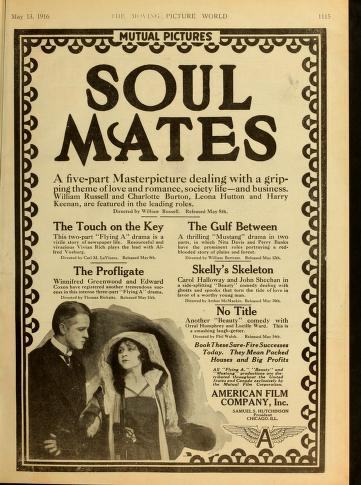
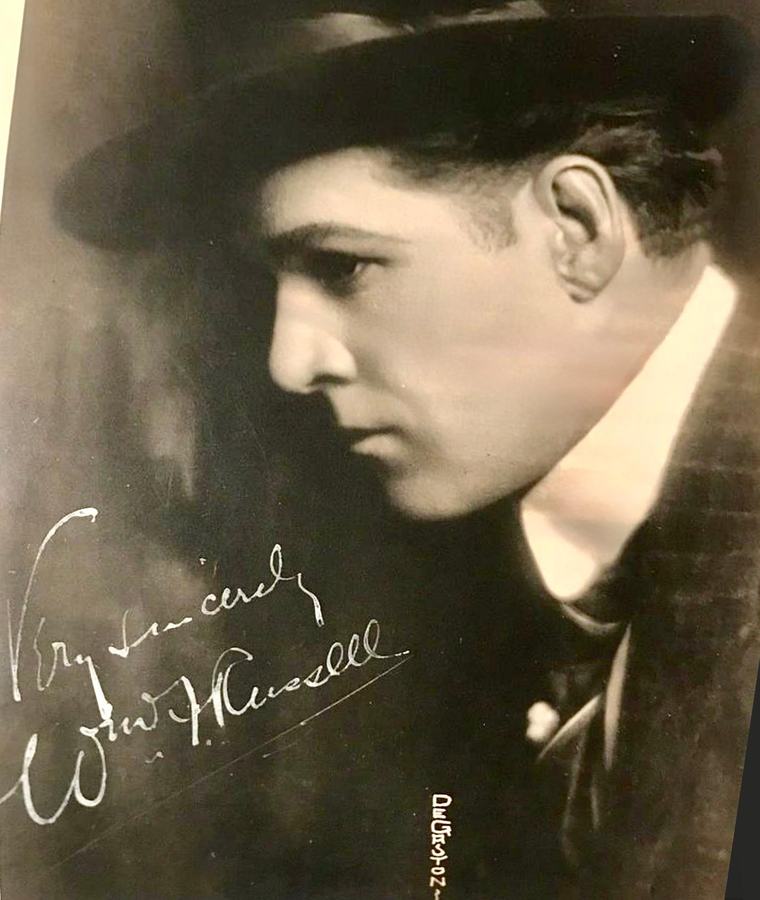
The performances in Soul Mates are, as one might expect from the era, characterized by a heightened theatricality that was necessary to convey emotion without spoken dialogue. William Russell, as Lowell Sherman, carries the weight of the film on his shoulders. His transformation from the oblivious husband to the vengeful schemer, and then to the guilt-ridden benefactor, is a testament to his ability to articulate complex psychological states through gesture, posture, and facial expression. The subtle shifts in his eyes, the set of his jaw, all contribute to a portrayal that, while perhaps exaggerated by today’s standards, was deeply effective in its time. Leona Hutton, as Alice, embodies the conflicted wife with a captivating fragility. Her initial flirtations with Cyril, her subsequent guilt, and her ultimate rejection of Lowell are conveyed with a raw emotionality that makes her a compelling, if flawed, character. Charlotte Burton’s Muriel provides a much-needed anchor of grace and resilience amidst the chaos. Her quiet dignity and eventual acceptance of Lowell, despite the dark shadow of his past, is central to the film’s redemptive arc. Even minor characters, like Dodo Newton and Robert Klein, contribute to the tapestry, adding texture to the domestic and social spheres. The uncredited director, working with the screenplay by J. Edward Hungerford and Edward Kaufman, demonstrates a keen understanding of pacing for a silent film, allowing key moments to breathe, building suspense, and delivering emotional payoffs through carefully constructed scenes and impactful intertitles. The visual storytelling, relying heavily on close-ups and dramatic compositions, ensures that the audience is always connected to the characters' inner lives, even in the absence of spoken words. This reliance on visual cues and expressive acting, a hallmark of the period, is perhaps best appreciated when compared to other contemporary works such as Carmen (1915), where the power of visual narrative similarly drives the emotional core.
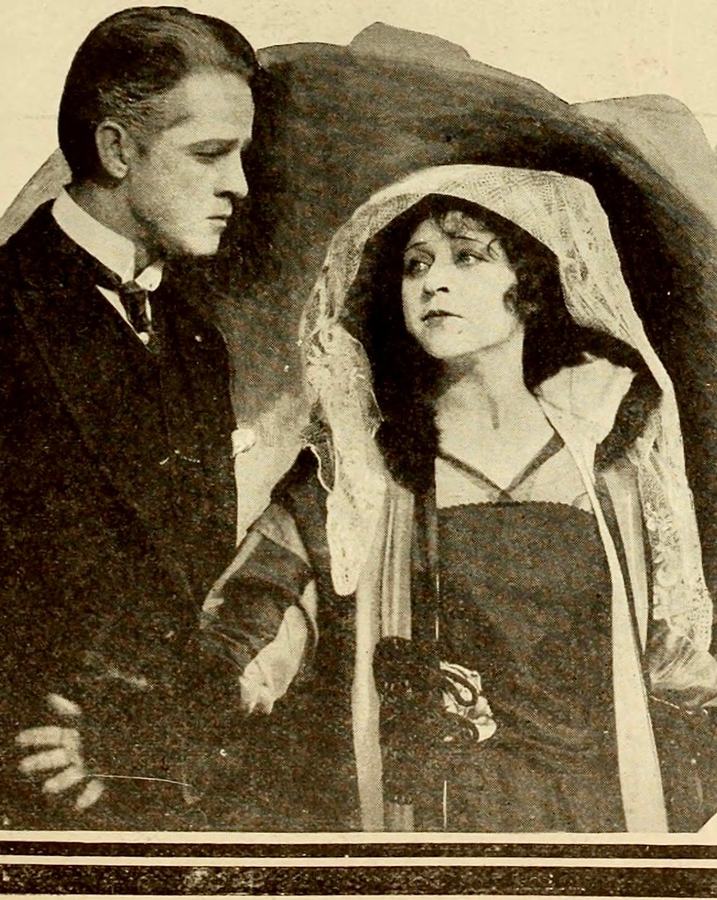
Beyond the compelling plot, Soul Mates offers a rich tapestry of themes relevant to early 20th-century American society. The film unflinchingly tackles infidelity, a taboo subject often sensationalized but rarely explored with such a focus on the chain reaction of consequences. Lowell’s status as a successful businessman underscores the societal expectations of the era; his public image and financial standing are inextricably linked to his personal honor. His choice of financial ruin as a weapon of revenge is not accidental; it targets Cyril’s very essence as a man in a capitalist society. The film also delves into the complex concept of forgiveness and the possibility of a second chance. Lowell’s redemption arc is not without its moral ambiguities. Can a man truly be forgiven for driving another to suicide, even if he didn't directly pull the trigger? Muriel’s eventual marriage to Lowell is a profound statement on overcoming trauma and finding solace in unexpected places, though it also raises questions about her knowledge of Lowell’s past and the nature of true atonement. This narrative thread resonates with the broader societal conversations of the time regarding marital sanctity, moral rectitude, and the limits of personal responsibility. It’s a fascinating contrast to the more straightforward morality plays of the era, offering a nuanced, albeit melodramatic, exploration of human fallibility. The film’s exploration of these weighty themes, while perhaps presented through the lens of early cinematic conventions, still manages to provoke thought, inviting viewers to ponder the enduring questions of justice, mercy, and the human capacity for change. It's a testament to the power of stories that transcend their immediate cultural context.
While perhaps not as widely remembered as some of its more celebrated contemporaries, Soul Mates holds its own as a significant piece of early American cinema. It showcases the burgeoning sophistication of narrative filmmaking during the silent era, demonstrating how complex emotional arcs and intricate plotlines could be conveyed without the benefit of synchronized sound. The film’s strength lies in its bold thematic choices and its willingness to explore the messy, often uncomfortable, aspects of human relationships. It’s a valuable historical document, offering a glimpse into the social mores and dramatic tastes of the time, while simultaneously delivering a story that, at its core, remains universally resonant. The performances, particularly from William Russell, are a masterclass in silent screen acting, demonstrating the profound communicative power of non-verbal expression. The film’s ability to elicit strong emotional responses, from sympathy to outrage to a cautious hope, speaks to its enduring impact. It serves as a potent reminder that the foundational elements of compelling storytelling—character, conflict, and resolution—were being honed and perfected even in the nascent days of the silver screen. Much like other forgotten treasures such as The Beloved Adventurer, it deserves a re-evaluation for its contribution to cinematic history and its surprisingly potent narrative.
In conclusion, Soul Mates is more than just a historical curiosity; it’s a compelling drama that deftly navigates the treacherous terrain of human emotions. It challenges its audience to consider the ripple effects of betrayal and revenge, and to ponder the possibility of finding solace and a new beginning amidst the ruins of past mistakes. It’s a film that, despite its silent nature, speaks volumes about the enduring complexities of the human heart. If you have an appreciation for the rich history of cinema and a taste for powerful melodrama, seeking out Soul Mates would be a rewarding endeavor. It’s a testament to the fact that even a century ago, filmmakers were crafting narratives that resonated deeply, exploring the very essence of what it means to be human, with all its flaws, passions, and unlikely paths to redemption.

IMDb 7.1
1930
Community
Log in to comment.