Summary
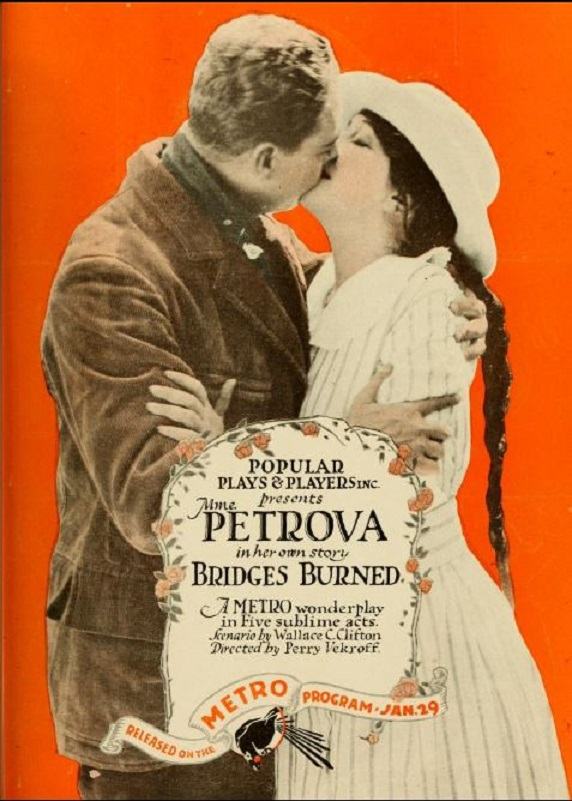
In a narrative steeped in the rigid societal constructs of early 20th-century Ireland, 'Bridges Burned' unfurls the tumultuous saga of Mary O'Brien, a woman of refined lineage yet dwindling means, whose serendipitous encounter with Ernest Randal, a scion of English aristocracy, ignites a clandestine romance. Their initial connection, forged amidst a hunting mishap that leaves Randal wounded and dependent on Mary's compassionate care, swiftly deepens into an impassioned, if ill-fated, love. The film masterfully navigates the ensuing emotional maelstrom: Randal's hesitant commitment, Mary's agonizing decision to marry for the sake of their unborn child, and her immediate, defiant departure post-nuptials. From this crucible of personal sacrifice, Mary emerges as a formidable figure, transforming herself into a beacon of social reform within the industrial landscape, rejecting the advances of her benevolent employer, O'Farrell, to safeguard her son's legitimacy. Randal's own arduous journey from dilettante to decorated war hero, spurred by Mary's unyielding demand for his respect, culminates in a poignant reconciliation. Through trials of war, perceived loss, and the revelation of an unexpected inheritance, their intertwined destinies ultimately converge, cementing a hard-won union founded on mutual admiration and profound, enduring affection, symbolized by the reclamation of her ancestral home.
Synopsis
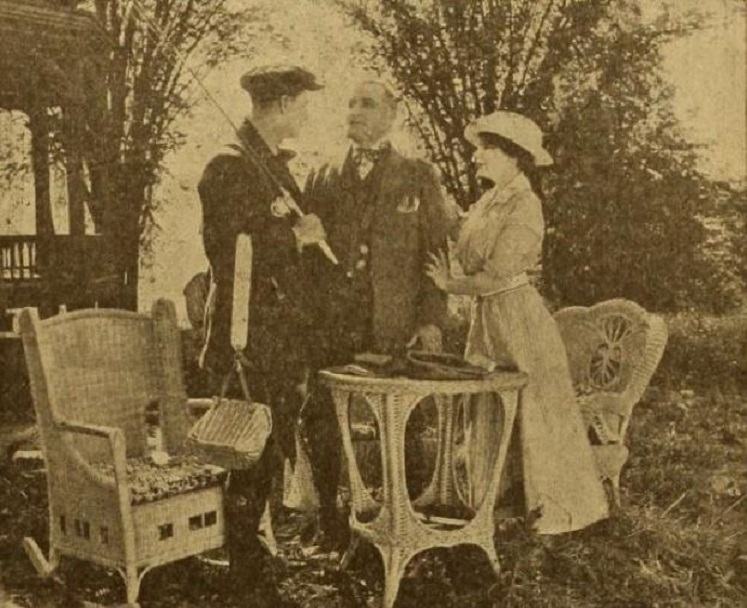
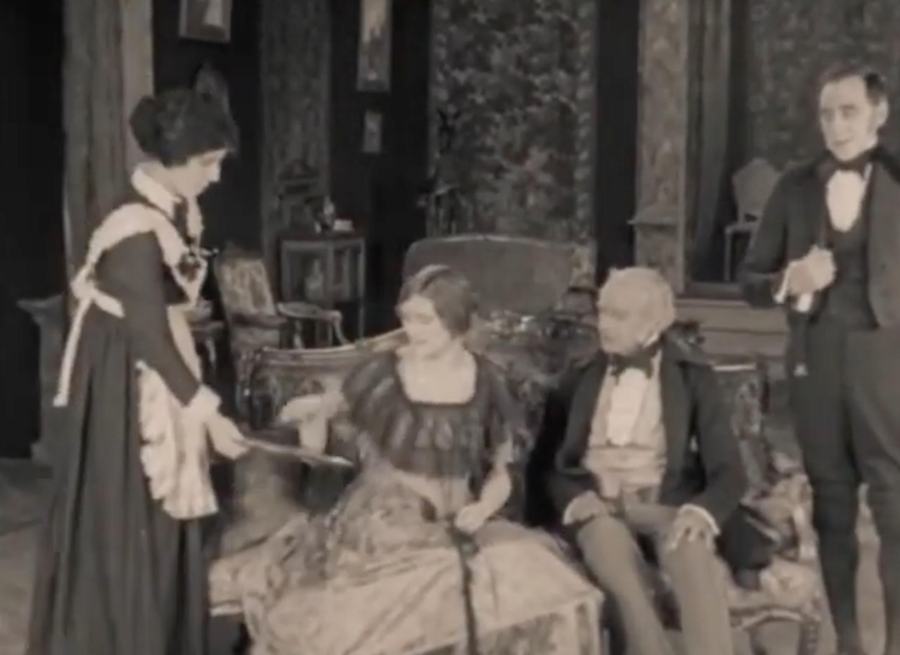
Mary O'Brien, daughter of an Irish gentleman of declining fortunes, while fishing, meets Ernest Randal, who is trespassing on her father's land. Randal is the son of an English baronet and his conversation so charms Mary that she invites him to dinner. The next day, while out hunting deer with her father, a poacher mistakes Randal's peaked cap for a deer's antlers, and shoots him through the shoulder. Mary nurses Randal, who is taken to her home. They fall in love and Mary gives her heart to him without reserve, and it is with difficulty that he forces himself to leave to complete his course in surgery. Norah, the old family servant, suspects the truth. Mary confesses to her father, and with difficulty restrains him from taking her lover's life when he returns after completing his college course. At first, Randal says he cannot marry her at that time, and she defends him. However, overcome by her generosity, Randal asks her to marry him, and she finally consents on account of the injustice to the child, which her refusal would cause. She leaves, however, immediately after the marriage. After her boy is born, Mary obtains employment in a cotton mill, becomes prominent in welfare work among the employees, and forms an uplift club, which is cited all over Ireland as a model of its kind. Her employer, O'Farrell, also promotes her to a position of trust, and asks her to be his wife, but on account of her boy, she refuses to divorce her husband. Randal visits her and asks her to return to him, but she declines, reminding him of the fact that he has been wasting his life. Determined to win her respect, he enlists and goes to war. O'Farrell also enlists and leaves Mary in charge of the mill. At the front Randal saves O'Farrell from bleeding to death when his arm is torn off by a shell. Randal later is shot, and reported dead. O'Farrell returns to Mary with the news that Randal's brother has also been killed, and that her boy is the Earl of Randal; and Mary at last realizes what her husband means to her. A great joy comes when she learns that Randal is alive, although temporarily blinded, and she nurses him while he is recovering his sight. O'Farrell once more goes to the front, saying he has one good arm left and is needed on the field. Life now seems perfect for Marv, and her happiness is deepened when her husband gives her the deed to her old house, which had been sold to strangers when her father died and she begins with deep joy her new life as Lady Randal.
Review Excerpt
"
From the very first frame, 'Bridges Burned' plunges its audience into a world where societal expectations clash violently with individual desires, creating a narrative tapestry rich with emotional complexity and moral quandaries. This cinematic offering, a testament to the dramatic prowess of its era, doesn't merely tell a story; it unravels a profound journey of self-discovery, resilience, and the arduous path to earned happiness. It's a sweeping epic, yet intimately focused on the inner t..."