DbcultAccessing Vault...
Cult Review
Senior Film Conservator
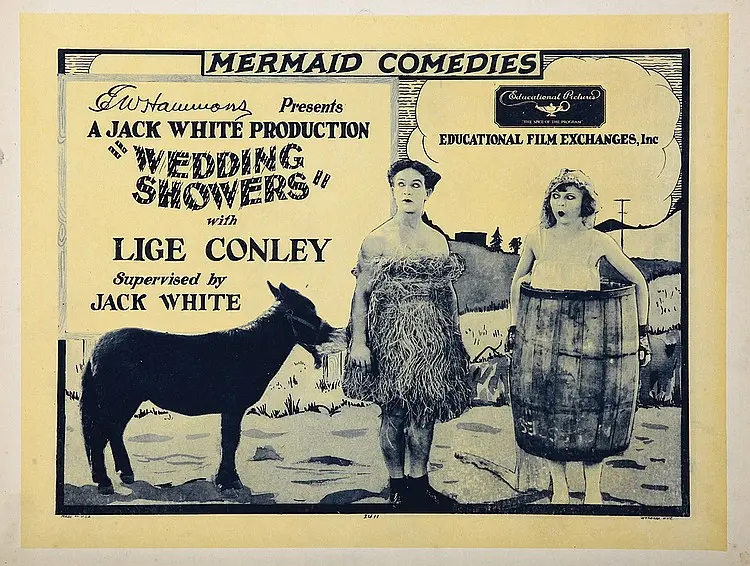
In the silent film era, Wedding Showers emerges as a nuanced exploration of matrimony, coercion, and personal agency. The narrative centers around a young man, played by Dick Sutherland, whose life trajectory is altered irrevocably by his father's persuasion to marry a woman, portrayed by Peggy O'Neil, with a considerable marital past.
The film's storyline, while seemingly straightforward, unravels with complexity as it delves into themes of familial duty, emotional conflict, and the quest for self. This thematic resonance is reminiscent of From Gutter to Footlights, where the struggle between personal aspirations and external pressures is similarly foregrounded.
The character dynamics in Wedding Showers are multifaceted, with the protagonist caught in a web of obligations to his family and his own desires. The paternal character, while persuasive and authoritative, is not merely a one-dimensional figure but a complex individual with motivations that add depth to the narrative. This complexity in characterization brings to mind the rich portrayals found in Oliver Twist, where the interplay between societal forces and individual volition is a critical thread.
The direction and cinematography of Wedding Showers are noteworthy, employing visual storytelling techniques that enhance the emotional impact of the narrative. The use of lighting, composition, and camera movement contributes to a viewing experience that is both engaging and thought-provoking. In comparison to The Fotygraft Gallery, which also utilizes visual elements to explore themes of identity and relationships, Wedding Showers demonstrates a keen eye for detail and a deep understanding of the medium's potential for storytelling.
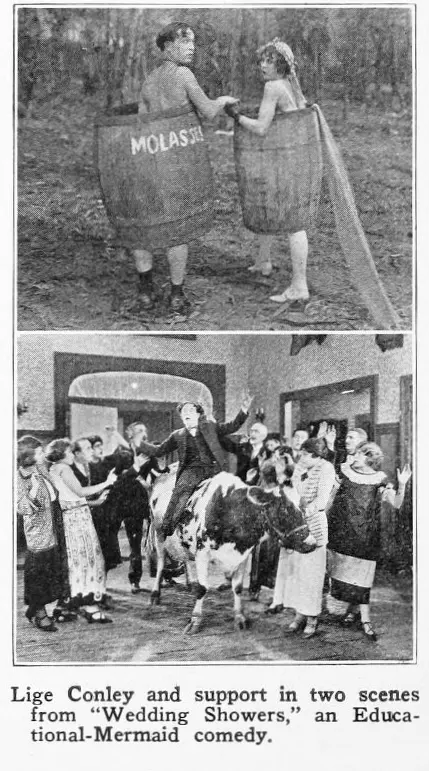
The performances of the cast, including Dick Sutherland, Peggy O'Neil, Mack Swain, and Lige Conley, add a layer of authenticity to the film's portrayal of its characters and their situations. Their portrayals bring a sense of realism to the narrative, making the themes and conflicts more relatable and impactful. This ability to convey complex emotions and relationships through performance is a skill shared by actors in films like Brigadier Gerard, where the characters' interactions are both entertaining and revealing of their inner lives.
One of the most striking aspects of Wedding Showers is its exploration of societal norms and expectations, particularly those surrounding marriage and relationships. The film critiques the pressures exerted by family and society on individuals, compelling them into unions that may not align with their personal desires or best interests. This theme is also present in Idolators, where the characters navigate the complexities of fame, love, and societal adoration.
The narrative structure of Wedding Showers, while linear, employs a range of dramatic techniques to maintain viewer engagement and empathy. The pacing of the film is well-balanced, moving smoothly from moments of tension and conflict to those of resolution and reflection. This balance is crucial in conveying the emotional depth of the story and ensuring that the audience remains invested in the characters' journeys.
In examining Wedding Showers, it becomes apparent that the film is more than a simple tale of marriage and coercion. It is a thought-provoking exploration of human relationships, personal identity, and the societal forces that shape our lives. Through its nuanced characterization, thematic depth, and visual storytelling, the film offers a compelling viewing experience that lingers with the audience long after the narrative concludes.
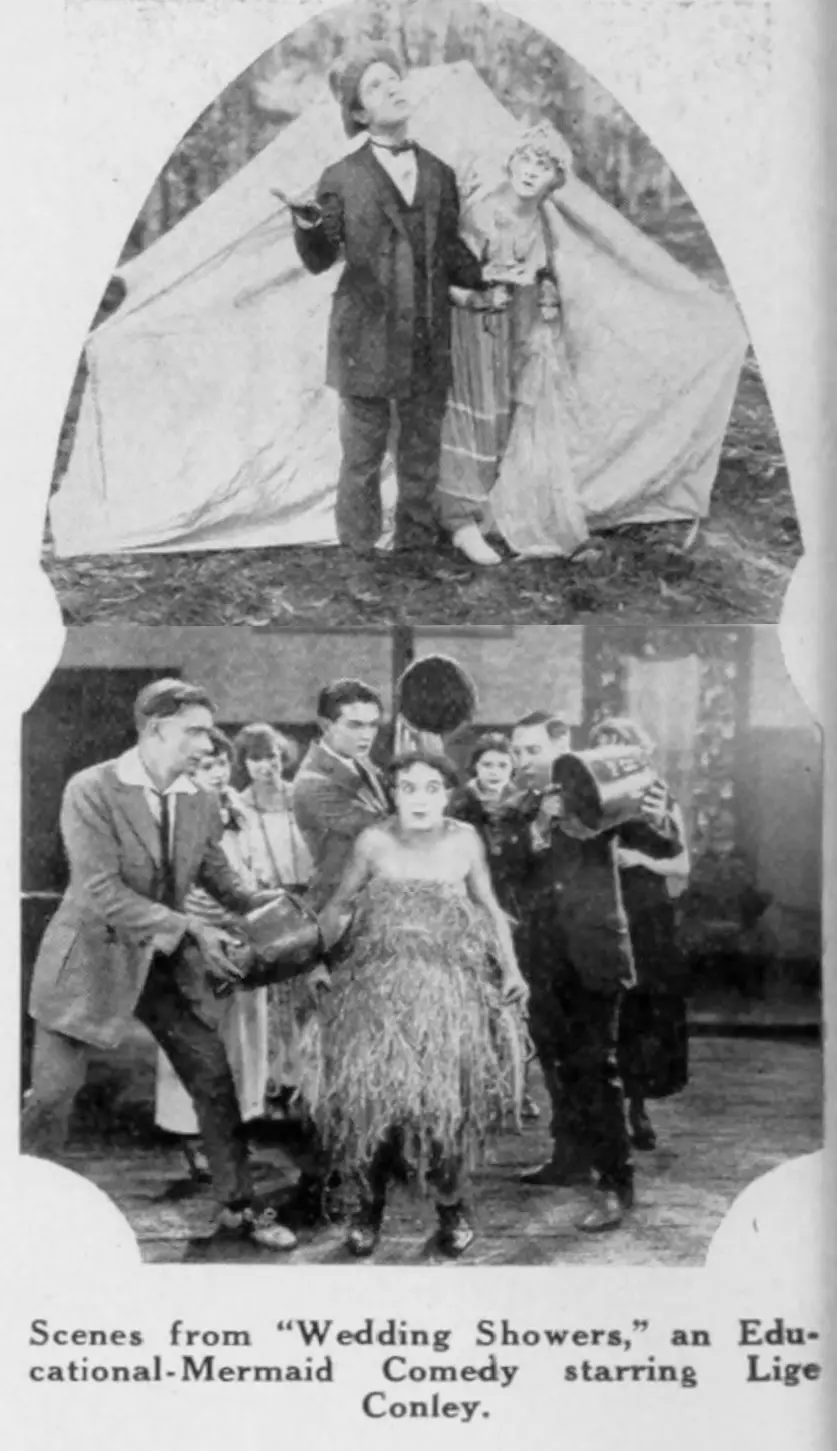
Furthermore, Wedding Showers can be seen as part of a broader cinematic tradition that explores the complexities of love, duty, and personal agency. Films such as The Girl I Loved and The Ouija Board also delve into themes of relationships and the challenges faced by individuals in navigating their personal and social worlds.
The film's historical context and production details also offer insights into its significance. Produced in the silent era, Wedding Showers reflects the artistic and cultural currents of its time, contributing to a rich cinematic heritage that continues to be studied and appreciated today.
In conclusion, Wedding Showers stands as a testament to the enduring power of cinema to explore complex themes, evoke deep emotions, and provide a mirror to the human condition. Its examination of familial obligation, personal desire, and societal expectation offers a rich and engaging viewing experience that is sure to resonate with audiences.
The legacy of Wedding Showers can be seen in its contribution to the broader discourse on relationships, identity, and the challenges of navigating personal and societal demands. As a film, it remains a significant work in the history of cinema, offering insights into the human experience that are as relevant today as they were at the time of its release.
Ultimately, Wedding Showers is a film that rewards close attention and reflection. Its themes, characters, and cinematic techniques all contribute to a narrative that is both engaging and thought-provoking, making it a valuable addition to the canon of classic cinema.

IMDb 5.7
1924
Community
Log in to comment.