DbcultAccessing Vault...
Cult Review
Senior Film Conservator
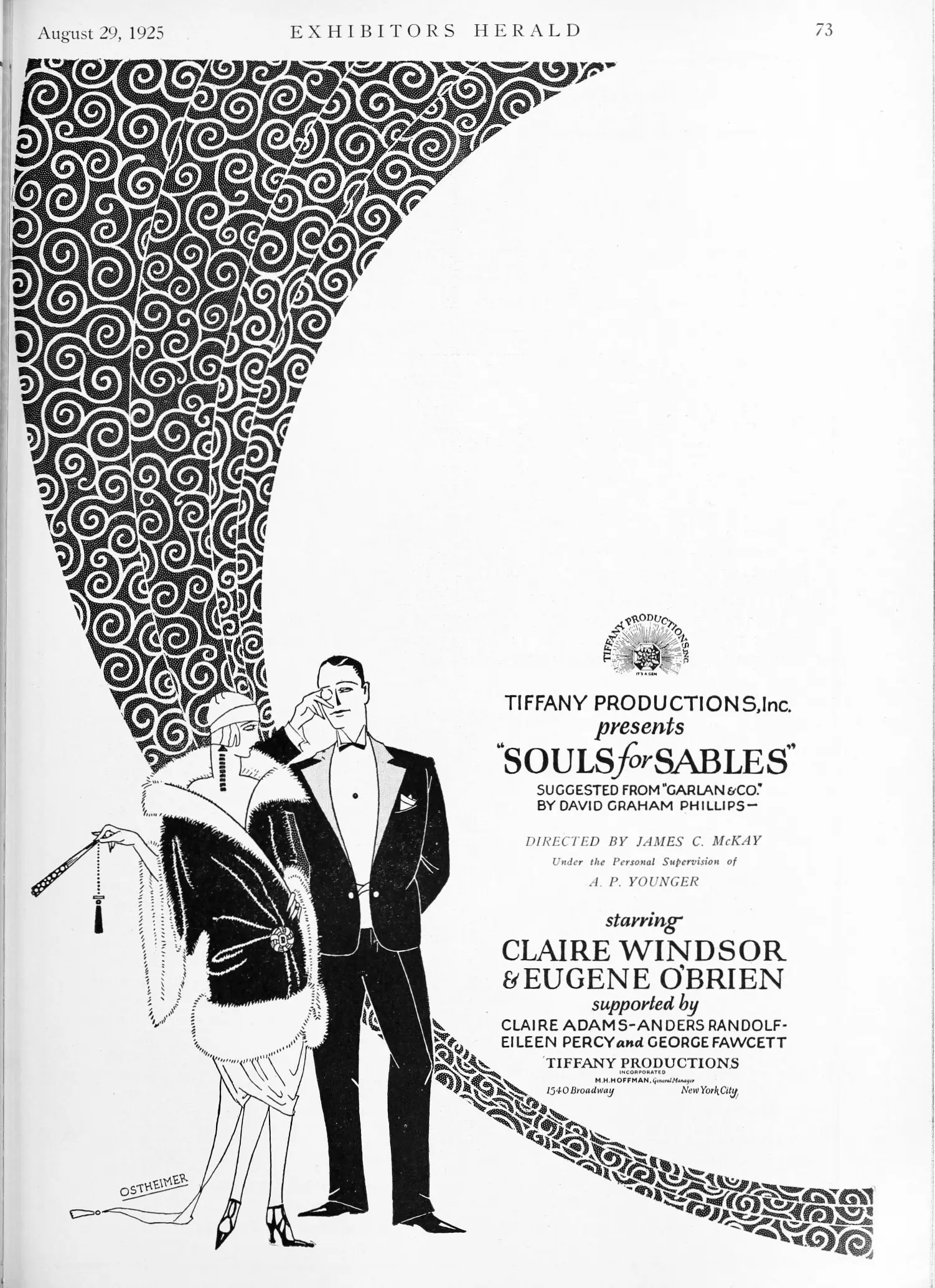
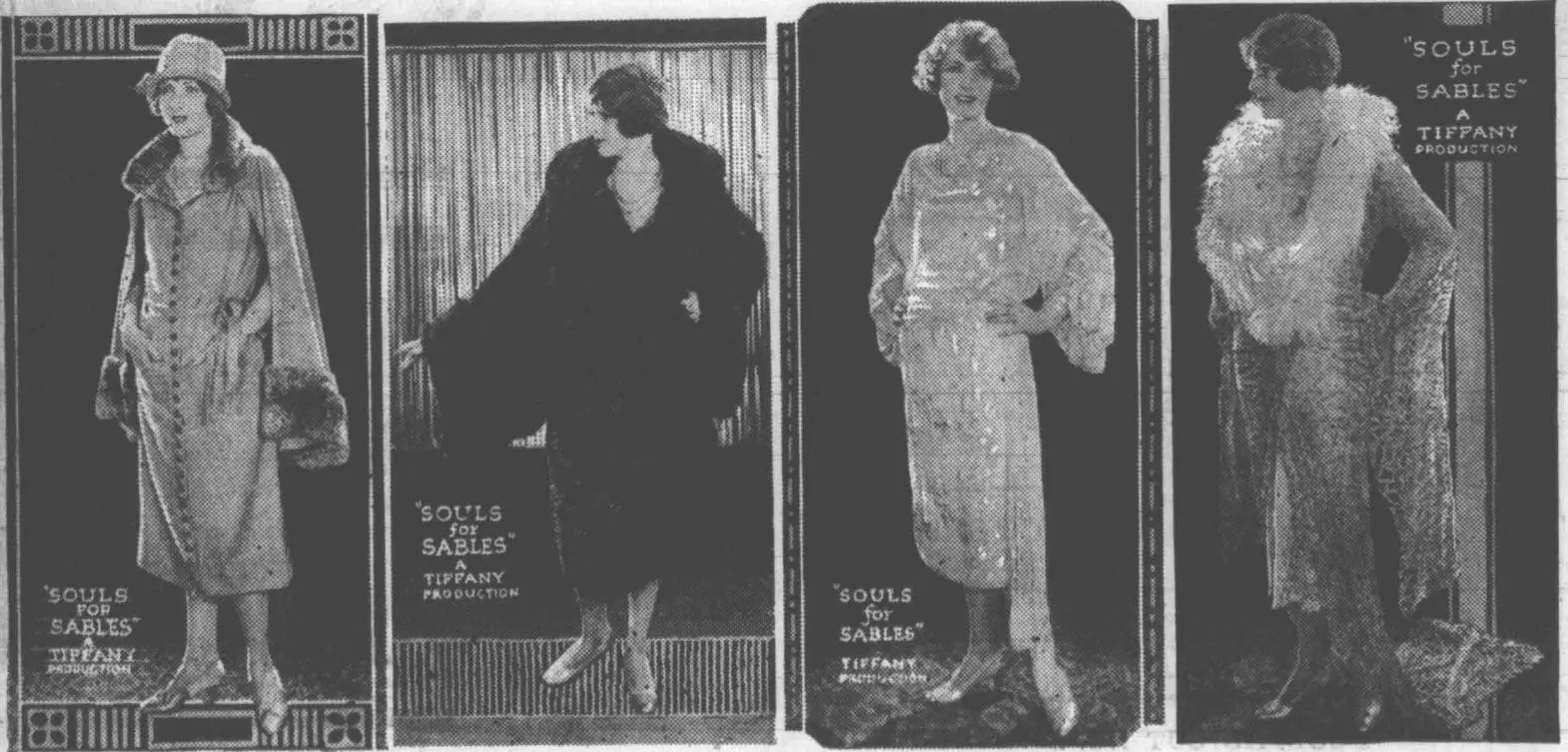
Souls for Sables is a film that clings to the viewer like the weight of a fur coat—oppressive, luxurious, and impossible to ignore. Directed with a chiaroscuro sensitivity to the moral quagmire of its protagonist, the film transcends its era’s typical melodramatic trappings to deliver a searing indictment of materialism and emotional bankruptcy. Claire Windsor’s performance is a revelation, her character a cipher through which the film interrogates the seductive pull of the superficial and the corrosive consequences of unchecked desire.
The narrative hinges on a simple yet potent premise: a woman, abandoned by her husband and adrift in a hollow marriage, finds solace—and a twisted form of identity—in the acquisition of sable furs. These pelts, rendered in sumptuous close-ups that emphasize their silken texture and shadowy depth, become both her armor and her undoing. The script, a collaborative effort by Philbin Stoneman, Andrew Percival Younger, and David Graham Phillips, weaves a labyrinth of social critique, where the glint of a fur collar masks the decay of the soul beneath.
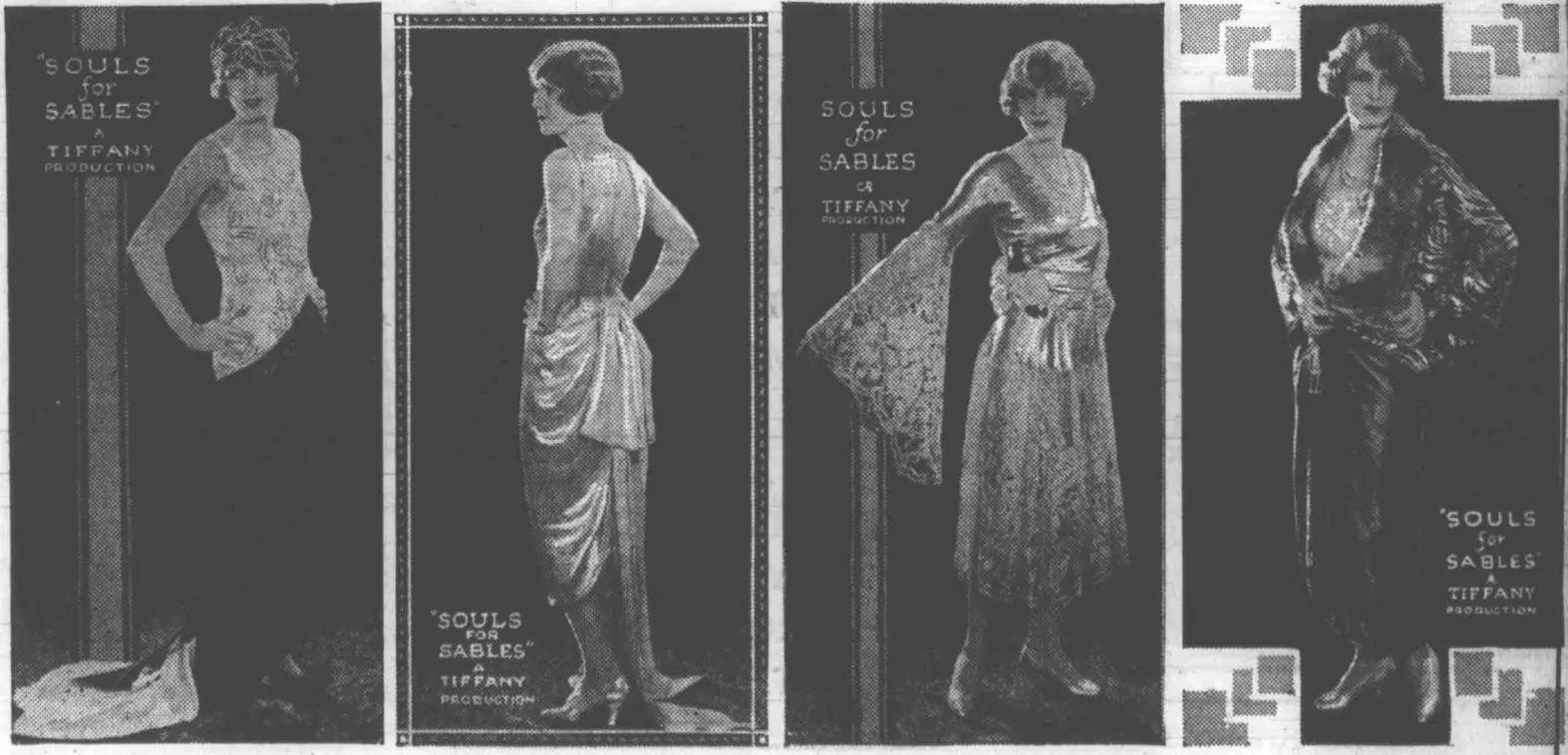
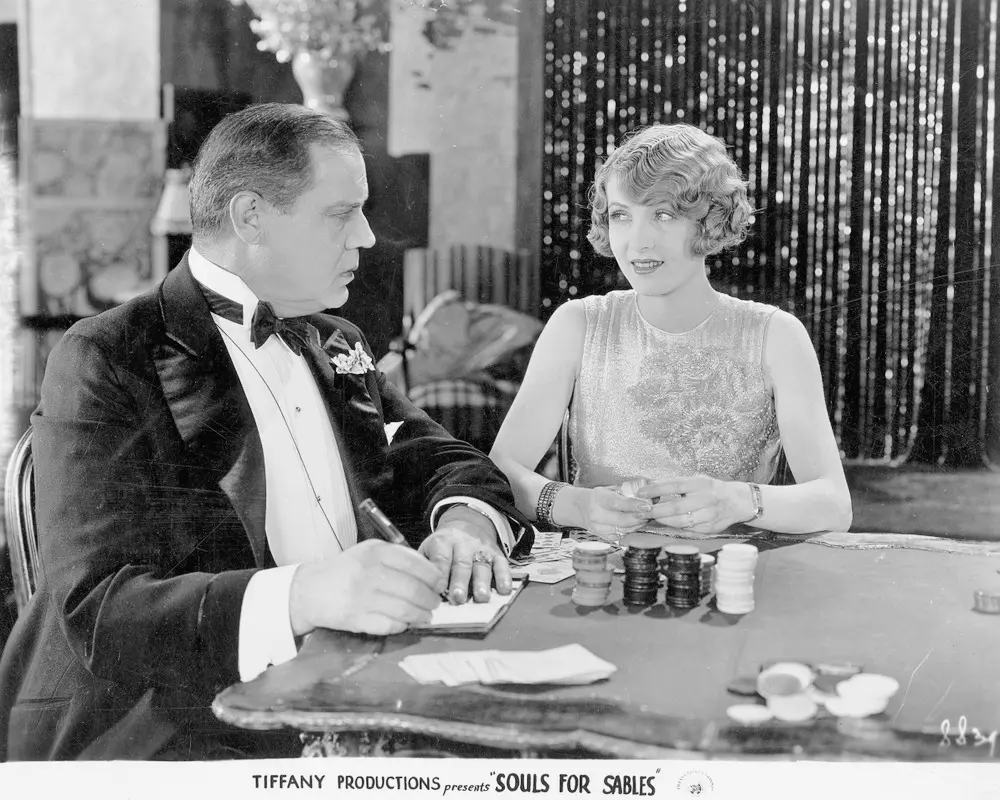
What elevates Souls for Sables beyond mere potboiler is its meticulous attention to the psychological architecture of its characters. Claire Windsor’s protagonist is neither victim nor villain, but a complex figure navigating the treacherous terrain of post-WWI disillusionment. Her alliances with dubious figures—played with a sinister charm by Robert Ober and a leering menace by Anders Randolf—are less about financial necessity than about a desperate need for validation. The film’s dialogue crackles with subtext, each exchange a minefield of half-truths and veiled threats that mirror the protagonist’s internal chaos.
The cinematography, bathed in the amber glow of period-specific lighting, mirrors the protagonist’s moral descent. Early scenes, shot in the soft light of her sunlit home, gradually give way to shadow-laden interiors where the sable furs seem to emit their own malevolent energy. The camera lingers on details—a fur’s sheen, a character’s trembling hand—that amplify the tension between surface and substance. This visual language is inextricably linked to the film’s thematic core: the illusion of control is as fragile as the furs themselves.
Comparisons to other films of the era are inevitable. Like An Alaskan Honeymoon, Souls for Sables uses remote settings to heighten the sense of isolation. However, while the Alaskan film leans into romantic adventure, Souls for Sables is a gothic meditation on the rot that festers in the absence of authentic connection. Similarly, A Woman of Pleasure explores moral ambiguity, but its protagonist’s agency is more overt; here, the woman’s choices are both a flight from and a flight toward destruction, a duality that keeps the viewer in a state of uneasy suspense.
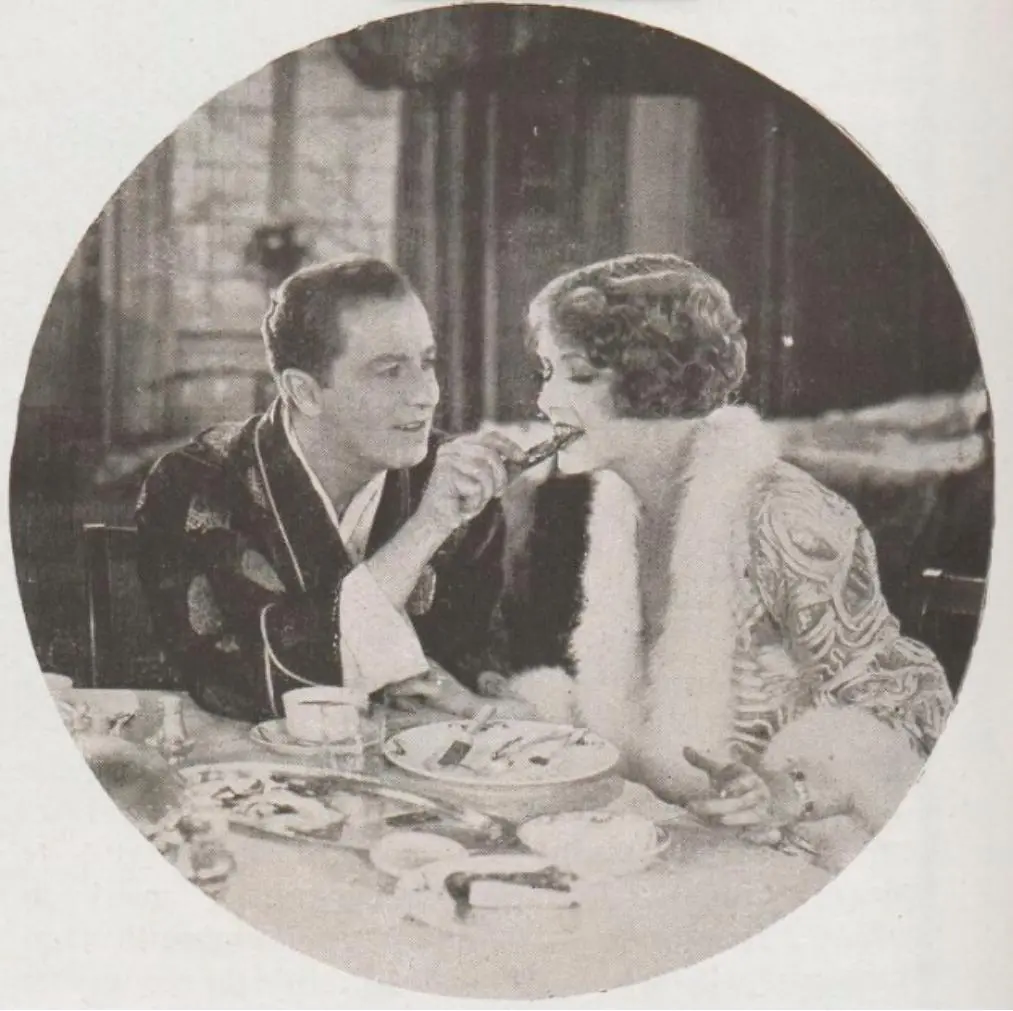
The supporting cast, though largely secondary, adds texture to the film’s moral landscape. Claire Adams and Miki Morita, as the protagonist’s confidantes, embody the duality of support and complicity, their characters oscillating between genuine concern and sycophantic admiration. Edith Yorke’s role as the morally upright yet ultimately impotent socialite is a poignant counterpoint to the protagonist’s descent, highlighting the film’s critique of societal hypocrisy. Even the men in the protagonist’s orbit—Robert Ober’s suave manipulator and Anders Randolf’s brutish enforcer—are not mere archetypes but facets of a system that rewards predation under the guise of sophistication.
The film’s pacing is deliberate, almost glacial at times, which serves to mirror the protagonist’s increasing paralysis. Scenes of her meticulously arranging furs in her boudoir or negotiating with black-market suppliers are intercut with flashbacks to her happier, albeit hollow, past. This juxtaposition underscores the tragedy: her pursuit of material beauty has not only cost her relationships but also her sense of self. The script avoids the clichés of redemption or catharsis, instead opting for an ambiguous denouement where the protagonist’s fate remains shrouded in the same shadows that have consumed her.
Technically, the film is a triumph. The sound design, though rudimentary by modern standards, is effective in creating an atmosphere of taut tension. The use of diegetic sounds—whispers of fabric, the rustle of paper—amplifies the sense of eavesdropping on a private tragedy. The score, a haunting blend of strings and piano, swells at key moments to punctuate the protagonist’s internal turmoil. These elements coalesce into a sensory experience that is as immersive as it is unsettling.
Souls for Sables is not without its flaws. The secondary characters occasionally veer into caricature, their motivations sketchily defined. The film’s commitment to its protagonist’s perspective means that the broader social commentary is sometimes obscured, a trade-off for narrative focus. Nevertheless, these quibbles are minor in the face of the film’s emotional and thematic depth.
In the pantheon of 1930s cinema, Souls for Sables stands as a testament to the power of melodrama as a vehicle for social critique. It is a film that demands to be revisited, its layers of meaning peeling away with each viewing. For modern audiences, it offers a chillingly prescient reflection on the dangers of conflating identity with consumption, a theme as urgent today as it was nearly a century ago.
For those seeking similar narratives, The Crime of the Camora and The Grim Comedian offer compelling parallels in their exploration of moral corruption, though neither matches the visceral intensity of Souls for Sables. To fully appreciate its nuances, one must surrender to its shadowy allure, to let the furs wrap around one’s senses and the protagonist’s descent become one’s own.
IMDb —
1917
Community
Log in to comment.