DbcultAccessing Vault...
Cult Review
Senior Film Conservator
In the sprawling panorama of early 20th-century cinema, where narratives often swung wildly between the melodramatic and the overtly heroic, Langdon's Legacy emerges as a particularly intriguing specimen. This 1916 silent film, a product of Meredith M. Nicholson's imagination, thrusts its protagonist, Jack Langdon, into a maelstrom of international corporate skullduggery, only to spectacularly pivot into an almost farcical domestic drama. It's a testament to the era's boundless storytelling ambition, a cinematic journey that defies easy categorization and embraces an almost dreamlike fluidity of genre. To dissect such a work is to embark on an archaeological dig into the very foundations of narrative film, unearthing both its charming naiveté and its surprisingly sophisticated undercurrents.
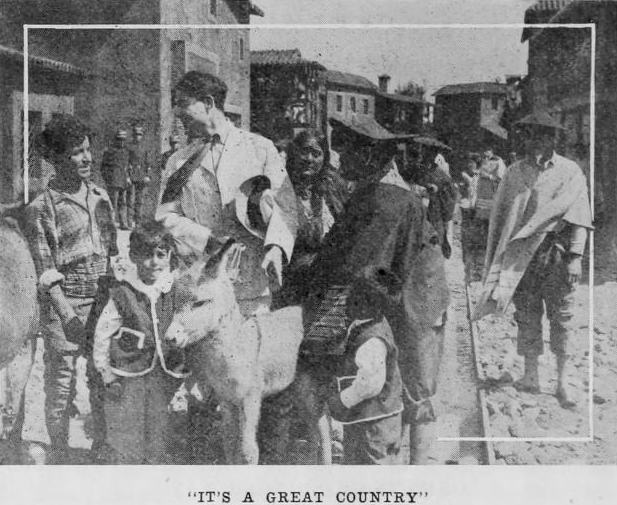
The film commences with the dispatch of Jack Langdon, portrayed with a compelling blend of earnestness and burgeoning resolve by J. Warren Kerrigan, to the sun-baked, treacherous terrain of Santa Clara, Peru. His mission, ostensibly straightforward, is to manage a mining claim for his San Francisco benefactors. Yet, the very air of this foreign land crackles with an unspoken tension, an undercurrent of territorial dispute that quickly escalates into outright hostility. Governor Juan Maria Barada, embodying the archetypal antagonist with a chilling blend of calculated menace, views the American claim as an affront, a usurpation of his dominion. Barada, brought to life with understated yet palpable villainy by George A. Williams, is no stranger to coercive tactics, preferring intimidation and subterfuge to diplomatic niceties. His henchman, the aptly named Miguel Alba, played by Bertram Grassby with a predatory intensity, becomes the physical manifestation of Barada's corrupt will. Alba's initial attempts to suborn Langdon with illicit bribes are met with the American's unwavering integrity, a refusal that only hardens the villain's resolve. The subsequent, brutal assault on Langdon, an attempt to silence him permanently before he can relay the full scope of Barada's machinations to his superiors, serves as a stark reminder of the volatile stakes involved in this corporate contest. This early segment of Langdon's Legacy, with its stark portrayal of resource exploitation and the ruthless pursuit of power, brings to mind the colonial anxieties and adventurous spirit often found in films of the era, perhaps echoing the more overt political machinations seen in An Affair of Three Nations, albeit with a focus here on economic rather than geopolitical espionage. Kerrigan's portrayal of Langdon in these early scenes is critical; he must convey both vulnerability and an inner strength that foreshadows his eventual transformation, a delicate balance for a silent performer reliant entirely on gesture and expression.
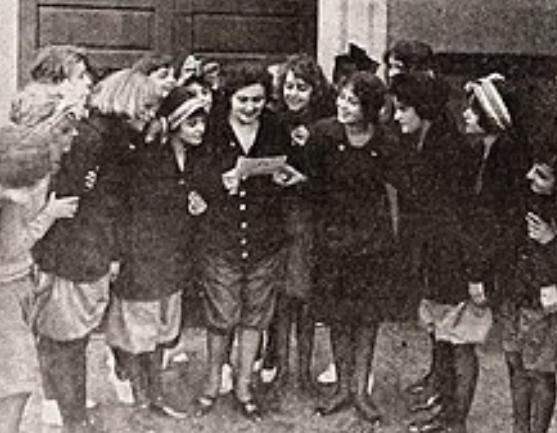
The narrative then takes a dramatic, almost surreal turn. Langdon, grievously wounded, is repatriated to San Francisco, where he endures six weeks of agonizing delirium in a hospital bed. This period of incapacitation, a cinematic purgatory, serves as a crucial narrative reset, allowing for a complete metamorphosis of his circumstances. The audience is left to ponder the fragility of life and the unpredictable currents of fate. His recovery, a slow and arduous process, is immediately followed by the revelation of his aunt's death and a truly astonishing inheritance: he is now the unlikely heir to a women's seminary in Massachusetts, a bastion of genteel education housing 250 female students. This plot twist is nothing short of audacious, a narrative hairpin bend that catapults Langdon from the gritty, dangerous world of Peruvian mines into the refined, albeit equally challenging, realm of academic administration. The sheer juxtaposition is breathtaking, an almost comedic shift that could easily derail a less confidently constructed film. Instead, it injects a fresh vein of intrigue, transforming the protagonist's journey from a tale of corporate survival into something far more whimsical and unexpected. One might draw a thematic parallel to the sudden, life-altering revelations in The Straight Road, where characters also face abrupt changes in their destiny, though perhaps with less overt absurdity. The filmmakers here deftly navigate this abrupt shift, relying on the audience's willingness to suspend disbelief and embrace the inherent theatricality of the story.
Langdon's arrival at the seminary marks a complete departure from the rugged landscapes of Peru. The tranquil, academic setting, teeming with young women, presents a stark contrast to the cutthroat world he barely escaped. Following the commencement exercises, in a moment of quiet solitude that he believes is shared only with the college caretakers, Langdon stumbles upon a most unexpected discovery: Pepita, Governor Barada's daughter, a student at the very institution he now oversees. Portrayed by Lois Wilson with a delicate blend of vulnerability and nascent strength, Pepita's presence here is no mere coincidence. She, too, is a refugee, having narrowly escaped the clutches of the malevolent Alba and his conniving mistress, Señorita Del Deros (Mae Talbot), who had attempted to kidnap her from the college grounds. This revelation reintroduces the specter of Langdon's past, intertwining the Peruvian conflict with his newfound domesticity in a truly ingenious manner. The seminary, once a symbol of peace and intellectual pursuit, suddenly becomes a clandestine battleground, a sanctuary under siege. The narrative brilliance lies in its ability to bring these disparate worlds together, not through forced coincidence, but through a meticulously orchestrated series of events that reveal the pervasive reach of Barada's influence and Alba's relentless malice. The tension, which had momentarily subsided, now ratchets up considerably, demonstrating a masterful control of pacing and dramatic irony. The sudden appearance of the villain's daughter in such an incongruous setting creates a delicious sense of narrative irony, a thematic echo of fate's inescapable grasp. The performances here, particularly Wilson's, must convey fear and resilience without relying on dialogue, a challenge met with expressive gestures and poignant gazes that speak volumes.
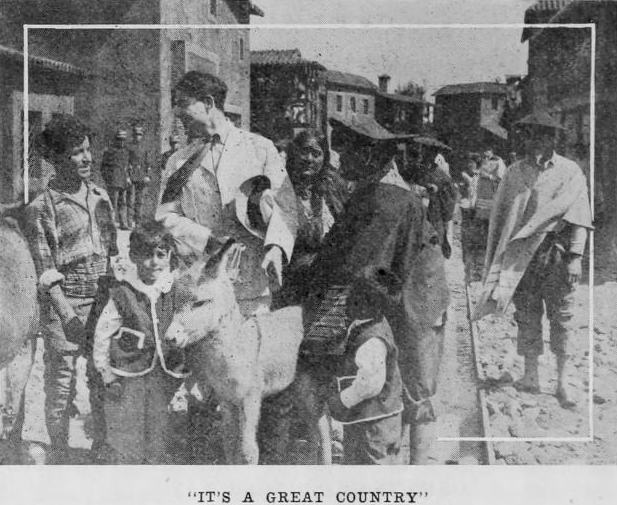
The stage is set for the inevitable confrontation. Alba, a figure of persistent malevolence, returns to the seminary, his singular objective being the abduction of Pepita. Yet, this time, Langdon is neither unaware nor unprepared. The encounter is swift and decisive; Langdon, having faced the brink of death and emerged with a renewed sense of purpose, overcomes Alba with a newfound resolve. This moment of physical triumph is not merely a display of strength but a symbolic vanquishing of the specter that has haunted him since Peru. The subsequent telephone call to Governor Barada, informing him of Pepita's safety, serves as the ultimate narrative pivot. The relief and gratitude that flood Barada are palpable, transforming his former animosity into profound appreciation. In a surprising act of reciprocity, Barada pledges that Langdon's future tenure in Peru will be entirely 'trouble-free,' and, perhaps more significantly, that Alba will be 'silenced permanently.' This resolution, while perhaps a touch too convenient for modern sensibilities, perfectly encapsulates the moral certitude often found in early cinema. The villain is dispatched, the hero is vindicated, and order is restored, albeit through a rather extraordinary confluence of events. The transformation of Barada from adversary to ally, spurred by paternal love, provides a satisfying, if somewhat abrupt, closure to the international intrigue. The film, in its final moments, champions the triumph of justice and the unexpected power of human connection, even across cultural and political divides. This resolution, where a personal act of heroism impacts international relations, feels akin to the grand, sweeping narratives of justice and consequence found in films like Blind Justice or even the more intricate moral dilemmas of The Marble Heart, where individual actions ripple through larger societal structures. The quiet dignity of Langdon's victory, devoid of overt fanfare, speaks volumes about the character's journey from an unwitting participant to a true hero.
The ensemble cast of Langdon's Legacy navigates the demands of silent cinema with a commendable blend of theatricality and nuanced expression. J. Warren Kerrigan, as Jack Langdon, carries the narrative's considerable weight, transitioning from the earnest corporate man to the wounded convalescent, and finally to the unexpected protector. His ability to convey internal struggle and burgeoning heroism without dialogue is central to the film's success. Lois Wilson, as Pepita, brings a delicate vulnerability to her role, making her peril genuinely felt. Bertram Grassby's Miguel Alba is a study in unrepentant villainy, his sinister presence a constant threat that anchors the film's more dramatic moments. Mae Talbot, as Señorita Del Deros, adds another layer of intrigue as Alba's accomplice, her expressions hinting at a malicious cunning. George A. Williams's portrayal of Governor Barada is appropriately imposing, his shift from antagonist to grateful father a testament to his range within the limitations of the medium. Maude George and Harry Carter, likely in supporting roles as caretakers or other seminary staff, would have contributed to the film's atmospheric texture, grounding the more fantastical elements of the plot. The screenplay by Meredith M. Nicholson demonstrates a bold imagination, unafraid to weave together disparate narrative threads into a cohesive, if unconventional, whole. The structure, moving from international thriller to domestic drama and back again, showcases a willingness to experiment with genre conventions that was characteristic of early cinematic storytelling. While specific directorial choices are often uncredited or lost to time in silent films, the pacing and visual storytelling here suggest a clear artistic vision, allowing the narrative to unfold with a compelling momentum that keeps the audience engaged despite the story's more outlandish turns. The use of intertitles, crucial for conveying dialogue and plot points, would have been carefully crafted to maintain the film's dramatic tension and emotional resonance. The film's overall aesthetic, though perhaps simple by today's standards, would have relied on strong compositions and emotive performances to communicate its complex narrative effectively.
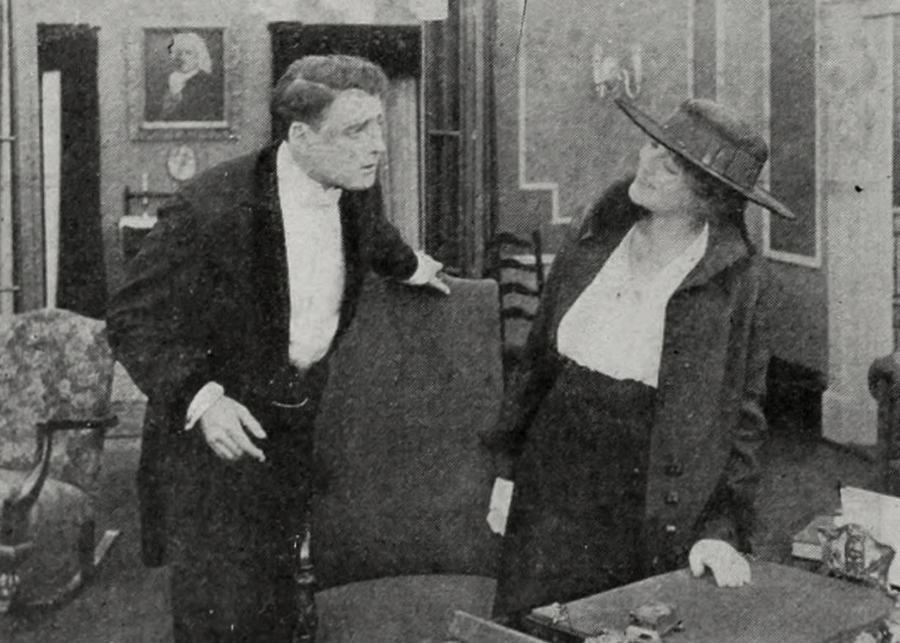
Langdon's Legacy stands as a fascinating artifact of early cinema, a testament to an era when narrative boundaries were fluid and imaginative leaps were not only tolerated but celebrated. It is a film that dares to blend international corporate espionage with an almost comedic domestic inheritance, all culminating in a surprisingly satisfying resolution. The journey of Jack Langdon, from the perilous mines of Peru to the hallowed halls of a Massachusetts seminary, is a compelling exploration of fate, resilience, and the unexpected ways in which our past can collide with our present. It underscores the profound impact of individual actions on a broader canvas, whether it be a corporate empire or a personal vendetta. While it might not possess the gritty realism of some contemporary dramas or the intricate psychological depth of later character studies, its charm lies precisely in its unbridled ambition and its commitment to delivering a truly engaging story. It’s a film that reminds us of the sheer joy of narrative invention, where the unexpected twist isn't just a plot device but the very engine of the story. For enthusiasts of silent cinema, Langdon's Legacy offers a rich tapestry of adventure, drama, and a touch of the absurd, making it a valuable piece in the mosaic of early film history. Its enduring appeal lies in its ability to transport us to a time when storytelling was both grand and intimate, a testament to the power of pure cinematic imagination. It's a journey well worth undertaking, a glimpse into the foundational narratives that shaped the art form we cherish today. One might even see echoes of its audacious genre-bending in later films that similarly defy easy classification, proving that sometimes, the most memorable legacies are those that dare to be different. The film's unique structure and thematic blend invite comparison with other genre-defying works of its time, such as The Huntress of Men, which similarly explores unconventional heroism and unexpected plot turns, demonstrating a shared spirit of narrative adventure in the nascent film industry. Ultimately, Langdon's Legacy leaves a lasting impression not just for its plot, but for its sheer audacity in storytelling, solidifying its place as a significant, if often overlooked, contribution to the silent era's diverse cinematic output. Its ability to weave together such disparate elements into a cohesive, engaging whole speaks volumes about the creative ingenuity that characterized this formative period of filmmaking. The film is a vibrant reminder that sometimes, the most compelling narratives are those that boldly venture into uncharted thematic territory, leaving behind a truly unique and memorable 'legacy' for audiences to discover and appreciate.
While specific details about the cinematography and direction of Langdon's Legacy may be scarce from this distant vantage point, one can infer much from the film's intricate narrative and its sustained dramatic tension. The visual language of silent cinema relied heavily on carefully composed shots, evocative lighting, and expressive mise-en-scène to convey mood, setting, and character psychology. The Peruvian scenes would undoubtedly have employed stark contrasts and perhaps even rudimentary special effects to suggest the harshness of the mining environment and the dangers lurking within. The seminary, on the other hand, would have been depicted with a softer, more genteel aesthetic, utilizing natural light or carefully placed studio lights to create an atmosphere of academic serenity that is then dramatically disrupted by Alba's return. The pacing of the film, particularly given its dramatic shifts in location and tone, would have been crucial. The early sequences in Peru would have required a sense of urgency and threat, building suspense around Langdon's perilous mission. The transition to San Francisco and the hospital would have necessitated a slower, more reflective pace, emphasizing Langdon's vulnerability and recovery. Finally, the seminary scenes would have blended moments of quiet contemplation with bursts of action and suspense as the plot thickens around Pepita. The director, working within the technological constraints of the era, would have used close-ups to highlight emotional responses, medium shots for character interactions, and wider shots to establish the diverse settings. The use of intertitles would have been integrated seamlessly, not just as dialogue placeholders but as narrative bridges, guiding the audience through the story's more complex developments. The film’s ability to maintain narrative coherence across such disparate settings and emotional registers speaks to a thoughtful and deliberate directorial approach, one focused on maximizing the dramatic impact of Meredith M. Nicholson's ambitious screenplay. The visual storytelling would have been paramount, allowing the audience to follow Langdon's extraordinary journey through the power of imagery and the compelling performances of the cast. The effective use of visual metaphors, such as the stark contrast between the industrial grit of the mine and the refined elegance of the seminary, would have enriched the thematic depth of the film, making it more than just a simple adventure story. These visual choices, even when inferred, highlight the foundational artistry of early filmmakers in crafting compelling narratives without the aid of spoken dialogue or complex sound design. It underscores the inventive spirit that defined the silent era, where every visual element was meticulously curated to tell a powerful story. This commitment to visual storytelling, much like in Lost in Darkness or Der Eid des Stephan Huller - II, is what allowed these early films to captivate audiences and lay the groundwork for the cinematic language we understand today. The lasting impression of Langdon's Legacy is therefore as much about its visual ingenuity as it is about its narrative daring, a true testament to the holistic craft of silent filmmaking.
IMDb —
1917
Community
Log in to comment.