DbcultAccessing Vault...
6.4/10
Senior Film Conservator
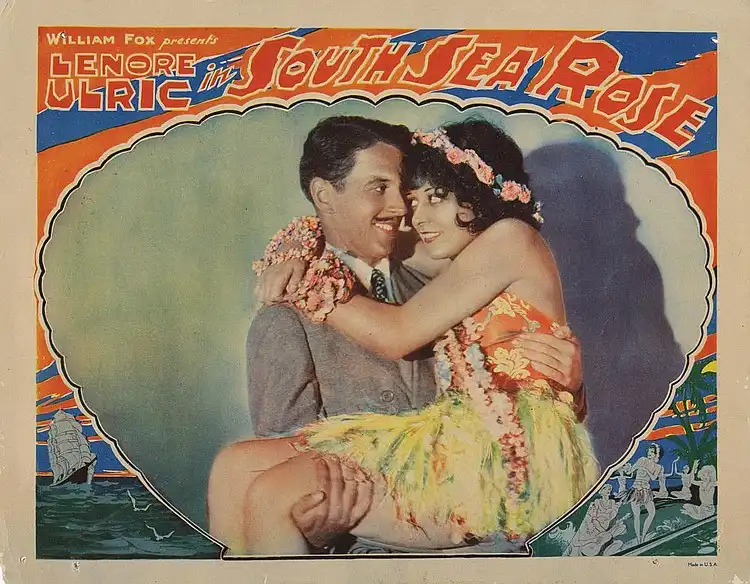
A definitive 6.4/10 rating for a film that redefined the boundaries of cult cinema. South Sea Rose remains a cornerstone of transgressive art.
Alright, let's talk about South Sea Rose. Is it worth tracking down today? Mostly, yes, but for a specific crowd. If you’re into the very first wave of 'talkies,' seeing how films stumbled into sound, you’ll find it fascinating. People who love a good, old-fashioned melodrama with big emotions and even bigger acting might also enjoy it. If you're looking for slick modern pacing or subtle performances, you’ll probably be a bit frustrated, maybe even hate it. Think of it as a time capsule, really. 🕰️
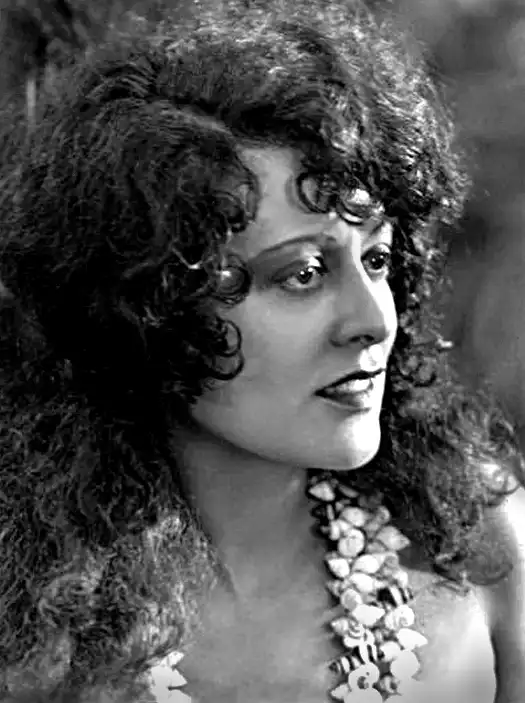
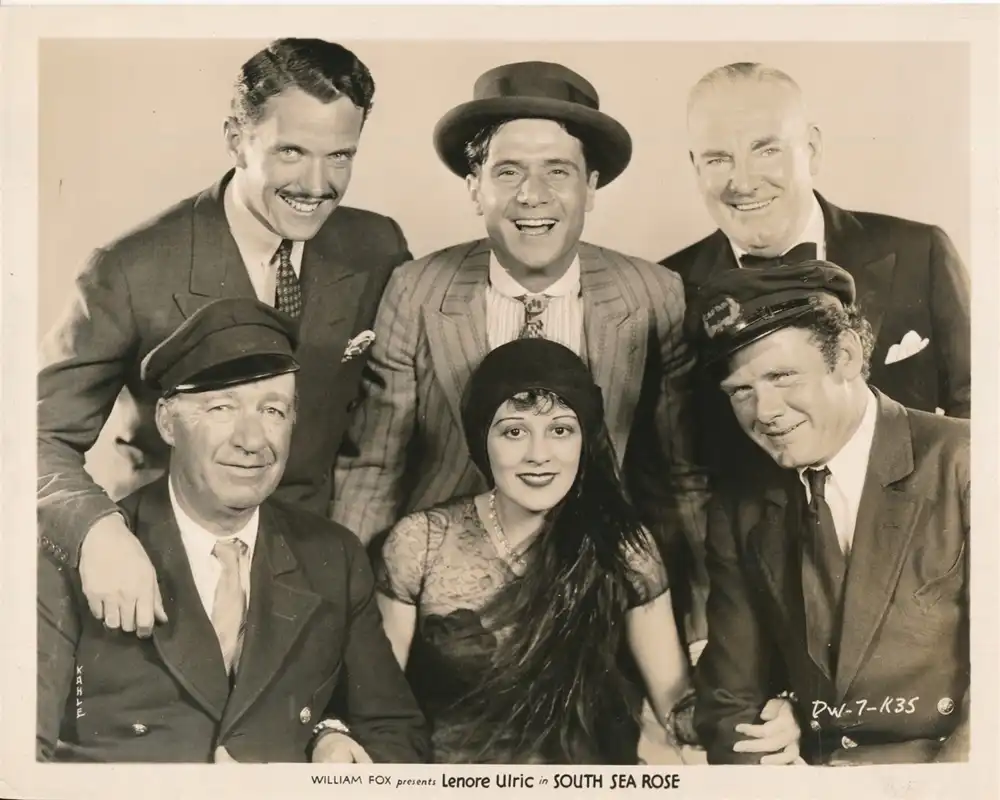
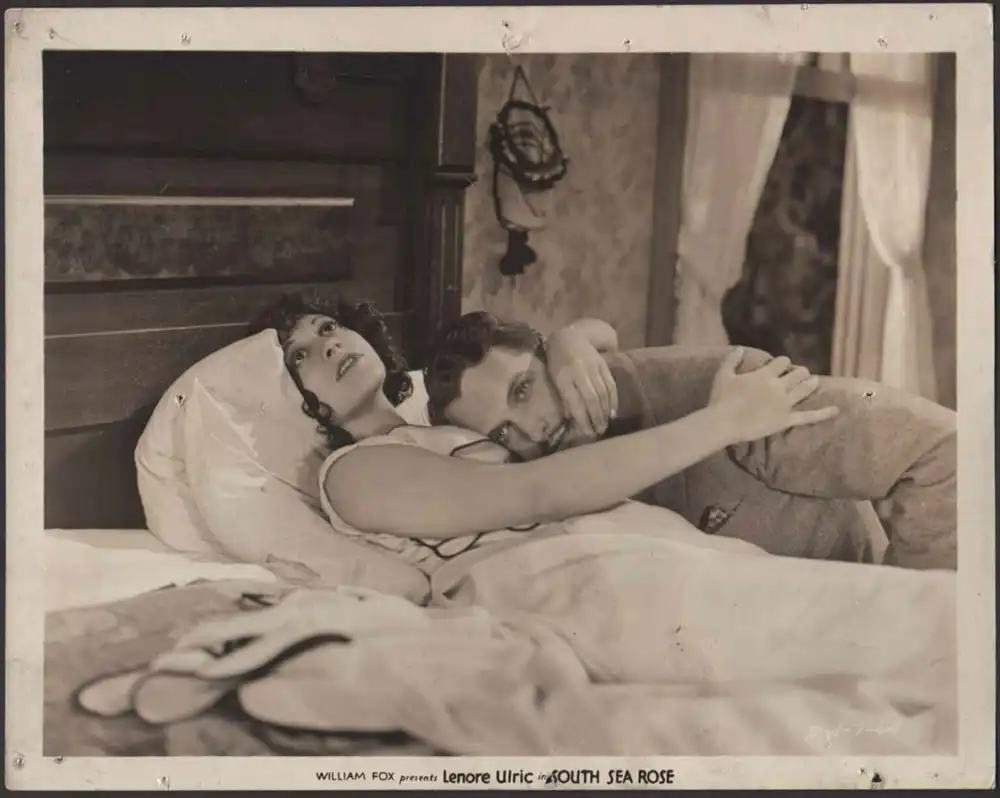
Lenore Ulric, who plays Rose, is clearly a stage veteran. You can feel it in every grand gesture. Her voice, when it first hits you, is this booming thing, like she's still playing to the back row of a massive theater. It’s not quite 'natural' by today's standards, but it's got this undeniable presence. She’s often framed against these *very obviously painted* tropical backdrops, yet she sells it.
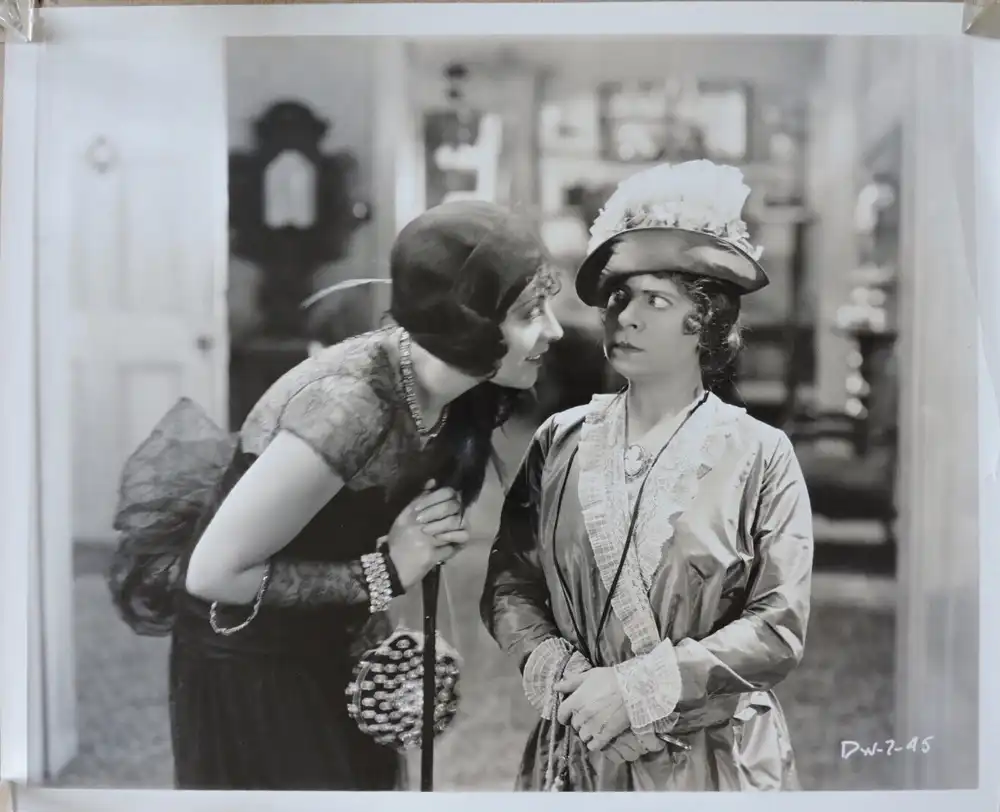
The plot, as these things go, is pretty simple. Rose is this island dancer, sort of the belle of the ball. Two men want her, naturally. One is a local, intense fellow, played by Charles Bickford, who brings his usual gruff energy. The other is Kenneth MacKenna’s character, a dashing outsider, all smiles and American charm. You can see the dilemma coming a mile away, but that’s half the fun, isn’t it?
There's this one scene early on, where Rose is dancing for a crowd. The music is a little tinny, a bit distant, which is common for films of this era. But what struck me was how the camera just *stays* on Ulric. It’s not dynamic at all. She moves, but the camera is almost static, like it’s glued to the floor. It really highlights how they were still figuring out how to make 'talkies' cinematic. Sometimes it feels like watching a play, just filmed.
Charles Bickford, as the local suitor, really leans into the brooding, possessive type. His eyes do a lot of the work, even when the dialogue is a bit clunky. There’s a moment where he just stares at Rose, across a crowded hut, and you can almost *feel* the heat coming off him. It’s a bit much, maybe, but it works for the kind of story they’re telling.
And the sound! Oh, the sound. It’s a wild ride. Some lines are crystal clear, others sound like they were recorded in a fishbowl. The sound editing, if you can call it that, is often abrupt. There’s a sudden burst of jungle noises, then dead silence, then someone starts talking. No smooth fades here, not really. It’s like they just flipped a switch for 'ambient sound' and then another for 'dialogue.'
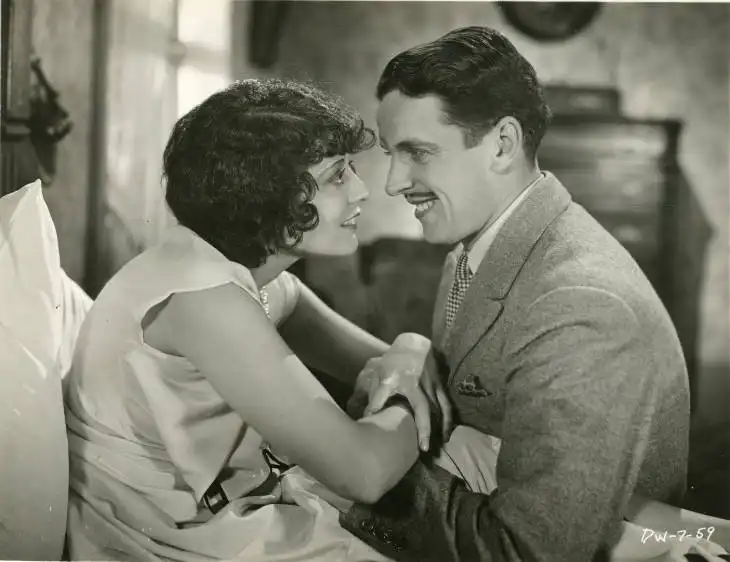
Kenneth MacKenna’s character, the American sailor, feels a little stiff sometimes. He’s supposed to be the charming hero, but there are times when he delivers lines with this *oddly formal* cadence. Like he’s reciting poetry rather than having a conversation. You get the sense they were all still finding their footing with microphones.
One particular moment that sticks with me is a fight scene between Bickford and MacKenna. It’s not exactly a choreographed masterpiece. It looks more like two guys awkwardly grappling, trying not to knock over the flimsy set pieces. There’s a lot of grunting, and a prop knife gets dropped at one point, and you can see someone briefly hesitate before picking it up. It’s honestly quite endearing in its imperfection. Makes you smile. 😄
The pacing is… well, it’s 1929 pacing. Some scenes drag on, particularly those lingering shots of Rose looking pensive against a sunset. Then suddenly, things accelerate wildly, and you’re into a big dramatic confrontation without much build-up. It's an uneven rhythm, for sure.
Roscoe Ates has a small part, and his stammer is quite noticeable, even then. It adds a strange layer to his character, making him memorable even with limited screen time. You really get a sense of how these early sound films could highlight an actor's unique voice or speech pattern.
The supporting cast kind of blends together, honestly. A lot of concerned faces, a lot of people standing around in tropical garb. Ilka Chase, for example, is there, but her role isn't super defined. They’re mostly there to react to the main drama.
There's a scene where Rose sings a song. The quality of the recording isn't great, but you can hear the raw power in Ulric's voice. It's a moment where the early sound technology actually *enhances* the feeling, making it sound almost haunting. It’s a good example of when the rawness works.
Ultimately, South Sea Rose is a fascinating watch if you understand what you're getting into. It's a snapshot of a moment in film history, a time when filmmakers were bravely, clumsily, diving into the unknown world of sound. It’s got its flaws, plenty of them, but it’s never boring if you appreciate the historical context. You can almost feel the struggle and excitement of those early days. It’s certainly got a pulse, even if it’s a bit erratic. 👍
IMDb 6.6
1933
Community
Log in to comment.