DbcultAccessing Vault...
Cult Review
Senior Film Conservator
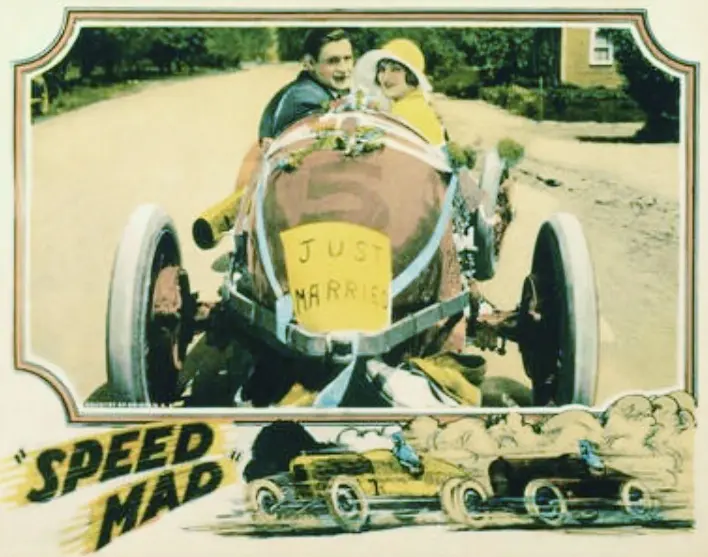
The silent film era gifted audiences with a diverse array of cinematic experiences, each one a testament to the innovative storytelling and artistic vision of its creators. Among these, Speed Mad stands out as a particularly exhilarating example, a film that combines high-octane action with a heartwarming narrative, all set against the backdrop of the roaring twenties.
The story centers around Bill Sanford, portrayed by William Fairbanks, a daredevil race-car driver with a penchant for speed and a heart of gold. On the eve of a crucial race that could secure his financial future, Sanford is abducted by his main competitor, Alan Lawson (Lloyd Whitlock), and his henchmen. This nefarious plot twist serves only to heighten the tension and set the stage for Sanford's daring escape and subsequent victory.
Sanford's character is skillfully developed throughout the film, revealing a complex individual driven by both a desire for success and a sense of justice. His relationship with Betty Hampton (Edith Roberts) adds an element of sweetness to the narrative, while the character of her father, Charles Hampton (Charles K. French), serves to underscore the stakes involved in Sanford's quest for the prize money.
The cinematography in Speed Mad is noteworthy, capturing the thrill of the races and the beauty of the era's automobiles. The action sequences are fast-paced and engaging, with the film's climax—Sanford's triumphant drive to victory—being particularly memorable. The use of sea blue hues in the night scenes and yellow tones in the daylight sequences creates a visually appealing contrast that enhances the viewing experience.
Comparing Speed Mad to other films of its era, such as The Greek Interpreter and The Triumph of Love, it becomes clear that this film stands out for its unique blend of action and romance. While The Master Cracksman shares some similarities in its themes of competition and ingenuity, Speed Mad distinguishes itself through its focus on the personal stakes of its protagonist.
The performances of the cast are commendable, with William Fairbanks and Edith Roberts delivering standout performances. The chemistry between the leads is palpable, adding depth to the film's narrative. The supporting cast, including Lloyd Whitlock and Charles K. French, provide a credible counterpoint to the main characters, enhancing the overall believability of the story.
In terms of themes, Speed Mad explores the tension between personal ambition and the greater good. Sanford's actions are motivated by a desire to help his loved ones, demonstrating a selflessness that is admirable. This theme is echoed in films like Channing of the Northwest, though Speed Mad approaches it with a distinctively lighthearted touch.
The film's technical aspects, including direction and editing, are well-executed. The pacing is well-balanced, moving smoothly from the setup to the climax. This is reminiscent of the work seen in The Sky Hunters, though Speed Mad maintains a more focused narrative.
In conclusion, Speed Mad is a compelling and entertaining film that showcases the best of the silent era. Its blend of action, romance, and personal drama makes for a captivating viewing experience. For fans of classic cinema and those interested in the evolution of film language, Speed Mad is certainly worth watching. Its themes of perseverance and the power of human ingenuity are timeless, making it a film that continues to resonate with audiences today.
When evaluating Speed Mad alongside other silent films like When the Devil Drives and The Detectress, it becomes evident that this film's strength lies in its ability to balance entertainment with emotional depth. While Ballet mécanique pushes the boundaries of cinematic technique, Speed Mad proves that storytelling and character development are equally important aspects of filmmaking.
The film's influence can also be seen in later works, such as The Mask, which shares some of the same themes of identity and performance. However, Speed Mad remains a unique gem, offering a fresh perspective on the era in which it was made.
Ultimately, Speed Mad is a testament to the enduring power of cinema to captivate and inspire. Its combination of high-stakes action, heartfelt drama, and historical significance makes it a must-see for anyone interested in the evolution of film. As a piece of cinematic history, Speed Mad continues to thrill and entertain, offering a glimpse into a bygone era that remains relevant today.
IMDb 1.5
1921
Community
Log in to comment.