DbcultAccessing Vault...
Cult Review
Senior Film Conservator
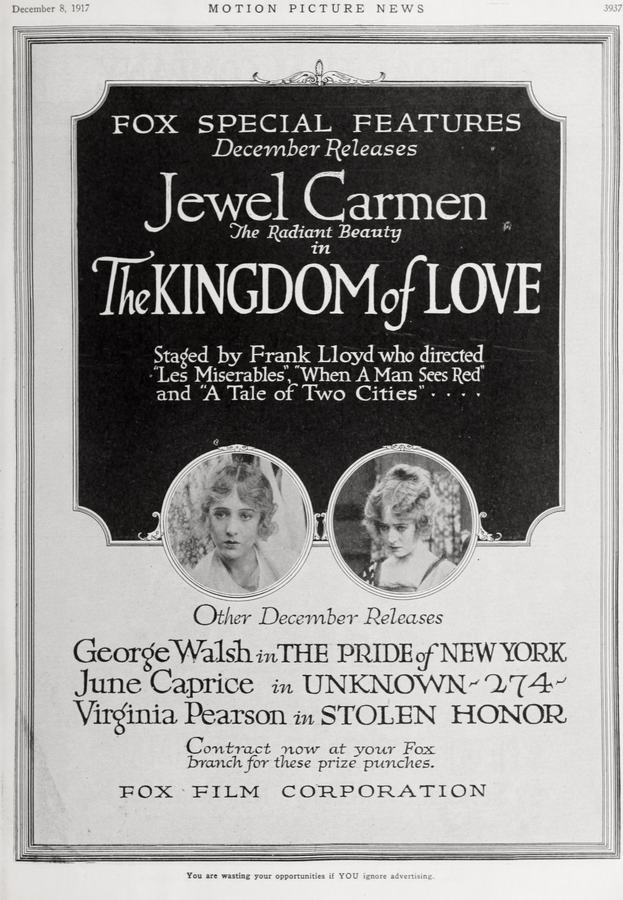
Stepping back into the nascent years of cinematic storytelling, one encounters a fascinating tapestry of human drama, often rendered with a directness and emotional potency that resonates even today. ‘The Kingdom of Love’ (1916), a compelling silent film helmed by Doty Hobart and Frank Lloyd, emerges from this era as a testament to enduring virtue amidst the most challenging of circumstances. It is a narrative that, despite its century-old vintage, grapples with themes of sacrifice, familial bonds, and the unwavering human spirit, all set against the unforgiving backdrop of the Alaskan frontier. This film, in its quiet yet profound way, captures the essence of early American cinema’s fascination with moral rectitude and the triumph of good over societal squalor.
The narrative introduces us to Violet Dale, a character whose purity becomes the lodestar of the entire production. Her journey begins with the painful severance of her parents' union, leading her father to seek a new life, and ostensibly, a shield from the world's harshness, in the untamed expanse of Alaska. This initial displacement sets the stage for a life defined by upheaval. The Alaskan setting itself is more than mere scenery; it is a character, a crucible of lawlessness and rough-hewn existence where traditional societal norms are often suspended. This environment, akin to the rugged landscapes depicted in films like John Ermine of Yellowstone or The Pursuit of the Phantom, serves to heighten the stakes for a character like Violet, making her subsequent trials all the more poignant.
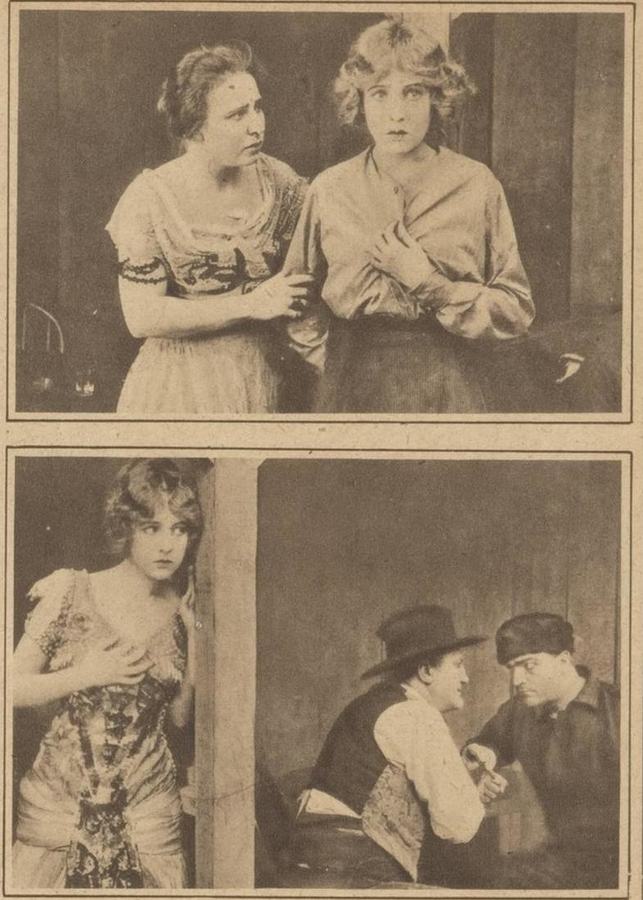
Tragedy, however, lurks in the shadows of this wild frontier. Violet's father, attempting to navigate the treacherous waters of a lawless town, falls victim to a fatal card game, leaving young Violet utterly bereft. This catastrophic loss propels her into a desperate struggle for survival, forcing her into employment at a local dance hall. In the conventional morality plays of the era, such a setting would typically signify a descent into moral decay. Yet, Violet steadfastly defies this expectation. She maintains an extraordinary degree of virtue and dignity, earning not scorn, but the profound respect and admiration of the dance hall's motley clientele. This portrayal of an unblemished soul thriving in an ethically ambiguous environment is a hallmark of early cinema's idealization of feminine purity, a theme echoed in other contemporary melodramas.
Her unyielding grace attracts the attention of Frank Carson, a young man who has ventured to Alaska with the quintessential dream of striking it rich. Drawn to her intrinsic goodness, Frank proposes marriage, seeing in Violet the promise of a pure and stable future. It is at this juncture that the narrative introduces a twist of profound dramatic irony, a revelation that elevates the film from a simple tale of hardship to a complex exploration of duty and forbidden love. When Frank presents Violet with a portrait of his mother, Violet recognizes it instantly as a duplicate of her own mother's likeness. The devastating truth dawns upon her: Frank is her long-lost brother, a product of the very familial separation that initiated her arduous journey. This sudden, shocking realization forces Violet into an agonizing dilemma. She must refuse Frank's proposal, but cannot reveal the true, devastating reason, thereby shouldering a secret that isolates her even further.
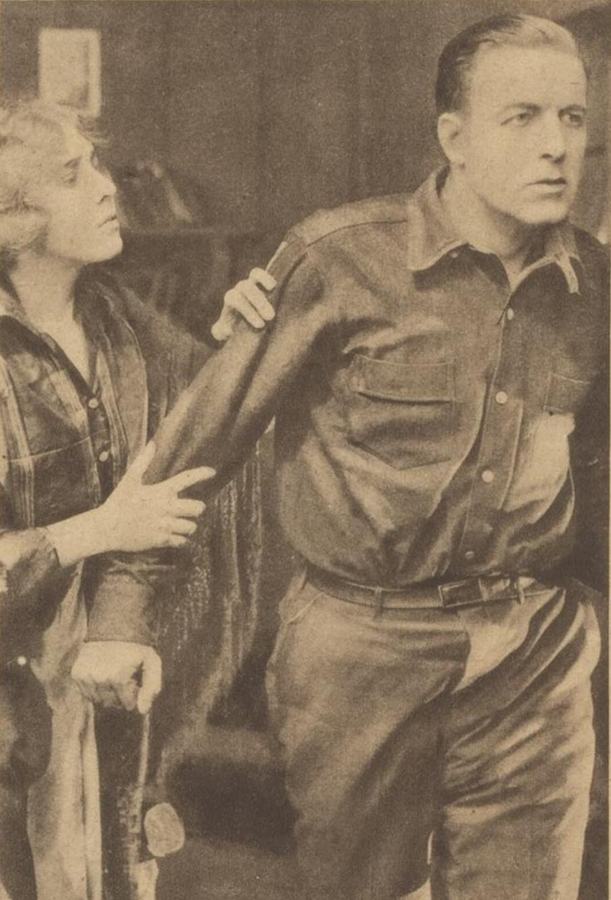
The weight of this secret, coupled with the inherent goodness of her character, compels Violet to an act of truly monumental sacrifice. News reaches Frank that his mother, Violet's own mother, is gravely ill and requires an expensive operation beyond her means. Desperate to help, yet unable to reveal their familial connection, Violet conceives of a radical plan: she will hold an auction at the dance hall, offering herself to the highest bidder to secure the necessary funds. This scene is the emotional epicenter of the film, a moment of profound self-abnegation that speaks volumes about Violet's unwavering love and commitment to her family, even those from whom she is estranged. It's a portrayal of sacrifice that, while melodramatic by modern standards, was designed to evoke deep empathy and admiration from contemporary audiences, reminiscent of the emotional stakes found in films like Her Maternal Right, where maternal sacrifice forms the core.
The auction scene is resolved with the intervention of Rev. David Cromwell, a kind and virtuous man who, having fallen deeply in love with Violet, understands her predicament and the purity of her intentions. Despite lacking the substantial sum of $6,000, he makes the winning bid, driven by an inherent desire to protect her and, perhaps, to offer a genuine path to salvation from her dire circumstances. This act of faith, however, opens a new chapter of peril. Buck, the jealous dance-hall owner who resents David's moral influence over the community, seizes the opportunity to ensnare the Reverend. He lends David the money, but with a cruel stipulation: if the debt is not repaid within three months, David will belong to Buck for a decade, effectively becoming his bondservant. This introduces a fresh layer of tension, transforming the narrative into a race against time and a battle against moral corruption.
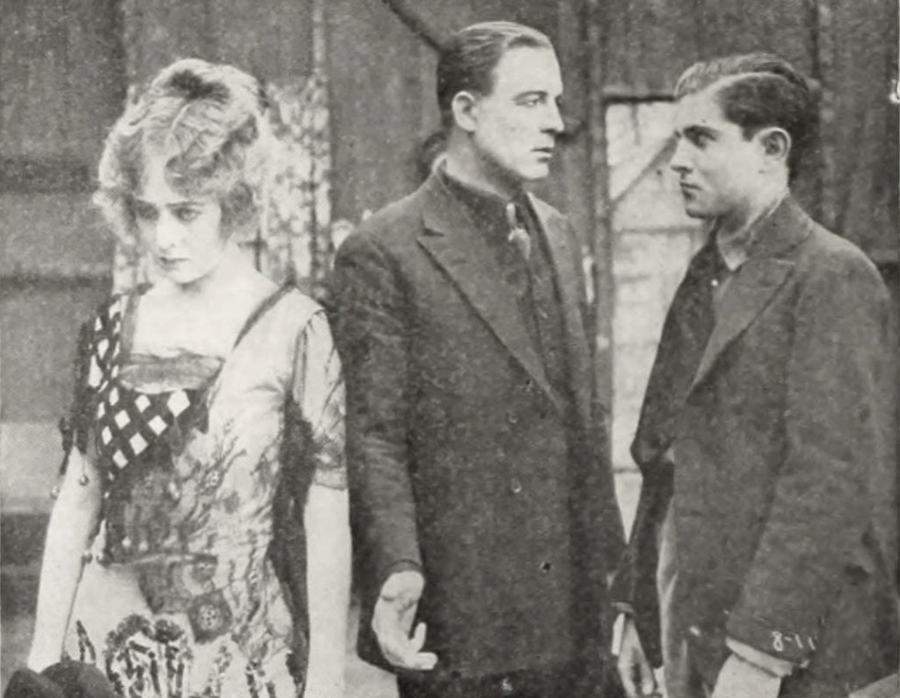
The climax sees Rev. David Cromwell, through a combination of perseverance and perhaps a touch of cinematic serendipity, manage to obtain the necessary funds, freeing himself from Buck’s clutches. More significantly, his unwavering commitment, his willingness to sacrifice his own freedom for Violet's honor, ultimately wins her heart. The film concludes with the triumph of genuine love and virtue, where the harsh, lawless frontier gives way to a personal 'kingdom of love' built on mutual respect, profound sacrifice, and an earned affection. The title, initially an ironic counterpoint to the wild Alaskan setting, finds its true meaning in the moral fortitude and redemptive power of its characters.
From a technical perspective, 'The Kingdom of Love' showcases the storytelling conventions prevalent in early silent cinema. The acting, characterized by expressive gestures and exaggerated facial expressions, was designed to convey emotion without dialogue, a skill mastered by the actors of the era. The pacing, while slower than modern films, allowed for the deliberate unfolding of moral dilemmas and character development. The use of intertitles, though not explicitly detailed in the plot summary, would have been crucial in conveying the intricate details of the brother-sister revelation and the terms of Buck’s loan. The film likely employed a combination of studio sets for interiors and location shooting (or clever set dressing) to evoke the rugged Alaskan environment, a common practice for films aiming for authenticity, much like the efforts seen in Rescue of the Stefansson Arctic Expedition which documented real-life struggles in harsh environments, albeit in a different genre.
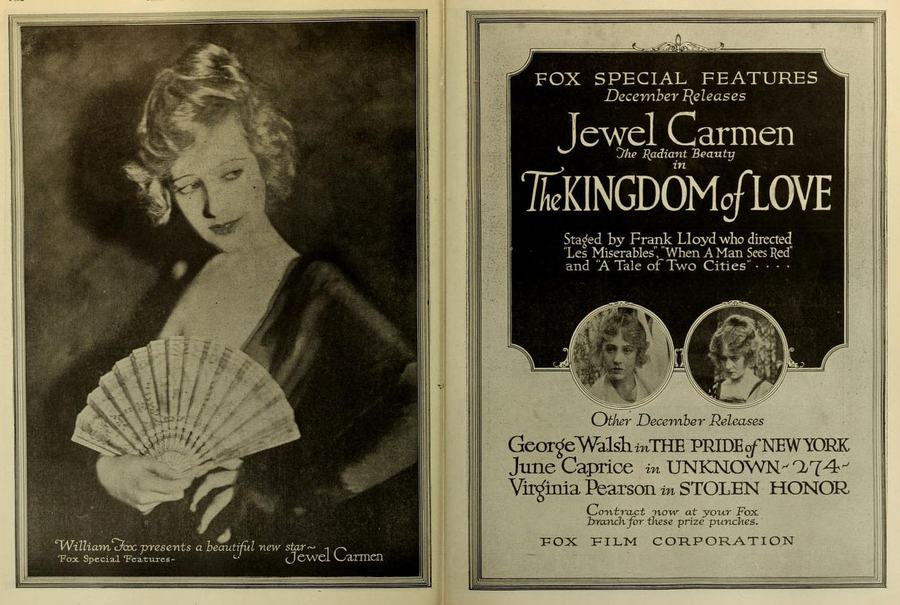
The film's exploration of virtue in a morally ambiguous setting places it within a tradition of silent era narratives that often championed the unblemished heroine. Violet Dale stands as an archetype: the pure woman whose inherent goodness acts as a civilizing force or a moral compass in a chaotic world. Her ability to command respect from rough men, without compromising her integrity, speaks to a deeply held societal ideal of feminine strength and resilience. This ideal is contrasted sharply with the predatory nature of characters like Buck, highlighting the stark moral dichotomies often presented in early cinematic tales. The themes of duty, particularly familial duty, are central. Violet’s decision to sacrifice her own happiness and even her reputation for her mother’s well-being, despite the painful circumstances, underscores a powerful sense of obligation that transcends personal desire. This profound sense of duty and self-sacrifice is a recurring motif in many dramatic works of the period, reflecting societal values that often placed collective welfare or familial honor above individual desires.
The resolution of the story, with David Cromwell winning both Violet's freedom and her love, reinforces the prevailing belief in the redemptive power of good deeds and true affection. It suggests that even in the most lawless and challenging environments, genuine virtue and selfless love will ultimately prevail. The film, therefore, serves not only as a dramatic spectacle but also as a moral fable, offering audiences a reaffirming message about the triumph of decency. The very title, 'The Kingdom of Love', initially seems almost ironic when juxtaposed with the harsh realities of the Alaskan setting and Violet’s predicament. However, by the film's conclusion, it transforms into a profound statement: the true 'kingdom' is not a geographical place, but the sanctuary of a heart filled with love, sacrifice, and unwavering moral conviction. This transformation of setting into a metaphorical space is a sophisticated narrative device for its time.

In comparing 'The Kingdom of Love' to other films of its era, one can draw parallels in its thematic ambition. While not a direct adaptation, the emotional weight and dramatic irony surrounding Violet's secret echo the complexities of human relationships and societal constraints found in literary works like 'Romeo and Juliet' (or its 1916 film adaptation Romeo and Juliet), where external forces or internal dilemmas create insurmountable barriers to love. The harsh realism of the frontier setting, where characters contend with the raw forces of nature and human greed, is a common trope in Westerns and adventure films of the period, such as The Parson of Panamint. Yet, 'The Kingdom of Love' distinguishes itself by placing a woman's moral journey and profound personal sacrifice at its very core, rather than focusing solely on masculine heroics or frontier exploits.
The film's enduring appeal lies in its exploration of timeless human emotions and dilemmas. The struggle between societal expectation and personal integrity, the agony of self-sacrifice for a loved one, and the ultimate triumph of genuine affection are universal themes that transcend the specific historical context of the silent film era. The performances, particularly that of Nancy Caswell (as Violet Dale), would have been crucial in conveying the nuances of Violet's internal struggles without the aid of spoken dialogue. The supporting cast, including Murdock MacQuarrie and G. Raymond Nye, would have contributed to the vivid portrayal of the lawless town's inhabitants, each character serving to highlight Violet's exceptional nature. The directorial choices of Doty Hobart and Frank Lloyd would have focused on clear visual storytelling, utilizing mise-en-scène and character blocking to communicate the intricate plot and emotional beats effectively. This film, like many of its silent contemporaries, relied heavily on visual metaphors and the audience's emotional intelligence, creating a shared experience that was both powerful and deeply personal.
Ultimately, 'The Kingdom of Love' stands as a compelling example of early cinematic artistry, a film that, through its dramatic narrative and strong moral compass, offered audiences of its time a powerful reflection on human resilience and the enduring power of love. Its intricate plot, filled with unexpected twists and profound acts of selflessness, ensures its place as a noteworthy piece of silent film history. It reminds us that even in an era before synchronized sound, stories could resonate with immense emotional depth, proving that the language of the heart, when skillfully portrayed, is truly universal. The film not only entertained but also reinforced societal values, celebrating the triumph of good over adversity, and portraying love not as a fleeting emotion, but as a profound, transformative force capable of creating a 'kingdom' even in the wildest of frontiers.
IMDb —
1917
Community
Log in to comment.