DbcultAccessing Vault...
Cult Review
Senior Film Conservator
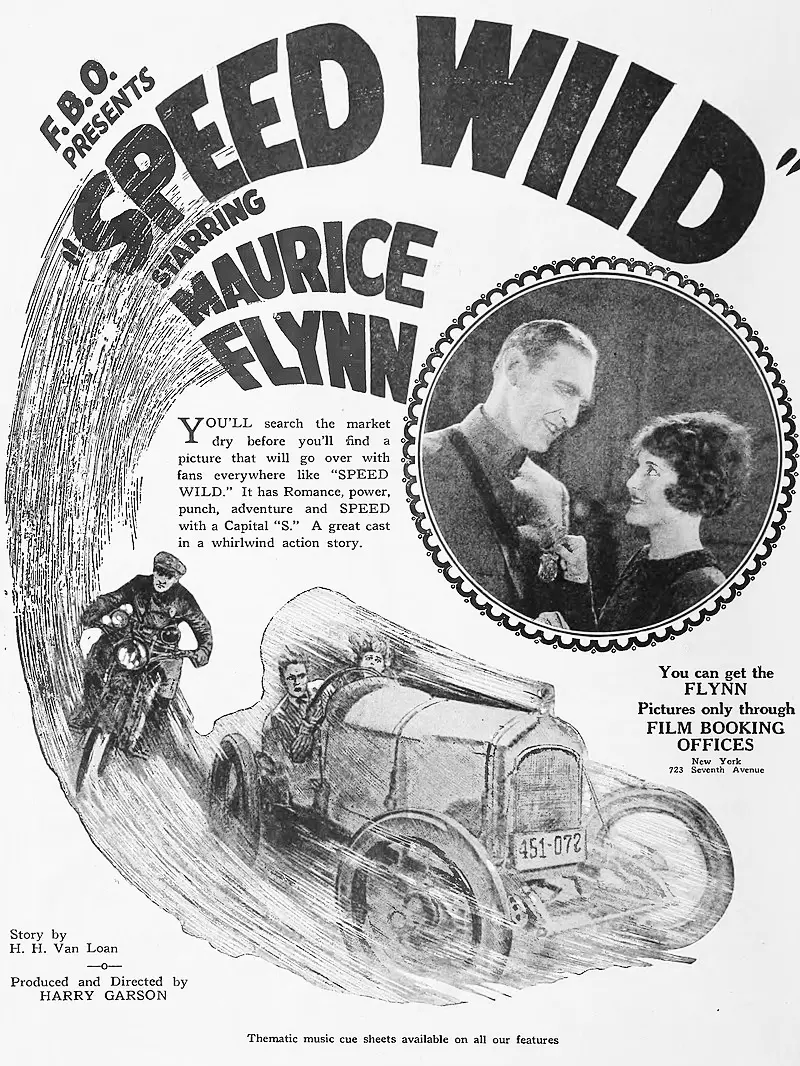
Is Speed Wild worth watching today? Short answer: yes, but with significant caveats. This early action-romance is a fascinating curio for silent film enthusiasts and those intrigued by the nascent stages of genre filmmaking, particularly the blend of police procedural and high-octane thrills. However, it's decidedly not for viewers seeking modern pacing, nuanced character development, or a narrative free from the melodramatic conventions of its era.
This film works because of its surprisingly ambitious action sequences for the time, its clear narrative drive, and the energetic performance of Ralph McCullough, who brings a genuine earnestness to the role of Jack Ames. This film fails because its character motivations often feel simplistic, its dramatic beats are frequently overplayed, and the resolution, while satisfying for the era, lacks the complexity modern audiences expect. You should watch it if you appreciate cinematic history, enjoy early action spectacles, or are keen to see how foundational genre tropes were established before the advent of sound.
"Speed Wild", an often-overlooked entry from the silent era, offers a compelling glimpse into the nascent stages of action cinema, blending thrilling motorcycle chases with a surprisingly intricate crime plot. Directed with an eye for dynamic movement, the film wastes little time establishing its stakes, thrusting its hero, Jack Ames, into a world where speed is not just a passion, but a tool for justice. What immediately strikes a contemporary viewer is the sheer audacity of some of its set pieces, particularly given the technological limitations of the time.
The film’s central conceit—a racing enthusiast turned motorcycle cop—is a stroke of genius, providing an organic justification for the high-speed sequences that define its most memorable moments. It taps into a primal fascination with velocity and danger, a fascination that remains potent even a century later. While the narrative occasionally veers into simplistic melodramatic territory, a common trait of the period, its underlying structure is surprisingly robust, presenting a clear conflict and a tangible threat.
Consider the scene where Jack’s motorcycle is forced off a cliff. This wasn’t just a stunt; it was a declaration. It demonstrated a commitment to practical effects and a willingness to push boundaries that would influence decades of action filmmaking. The visual impact, even without sound, would have been immense, a testament to the director's understanding of visual storytelling. This single moment elevates the film beyond a mere curiosity into something genuinely ambitious.
At its core, "Speed Wild" is a story about duty, romance, and the fight against injustice. Jack Ames, portrayed by Ralph McCullough, is introduced as a man defined by his love for speed, a characteristic that quickly translates into his professional life as a motorcycle officer. His assignment to the vice squad investigating the smuggling of Chinese picture brides into the U.S. grounds the fantastical elements of high-speed chases in a stark, real-world issue. This narrative choice adds a layer of social commentary, however light, that elevates the film beyond pure escapism.
The plot thickens with the introduction of Mary Bryant, played by Ethel Shannon, a damsel in distress who quickly becomes the object of Jack's affection. Their romance, sparked by a dramatic rescue from an automobile accident, is quintessential silent film fare – immediate, passionate, and driven by circumstance. Jack's subsequent promise to help reform Mary's brother, Charles, who is involved with the smugglers, intertwines the personal with the professional, adding emotional stakes to the police investigation.
This blend of personal drama and high-stakes crime is a formula that still resonates today. While the motivations of characters like Wendell Martin, the gang leader, might appear one-dimensional by modern standards – a villain simply because he is a villain, and because he also desires Mary – they serve their purpose within the film's brisk narrative. The plot moves with an almost relentless forward momentum, mirroring the very speed that defines its hero.
"Speed Wild isn't just a relic; it's a blueprint. It shows us how foundational action tropes were laid, brick by thrilling brick."
Ralph McCullough, as Jack Ames, delivers a performance brimming with earnest energy. His portrayal captures the youthful exuberance of a man who lives for the thrill, yet possesses a strong moral compass. McCullough’s physical acting, crucial in the silent era, is particularly effective during the motorcycle sequences, conveying both the exhilaration of the chase and the danger of his predicament. He embodies the archetypal hero: brave, determined, and utterly charming. There’s a palpable sense of authenticity in his commitment to the role, making Jack Ames a character easy to root for, despite the limited dialogue.
Ethel Shannon, as Mary Bryant, fulfills the role of the beleaguered heroine with grace and conviction. Her expressions effectively convey vulnerability, fear, and burgeoning affection. While Mary's agency might seem limited through a contemporary lens, Shannon imbues her with a quiet strength, particularly in scenes where she realizes her brother's peril and her own. Her chemistry with McCullough, though largely communicated through glances and gestures, is convincing enough to anchor the romantic subplot.
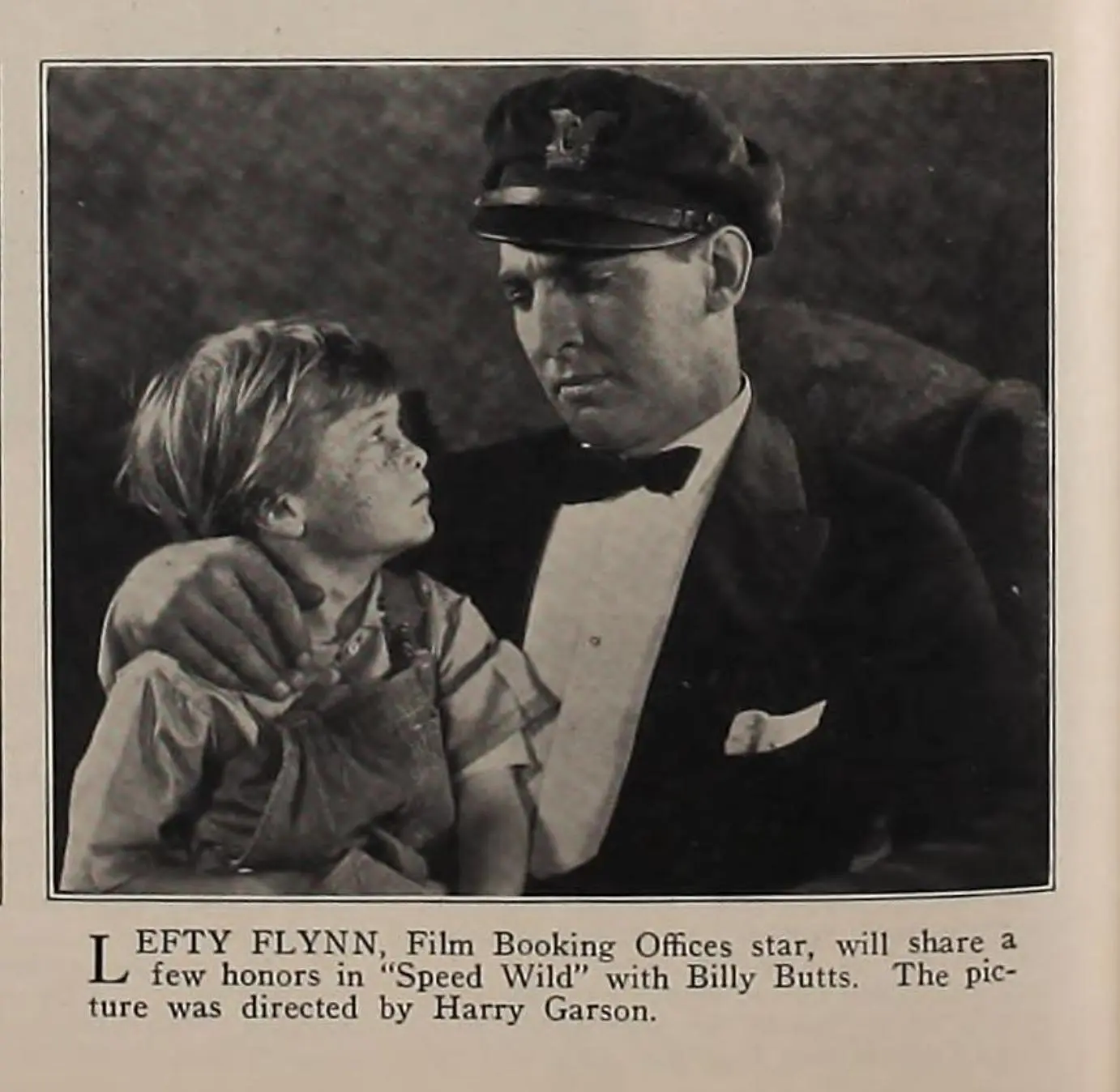
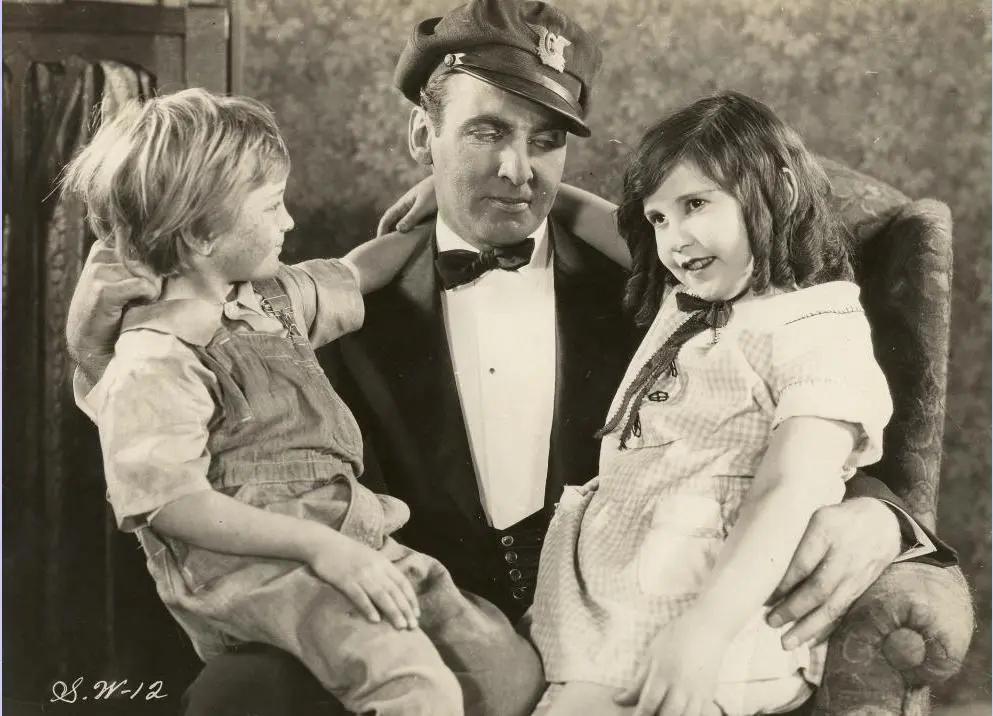
Maurice 'Lefty' Flynn, as the menacing Wendell Martin, provides a suitably villainous counterpoint. His physical presence and intense gaze convey a sense of genuine threat, making him a formidable antagonist. The confrontation scenes between Jack and Martin, particularly on the yacht, are charged with a tension that largely relies on Flynn's ability to project malevolence. The supporting cast, including Charles Clary as Mary's misguided brother Charles, all contribute to a cohesive ensemble, even if their roles are often archetypal rather than deeply explored.
The direction in "Speed Wild" is remarkably adept at creating a sense of
IMDb 6.8
1933
Community
Log in to comment.