DbcultAccessing Vault...
7.6/10
Senior Film Conservator
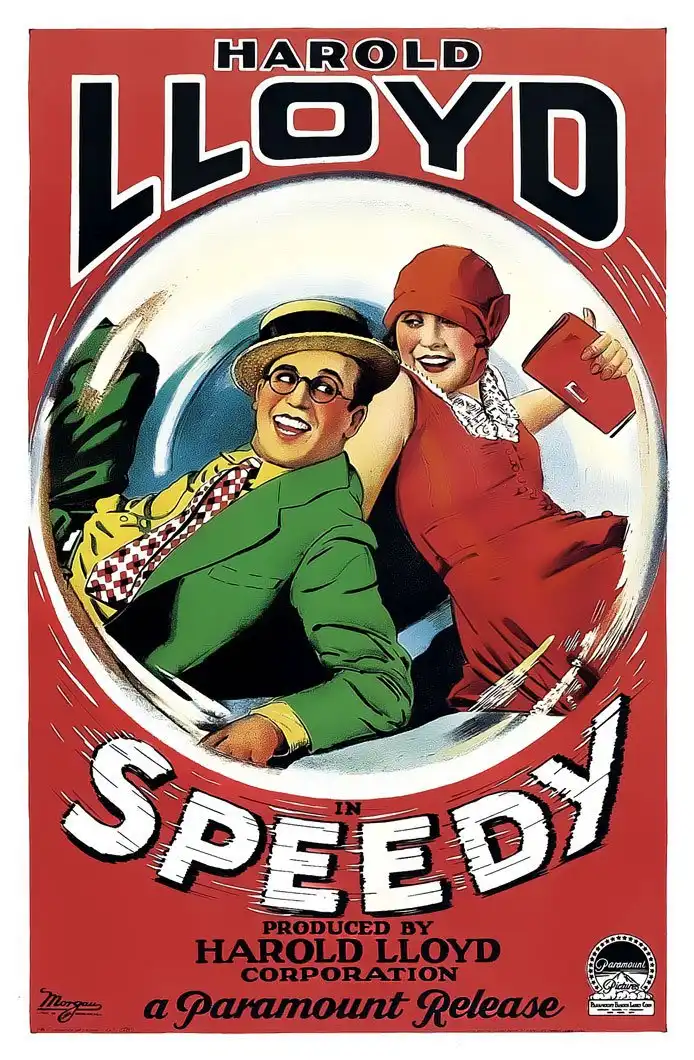
A definitive 7.6/10 rating for a film that redefined the boundaries of cult cinema. Speedy remains a cornerstone of transgressive art.
Speedy, Harold Lloyd’s final silent feature from 1928, remains a vibrant, essential watch today, particularly for anyone with an appreciation for the foundational artistry of physical comedy and classic Hollywood. It's a joyful, often breathless experience for silent film enthusiasts, comedy purists, and those curious about New York City's past. However, viewers accustomed to modern pacing or who struggle with the conventions of silent cinema—its reliance on title cards and heightened physical expression—might find its rhythm occasionally challenging, despite its inherent energy.
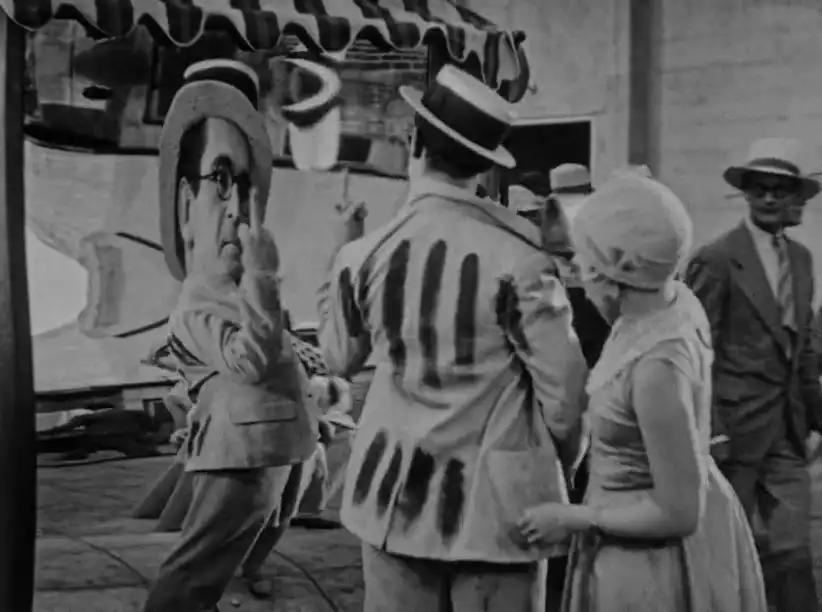
Harold Lloyd, with his signature horn-rimmed glasses, embodies an almost manic energy in Speedy. His character, Harold "Speedy" Swift, is less a person than a force of nature, propelled by an endless, slightly chaotic optimism. From his opening scene, where he struggles hilariously with a soda fountain job before abandoning it for a taxi, Lloyd establishes a protagonist whose defining trait is relentless, often misguided, forward momentum. He’s not a deep character, nor is he meant to be. He’s a conduit for gags, a human pinball ricocheting through the urban landscape.
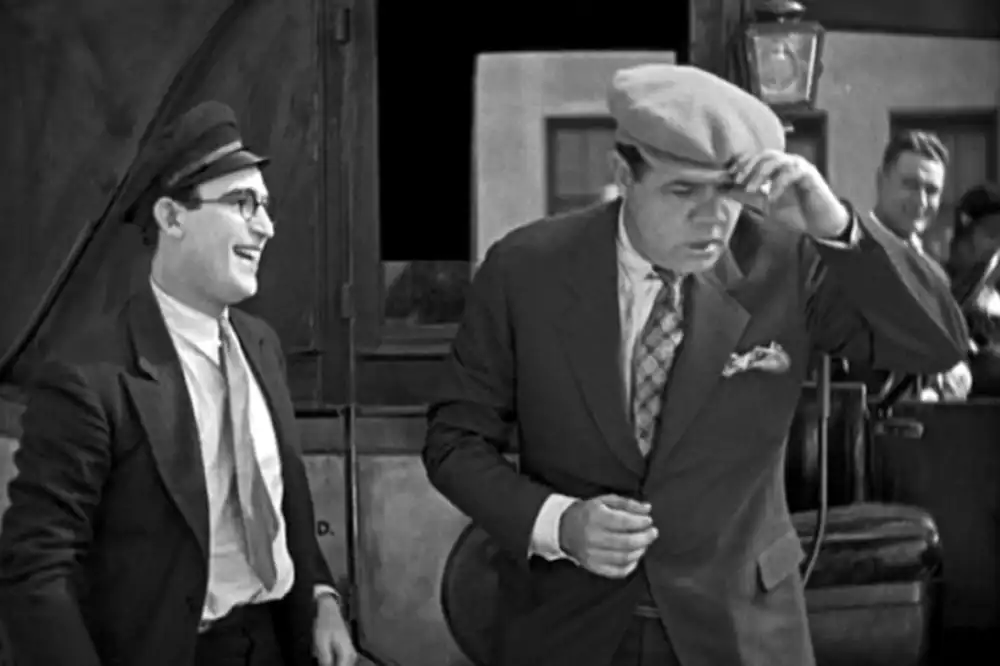
What makes Lloyd's performance so compelling here is his complete commitment to the physical demands of the role. Whether he's navigating a taxi through impossibly dense traffic, dodging irate customers, or literally clinging to the side of a speeding trolley, his movements are precise, acrobatic, and always in service of the laugh. There's a particular sequence where he's driving Babe Ruth (yes, that Babe Ruth, in a charming cameo) to the ballpark, and the sheer number of near-misses and quick improvisations Lloyd pulls off behind the wheel is a masterclass in controlled chaos. He sells the idea that his character is genuinely trying his best, even when his best involves careening through Manhattan.
The film’s pacing is, for the most part, exactly what its title suggests: speedy. It barrels from one set piece to the next, rarely lingering too long. This rapid-fire approach is a hallmark of silent comedy, and Lloyd uses it to great effect, especially in the elaborate chase sequences. The initial setup, establishing Speedy's various failed jobs and his relationship with Jane (Ann Christy) and her grandfather Pop (Gus Leonard), is efficient enough. The core conflict—saving Pop's horse-drawn trolley from a corporate buyout—kicks in quickly, providing a clear narrative engine for the ensuing gags.
However, there are moments, particularly in the middle act, where the film settles into a rhythm of smaller, less impactful gags during Speedy's taxi driving exploits. While these showcase Lloyd's versatility, they can feel a touch repetitive before the grand finale kicks into gear. The tone is relentlessly upbeat, even when the stakes are supposedly high. There's no real sense of genuine peril for Speedy or the trolley, which is fine for a comedy of this type, but it does mean the emotional resonance is kept light. The film is more interested in spectacle and laughter than character depth.
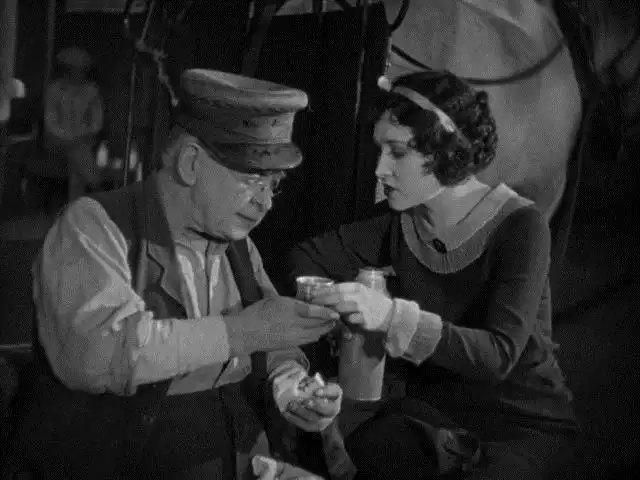
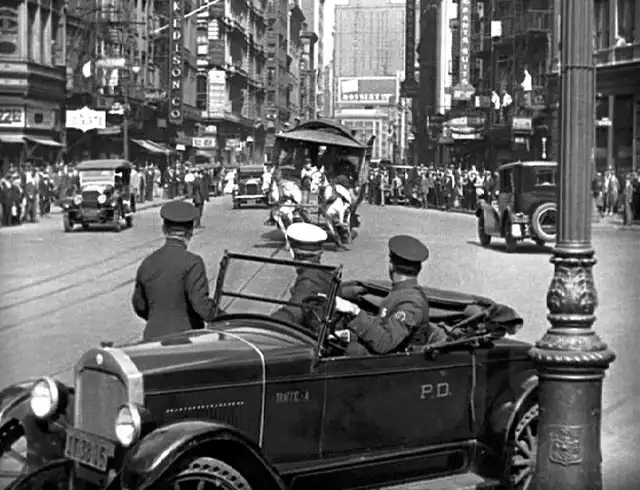
One of Speedy's greatest strengths is its vivid portrayal of 1920s New York City. The film was largely shot on location, and it absolutely pops with the energy of a metropolis in transition. We see bustling streets filled with cars, pedestrians, and the occasional horse-drawn carriage, all captured with remarkable clarity for the era. The cinematography isn't just a backdrop; it's an active participant, providing a genuine sense of scale and movement.
The contrast between the old and new is particularly striking. Pop's quaint, almost anachronistic horse-drawn trolley, often dwarfed by towering buildings and modern vehicles, becomes a symbol of charming defiance. The film captures this visually through wide shots that emphasize the trolley's vulnerability against the relentless march of progress. A particularly memorable sequence involves the trolley being intentionally hindered by a series of traffic jams and unexpected obstacles, showcasing the city itself as an antagonist. The way the film frames the trolley's journey through actual Manhattan streets, with real crowds and traffic reacting, gives it an almost documentary feel, even amidst the comedic absurdity. The tiny, almost toy-like horse, King Tut, often appears bewildered by the chaos, adding another layer of visual humor to the spectacle.
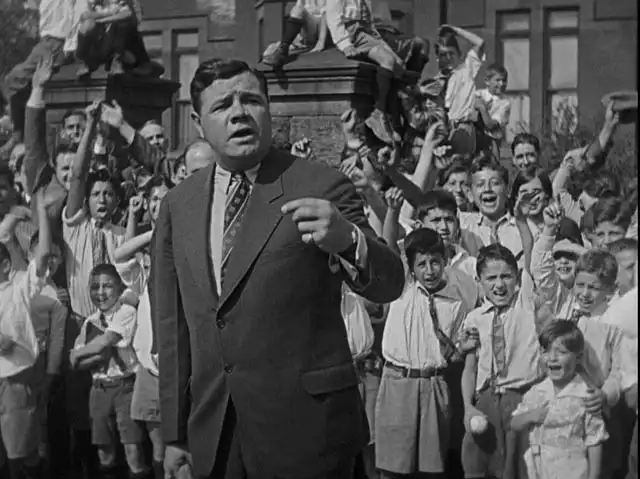
The film's primary strength lies in Harold Lloyd's magnetic performance and his incredible physical comedy. The stunts are genuinely impressive, particularly the climactic chase where the trolley is meticulously dismantled and reassembled mid-journey across the city. The production values are high, evident in the scale of the location shooting and the sheer number of extras. The Babe Ruth cameo, while brief, is a delightful historical curiosity that adds a layer of star power and cultural context to the film.
However, the narrative, while clear, is undeniably thin. The corporate villains are cartoonish and one-dimensional, existing solely to drive the plot forward without any real menace. As mentioned, some of the middle sections feel a bit like filler, a series of episodic gags that don't always build effectively towards the grander conflict. While the visual gags are plentiful, a few land softer than others, and the reliance on title cards means some of the dialogue-based humor feels a bit broader than it might have if delivered verbally.
Speedy is a joyous, often breathtaking ride that showcases Harold Lloyd at the peak of his powers. It's a testament to the enduring appeal of silent cinema and a fantastic time capsule of 1920s New York. While it occasionally meanders and its emotional stakes are minimal, the sheer energy, creativity, and physical prowess on display make it an absolute must-see for anyone with an interest in film history or simply a good, old-fashioned laugh. It's a film that earns its title, and then some.
IMDb —
1925
Community
Log in to comment.