DbcultAccessing Vault...
6.7/10
Senior Film Conservator
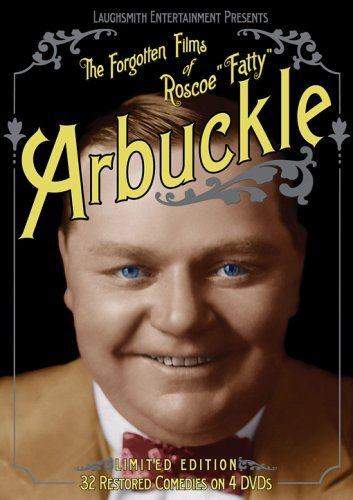
A definitive 6.7/10 rating for a film that redefined the boundaries of cult cinema. Love remains a cornerstone of transgressive art.
The very title Love feels like both challenge and confession for Roscoe Arbuckle—a comedian then synonymous with custard pies and anarchic chases, daring to frame romance without spoken endearments. What emerges isn't mere genre exercise but silent cinema's answer to Shakespearean pastoral, where hay bales become battlements and a shared water dipper serves as covenant. Vincent Bryan's deceptively simple framework—rural sweethearts sundered by paternal pragmatism—transforms under Arbuckle's direction into visual sonnetry.
Arbuckle immediately establishes the farm not as bucolic refuge but emotional minefield. Watch how dawn light slicks the dewy grass as Peter tends livestock—his eyes perpetually drifting toward Mary's window like compass needles finding north. Westover's introduction is genius in its domestic choreography: churning butter becomes ballet, her apron strings fluttering like pennants of resistance against her father's transactional worldview. Their communication happens in the grammar of sidelong glances and accidentally overlapping fingers at the well, a silent dialect more eloquent than any intertitle.
Frank Hayes' patriarch isn't mustache-twirling villain but bleak pragmatist etched in worry lines. His scenes reviewing ledgers by kerosene light mirror Peter's moonlit vigils outside Mary's room—two forms of masculine devotion locked in brutal opposition. When he announces Silas' suit during Sunday supper, the crash of Kate Price's dropped serving platter resonates like a death knell. Arbuckle frames the moment in agonizing stillness: Mary's fork suspended mid-air, gravy congealing on china, the grandfather clock's pendulum swinging like a metronome counting down to doom.
Winifred Westover achieves something extraordinary within the constraints of silent performance: her Mary possesses interiority. Notice the subtle gradient of her expressions when coerced into trying on the wedding gown—initial stiff-backed resistance melting into hollow-eyed resignation as layers of lace envelop her. The sequence where she folds Peter's love letters into origami birds before releasing them from the attic window plays like spiritual autobiography. Her face becomes a landscape where hope and despair wage civil war, particularly when juxtaposed against Al St. John's brilliantly obtuse Silas—all preening entitlement and oblivious swagger.
"Westover's genius lies in the negative spaces—the breath held before tears, the tremor in a hand hidden behind her apron. She crafts a heroine who resists through stillness, making her eventual rebellion volcanic."
Arbuckle the actor subverts expectations by muting his physical comedy until the rescue sequence. His Peter moves with coiled-spring tension, particularly in the barn confrontation where his trademark agility becomes weaponized grace. See how he disarms Silas not with fists but by collapsing a ladder into a haypile—classic slapstick repurposed as romantic strategy. The chase sequence across neighboring farms escalates into surreal poetry: ducking through clotheslines of fluttering sheets, dodging beehives swung like medieval maces, Silas' cronies (including Monty Banks' wonderfully dim henchman) foiled by their own buffoonery.
What elevates Love beyond period curiosity is its tactile exploration of romance. Arbuckle lingers on objects freighted with meaning: the whittled hair comb Peter gifts Mary, its cherry wood worn smooth from pocket-rubbing; the jar of blackberry preserves Mary smuggles to Peter—condensation on the glass mirroring their repressed longing. Even the forced wedding preparations acquire symbolic weight: the bought-not-made dress with its constricting lace collar, the tiered cake towering like edible sarcophagus.
The climactic church escape hinges on sublime object repurposing. Peter's diversion involves releasing pigs anointed with wedding perfume—a swipe at bourgeois pretension that recalls Marrying Money's satire of transactional relationships. Yet here, the chaos serves emotional truth: as townsfolk scramble after squealing livestock, Arbuckle captures Mary's epiphany in close-up. Realization floods her features—not just that escape is possible, but that respectability is prison. Her decision to hike her skirts and sprint toward Peter becomes revolutionary act.
Arbuckle's directorial choices reveal surprising sophistication. Reoccurring Dutch angles during Hayes' scenes convey the warping pressure of financial anxiety. When Silas inspects his prospective "property," the camera adopts his leering low angle, reducing Mary to porcelain doll. Contrast this with egalitarian two-shots of the lovers by the creek, compositions balanced like Renaissance portraits. The much-discussed hayloft confrontation owes less to western standoffs than to Livets Konflikter's psychological intimacy—straw motes dancing in light shafts as declarations hang unspoken.
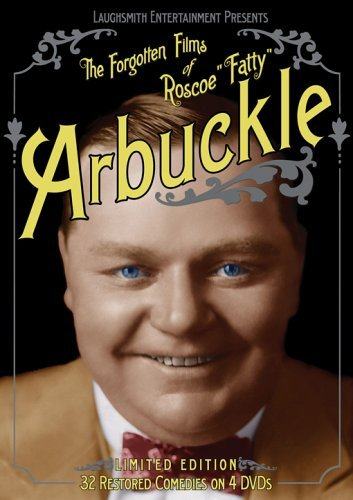
Cinematographer Elgin Lessley (later Keaton's collaborator) works miracles with natural light. The golden hour reunion scene bathes the lovers in ethereal halos, their silhouettes merging against the cornfield like Art Nouveau emblem. Compare this to the harsh noon shadows during the wedding march—jagged lines fracturing the church steps into prison bars. Even the iris transitions feel thematically resonant: not mere punctuation but visual caesuras, the screen contracting and expanding like a beating heart.
"The film's final shot—a wagon receding toward the horizon, Mary's head resting on Peter's shoulder—avoids saccharine closure. Their figures grow smaller, swallowed by vast prairie, reminding us that happy endings are merely departures with better weather."
While undoubtedly a product of its era, Love converses across decades with films exploring coerced matrimony. The father's ledger-book mentality anticipates Her Strange Wedding's gothic take on marital commerce, while Mary's quiet resilience foreshadows the factory-floor romanticism of 'Tween Heaven and Earth. Yet Arbuckle's tonal balancing act remains singular—scenes that could veer into melodrama (Mary weeping before the hearth) are undercut by deadpan humor (the cat lapping her fallen tears).
Contemporary viewers may initially chafe at the film's pacing until recognizing its rhythmic genius. The protracted quilt-mending scene between Mary and Peter isn't filler but emotional core—their fingers brushing while repairing fabric becoming metaphor for relationship maintenance. Arbuckle understands that love thrives in durational moments, not plot points. This patient accumulation of glances and gestures makes the eruption into chase sequences feel earned, not manufactured.
Viewing Love through modern lenses reveals fascinating subtexts. Kate Price's housekeeper—often backgrounded in reviews—performs crucial counterpoint. Witness her silent exchanges with Mary: eye-rolls during Silas' preening, conspiratorial nods during Peter's schemes. She represents generations of women navigating patriarchal systems through coded resistance. When she "accidentally" spills broth on Silas' suit, the moment plays as guerrilla warfare.
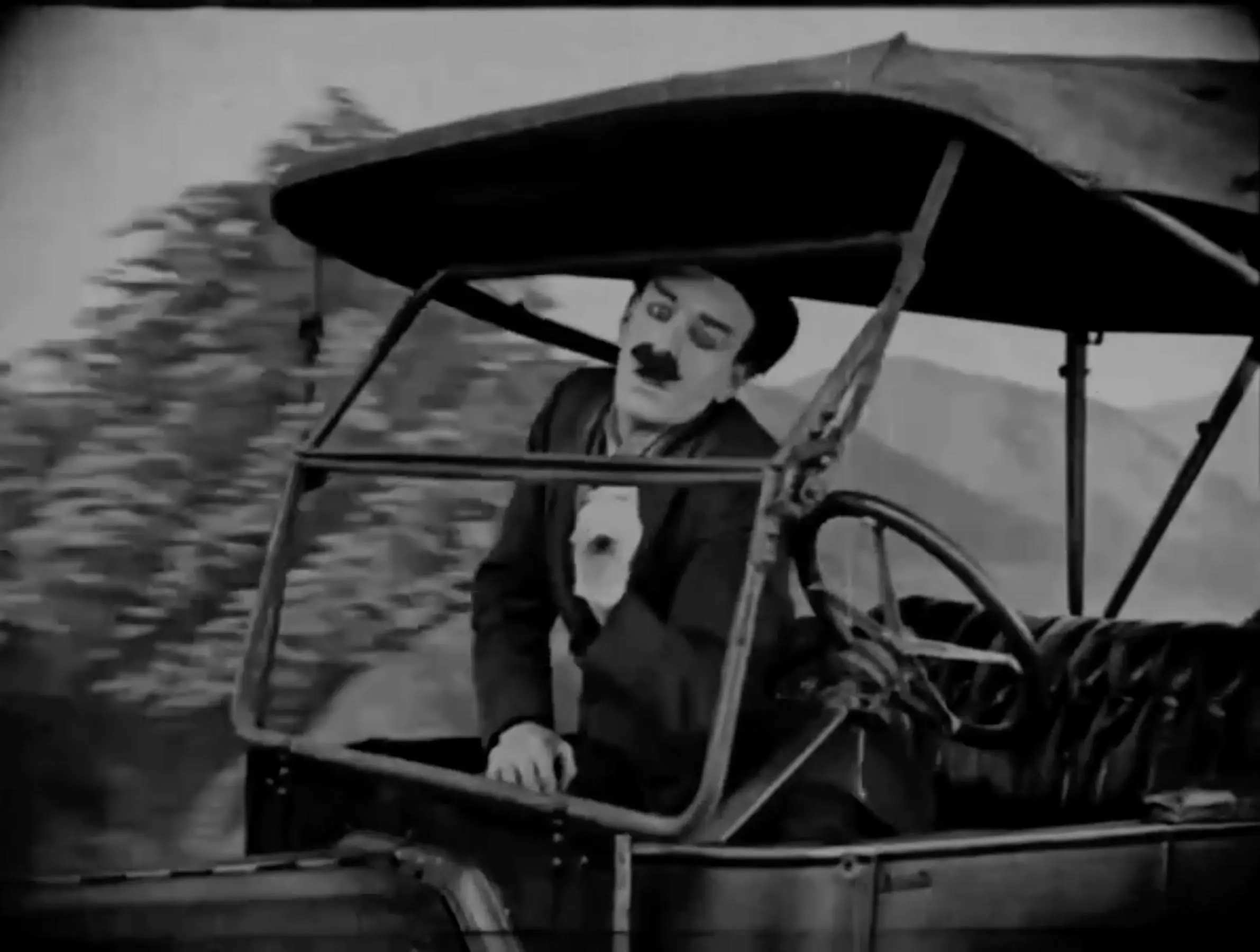
The film's rural setting also subtly critiques urbanization's encroachment. Silas isn't just romantic rival but avatar of industrial modernity—arriving by motorcar when others use horses, boasting of factory investments while farmers work soil. Peter's eventual victory symbolizes agrarianism's last stand before the mechanized 20th century. This tension between tradition and progress mirrors societal shifts explored in Lafayette, We Come, albeit through personal rather than political lens.
Ultimately, Love endures not through narrative novelty but emotional authenticity. Arbuckle restores urgency to a well-worn premise by reminding us that every love story is rebellion against something—family expectation, class boundaries, or the terrifying vulnerability of choosing another human. The film's most radical statement arrives not in the triumphant escape but in Mary's quiet before the storm: hands pausing over dough, staring at horizon with terrifying resolve. Revolution begins in the stillness.
Recent 4K restorations unveil textures previously lost to nitrate decay—the warp of oak barrels in the barn, individual threads in Mary's embroidered collar. These details matter because Arbuckle built his universe from tangible realities. Seeing Frank Hayes' ink-stained fingers or the wear patterns on Peter's overalls enriches our understanding of their economic precarity. The restored print also clarifies the brilliant edit where Mary's tear hits the dough bowl, cut to Peter's startled look as if physically struck—a psychic connection made visible.
Arbuckle's subsequent scandals unfairly overshadowed Love's artistic achievements, yet its influence permeates cinema. The doorway tableau of separated lovers anticipates Lean's Ryan's Daughter; the comedic tension during the wedding procession echoes in A School for Husbands. More profoundly, the film champions emotional intelligence over exposition—a lesson later masters from Ozu to PTA would internalize. In today's cacophonous media landscape, Love's restraint feels almost radical.
"To watch Love is to witness silent cinema's apex—not as historical artifact but living testament. Those flickering images still breathe because they honor love's fundamental truth: it flourishes not in grand declarations but in shared silences filled with being seen."
For modern audiences, the film offers surprising catharsis. In an era of dating apps and rom-com formulas, Peter and Mary's struggle feels refreshingly high-stakes. Their love requires sacrifice and courage anathema to swipe-right passivity. When they finally embrace in the fleeing wagon, their relief isn't just narrative resolution but existential triumph—a declaration that some bonds merit societal rupture. A century later, that message still lands with the weight of a purloined wedding bell crashing onto Silas' polished shoes.
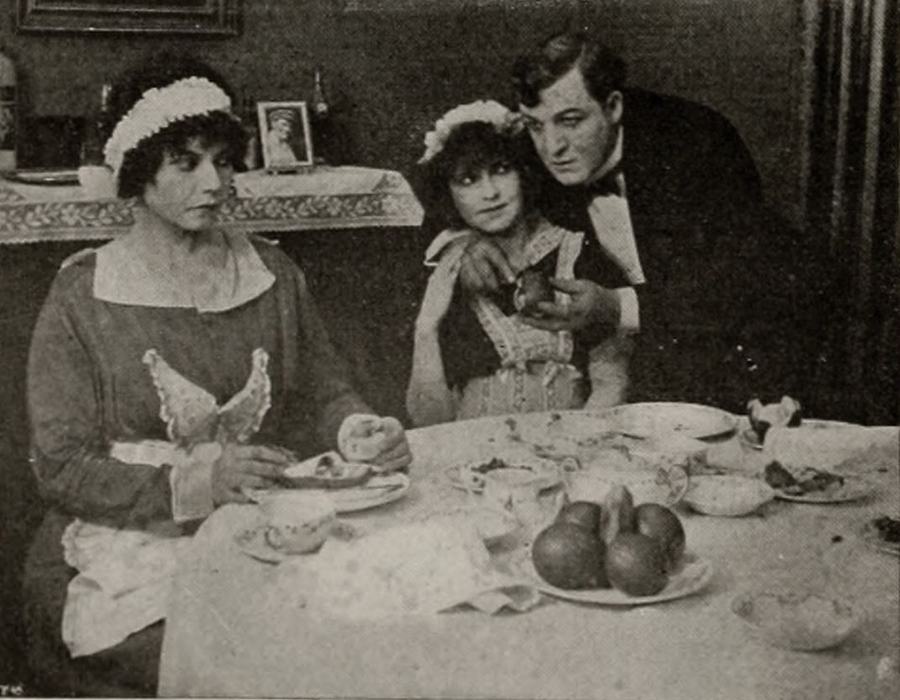
IMDb 6.3
1916
Community
Log in to comment.