A definitive 8/10 rating for a film that redefined the boundaries of cult cinema. Spielereien einer Kaiserin remains a cornerstone of transgressive art.
Alright, so you’ve got 'Spielereien einer Kaiserin' on your watchlist. If you’re into digging through *really* old cinema, the kind that feels like a history lesson just by watching, then yeah, this is worth a look. Folks who appreciate the unique rhythms of early filmmaking – the gestures, the slower pace – will probably find something to latch onto. But if you need snappy dialogue and plots that move at a modern clip, you’ll probably find yourself reaching for the remote pretty quick. This one’s for the patient crowd, the ones who don't mind a film feeling a bit… *aged*.
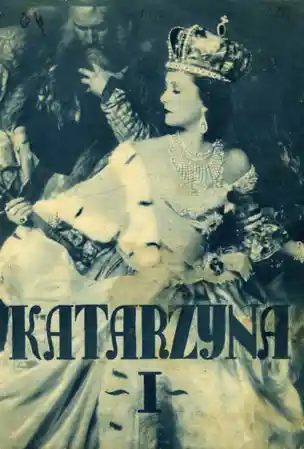
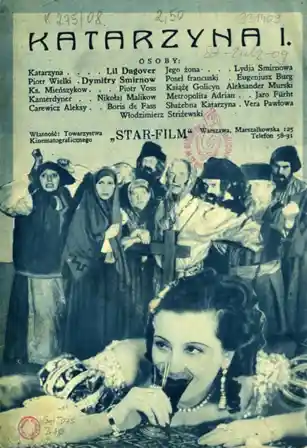
The title itself, 'Whims of an Empress,' kind of tells you what you're in for. You're not getting a big war epic. It’s more about the inner workings, the little decisions, perhaps even the *mood swings* of someone with immense power. Dina Smirnova, playing the empress, really gives it her all. Her expressions are often grand, almost operatic, which is totally a thing for films of this period. You can practically see the thought bubbles above her head sometimes. 🎭
Scene from Spielereien einer Kaiserin
Cinematic perspective: Exploring the visual vocabulary of Spielereien einer Kaiserin (1930) through its definitive frames.
The Empress and Her Court
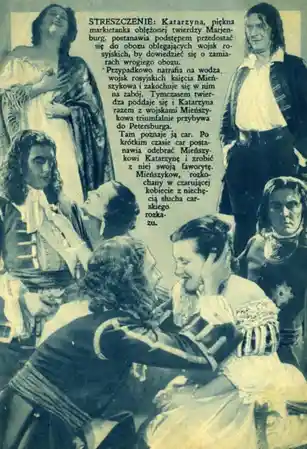
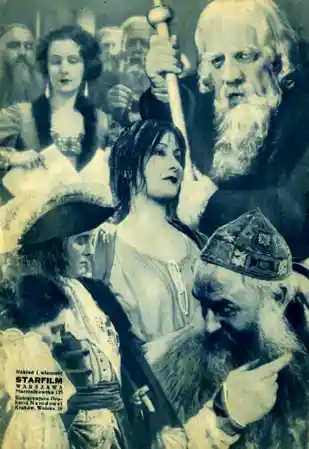
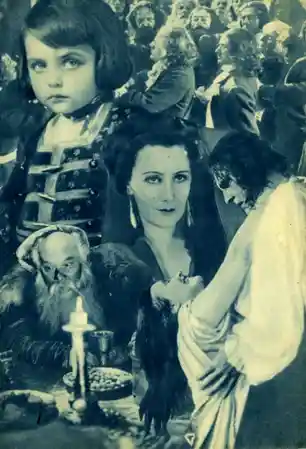
What struck me first about the court scenes was the sheer *number* of people just standing around. Not doing much, just... being present. It adds to the grandeur, sure, but also gives it this slightly static quality. Like a living painting, but sometimes you wish someone would just move a little faster.
There's this one moment, the empress is just kinda looking out a window. It goes on about 15 seconds too long. You start wondering what she's seeing, then if the camera operator just forgot to cut. But then, it shifts, and you realize it’s supposed to be *pensive*. This film asks you to meet it where it is.
Scene from Spielereien einer Kaiserin
Cinematic perspective: Exploring the visual vocabulary of Spielereien einer Kaiserin (1930) through its definitive frames.
The costuming, though. Oh, the costuming! 👑 So much velvet, so many feathers. Even if the sets are a bit sparse – some painted backdrops and a few ornate chairs – the clothes make up for it. You can tell they put a lot of effort there. Vera Pawlowa, as another court figure, always seems to have the most dramatic headpieces. It’s a little detail, but it makes her stand out.
The way the empress often just *points* dramatically instead of speaking.
A lot of intense staring contests happen.
Someone is always fanning themselves, even indoors.
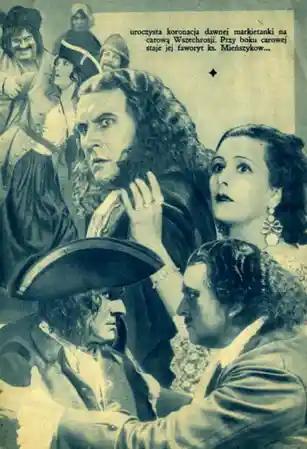
And Boris de Fast, as some kind of aide or perhaps a rival, has a really intense gaze. He's always lurking a bit, in the background, just watching. It’s a good touch, makes you wonder what he's planning. Or if he just needs more coffee.
Scene from Spielereien einer Kaiserin
Cinematic perspective: Exploring the visual vocabulary of Spielereien einer Kaiserin (1930) through its definitive frames.
The Pacing and Those Little Quirkiness
The movie’s rhythm is... deliberate. There are long stretches where not a lot of plot happens, but you're just watching people react to each other, or to a decree the empress just made. The drama builds slowly. Sometimes *too* slowly.
“The crowd scenes have this oddly empty feeling, like half the extras wandered off.”
Scene from Spielereien einer Kaiserin
Cinematic perspective: Exploring the visual vocabulary of Spielereien einer Kaiserin (1930) through its definitive frames.
One reaction shot of Jaro Fürth, after the empress makes a particularly whimsical decision, lingers so long it almost becomes funny. He just keeps blinking, like he’s trying to process it. You can almost feel the film trying to convince you this moment matters, even if it's just a small court squabble. And it does, in its own way.
The film uses a lot of intertitles, naturally, for dialogue and context. Some of them are surprisingly poetic. Others, a bit clunky in their translation, give the whole thing a slightly charming, *imperfect* feel. You get a real sense of the era, you know?
Scene from Spielereien einer Kaiserin
Cinematic perspective: Exploring the visual vocabulary of Spielereien einer Kaiserin (1930) through its definitive frames.
There's a scene involving a letter – a very important letter, we’re told. The empress reads it, then re-reads it. Then she gives it to an attendant, who also reads it, very slowly. Then another character takes it and *starts* to read it. It feels like the movie really wants you to understand the *gravity* of this particular piece of paper. It’s a small thing, but it’s so specific to how these films would draw out a moment. You wouldn't see that today.
Lil Dagover also appears, not as a central figure, but in a supporting role that still manages to grab your eye. She has a grace that just pops off the screen, even in these older formats. Her movements are just a little bit more fluid than some of the others, a real quiet power there. It's a nice contrast to the sometimes exaggerated acting styles.
Overall, 'Spielereien einer Kaiserin' isn't going to be everyone's cup of tea. It’s a quiet film, a piece of cinematic history that asks you to slow down and appreciate its particular kind of storytelling. It’s not about flashy moments, but about the small, often peculiar, details of a bygone era's interpretation of royalty. Worth it if you’re a film historian or just curious. Others? Maybe try Blondes instead.
Bits and Bobs I Noticed:
The way the empress holds her teacup: very delicate, pinky out.
Someone in the background of a banquet scene kept wiping their brow.
The music (if you’re watching with a good score) often feels like it's trying too hard to tell you how to feel.
A lot of very formal bows. Like, *really* deep bows.