DbcultAccessing Vault...
Cult Review
Senior Film Conservator
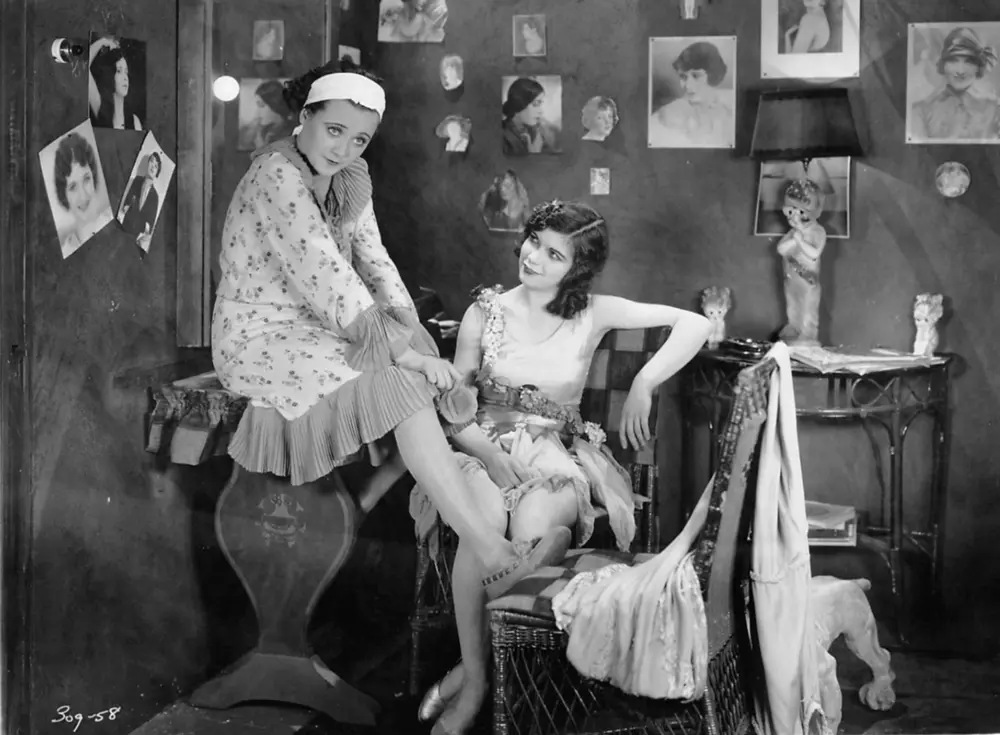
Is the 1927 silent film Becky worth your time in the modern era? Short answer: Yes, but only if you appreciate the specific visual language of late-silent melodrama and can stomach a narrative that is intentionally cruel to its protagonist.
This film is designed for historians of the 'Working Girl' trope and fans of the late 1920s MGM aesthetic, whereas it is definitely not for viewers who require a fast-paced plot or a happy, neatly-wrapped ending.
This film works because it captures the authentic desperation of the 1920s working class through Sally O'Neil’s remarkably grounded performance.
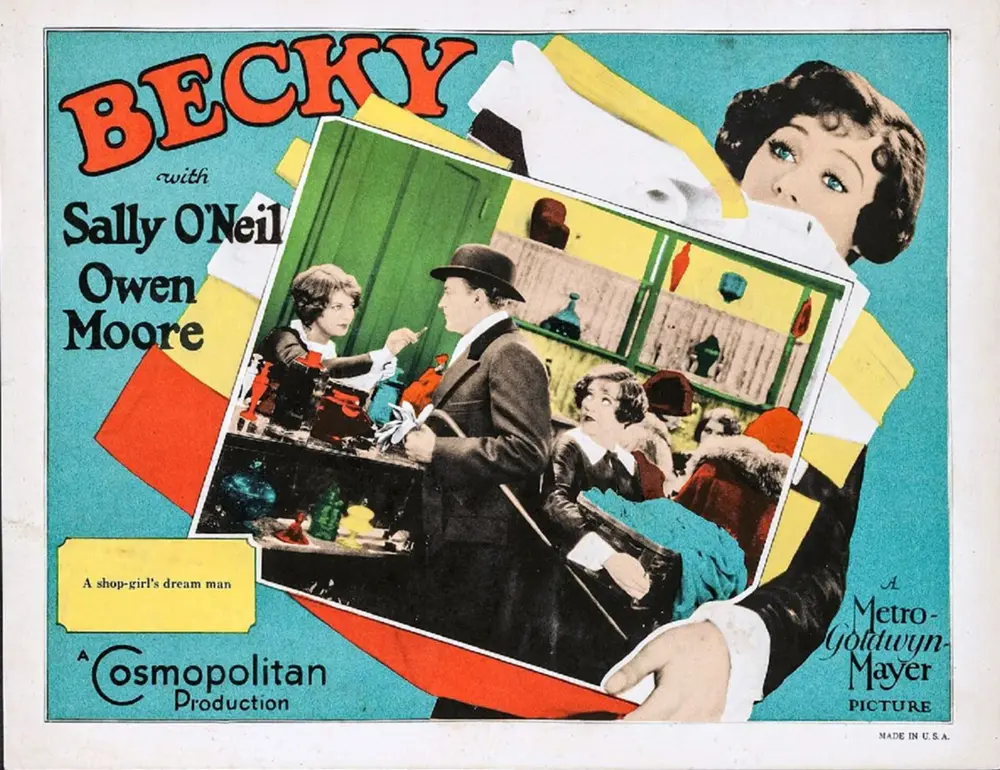
This film fails because the central romance lacks any real chemistry, making the playboy’s eventual rejection feel like a foregone conclusion rather than a shocking betrayal.
You should watch it if you want to see a rare example of a silent film that refuses to offer a fairy-tale resolution to the 'Cinderella' story.
Becky is a fascinating look at the 'Shop Girl' archetype that dominated the 1920s. Unlike the more whimsical treatments of this theme found in films like The Gaiety Girl, Becky feels surprisingly cynical. The opening sequences in the department store are filmed with a sense of claustrophobia. We see Becky handling fabrics and dealing with entitled customers, a stark contrast to the sprawling, empty spaces of the playboy’s mansion later in the film.
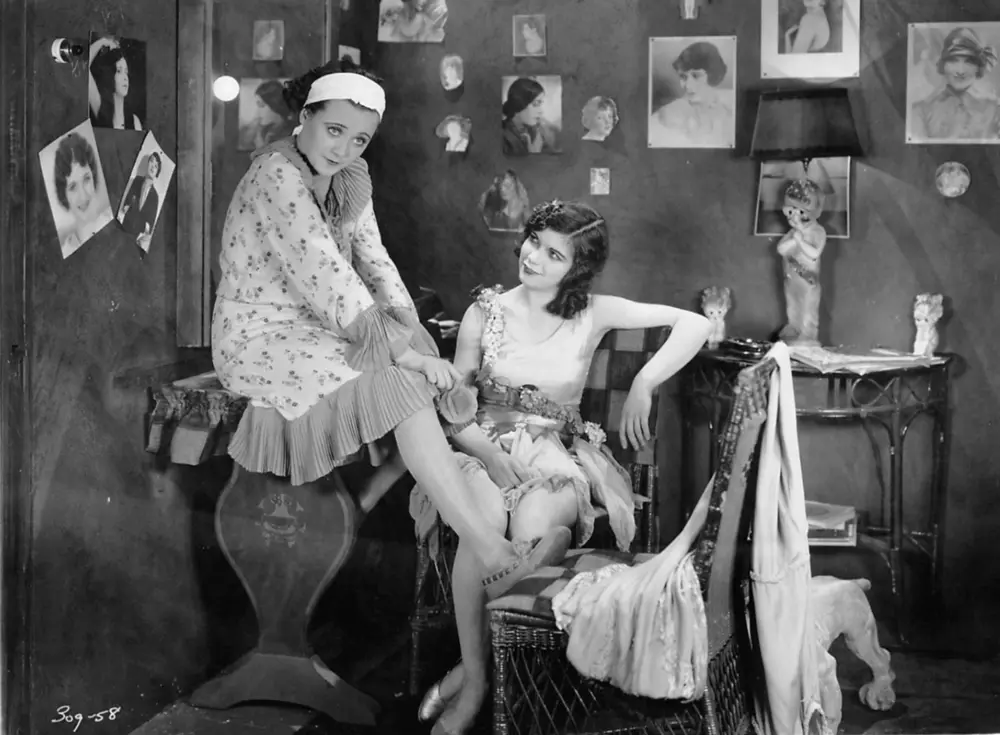
The transition to Broadway is handled with a montage that emphasizes work over glamour. We see the sweat, the repetitive rehearsals, and the exhaustion. This isn't just a lucky break; it’s a grueling career shift. When Becky finally makes it, her success feels earned, which makes her subsequent fall even harder to swallow. The film doesn't shy away from the idea that talent is often secondary to social standing.
Sally O'Neil is the heart of this production. In an era where many actresses were still clinging to the exaggerated gestures of the early silent era, O'Neil uses her eyes with a modern subtlety. There is a specific scene where she first enters the playboy's social circle—she tries to mimic the posture of the wealthy women around her, but her hands betray her nervousness. It is a masterclass in physical acting that says more than any title card could.
Comparing her performance to the leads in A Model's Confession, you can see a clear evolution in the MGM house style. O'Neil isn't playing a caricature; she's playing a woman who is terrified of being found out. Her vulnerability is the only thing that keeps the audience anchored when the script begins to veer into predictable melodrama.
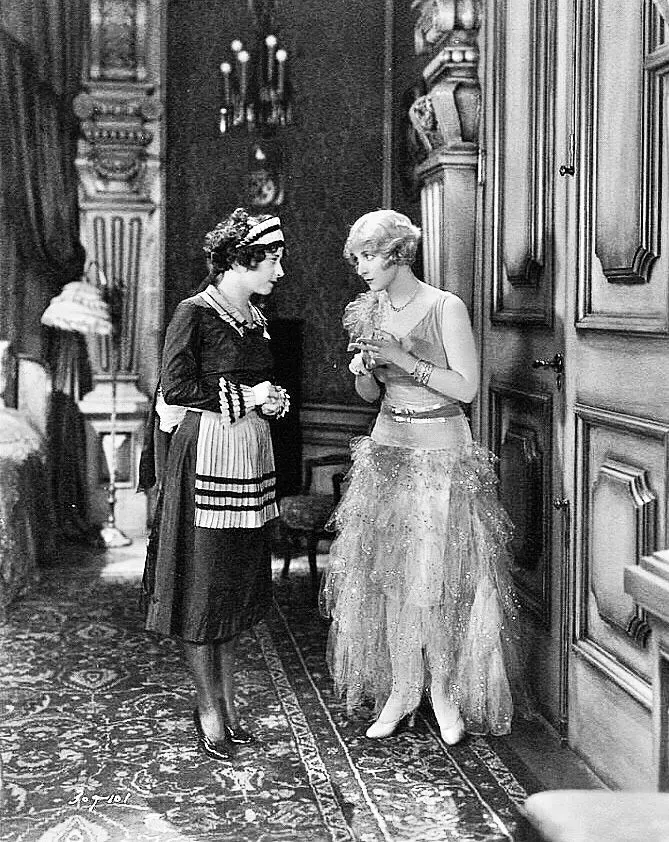
Mack Swain provides the necessary levity as a comedic foil, but even his humor feels tinged with a bit of the era's weariness. On the other end of the spectrum, Owen Moore’s portrayal of the society playboy is almost too effective. He is cold, distant, and utterly devoid of empathy. While this makes the character's eventual rejection of Becky believable, it makes the audience wonder why she was attracted to him in the first place. He is a total vacuum of a character.
The writers, including Marian Constance Blackton, clearly had an axe to grind regarding the class structure of the 1920s. The film posits that no matter how much talent or 'polish' a girl from the sales floor acquires, she will always be viewed as an interloper by the old money elite. This theme is explored with more nuance here than in contemporary films like The Risky Road or Mary Regan.
The rejection scene is the film's emotional peak. It takes place not in a private room, but in a semi-public social setting, maximizing Becky's humiliation. The playboy doesn't just break up with her; he dismisses her as if she were a piece of faulty merchandise from her old department store. It is a brutal, punchy moment that strips away the artifice of the Broadway glamour.
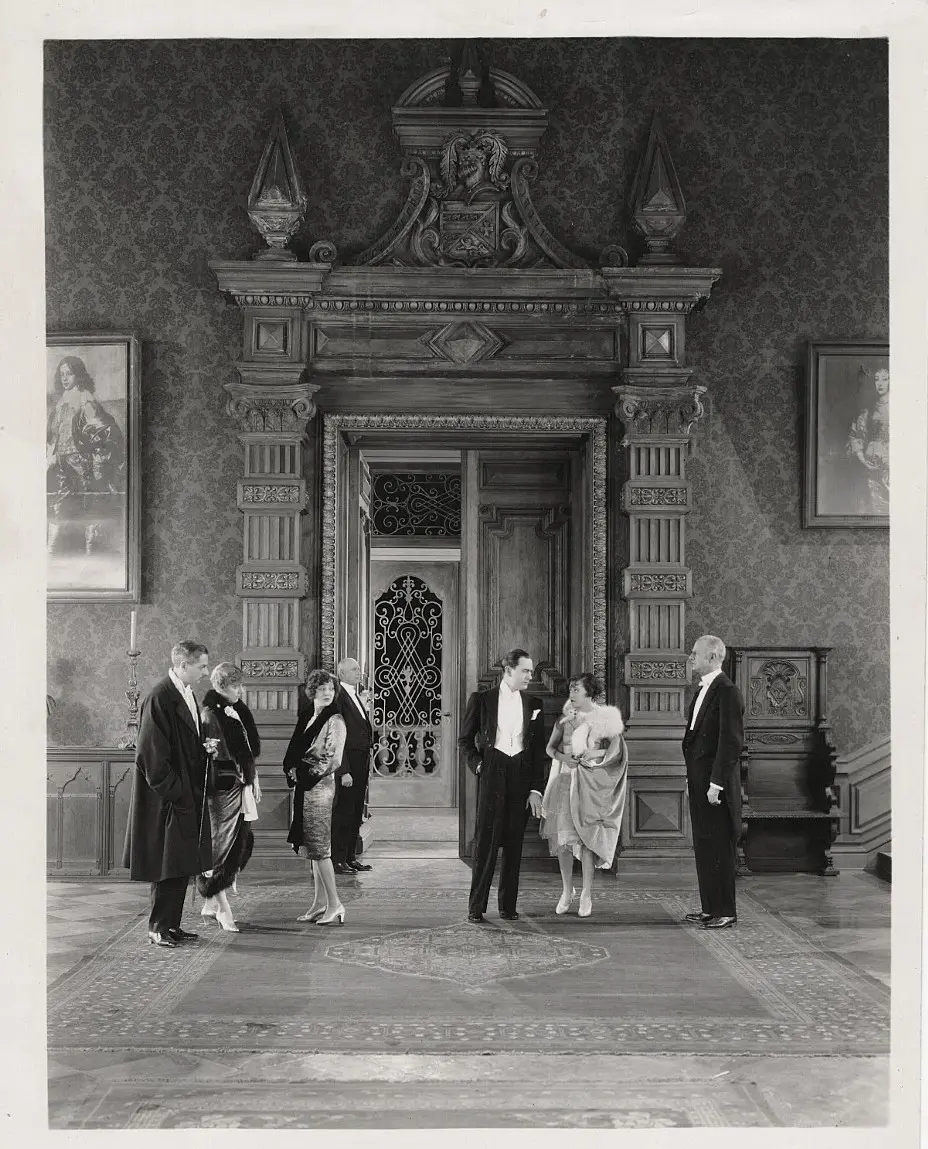
By 1927, the silent film had reached its technical zenith. The lighting in Becky is sophisticated, using shadows to delineate the 'safe' world of the theater from the 'dangerous' world of high society. The cinematography doesn't just document the story; it interprets it. The camera often lingers on objects—a discarded glove, a sparkling necklace—to symbolize Becky's changing status.
The pacing, however, is where the film struggles. The middle section, focusing on the rehearsals, drags significantly. It feels as though the directors were trying to pad the runtime to meet feature-length requirements. It’s a bit of a slog in the second act, but the payoff in the final twenty minutes justifies the wait.
If you are looking for a lighthearted evening of entertainment, look elsewhere. Becky is a somber, often frustrating experience. However, for those interested in the history of cinema and the depiction of women in the 1920s, it is essential viewing. It provides a raw look at the intersection of fame and class that few other films of the period dared to touch.

"Becky isn't a film about winning; it's a film about the cost of trying to play a game where the rules are rigged against you from the start."
Pros:
Cons:
Becky (1927) is a flawed but fascinating piece of cinema. It works. But it’s flawed. The film’s refusal to give Becky a happy ending makes it stand out in a sea of forgotten silent romances. While it may not have the name recognition of other 1927 releases, its grounded approach to class and ambition makes it a worthy addition to any cinephile's watchlist. It’s a bitter pill to swallow, but one that reflects the reality of its era with surprising honesty.
IMDb —
1917
Community
Log in to comment.