DbcultAccessing Vault...
Cult Review
Senior Film Conservator
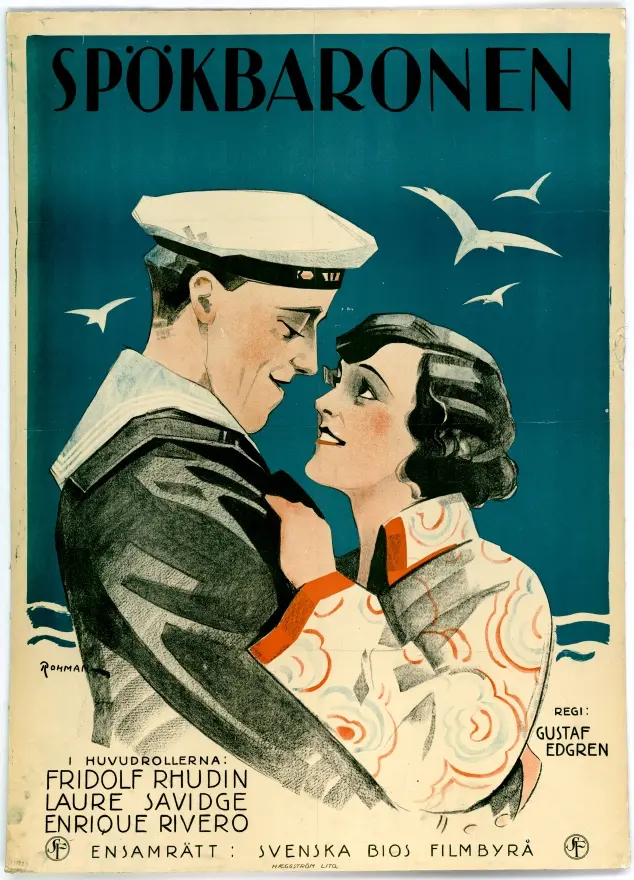
Is Spökbaronen worth watching today? Short answer: yes, but with significant caveats that demand a particular viewing mindset. This 1927 Swedish silent comedy is primarily for those with a deep appreciation for early cinema, especially Nordic productions, and a willingness to engage with its unique pace and humor; it is decidedly NOT for viewers seeking modern comedic sensibilities, fast-paced narratives, or high-octane drama.
At its core, Spökbaronen (The Ghost Baron) offers a fascinating glimpse into a bygone era of filmmaking, a period when storytelling relied solely on visual cues, expressive performances, and the power of intertitles. It’s a film that, despite its age, manages to deliver moments of genuine charm and even a few hearty laughs, provided you adjust your expectations.
This film works because of its surprisingly effective lead performance and its commitment to a classic comedic premise. It fails because its pacing can be glacial, and some of its humor is undeniably dated, requiring a good deal of historical empathy from the audience. You should watch it if you are a cinephile keen on exploring the roots of Swedish cinema, appreciate the artistry of silent film acting, or simply enjoy a lighthearted, if somewhat slow, historical curiosity.
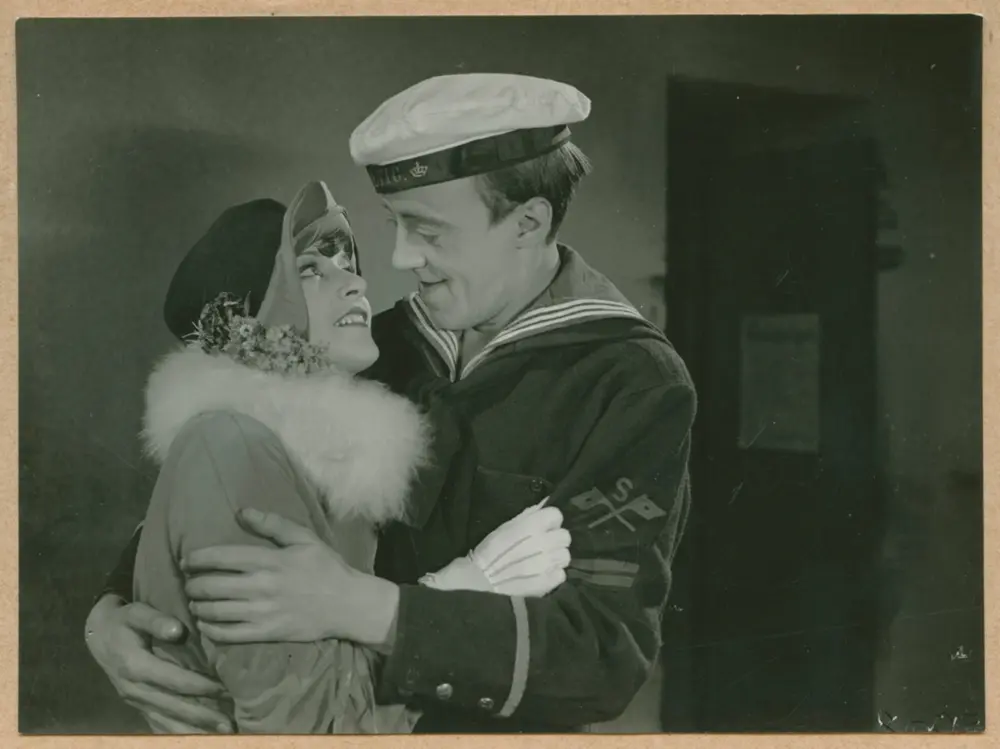
The plot of Spökbaronen is elegantly simple, leaning into the well-worn trope of amnesia for its comedic and dramatic thrust. Baron Conrad Wirvelpihl, played with admirable dedication by Knut Frankman, suffers a head injury that wipes his memory clean. This isn't just a physical ailment; it's an existential crisis for a man whose identity is so intertwined with his social standing and personal history. The film then embarks on his disorienting journey, where familiar faces become strangers and his own life story is a bewildering blank slate.
Writers Sölve Cederstrand and Gustaf Edgren (who also directs) craft a scenario ripe for both slapstick and moments of poignant confusion. The Baron, stripped of his aristocratic bearing and knowledge, is forced to interact with the world anew, leading to a series of mistaken identities, awkward encounters, and a delightful subversion of his former status. One particularly effective sequence involves the Baron attempting to navigate a simple social interaction, his eyes darting with confusion as he tries to piece together context from the bewildered expressions of those around him. It’s a subtle touch that elevates the character beyond mere caricature.
However, the narrative sometimes struggles to maintain a consistent comedic tone. There are moments where the film leans too heavily into the potential tragedy of amnesia, introducing elements that feel at odds with the overall lighthearted intent. This tonal inconsistency, while not fatal, does occasionally disrupt the flow, making it harder to fully immerse oneself in the comedic world the film tries to build. It’s a common pitfall for silent comedies that attempt to blend genres, and Spökbaronen doesn’t entirely escape it.
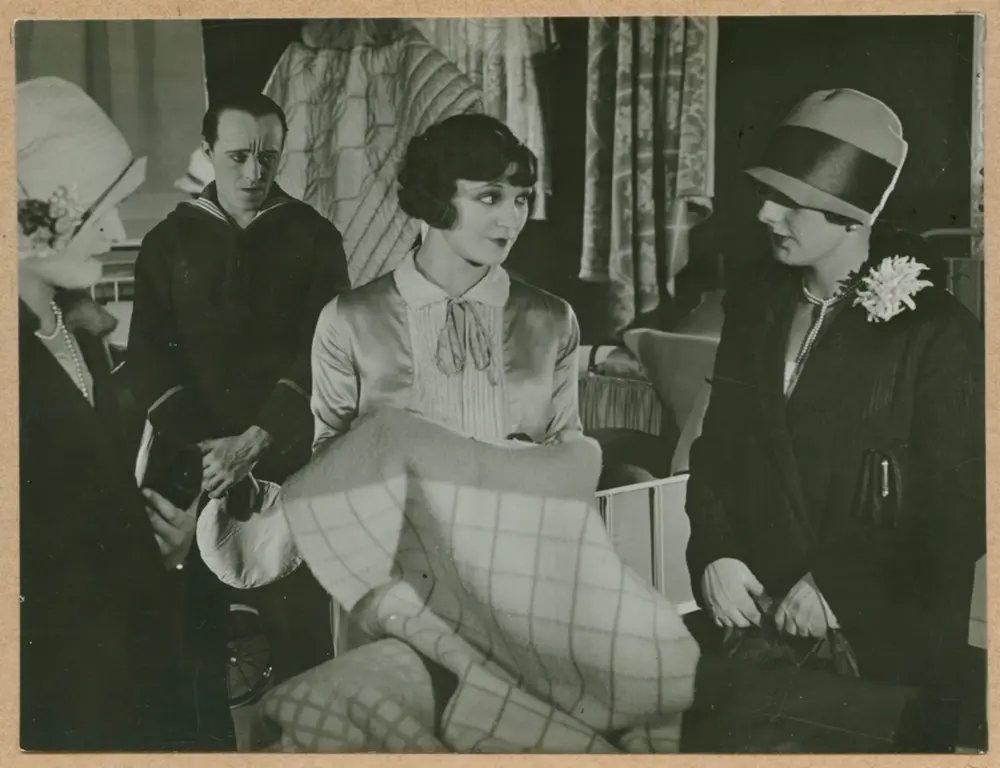
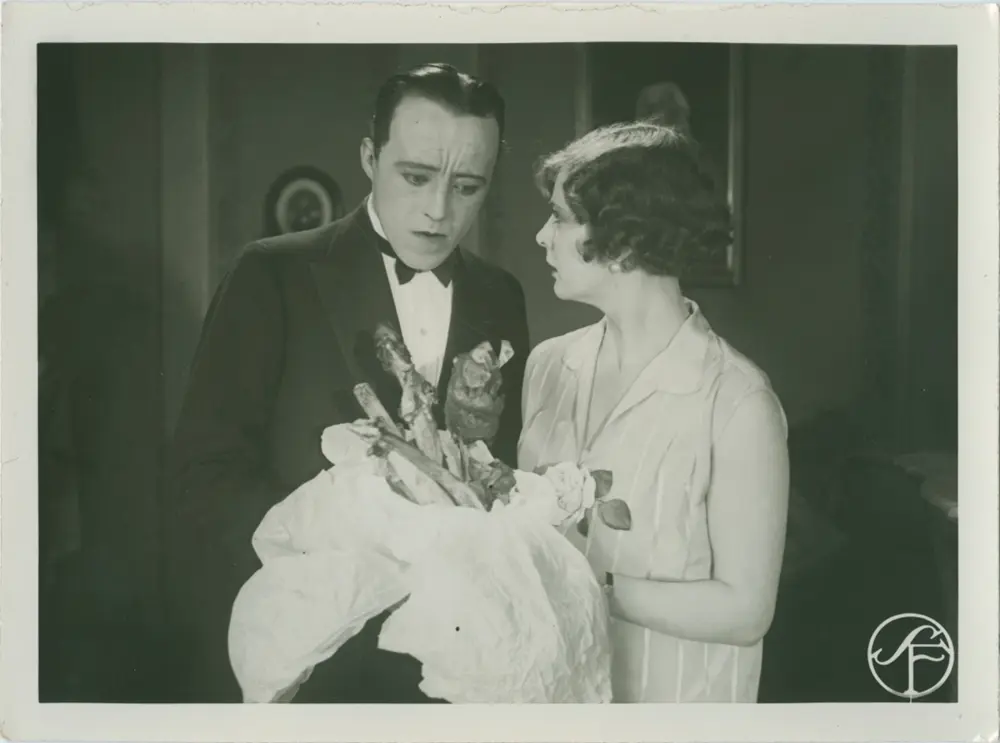
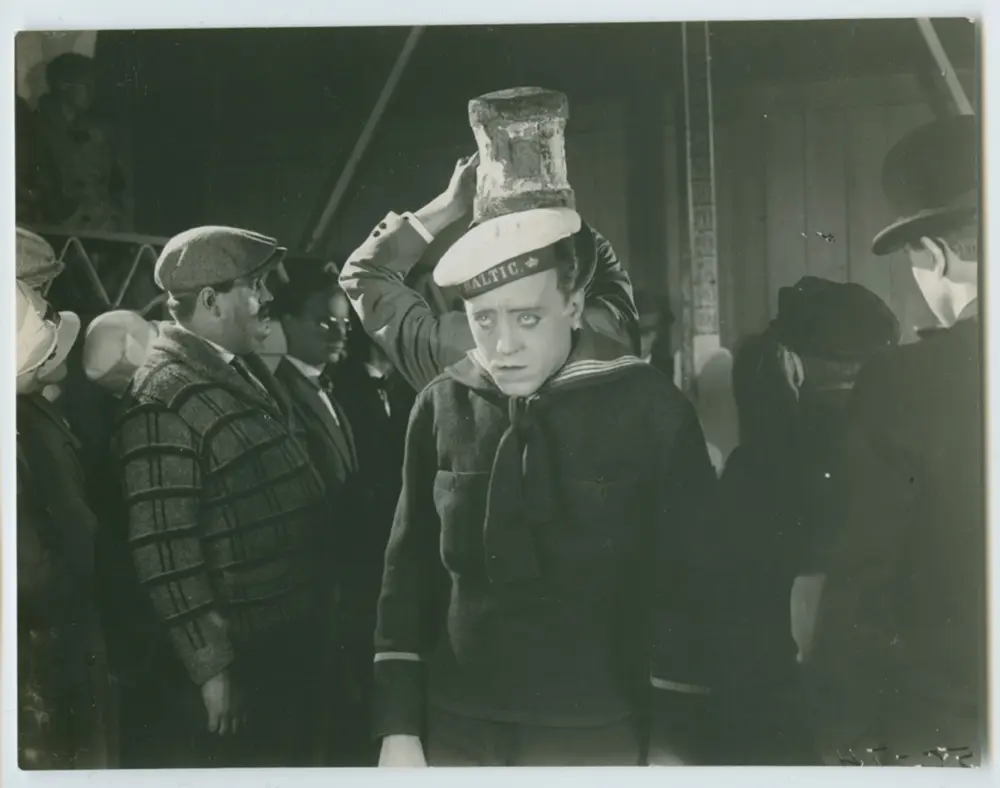
The success of any silent film hinges almost entirely on the expressiveness and physicality of its cast, and Spökbaronen is no exception. Knut Frankman as Baron Conrad Wirvelpihl carries the bulk of this responsibility, and for the most part, he delivers. His portrayal of a man grappling with a lost past is both comedic and surprisingly empathetic. Frankman’s physical comedy, from his bewildered stares to his clumsy attempts at regaining composure, is the film's strongest asset. There’s a particular scene where he tries to remember a simple task, his hands fumbling and eyes wide with frustration, that truly sells the character's predicament.
Laure Savidge, whose role is central to the Baron’s journey, provides a compelling counterpoint to Frankman’s antics. Her expressive face and natural grace bring a much-needed emotional anchor to the narrative, particularly as she navigates her own feelings about the 'new' Baron. Her reactions to his memory lapses are often more telling than the intertitles themselves, conveying a complex mix of concern, confusion, and budding affection. It’s a performance that demonstrates the power of understated acting in the silent era.
The supporting cast, featuring familiar faces like Weyler Hildebrand and Thor Modéen, adds layers of character to the bustling world of the Baron. Hildebrand, often a reliable comedic presence, embodies the exaggerated archetypes common in silent films, his gestures broad and his expressions cartoonish. While effective for quick laughs, these performances occasionally border on caricature, a stark contrast to Frankman and Savidge's more nuanced portrayals. This unevenness in acting styles is a minor distraction, but noticeable. One might even argue that Modéen, despite his limited screen time, steals a few scenes with his sheer presence, a testament to his comedic timing even without dialogue.
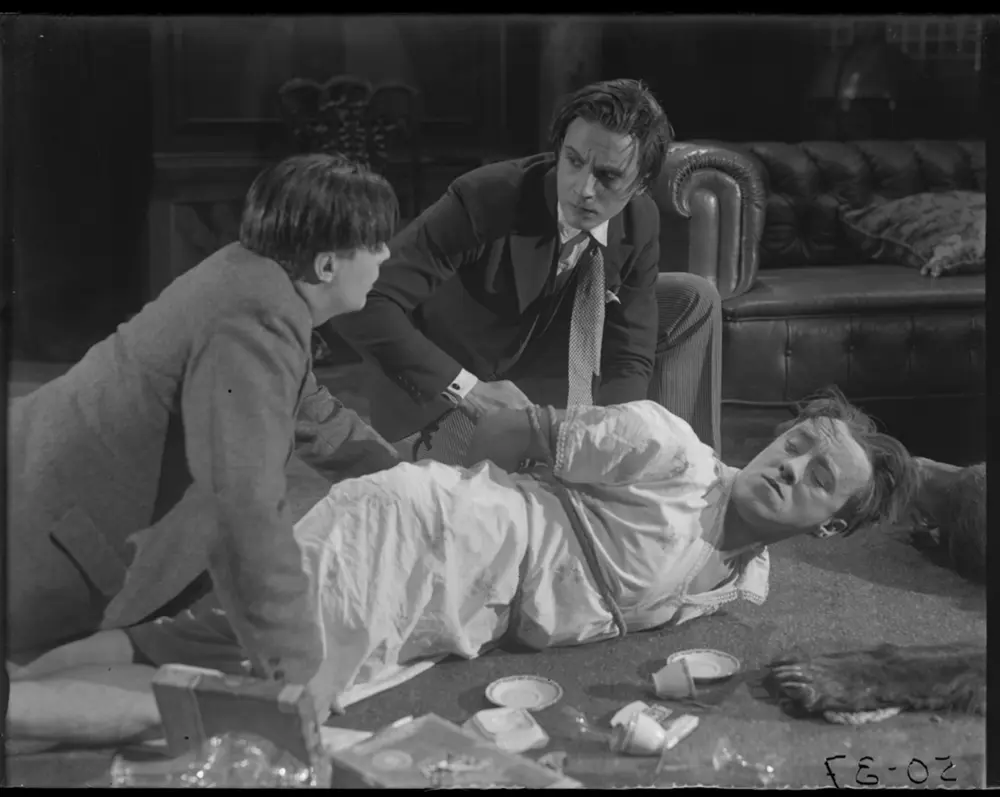
Gustaf Edgren, pulling double duty as writer and director, demonstrates a solid, if not groundbreaking, understanding of silent film aesthetics. His direction is competent, focusing on clear storytelling and allowing the actors ample space to perform. The camera work is largely static, typical of the period, but Edgren employs close-ups effectively to highlight key emotional beats and comedic reactions. For instance, the recurring close-up on Frankman’s bewildered face after a particularly confusing interaction is a simple yet potent visual gag.
The cinematography, while not as artful or experimental as some of its contemporaries like F.W. Murnau's work in Vampyrdanserinden, serves the story well. The film utilizes natural light effectively in many outdoor scenes, giving a crisp, authentic feel to the Swedish landscapes and urban settings. Indoor scenes are lit with a functional brightness, ensuring that all the action and expressions are clearly visible. There’s a charming simplicity to the visual style, which avoids unnecessary flourishes, choosing instead to prioritize clarity and narrative progression. The framing of scenes, such as the Baron's initial accident, is straightforward, emphasizing the impact of the event without resorting to dramatic camera angles.
However, the film’s visual language doesn't venture into particularly innovative territory. Compared to the dynamic camera movements and elaborate set designs seen in some American or German productions of the same era, Spökbaronen feels rather conventional. This isn't necessarily a flaw, especially for a comedy, but it means the film relies more on its performances and plot than on its visual spectacle. It's a pragmatic approach, perhaps dictated by budget or the prevailing filmmaking styles in Sweden at the time, but it limits the film's lasting visual impact. The sets, while functional, lack the intricate detail that could have further enriched the Baron's world.
Pacing is often the most challenging aspect for modern viewers approaching silent films, and Spökbaronen is no exception. The film unfolds at a leisurely pace, taking its time to establish characters and situations. While this allows for a deeper appreciation of the comedic setups, it can also lead to moments where the narrative momentum flags. There are sequences, particularly in the middle act, where the plot seems to meander, relying on repetitive gags or extended reaction shots that could have been tightened.
The tone of the film oscillates between lighthearted comedy and a more sentimental, almost melodramatic, exploration of identity and belonging. This blend can be both a strength and a weakness. When the comedy is sharp, such as the Baron's utterly confused attempts to interact with his former servants, the film sparkles. But when it shifts to moments of pathos, such as his struggle with the emotional weight of his amnesia, the transition isn't always seamless. This tonal fluctuation is perhaps the film's biggest structural challenge, preventing it from fully committing to either its comedic or dramatic potential.
For example, the initial setup of the Baron's amnesia and his subsequent confusion is handled with a delicate balance of humor and genuine sympathy. However, as the film progresses and the search for his memory becomes more central, the comedic elements sometimes feel forced alongside the growing emotional stakes. This creates a slightly disjointed viewing experience, where the audience is unsure whether to laugh or feel pity. It works. But it’s flawed. The film would have benefited from a more consistent comedic voice, perhaps taking a cue from the more focused farces of the era, which often prioritized rapid-fire gags over emotional depth.
For the right audience, Spökbaronen is absolutely worth watching. It offers a unique window into early Swedish cinema, showcasing a talented cast and a director working within the conventions of the silent era. It’s a historical document as much as it is an entertainment piece, revealing the comedic sensibilities and social dynamics of 1920s Sweden.
However, it demands patience. If you're new to silent films, its deliberate pace and reliance on visual storytelling might be a hurdle. It’s best approached with an open mind and an appreciation for film history, rather than a quest for modern entertainment.
Consider it a valuable artifact. It's a charming, if imperfect, example of a specific time and place in cinematic history, offering insights into the comedic craft before the advent of sound.
Pros:
- Engaging central performance by Knut Frankman.
- Charming, classic amnesia plot with comedic potential.
- Valuable historical insight into Swedish silent film.
- Moments of genuine, understated humor.
- Laure Savidge provides a strong emotional core.
Cons:
- Slow and deliberate pacing may test modern audiences.
- Tonal inconsistencies between comedy and melodrama.
- Some supporting performances lean too heavily into caricature.
- Visuals are functional but rarely innovative.
- Humor can feel dated, requiring historical context.
Spökbaronen is a film that deserves to be seen, not necessarily for its groundbreaking artistry, but for its enduring charm and historical significance. It’s a testament to the universal appeal of a well-told story, even when stripped of dialogue and color. Knut Frankman’s performance alone makes it a worthwhile endeavor for anyone with an interest in the silent era, as he navigates the complexities of a lost identity with both humor and grace.
While it won't resonate with every viewer, those who approach it with patience and an appreciation for cinematic history will find a quaint, often delightful, experience. It's a reminder that even in the early days of cinema, filmmakers were adept at crafting narratives that could evoke laughter and empathy. It stands as a solid, if not spectacular, entry in the canon of Swedish silent film, offering a gentle, comedic journey into the heart of a man who has lost everything but his spirit.
IMDb 5.7
1933
Community
Log in to comment.