DbcultAccessing Vault...
Cult Review
Senior Film Conservator
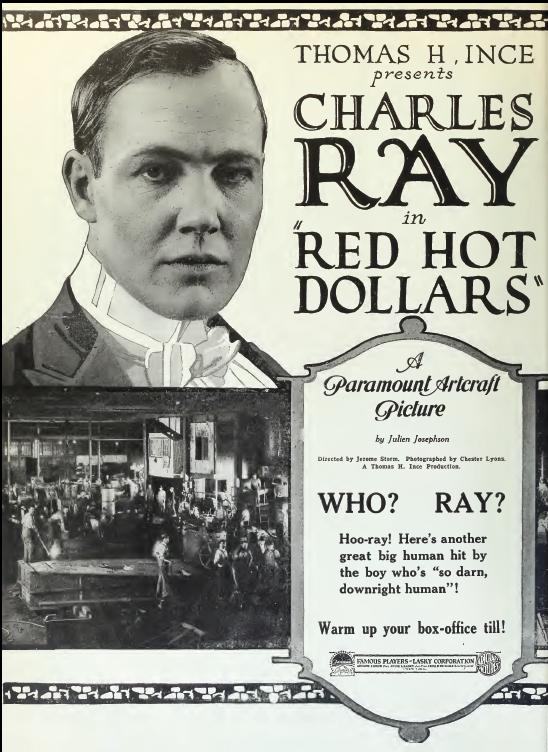
Stepping back into the flickering glow of the early 20th century, one encounters 'Red Hot Dollars,' a cinematic artifact from 1919 that, in its very essence, encapsulates the dramatic vigor and thematic ambition characteristic of the silent era. This film, penned by the prolific Julien Josephson, is more than just a period piece; it's a vibrant tapestry woven with threads of burgeoning romance, stark class divisions, and a deeply entrenched, almost Shakespearean, familial animosity. It invites us not merely to observe a story unfold but to immerse ourselves in a world where grand gestures and profound conflicts were communicated through the expressive power of the human face and body, a testament to the artistry that preceded the spoken word on screen.
At its core, 'Red Hot Dollars' presents a narrative that, while seemingly straightforward, is imbued with layers of social commentary and emotional complexity. We are introduced to a dynamic young man, portrayed with compelling earnestness by Charles Ray, whose life is inextricably linked to the clang and roar of a steel mill. This industrial backdrop is not merely scenery; it's a character in itself, a symbol of the era's relentless progress and the often-harsh realities of the working class. Ray's character, a man of integrity and spirit, finds his world irrevocably altered by two pivotal events. First, he falls deeply in love with the daughter of an aged Scotsman, a figure who likely embodies traditional values and perhaps a resistance to the very industrial forces that shape the young man's life. This initial romantic entanglement immediately sets the stage for a clash of worlds, a potential bridging of social or cultural divides through the pure force of affection.
The second, and arguably most catalytic, event is his heroic intervention to save the life of the steel mill's owner. This act of bravery, a moment of profound selflessness, elevates him dramatically from his station. The owner, recognizing not just courage but perhaps a kindred spirit or an heir to his industrial empire, adopts the young man. This transformation from laborer to scion is a classic narrative trope, mirroring stories of social mobility and the American dream, yet it is here that the film truly begins to twist its knife. The revelation that the benevolent mill owner and the father of his beloved are sworn, mortal enemies introduces a devastating conflict. The very foundation of his happiness — his love and his newfound status — are now precariously balanced on a precipice of ancient hatred. This intricate web of relationships and rivalries elevates the plot beyond simple melodrama, hinting at the deeper societal tensions that often simmer beneath the surface of industrial progress.
The success of any silent film hinges on the ability of its cast to convey emotion, nuance, and character without the aid of dialogue. In 'Red Hot Dollars,' the ensemble rises to this formidable challenge with commendable skill. Charles Ray, a prominent figure of the era known for his 'country boy' or 'common man' roles, delivers a performance that is both robust and endearing. His portrayal of the young steelworker navigating the treacherous waters of love and loyalty is particularly resonant. Ray's expressive face and body language articulate the internal turmoil of a man caught between two irreconcilable forces, making his journey feel profoundly human and relatable. His earnestness prevents the character from becoming a mere pawn in a larger conflict; instead, he emerges as an active, striving individual.

Gladys George, who plays the Scotsman's daughter, provides a compelling counterpart to Ray. Her performance, even without vocal inflection, must convey the depth of her affection and the pain of her predicament. The chemistry between Ray and George is crucial, and it is through their shared glances, their subtle gestures, and their physical proximity that the audience truly believes in the strength of their bond, making the looming conflict all the more agonizing. George's ability to project vulnerability alongside a quiet strength allows her character to be more than just a romantic interest; she is a woman with her own agency, albeit one constrained by circumstance.
The veteran actors, Charles Hill Mailes and Mollie McConnell, likely embody the older generation, representing the entrenched feud and the wisdom or stubbornness that comes with age. Mailes, as the Scotsman, would have needed to project a formidable, perhaps even cantankerous, presence to justify the depth of the animosity, while also revealing a paternal tenderness towards his daughter. McConnell's role, though not explicitly detailed in the plot synopsis, would undoubtedly add gravitas and emotional grounding to the family dynamics. William Conklin, as the steel mill owner, must convey not only the power and authority of his position but also the unexpected paternal affection that leads him to adopt the young protagonist. His character's complexity lies in balancing his industrial might with this personal, emotional vulnerability. The interactions between these seasoned performers would have been vital in establishing the historical weight and emotional stakes of the overarching conflict, painting a vivid picture of a world where honor, pride, and ancient grievances held sway.
The steel mill in 'Red Hot Dollars' is far more than a mere backdrop; it pulsates with a life of its own, functioning almost as an additional character in the drama. The infernal glow of molten metal, the relentless rhythm of machinery, and the sweat-soaked labor of its workers paint a vivid picture of early 20th-century industrial America. This setting is inherently dramatic, symbolizing both progress and peril. It represents the raw power of human ingenuity and the harsh realities faced by those who fuel it. The mill acts as a crucible where the protagonist's character is forged, where his heroic act takes place, and ultimately, where the seeds of his complex fate are sown. It underscores the themes of labor, class, and ambition that are so central to the narrative. The contrast between the grime and danger of the factory floor and the potentially opulent world of the mill owner highlights the vast social chasm that the young man must bridge, and the very real stakes involved in his journey. This industrial landscape, a common motif in films of the era exploring societal change, resonates with the thematic concerns found in other productions of the time, such as the social realism sometimes glimpsed even in melodramas like The Better Man, which often explored the trials and tribulations of individuals against larger societal forces.
The romantic core of 'Red Hot Dollars' is a timeless exploration of love's ability to defy boundaries. The young steelworker's affection for the Scotsman's daughter is not just a personal attachment; it's a symbolic bridge across the cultural and socio-economic divides of their world. This forbidden romance, complicated by the deep-seated animosity between their respective families (or, in this case, his adoptive family and her biological one), imbues the film with a profound emotional weight. The lovers are not merely individuals but representatives of opposing factions, their union a potential catalyst for peace or an exacerbating factor in an already volatile situation. This particular trope, the star-crossed lovers caught in a generational feud, is a well-worn path in storytelling, yet its enduring appeal lies in its inherent drama and the universal yearning for connection against all odds. One can draw parallels to the emotional depth found in films like Oltre l'amore, where passionate relationships often clash with societal expectations or familial duties, proving that the heart's desires frequently transcend external pressures.
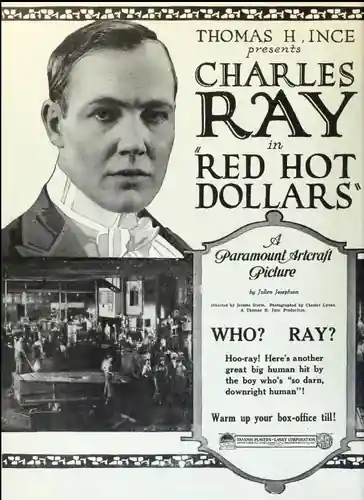
The central conflict of 'Red Hot Dollars' hinges on the bitter, long-standing feud between the Scotsman and the mill owner. This animosity, predating the young protagonist's involvement, serves as a powerful undercurrent throughout the narrative, threatening to capsize any hope for happiness. The nature of this enmity is left to the imagination, but its intensity suggests a clash of principles, a historical grievance, or perhaps even a direct competition in business or land. Such entrenched rivalries were common themes in early cinema, reflecting real-world tensions and the dramatic potential of deeply personal conflicts escalating into broader societal rifts. The film effectively uses this established hatred to create immense dramatic tension, forcing the protagonist into an agonizing choice: loyalty to his benefactor and new family, or fidelity to his love and her lineage. This type of generational discord, where past transgressions cast long shadows over the present, is a compelling device, often seen in films dealing with family secrets and inherited burdens, albeit in a more literal sense, as in the title of The Family Skeleton.
The narrative dexterity required for silent film screenwriting cannot be overstated. Julien Josephson, the writer behind 'Red Hot Dollars,' demonstrates a keen understanding of how to build tension, develop characters, and convey complex emotional arcs without the crutch of spoken dialogue. His script for 'Red Hot Dollars' must have relied heavily on visual storytelling, clear character motivations, and well-placed intertitles to guide the audience through its intricate plot. Josephson's ability to weave together romance, class struggle, and a deeply personal feud into a cohesive and engaging story is a testament to his skill. The clarity of the plot points – the young man's heroism, his adoption, and the subsequent revelation of the feud – are crucial for audience comprehension in an era where exposition was primarily visual. His work, like that of many prolific writers of the time, contributed significantly to establishing the narrative conventions of early cinema, shaping how stories were told on screen before the advent of sound. His craftsmanship here suggests a mastery of dramatic pacing and character development, essential ingredients for any compelling cinematic experience.
To fully appreciate 'Red Hot Dollars,' one must situate it within the vibrant, rapidly evolving landscape of silent cinema. The year 1919 was a period of immense creativity and experimentation in filmmaking, a time when narrative structures were being honed, and the power of visual storytelling was truly being explored. Films of this era often grappled with themes of social change, industrialization, and personal morality, reflecting the tumultuous times following World War I. 'Red Hot Dollars' fits comfortably within this tradition, using its dramatic premise to explore universal human emotions against a backdrop of societal transformation. Its focus on a common man's journey, fraught with ethical dilemmas and romantic entanglements, resonates with the populist appeal of many films featuring actors like Charles Ray, who embodied the aspirational spirit of the era.
While 'Red Hot Dollars' stands on its own merits, it also shares thematic DNA with contemporary productions. The struggle of an individual against powerful external forces, for instance, can be seen in the moral quandaries of films like As a Man Sows, where characters often face difficult choices with far-reaching consequences. The exploration of love in the face of adversity, a central pillar of 'Red Hot Dollars,' finds echoes in the romantic narratives of its time, such as The Beloved Cheater, which also delves into intricate personal relationships and the deceptions that can complicate them. The very concept of a protagonist finding himself in an unfamiliar, powerful environment, and navigating its complexities, might bring to mind the journey of characters in films like Believe Me, Xantippe, albeit with different comedic or dramatic tones. The underlying tension of a societal or familial rift, as seen in the mill owner and Scotsman's feud, is a narrative device that could be found in the dramatic fabric of many films, including those focused on legal or ethical battles, such as The Eternal Law, which often explored the larger forces shaping individual destinies. Even the notion of an 'unwelcome' presence disrupting established norms, a subtle element in the protagonist's adoption, can be conceptually linked to the dramatic premises of films like The Unwelcome Wife, where outsiders challenge existing structures. The visual storytelling, particularly in portraying the industrial setting and the emotional intensity of the performances, showcases the sophisticated techniques developed by filmmakers before the talkies, techniques that, in their purity, sometimes offer a more universal language than dialogue-driven cinema.
Ultimately, 'Red Hot Dollars' serves as a potent reminder of silent cinema's enduring power and its ability to tell deeply human stories with remarkable clarity and emotional depth. It captures a moment in time when America was grappling with rapid industrial expansion and evolving social structures, reflecting these changes through the microcosm of individual lives. The film's strength lies in its ability to combine a compelling romantic drama with significant social commentary, all delivered through the nuanced performances of its talented cast and the skillful direction of its narrative. It is a film that, despite its age, continues to resonate, offering insights into the timeless struggles of love, loyalty, and the pursuit of happiness against a backdrop of formidable obstacles. For those willing to engage with its particular language, it reveals a narrative that is both historically significant and profoundly moving, a testament to the enduring craft of early filmmakers.
IMDb —
1924
Community
Log in to comment.