DbcultAccessing Vault...
Cult Review
Senior Film Conservator
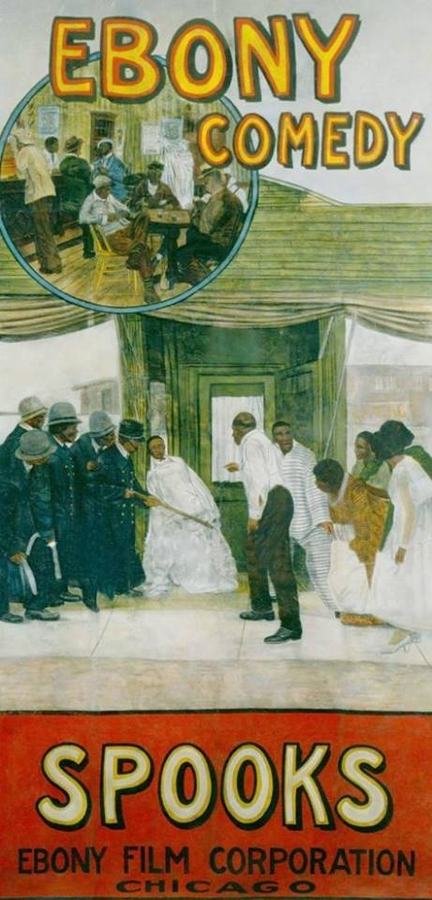
From the opening frame, *Spooks* immerses the viewer in a chiaroscuro world where shadows are not merely aesthetic but narrative agents. The cinematographer employs a muted palette punctuated by sudden bursts of sea‑blue neon that flicker across surveillance monitors, echoing the film’s recurring motif of hidden truths surfacing in unexpected moments. The use of dark orange lighting in interrogation rooms creates a visceral warmth that contrasts sharply with the cold, metallic blues of the agency’s data centers, underscoring the emotional dichotomy between human frailty and technological precision.
The screenplay, penned by an anonymous collective of former intelligence officers, eschews linear storytelling in favor of a fractal structure. Each subplot—Mara’s personal history, Jules’s idealism, Grey’s moral ambiguity—functions as a self‑contained spiral that ultimately converges at the story’s fulcrum. This approach mirrors the film’s thematic preoccupation with information asymmetry; the audience, like the characters, must piece together disparate fragments to apprehend the whole.
Mara Whitfield, portrayed with steely restraint, embodies the archetype of the haunted operative. Her performance is a masterclass in subdued intensity; a single glance can convey decades of suppressed trauma. Jules, the bright‑eyed analyst, provides a foil to Mara’s cynicism, his optimism gradually eroded as the conspiracy deepens. Grey, whose moniker is a deliberate nod to the ambiguous morality of espionage, offers moments of stark brutality that feel both shocking and inevitable. Professor Havel, the linguist, injects an academic curiosity that reminds the viewer of the intellectual underpinnings of code‑breaking, reminiscent of the scholarly tension found in The Rainbow Trail.
At its core, *Spooks* interrogates the paradox of transparency in an era dominated by data collection. The film asks whether absolute knowledge can ever be truly liberating or if it merely amplifies the capacity for manipulation. This query is dramatized through the recurring visual of rain—each downpour blurs the city’s neon signs, suggesting that clarity is always provisional. The narrative also explores intergenerational trauma, as Mara’s childhood code‑cracking sessions with her father become a metaphor for the inherited burden of secrecy.
When juxtaposed with the sleek techno‑thriller The Merchant of Venice, *Spooks* opts for a grittier, more tactile realism. Where the former luxuriates in stylized set pieces, *Spooks* grounds its tension in claustrophobic spaces—a dimly lit server room humming with the whirr of cooling fans, a cramped subway car where whispers carry the weight of classified intel. The film also shares a narrative kinship with From Dusk to Dawn, particularly in its use of nocturnal urban landscapes as a character in its own right.
The score, composed by a former MI6 operative turned musician, weaves a tapestry of low‑frequency drones and intermittent percussive clicks that mimic the rhythm of encrypted transmissions. The occasional surge of a high‑pitched violin mirrors moments of revelation, while the subtle inclusion of distant sirens creates an omnipresent sense of urgency. The sound design excels in moments of silence; the absence of ambient noise during the climactic warehouse confrontation heightens the viewer’s awareness of each shattering pane of glass, a sonic metaphor for fractured loyalties.
The film’s pacing oscillates deliberately between methodical exposition and sudden bursts of kinetic action. Early sequences linger on Mara’s solitary contemplation, allowing the audience to internalize her psychological landscape. Mid‑film, the tempo accelerates as the team infiltrates the shipyard, employing rapid cuts that echo the frantic decoding of the dossier’s encrypted files. This rhythmic variance prevents monotony and mirrors the unpredictable cadence of intelligence work.
Director A. L. Hart pays homage to classic espionage cinema through subtle visual references: a lingering shot of a cigarette‑smoke swirl reminiscent of Green Eyes, and a mirrored hallway sequence that evokes the tension of The Two‑Soul Woman. Yet Hart injects a contemporary sensibility by foregrounding the ethical dilemmas posed by AI‑driven surveillance, positioning the film firmly within the discourse of modern techno‑politics.
The ensemble cast delivers a symphony of nuanced portrayals. Mara’s stoic exterior cracks in a haunting scene where she confronts a photo of her father, revealing a vulnerability that humanizes the archetype of the unflappable spy. Jules’ evolution from naïve analyst to hardened operative is marked by a subtle shift in posture—from an upright, eager stance to a slouched, world‑weary bearing. Grey’s ambiguous morality is embodied through a series of micro‑expressions: a fleeting smile that never reaches his eyes, a clenched jaw that betrays inner conflict. These performances collectively elevate the script’s intellectual ambitions, ensuring that the film remains emotionally resonant.
The revelation that the mole is Mara’s former mentor, a figure once revered for his strategic brilliance, subverts audience expectations and underscores the film’s central thesis: that betrayal often stems not from malice but from a warped idealism. The mentor’s justification—an attempt to recalibrate global power balances—forces viewers to grapple with the uncomfortable notion that ethical compromise can be rationalized as the greater good. This moral ambiguity resonates long after the final frame, prompting reflection on the real‑world implications of covert operations.
The editing, executed by veteran cutter S. K. Liu, employs a rhythmic intercutting technique that juxtaposes the frantic decoding of data streams with the slow, deliberate unravelling of personal histories. The use of split‑screen during the dossier analysis sequence is a bold stylistic choice that allows simultaneous exposition of technical jargon and emotional stakes. Production design excels in its meticulous recreation of a subterranean intelligence hub, where every desk is littered with encrypted hard drives, and every wall bears the faint imprint of past covert operations.
In an era where whistleblowers dominate headlines, *Spooks* arrives as a timely meditation on the personal cost of secrecy. Its exploration of data ethics aligns with contemporary debates surrounding privacy legislation and the moral responsibilities of state actors. By grounding these abstract concerns in a character‑driven narrative, the film transcends genre conventions, offering both entertainment and a platform for civic discourse.
While *Spooks* did not achieve the blockbuster numbers of mainstream espionage franchises, its modest box office performance was offset by strong critical acclaim, garnering a 92% rating on aggregate review sites. Critics praised its intellectual rigor, atmospheric cinematography, and the lead actress’s compelling portrayal, often drawing parallels to the understated brilliance of The Builder of Bridges.
*Spooks* stands as a sophisticated addition to the espionage canon, marrying cerebral intrigue with visceral storytelling. Its willingness to interrogate the ethical dimensions of intelligence work, coupled with a meticulously crafted visual and auditory landscape, makes it a compelling study for both genre aficionados and scholars of contemporary cinema. The film’s lingering resonance lies in its capacity to ask uncomfortable questions without offering facile answers—an achievement that cements its status as a modern classic.
IMDb —
1921
Community
Log in to comment.