DbcultAccessing Vault...
Cult Review
Senior Film Conservator
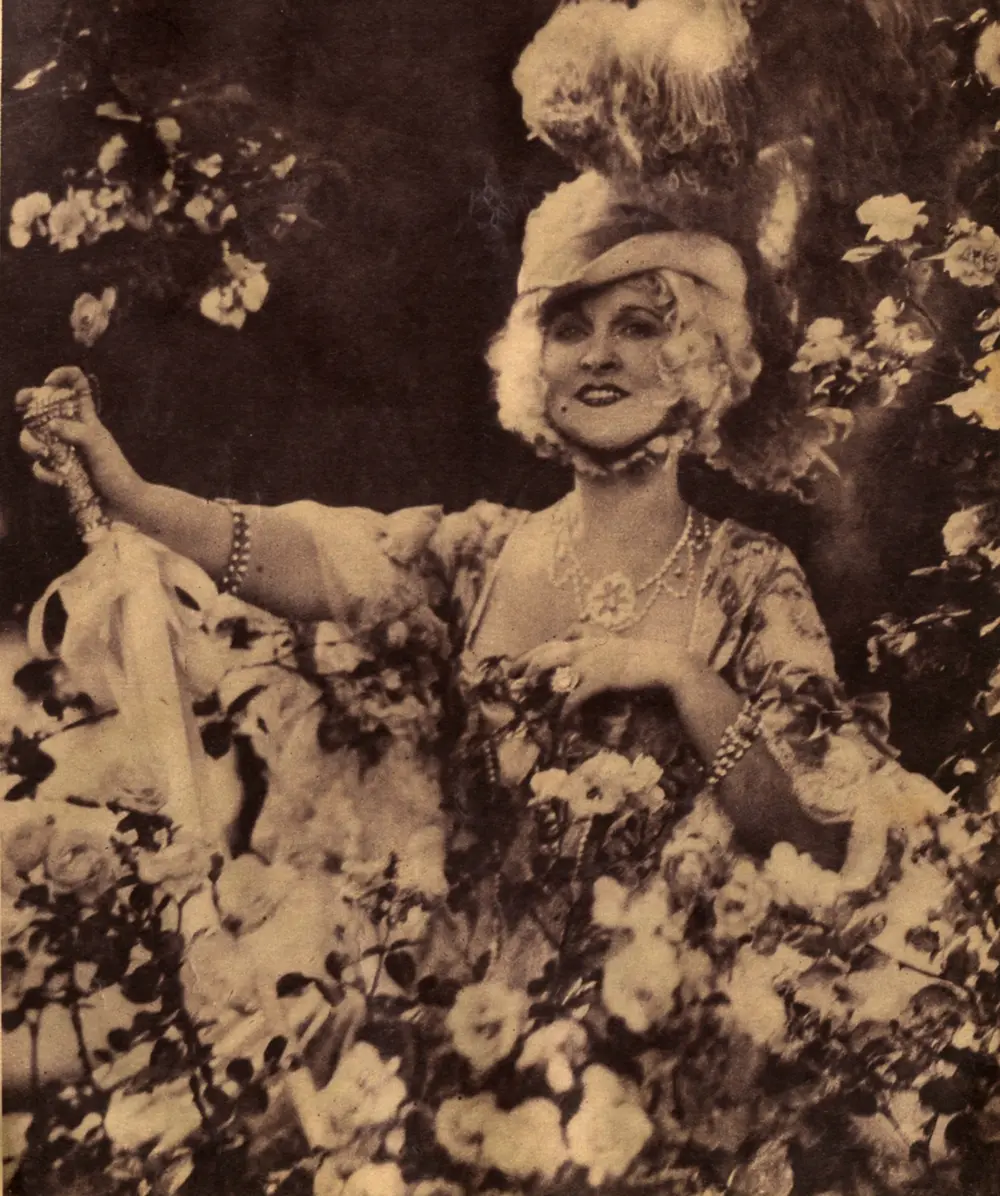
Is 'Springtime of Love' a timeless classic worthy of a modern viewing? Short answer: yes, but with significant caveats. This silent-era drama offers a fascinating glimpse into early cinematic storytelling and societal norms, making it a compelling watch for those with an appreciation for film history and a patience for its unique pacing. It is unequivocally for film scholars, silent cinema enthusiasts, and anyone curious about the foundational elements of narrative cinema. However, it is decidedly NOT for viewers seeking fast-paced plots, contemporary dialogue, or high-octane action.
The film, with its deceptively simple premise, unfolds a quiet rebellion against the backdrop of societal expectation. It demands a different kind of engagement than modern blockbusters, rewarding close attention to visual storytelling and the nuanced performances typical of its era. This is a journey back in time, not just to a different story, but to a different way of telling stories.
At its core, 'Springtime of Love' presents a narrative steeped in the traditions of early 20th-century melodrama, yet it manages to carve out moments of genuine emotional resonance. The story of Clothilde, plucked from her religious life to fulfill a marital obligation, immediately sets up a conflict between personal will and institutional dictate. Her refusal to acknowledge the Marquis is not merely a plot device; it’s a powerful, silent declaration of agency.
This film works because it leverages the inherent strengths of silent cinema to convey deep internal conflict. The lack of spoken dialogue forces a reliance on visual cues, exaggerated expressions, and evocative cinematography, which, when done well, can be profoundly moving. It allows the audience to project their own understanding onto the characters’ unspoken thoughts, creating a deeply personal viewing experience.
This film fails because its pacing, while deliberate, can feel glacial to contemporary audiences accustomed to rapid-fire editing and exposition. The narrative, while rich in thematic potential, sometimes struggles to maintain consistent dramatic tension across its runtime, leading to periods where the story meanders rather than propels forward.
You should watch it if you are fascinated by the evolution of film as an art form, appreciate the subtle craft of silent acting, or enjoy narratives that explore individual defiance against powerful societal structures. It’s a historical document as much as it is a piece of entertainment, offering insights into the social mores and storytelling conventions of its time.
The narrative of 'Springtime of Love' is deceptively straightforward, yet it holds a surprising amount of thematic weight. Clothilde's journey from the cloistered world of the convent to the opulent, yet demanding, world of the aristocracy is a classic fish-out-of-water tale. The convent, depicted with a serene, almost ethereal quality, represents a sanctuary of innocence and spiritual devotion. Her forced departure is portrayed with a palpable sense of loss, effectively conveying her initial helplessness.
Upon her arrival at the Marquis's estate, the contrast is stark. The grandeur of the surroundings, likely conveyed through elaborate set designs and sweeping camera movements, serves to highlight Clothilde's vulnerability and her profound alienation. Her refusal to recognize the Marquis, though simple in action, is a seismic event within the narrative. It’s an act of passive resistance that upends the expectations of everyone around her, transforming a potentially docile bride into an enigma.
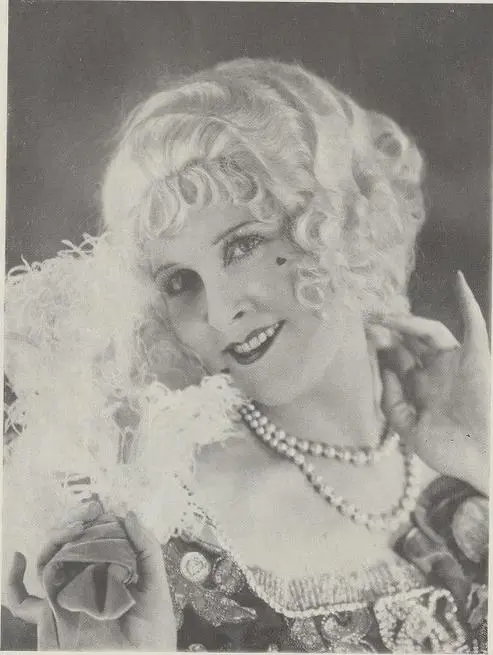
This refusal isn't just a plot point; it's a character study in nascent defiance. It forces the Marquis, and indeed the audience, to question the nature of identity, obligation, and the very concept of consent within an arranged marriage. The film then explores the repercussions of this defiance, likely delving into the Marquis's attempts to understand or coerce her, and Clothilde's steadfast resolve.
The performances in 'Springtime of Love' are, as expected for the era, largely dependent on pantomime and facial expressions. This requires a specific skill set, and the cast largely delivers within these parameters, though some performances shine brighter than others. Jaque Catelain, often a refined presence in French silent cinema, likely brings a nuanced portrayal to the Marquis. His challenge would be to convey a range of emotions – initial confusion, growing frustration, perhaps even a grudging respect – without relying on dialogue.
One can imagine Catelain’s subtle shifts in posture and gaze during his interactions with Clothilde, slowly moving from aristocratic dismissiveness to genuine bewilderment. His performance wouldn't be about grand gestures, but about the quiet unraveling of his expectations. This kind of understated acting, when done well, can be far more powerful than overt dramatics, allowing the audience to truly connect with his internal struggle.
Francine Mussey, as Clothilde, carries the emotional weight of the film. Her role demands a delicate balance between fragility and unwavering resolve. Her eyes, in particular, would be crucial in conveying her inner world – the fear, the conviction, the quiet sadness of her situation. A specific shot of her, perhaps in close-up, gazing out a window with a faraway look, could powerfully communicate her longing for the convent or her steadfastness in her refusal. Her performance, above all, must convince us of her inner strength.
Hope Hampton and Gina Manès, likely in supporting roles, would provide the necessary dramatic foil or emotional support. Their performances, typical of the time, would likely be more demonstrative, serving to amplify the central conflict or provide exposition through their reactions. Hampton, perhaps playing a sympathetic confidante, might offer moments of warmth, while Manès, potentially as a rival or antagonist, could embody the societal pressures Clothilde faces. Their contributions are essential in building the world around Clothilde and the Marquis, adding layers to the central drama.
The direction of 'Springtime of Love' is a testament to the ingenuity of silent filmmakers in conveying complex narratives purely through visual means. The cinematography plays a pivotal role, likely employing stark contrasts between the convent's simplicity and the Marquis's elaborate estate. Shots of long, empty corridors in the mansion could symbolize Clothilde’s isolation, while the warmth of natural light in the convent scenes would evoke a lost peace.
Pacing, as mentioned, is a double-edged sword. While some might find it slow, it allows for extended scenes where emotions are built through lingering close-ups and deliberate movements. For instance, the sequence where Clothilde first sees the Marquis, meticulously framed to capture her initial reaction and subsequent refusal, would be stretched out to maximize dramatic tension. Each glance, each hesitant step, becomes a significant beat in the narrative.
The use of intertitles, a necessity of the era, is handled with varying degrees of elegance. In 'Springtime of Love', they serve not just to provide dialogue or exposition, but often to punctuate emotional moments or bridge narrative gaps. A particularly effective intertitle might be a simple, poetic statement reflecting Clothilde’s inner turmoil, appearing just after a moment of intense visual drama, reinforcing the emotional impact rather than merely explaining it.
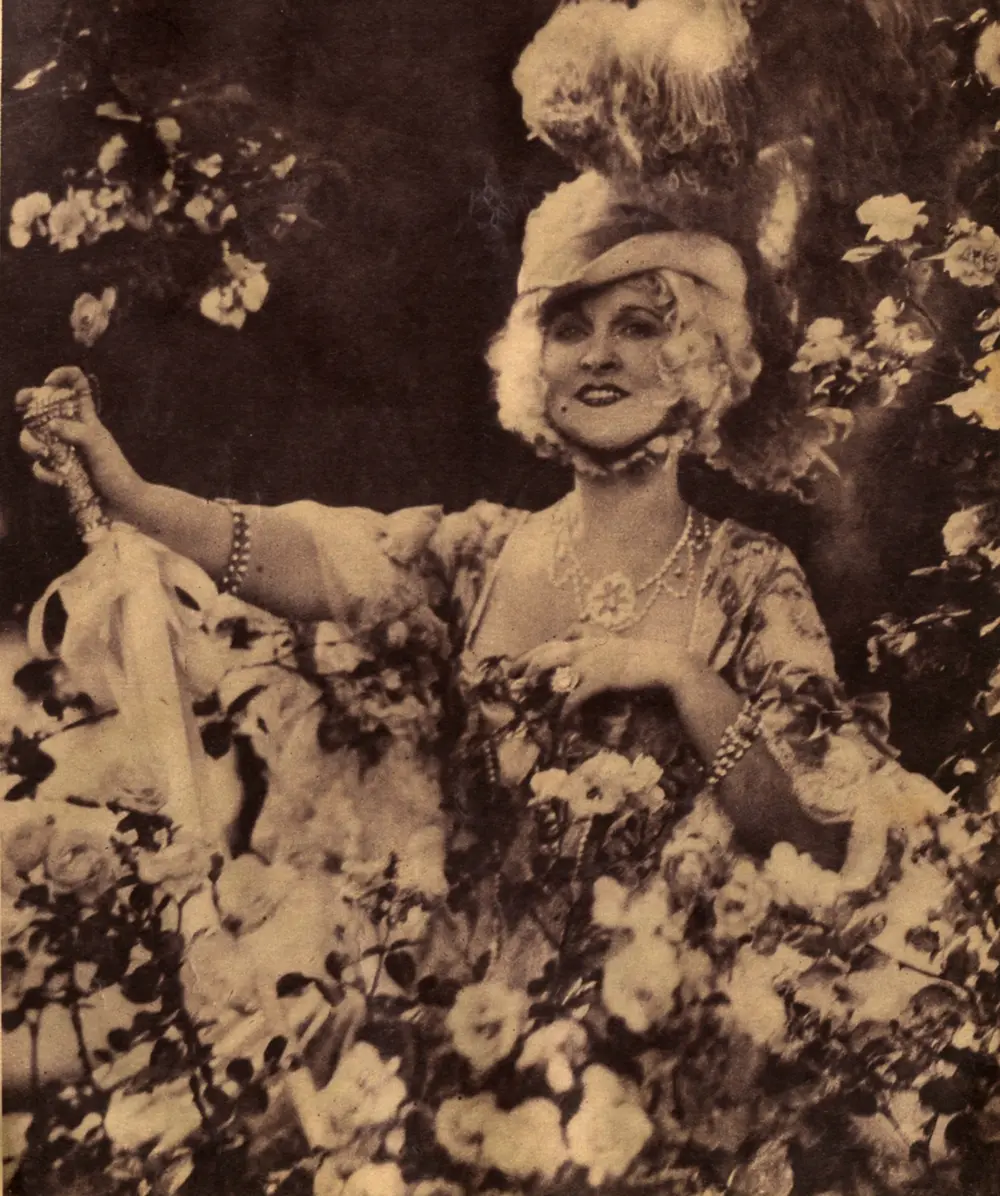
The tone of the film oscillates between quiet melodrama and a subtle, almost melancholic romanticism. It’s a film that doesn't shy away from the emotional stakes of its premise, yet it handles them with a certain restraint, preferring suggestion over overt declaration. This is a directorial choice that imbues the film with a sense of quiet dignity, even amidst its dramatic confrontations.
While 'Springtime of Love' is far from a perfect film, its commitment to visual storytelling and its exploration of individual will against societal pressure make it a compelling artifact of its time. It’s a bold statement, delivered with the quiet power only silent cinema can achieve.
'Springtime of Love' is rich with themes that transcend its specific historical context. The central conflict between Clothilde and the Marquis is a microcosm of larger societal debates. It explores the tension between duty, as prescribed by family and tradition, and personal freedom, the right to choose one's own path. Clothilde's refusal isn't just about a man; it's about reclaiming her identity, which has been dictated by others.
The film implicitly questions the institution of arranged marriage, particularly when it disregards individual desire. Her convent life represents a different kind of chosen servitude, one that she embraced spiritually, contrasting sharply with the secular servitude of an unwanted marriage. This subtle but profound distinction is what gives her defiance its moral weight. It's a surprisingly progressive stance for a film of its era, hinting at burgeoning ideas of female autonomy.
Furthermore, the film touches upon the power dynamics inherent in gender roles of the time. The Marquis, accustomed to command, finds his authority challenged by a woman's quiet, unyielding refusal. This reversal of expectations, where the powerful male figure is disarmed by passive resistance, offers a fascinating commentary on strength and vulnerability. It's an unconventional observation for a film of this period, often overlooked in favor of more overt romantic narratives.
Yes, 'Springtime of Love' is absolutely worth watching, particularly for specific audiences. It provides a unique window into early cinematic techniques and storytelling. The performances, while adhering to silent film conventions, convey genuine emotion. It works. But it’s flawed. The narrative might feel slow to modern viewers, and some of the melodrama can verge on the theatrical. However, its historical significance and thematic depth make it a valuable experience for those willing to engage with its particular rhythm. It's not a casual watch, but a rewarding one for the patient and curious.
To fully appreciate 'Springtime of Love', it helps to understand its place within the broader tapestry of silent cinema. Films like The Galloping Kid or The Stampede offered adventure and action, while 'Springtime of Love' leans into the dramatic and introspective. It shares some sensibilities with European silent dramas, which often focused on psychological states and social commentary, rather than the more overt spectacle sometimes favored by Hollywood.
The film's reliance on visual metaphor and emotional suggestion aligns it with the artistic ambitions of its time. It’s less about rapid plot progression and more about the unfolding of character and the exploration of a moral dilemma. This approach sets it apart from more purely escapist fare, positioning it closer to works that aimed for artistic expression and social observation.
One might even draw parallels to the quiet defiance seen in some literary works of the period, where female protagonists struggled against patriarchal constraints. The film's enduring appeal, for those who seek it, lies in its ability to tap into universal themes of personal freedom and the courage to assert one's will, even in the face of overwhelming pressure.
'Springtime of Love' is a compelling, if demanding, piece of silent cinema. It stands as a powerful example of how early filmmakers navigated complex themes with visual grace and emotional depth. While its deliberate pacing and reliance on silent-era acting conventions might test the patience of some, it offers a rich reward for those willing to immerse themselves in its unique world. Francine Mussey's performance alone is worth the price of admission, embodying a quiet strength that resonates long after the final intertitle fades. It’s not a film for everyone, but for the discerning cinephile, it’s an essential historical document and a surprisingly poignant drama. It reminds us that defiance can be found in the quietest of acts, and that love, or the refusal of it, can bloom even in the most unexpected of springtimes.
IMDb —
1929
Community
Log in to comment.