DbcultAccessing Vault...
7.6/10
Senior Film Conservator
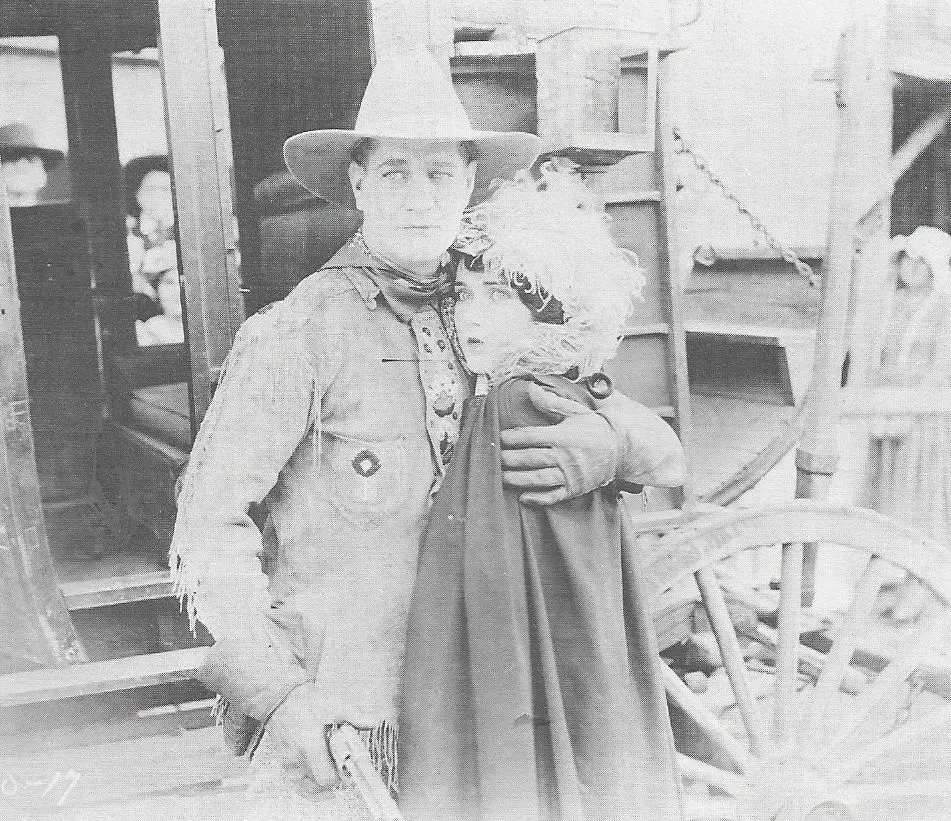
A definitive 7.6/10 rating for a film that redefined the boundaries of cult cinema. Spurs and Saddles remains a cornerstone of transgressive art.
Is Spurs and Saddles worth your time in the age of high-definition blockbusters? Short answer: Yes, but only if you have an appetite for the raw, unpolished kinetic energy of early American action.
This film is not for the casual viewer who requires a complex, multi-layered plot or a booming Dolby Atmos soundtrack. However, it is essential viewing for those who want to see the DNA of the modern action hero. This is a film for the history buffs, the stunt enthusiasts, and those who want to see Fay Wray before she met the giant ape. It is decidedly NOT for those who find silent cinema tedious or those who expect the narrative sophistication of a modern psychological thriller.
This film works because Art Acord brings a level of genuine, rodeo-bred athleticism that makes modern stunt work look like a choreographed dance. His physicality is the film's primary engine.
This film fails because the narrative structure is paper-thin, even by the standards of 1927 B-Westerns, relying on tired tropes that were already clichéd nearly a century ago.
You should watch it if you want to witness the birth of the Western archetype and see a performance by Raven the Horse that rivals any human actor on screen.
Art Acord was not an actor who happened to ride; he was a cowboy who happened to act. In Spurs and Saddles, this distinction is everything. In the sequence where he mounts his horse, Raven, while at a full gallop, there is no trick photography. There are no wires. It is a moment of pure, dangerous skill. Compared to the more theatrical performances in films like The Marriage Lie, Acord’s presence is refreshingly naturalistic. He doesn't need to emote wildly because his body does the talking.
His face is leathered, his movements are economical, and his eyes carry the weight of a man who has actually spent nights under the stars. In one specific scene, where he confronts the villain played by J. Gordon Russell, Acord’s stillness is more threatening than any dialogue could be. He represents a brand of masculinity that was already beginning to fade from Hollywood as the "talkies" approached.
The horse outacts the villain. Raven is not just a prop; he is a character with agency. The chemistry between Acord and his equine co-star is the most believable relationship in the movie. It’s a gritty, utilitarian bond that serves as the film's emotional core.
Long before she was being carried up the Empire State Building, Fay Wray was honing her craft in these dusty B-Westerns. In Spurs and Saddles, she plays Mildred with a quiet dignity that transcends the "damsel in distress" archetype. While the script gives her relatively little to do other than look concerned and be rescued, Wray’s screen presence is undeniable. She has a way of capturing the light that makes her stand out against the drab, dusty backgrounds of the ranch.
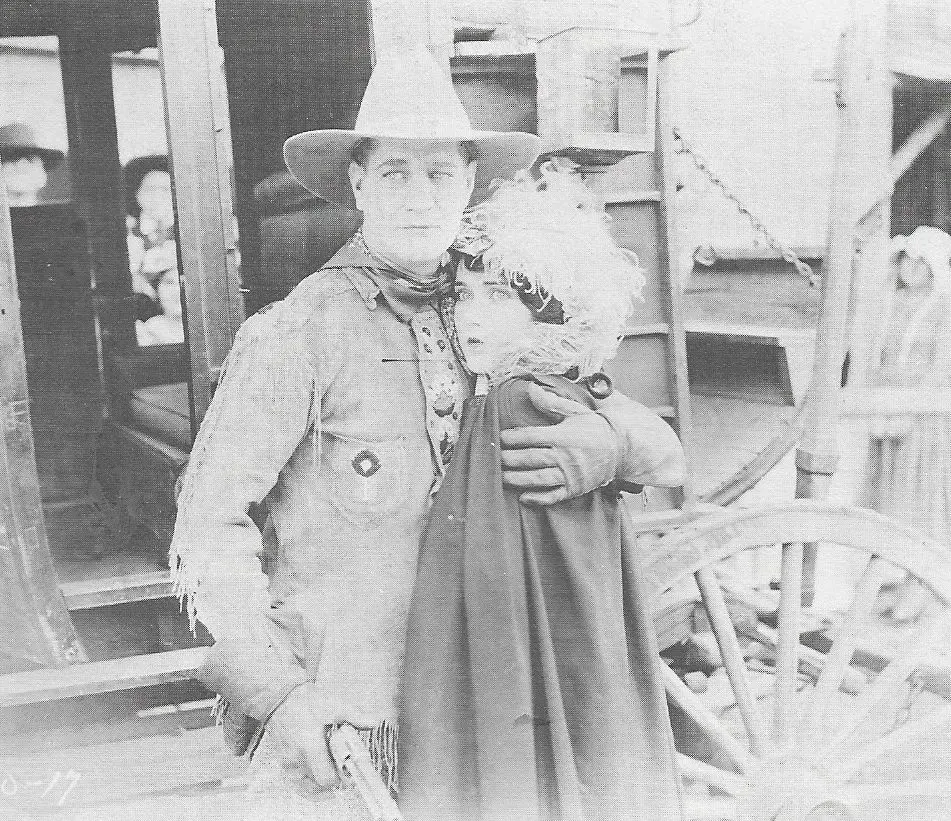
If you compare her work here to her later iconic roles or even the more high-concept productions like The Wizard of Oz, you can see the foundational work of a star. She doesn't overplay the melodrama. In the scene where she first meets Acord's character, her subtle shift in expression—from suspicion to intrigue—is a masterclass in silent film acting. It’s a stark contrast to the broader, more stagey performances found in Anita or Are They Born or Made?.
She provides the necessary softness to balance Acord’s hard edges. However, the film is undeniably his. Wray is the ornament on a very rugged machine. But what an ornament she is. Her performance is the only thing that keeps the film's slower middle act from sinking into total obscurity.
The cinematography in Spurs and Saddles is functional, yet occasionally inspired. The outdoor sequences are shot with a flat, harsh light that perfectly captures the unforgiving nature of the West. There is no attempt to romanticize the landscape. It is all dirt, sagebrush, and sweat. This gives the film a documentary-like quality that sets it apart from more stylized Westerns like Whispering Smith.
One unconventional observation: the lack of a sophisticated lighting rig actually works in the film's favor. The shadows are deep and natural. In the nighttime scenes, the darkness feels absolute. It adds a layer of tension that modern films often lose with their perfectly lit "moonlight" sequences. When a character disappears into the shadows in this movie, they are truly gone.
The camera work during the chases is surprisingly steady. The filmmakers clearly understood that the draw of the film was Acord's riding, and they made sure the camera was always in a position to showcase his skill. There are no fast cuts or shaky cams to hide a lack of ability. The long shots of Raven galloping across the plains are some of the most beautiful in the film, capturing a sense of freedom that is almost palpable.
The film’s greatest weakness is its adherence to a formula that was already getting long in the tooth. The writers, Paul M. Bryan and Harrison Jacobs, were clearly working within the constraints of a low-budget production. The plot beats are predictable: the hero is wronged, the girl is threatened, the horse saves the day, and the villain gets his comeuppance. It lacks the thematic depth found in contemporary dramas like Tongues of Flame.
The pacing is uneven. The first act is a whirlwind of action, but the middle act gets bogged down in unnecessary exposition and repetitive scenes of the villains plotting in dark rooms. These moments feel like filler, designed to stretch the runtime to feature length. In these segments, the film loses its momentum, and even Wray’s presence can’t entirely save it.
However, the final twenty minutes are a masterclass in silent action. The stakes are raised, and the film stops trying to be a drama and embraces its identity as a thrill ride. The climax is a visceral experience that reminds you why these films were so popular in the first place. It’s a dusty relic. But it’s a relic that still has a heartbeat.
Spurs and Saddles is worth watching for anyone interested in the technical evolution of the Western genre or the early career of Fay Wray. While the story is derivative, the physical performances by Art Acord and Raven the Horse provide a level of excitement that remains impressive today. It is a fascinating snapshot of a transitional period in cinema history, where the raw athleticism of the silent era was about to be replaced by the dialogue-heavy productions of the 1930s.
IMDb 6.1
1923
Community
Log in to comment.