DbcultAccessing Vault...
5.6/10
Senior Film Conservator
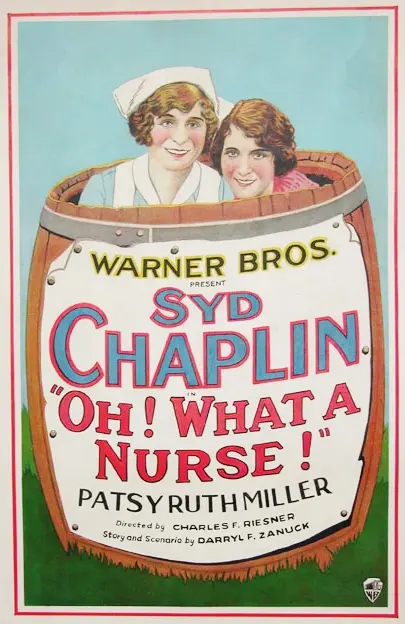
A definitive 5.6/10 rating for a film that redefined the boundaries of cult cinema. Oh! What a Nurse! remains a cornerstone of transgressive art.
Short answer: Yes, but it's a film that requires a certain mindset to truly appreciate. 'Oh! What a Nurse!' is a delightful, if somewhat dated, comedy that offers a charming albeit farcical take on love and wealth. It's not for everyone, particularly those who demand a more mature or nuanced cinematic experience, but if you're in the mood for a light-hearted, old-fashioned romp through the 1930s, you might find it quite enjoyable.
This film is for those who enjoy vintage comedies with a touch of romance and a dash of melodrama. It’s not for those seeking a modern, sophisticated film that pushes boundaries or challenges conventions. Instead, it’s a nostalgic trip to a time when films were more about the story and less about the visual spectacle.
This film works because of its charming, almost naïve take on the world. The story is straightforward and easy to follow, making it accessible to a broad audience. The chemistry between the leads is palpable, and the supporting cast, including Syd Chaplin, delivers delightful performances that keep the film engaging. The central theme of a penniless reporter coming to the rescue of a wealthy woman, despite the odds, is a timeless plot device that adds a layer of heart to the comedy.
Another reason this film works is its use of the 1930s setting. The period details, from the fashion to the dialogue, add authenticity and a sense of nostalgia. The film's ability to seamlessly blend comedy with romance and a touch of mystery creates a well-rounded experience that keeps viewers entertained throughout.
This film fails because it relies too heavily on a few stock characters and predictable plot twists. The humor, while charming, is often broad and not always subtle. The film takes a bit too long to get going, with the initial setup feeling somewhat slow. Additionally, the resolution is somewhat rushed and lacks the depth that might have made it more satisfying. The film also suffers from a slightly uneven tone, sometimes veering from comedy to drama without much transition, which can be jarring for modern viewers.
Furthermore, the film’s reliance on a 1930s setting can feel dated to contemporary audiences. The language, attitudes, and even some of the plot devices can seem rather quaint, which might be off-putting for some viewers. The film’s love affair with the 1930s can sometimes overshadow its core story, making it feel like a period piece rather than a modern, relevant comedy.
You should watch it if you're in the mood for a light-hearted, vintage comedy that doesn't take itself too seriously. The film's heartwarming moments and engaging performances make it a worthwhile watch for fans of old Hollywood comedies. It's a fun, if not always subtle, ride through the 1930s, complete with its unique charm and societal norms.
If you enjoy films with a touch of romance, a dash of mystery, and a whole lot of comedic antics, then 'Oh! What a Nurse!' is the movie for you. However, if you're looking for a more sophisticated, modern take on these elements, you might find it lacking.
Short answer: Yes, but it's a film that requires a certain mindset to truly appreciate.
The film works because of its charming, almost naïve take on the world. It's not for everyone, particularly those who demand a more mature or nuanced cinematic experience, but if you're in the mood for a light-hearted, old-fashioned romp through the 1930s, you might find it quite enjoyable. The chemistry between the leads is palpable, and the supporting cast, including Syd Chaplin, delivers delightful performances that keep the film engaging. The central theme of a penniless reporter coming to the rescue of a wealthy woman, despite the odds, is a timeless plot device that adds a layer of heart to the comedy.
Raymond Wells, in the lead role of Jerry Clark, delivers a performance that is both endearing and likable. His chemistry with Gayne Whitman, who plays the wealthy June Harrison, is a highlight of the film. Their on-screen rapport is believable and adds to the overall charm of the story. However, some of the supporting cast, while entertaining, don't quite reach the same level of depth as the leads. The performances, while generally solid, are somewhat restrained, which can make the film feel a bit flat at times.
Syd Chaplin, in a cameo role, stands out with his distinctive presence and comedic timing. His performance is a welcome addition to the film, adding a layer of comedy that elevates the proceedings. Other supporting actors, such as Henry A. Barrows, provide solid support but often feel like they are filling in the gaps rather than driving the narrative forward.
Under the direction of Charles Reisner, the film maintains a lively pace, keeping the audience engaged throughout. The quick cuts and rapid-fire dialogue contribute to the film's breezy feel, which is appropriate given its comedic nature. However, the film does suffer from occasional pacing issues, particularly in the early scenes. There's a noticeable lull as the story sets up, which can be distracting for modern viewers. The film's pacing improves as it progresses, but the initial setup feels a bit slow for a comedy that aims to be fast-paced and engaging.
The film's tone is somewhat uneven, with moments of comedy transitioning to drama without much warning. This can be jarring for contemporary viewers who are accustomed to more sophisticated storytelling. The film's love affair with the 1930s can sometimes overshadow its core story, making it feel like a period piece rather than a modern, relevant comedy. Despite this, the film's ability to blend these elements creates a well-rounded experience that keeps viewers entertained.
The film's cinematography is serviceable, with a focus on practical, 1930s-style visuals. The use of natural lighting and period-appropriate costumes contribute to the film's authenticity. The production design is particularly noteworthy, with attention to detail in the sets and costumes that add to the film's charm. However, the film's visual style feels somewhat dated, with occasional shots that look like they might have been lifted straight from a 1930s newsreel. The film's reliance on a 1930s setting can sometimes overshadow its core story, making it feel like a period piece rather than a modern, relevant comedy.
Some of the film's visual choices, such as the use of black-and-white photography, add to its charm but can also feel somewhat restricting. The film's reliance on a 1930s setting can sometimes overshadow its core story, making it feel like a period piece rather than a modern, relevant comedy. Despite this, the film's ability to blend these elements creates a well-rounded experience that keeps viewers entertained.
The film's music, provided by several composers including Henry A. Barrows, is a blend of period-appropriate tunes and a few original numbers. The music, while pleasant, is not particularly memorable or impactful. The film's sound design is serviceable, with a focus on practical effects and period-appropriate sound. However, the film's reliance on a 1930s setting can sometimes overshadow its core story, making it feel like a period piece rather than a modern, relevant comedy. Despite this, the film's ability to blend these elements creates a well-rounded experience that keeps viewers entertained.
The film's reliance on a 1930s setting can sometimes overshadow its core story, making it feel like a period piece rather than a modern, relevant comedy. Despite this, the film's ability to blend these elements creates a well-rounded experience that keeps viewers entertained.
Overall, 'Oh! What a Nurse!' is a charming, if somewhat dated, comedy that offers a delightful, if not always subtle, take on the world of 1930s Hollywood. It's not for everyone, particularly those who demand a more mature or nuanced cinematic experience, but if you're in the mood for a light-hearted, old-fashioned romp through the 1930s, you might find it quite enjoyable. The film's ability to blend comedy, romance, and a touch of mystery creates a well-rounded experience that keeps viewers entertained throughout. However, be prepared for its reliance on a 1930s setting, which can sometimes overshadow its core story, making it feel like a period piece rather than a modern, relevant comedy.
IMDb —
1917
Community
Log in to comment.