DbcultAccessing Vault...
Cult Review
Senior Film Conservator
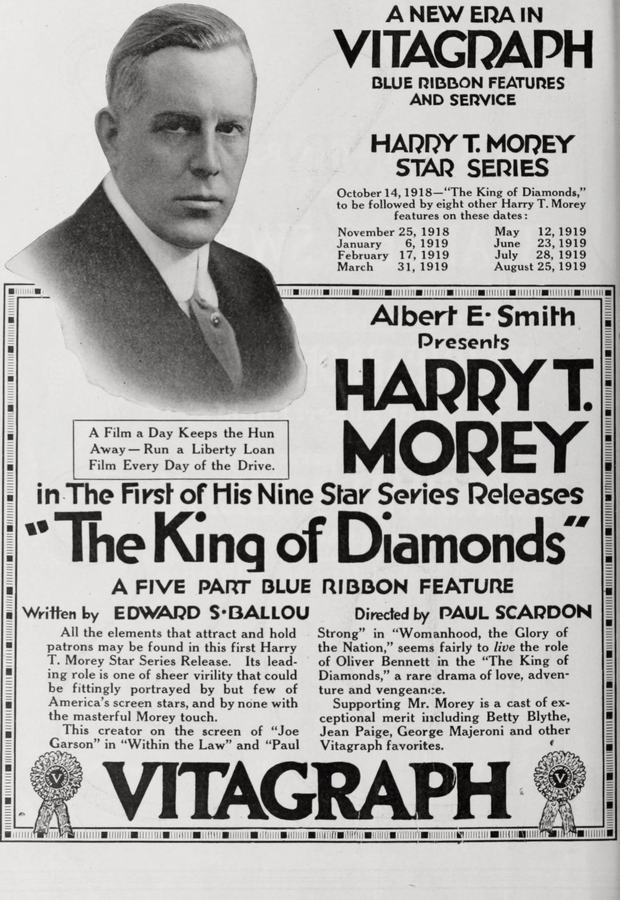
Step into the hallowed, flickering halls of early cinema, where narratives unfolded with a grandeur that transcended spoken dialogue. In 1918, a cinematic gem, often overlooked in the annals of film history, emerged: The King of Diamonds. More than just a melodrama, this film is a profound exploration of human endurance, the corrosive nature of vengeance, and the transformative power of forgiveness. It's a testament to the storytelling prowess of its era, crafted by the pens of Edward S. Ballou, C. Graham Baker, and Mrs. George Griffin Lee, and brought to life by a cast led by the compelling performances of Jean Paige, Betty Blythe, and Harry T. Morey.
The film plunges its audience into a narrative vortex, beginning with a man's brutal descent into an induced stupor, only to awaken tragically disfigured, mistaken for a leper. This initial trauma sets the stage for a journey fraught with identity crises and a burning desire for retribution. His miraculous recovery and subsequent accumulation of vast wealth are merely the prelude to a meticulously planned campaign of psychological warfare against those he perceives to have wronged him, specifically his wife, who, believing him lost forever, has remarried. The brilliance of The King of Diamonds lies not just in its dramatic plot twists, but in its nuanced portrayal of a soul teetering on the precipice of moral decay, only to be pulled back by the unexpected solace of a new love and the redemptive power of mercy.
The core of The King of Diamonds is a narrative steeped in the classic tropes of mistaken identity and the agonizing sting of betrayal. Our protagonist, rendered unrecognizable by a cruel twist of fate and subsequent illness, returns to a world that has moved on without him. This theme resonates deeply with the timeless struggles of characters like Shakespeare's King Lear, who, stripped of his kingdom and sanity, must confront the profound loss of identity. Yet, where Lear’s journey is one of tragic self-discovery, our hero’s path is initially one of calculated vengeance. The film masterfully builds tension around his secret identity, forcing the audience to grapple with the moral implications of his actions as he systematically dismantles the lives of his former wife and her new husband.
The plot, at its heart, is a cautionary tale about the seductive allure of revenge. The protagonist, armed with wealth and a new visage, embarks on a campaign that goes beyond mere financial ruin, delving into the insidious manipulation of emotional bonds. He doesn't just swindle them out of their money; he poisons the well of their trust, convincing the new husband of his wife's infidelity. This Machiavellian chess game showcases the depths of his bitterness, turning him into an antagonist of his own making. The film doesn't shy away from depicting the devastating consequences of such a path, painting a stark picture of lives shattered by a thirst for retribution. In this regard, it shares a thematic thread with films like The Sorrows of Love, where romantic betrayal fuels a tragic cycle of pain, though The King of Diamonds elevates the stakes to a more existential level.
In the silent era, the burden of conveying complex emotions fell squarely on the shoulders of the actors. Their expressions, gestures, and physical presence had to articulate entire dialogues, internal monologues, and the subtle nuances of human interaction. The King of Diamonds is a testament to the skill of its performers, who navigate this challenge with remarkable dexterity.
Jean Paige, as the wife, delivers a performance that is both delicate and resilient. Her portrayal of a woman caught between past tragedy and present uncertainty is deeply moving. We witness her journey from presumed widowhood to a new marriage, and then to the harrowing experience of being targeted by an unknown force. Paige’s ability to convey a spectrum of emotions – grief, hope, confusion, and despair – without uttering a single word is truly commendable. Her eyes, in particular, become windows to a soul under immense pressure, making her character’s plight acutely felt by the audience.
Betty Blythe, though perhaps in a supporting role, often brought a captivating presence to the screen. Her character, the new woman who ultimately guides the protagonist towards forgiveness, is pivotal. Blythe’s performance would have required a nuanced touch, embodying grace and moral fortitude without becoming preachy. The contrast between her character’s serene influence and the protagonist’s tormented spirit is crucial to the film’s redemptive arc, and Blythe would have been tasked with making this moral compass believable and compelling. Her presence would have offered a stark contrast to the destructive path embarked upon by the protagonist, much like the guiding figures in films such as Troen, der frelser (Faith That Saves), where moral guidance is central to the narrative.
Harry T. Morey, likely portraying the protagonist, carries the immense weight of the film’s central conflict. His transformation from a wronged man to a vengeful schemer, and then finally to a penitent soul, demands a formidable range. Morey’s acting would have needed to convey the internal struggle, the cold calculation of his revenge, and the eventual dawning of remorse. The physical manifestation of his character's journey – from disfigured leper to wealthy magnate – provides a visual metaphor for his internal shifts. It's a role that requires not just dramatic flair but a profound understanding of psychological depth, allowing the audience to empathize with his suffering even as they condemn his actions.
William Dennison and George Majeroni, in their respective roles, would have contributed to the intricate web of relationships and power dynamics. Dennison, perhaps as the new husband, would have needed to portray a man initially secure, then gradually undermined by suspicion and financial ruin. Majeroni, likely in a role that facilitates or complicates the protagonist’s schemes, would have added layers to the narrative’s unfolding drama. The ensemble, under the direction of the era’s conventions, worked in concert to create a believable, albeit heightened, world of human passions and frailties.
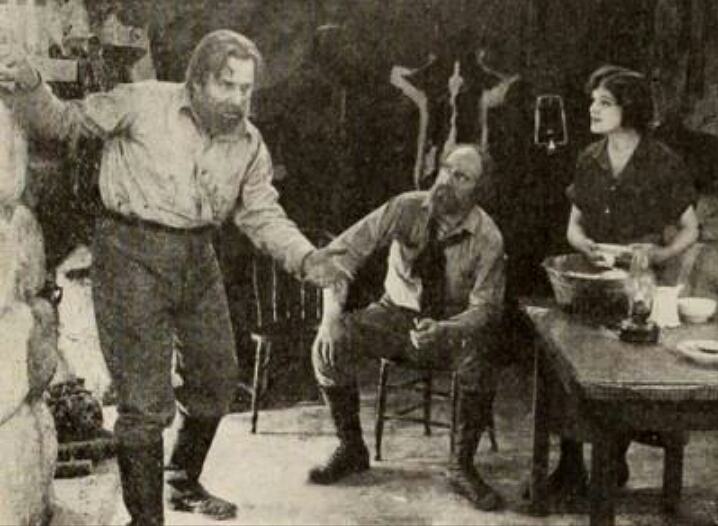
At its philosophical core, The King of Diamonds is a profound meditation on the nature of revenge and the arduous journey towards restitution. The protagonist’s initial motivation is entirely understandable – a man wronged, stripped of everything, seeking to reclaim what was lost. However, the film deftly illustrates how revenge, once unleashed, becomes a consuming fire, obliterating the very essence of the avenger. His actions transform him from victim to perpetrator, mirroring the moral complexities explored in films like The Church and the Woman, which often grappled with the difficult choices individuals make in the face of moral dilemmas.
The turning point in the narrative, the introduction of a new love interest who preaches forgiveness, is where the film truly elevates itself beyond a mere revenge thriller. This woman acts as a moral anchor, a voice of reason and compassion that slowly, but surely, penetrates the protagonist’s hardened heart. Her influence is not a sudden, convenient plot device, but a gradual process of moral reawakening. It speaks to the idea that true redemption often comes not from self-punishment, but from the willingness to forgive both oneself and others. This arc of character transformation, from a vengeful spirit to one seeking atonement, is a powerful and enduring theme, reminiscent of the journey of self-discovery found in films like The Measure of a Man, where personal growth and moral reckoning are central.
The decision to make restitution, rather than simply abandoning his vengeful path, is crucial. It signifies a deeper understanding of justice – one that seeks to repair rather than merely punish. This act of attempting to mend the lives he shattered is far more challenging than the act of destruction, requiring humility, courage, and genuine remorse. It’s a powerful statement on the human capacity for change and the possibility of finding grace even after profound transgressions. The film’s nuanced handling of this shift prevents it from becoming saccharine, instead presenting a realistic portrayal of the difficult road to true redemption.
Watching The King of Diamonds today offers a unique window into the artistry of silent cinema. The film’s narrative is propelled by visual storytelling, where every gesture, every intertitle, and every camera angle contributes to the unfolding drama. The use of close-ups to capture intense emotional states, the wide shots to establish settings, and the deliberate pacing would have been meticulously crafted to engage audiences without the aid of spoken dialogue. This required a different kind of cinematic language, one that relied heavily on symbolism and exaggerated expressions, yet managed to convey profound human truths.
The silent era, often dismissed by modern viewers, possessed a unique power. It allowed for a more universal experience, transcending language barriers through the sheer force of visual narrative. Films like The King of Diamonds demonstrate the sophistication of storytelling that existed before the advent of sound. The dramatic tension, the character development, and the thematic depth were all achieved through innovative techniques that continue to influence filmmaking today. The film’s ability to evoke strong emotional responses through purely visual means is a testament to its enduring artistic merit.
Furthermore, the film serves as a valuable historical document, reflecting societal anxieties and moral codes of the early 20th century. The portrayal of leprosy, though perhaps medically inaccurate by today's standards, speaks to the fears and prejudices of the time. The themes of wealth, social standing, and marital fidelity were all topics of great public interest, making the film resonate deeply with contemporary audiences. It’s a reminder that while technology evolves, the fundamental human experiences of love, loss, betrayal, and redemption remain timeless.
In an age saturated with cinematic spectacles, rediscovering films like The King of Diamonds offers a refreshing perspective. It reminds us that powerful storytelling does not require elaborate special effects or booming soundtracks. It relies on compelling characters, intricate plots, and universal themes that touch the human spirit. The film's journey from vengeance to forgiveness, from despair to hope, is a narrative arc that continues to captivate and inspire. It’s a narrative complexity that can rival even the most celebrated works of its time, such as Diane of the Follies, which, while focusing on social drama, also explored the intricate lives of individuals navigating challenging circumstances.
The lasting impact of The King of Diamonds lies in its bold exploration of moral ambiguity and its ultimate embrace of redemption. It challenges viewers to consider the destructive nature of holding onto grievances and the profound liberation that comes with forgiveness. The film’s ability to convey such profound moral lessons through the silent medium is a testament to the talent of its creators and performers. It’s a narrative that, despite its age, feels remarkably relevant, speaking to the enduring human struggle with pride, anger, and the search for inner peace.
Ultimately, The King of Diamonds is more than just a historical curiosity; it is a powerful work of art that deserves to be seen and appreciated by new generations of film enthusiasts. Its intricate plot, compelling performances, and timeless themes make it a significant entry in the canon of silent cinema. It stands as a vibrant example of how early filmmakers, with limited technological means, could craft narratives that were both entertaining and deeply thought-provoking, leaving an indelible mark on the cinematic landscape. This film is a shining example of the dramatic power inherent in early filmmaking, a power that continues to resonate today, proving that true artistry transcends the limitations of its era.
IMDb 4.7
1925
Community
Log in to comment.