DbcultAccessing Vault...
Cult Review
Senior Film Conservator
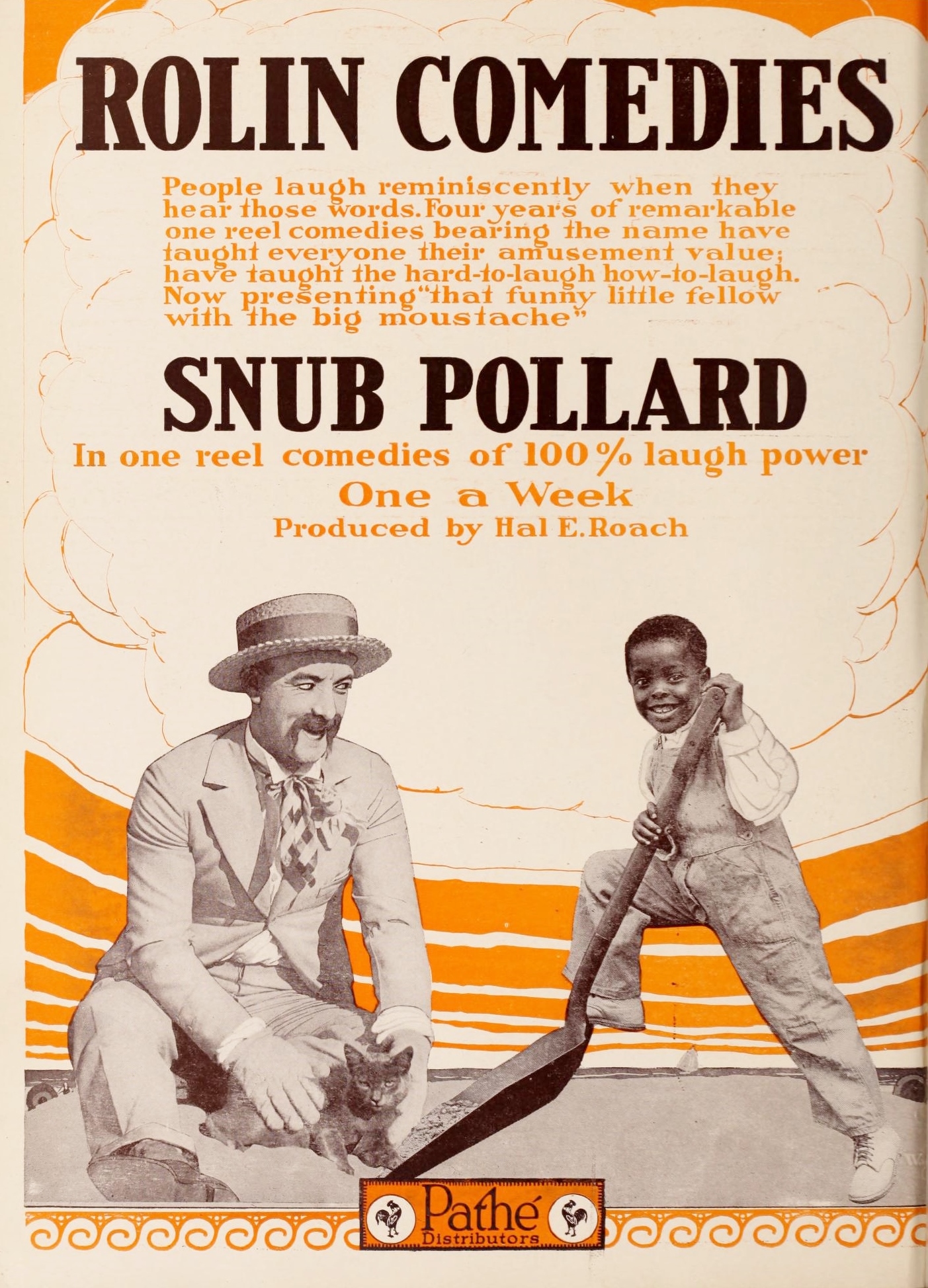
The year 1919 was a crucible of cinematic innovation, a period where the grammar of visual comedy was being written in real-time by pioneers like Hal Roach. In the midst of this creative explosion, Start Something emerged not merely as a brief diversion, but as a fascinating study of urban anxiety and the subversion of authority. Starring the inimitable 'Snub' Pollard, the film captures a world transitioning from the horse-drawn carriage to the internal combustion engine, where the rules of the road were as malleable as the rubber faces of its performers.
Pollard’s character—a traffic cop with a penchant for distraction—serves as the perfect vessel for Roach’s brand of anarchic humor. While films like The Danger Signal utilized the burgeoning infrastructure of the modern age to drive suspense and dramatic tension, Start Something treats the same mechanical progress as a playground for absurdity. The intersection where Snub stands is more than a setting; it is a stage for a choreographed disaster. Every time he turns his back on duty to wink at a pretty driver, the resulting pile-up of cars becomes a visual metaphor for the fragility of social order.
One cannot discuss this film without acknowledging the presence of Mildred Davis. Before she became Harold Lloyd’s iconic leading lady, Davis was honing her timing in these Roach shorts. Her interaction with Pollard isn't just a romantic foil; it represents the 'New Woman' of the post-WWI era—mobile, autonomous, and more than a match for the bumbling representatives of the law. This dynamic offers a stark contrast to the more traditional gender roles seen in contemporary dramas like The Girl Who Stayed at Home, where the domestic sphere remains the primary focus.
The cinematography in Start Something possesses a raw, visceral energy that is often lost in modern digital reconstructions. The use of under-cranking—filming at a lower frame rate to accelerate the action during playback—is utilized here with surgical precision. It transforms a simple traffic jam into a frantic, rhythmic dance. This technical experimentation was a hallmark of the era, seen in more ambitious visual projects like The Submarine Eye, which pushed the boundaries of what the camera could physically capture. In Roach's hands, however, this technology is purely a tool for rhythm, ensuring that the gags land with the impact of a physical blow.
The supporting cast, including Ernest Morrison (famously known as Sunshine Sammy), adds layers of texture to the urban tapestry. Morrison’s presence is particularly noteworthy as he was one of the first African American child stars to achieve a degree of prominence in Hollywood. His role, while brief, contributes to the film's sense of a living, breathing city—a melting pot of characters that feels significantly more vibrant than the sterile environments found in films like Medicine Bend or the isolated frontiers of Sealed Valley.
To dismiss Start Something as mere fluff would be a mistake. Like The Dividend, which examined the corrupting influence of wealth, or A Modern Monte Cristo, which dealt with revenge and social standing, this comedy touches upon the anxieties of its time. The traffic cop, a symbol of the state's attempt to regulate the individual, is shown to be just as fallible and hormone-driven as the citizens he is meant to control. This subversion of authority was a cathartic experience for audiences in 1919, who were navigating a world of increasing regulation and bureaucratic oversight.
The film’s pacing is relentless. There is no preamble, no waste of narrative space. It starts with a premise and accelerates until the final frame. This economy of storytelling is something that many modern filmmakers could stand to learn from. When we compare it to the more languid pacing of The Ne'er Do Well, the frantic energy of the Pollard short becomes even more apparent. It is a sprint, not a marathon, designed to leave the audience breathless and slightly disoriented by the sheer volume of visual information.
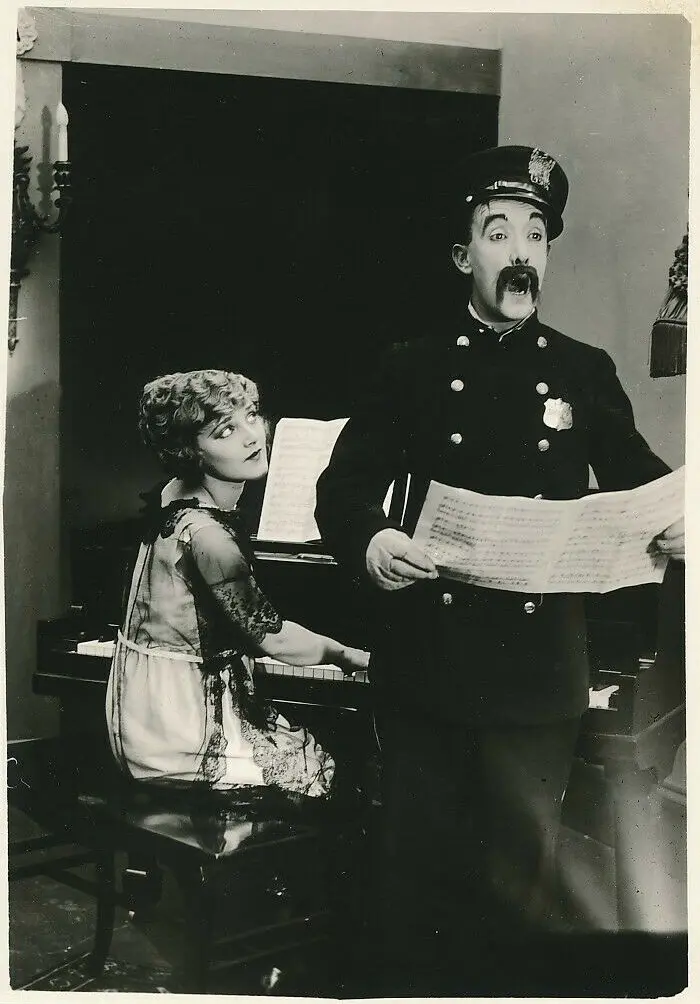
Pollard himself remains an underrated figure in the pantheon of silent greats. While he lacked the poetic pathos of Chaplin or the death-defying athleticism of Keaton, he possessed a unique, twitchy energy that felt authentically modern. His mustache—a drooping, ridiculous appendage—became a character in its own right, a visual shorthand for his perpetual state of bewilderment. In Start Something, his physical comedy is at its peak. Whether he is trying to look suave while leaning against a moving car or attempting to direct three different directions at once, his body is in a state of constant, hilarious conflict.
The film also benefits from the presence of Marie Mosquini and Gaylord Lloyd (Harold's brother), who provide the necessary friction for Pollard’s antics. The ensemble work here is tight, reflecting the collaborative spirit of the Roach lot. It’s a far cry from the more solitary, dramatic performances found in films like The Forbidden Path or the tragic overtones of I bimbi di nessuno. Here, the goal is collective laughter, achieved through a meticulously timed symphony of errors.
For the modern viewer, Start Something also serves as a valuable historical document. The street scenes offer a glimpse into a Los Angeles that no longer exists—a city of dirt roads and early asphalt, of trolley lines and unshielded storefronts. This location shooting provides a sense of authenticity that studio-bound productions of the time, like Lena Rivers, often lacked. The cars themselves are characters: chugging, smoking beasts that require constant attention and provide endless opportunities for physical gags. Watching Pollard navigate this mechanical jungle is a reminder of how much our relationship with technology has changed, and how much it has stayed the same.
In the broader context of 1919 cinema, which included heavy hitters like The Last Rebel and the whimsical Leave It to Susan, Pollard’s short holds its own by refusing to be anything other than a delivery system for joy. It doesn't strive for the moral weight of Playing Dead or the exoticism of The Man-Eater. Instead, it finds its power in the mundane—a man, a uniform, and the eternal distraction of a pretty face.
Why does Start Something still resonate over a century later? Perhaps it’s because the core of the humor is universal. We have all encountered someone in a position of authority who was clearly more interested in their own personal pursuits than in the job at hand. Snub Pollard’s traffic cop is the patron saint of the distracted worker. His flirtations are harmless, his failures are spectacular, and his ultimate success in 'mixing things up' is a victory for the chaotic spirit in all of us.
The film’s conclusion—a crescendo of automotive confusion—leaves the viewer with a sense of delightful exhaustion. It is a testament to the skill of the Roach writers and the charisma of the cast that such a simple premise can be stretched into a compelling narrative experience. While it may not have the name recognition of the feature-length masterpieces that would follow in the 1920s, Start Something is an essential piece of the puzzle for anyone interested in the evolution of comedy. It is a bright, flickering beacon of pure entertainment from an era when the movies were young, wild, and unafraid to make a mess of things.
Final Thought: If you find yourself stuck in modern-day traffic, remember Snub Pollard. He wouldn't fix the jam, but he'd certainly make sure the view was interesting before the bumpers started clashing.
IMDb 7.8
1926
Community
Log in to comment.