DbcultAccessing Vault...
5.6/10
Senior Film Conservator
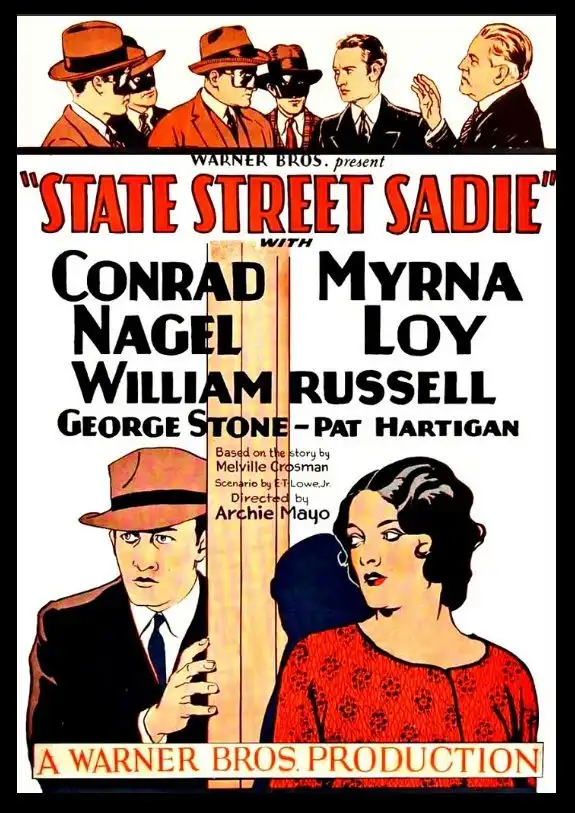
A definitive 5.6/10 rating for a film that redefined the boundaries of cult cinema. State Street Sadie remains a cornerstone of transgressive art.
Alright, let's get this out of the way: State Street Sadie isn't for everyone. If you’re a die-hard Myrna Loy enthusiast, or someone who genuinely enjoys digging into the often-awkward, sometimes-brilliant chaos of early sound cinema, then yes, you might find something here. For anyone else, especially those expecting a slick, compelling narrative, you're probably going to find it a bit of a slog. It’s less a rediscovered gem and more a curious relic, full of the growing pains of a new medium.
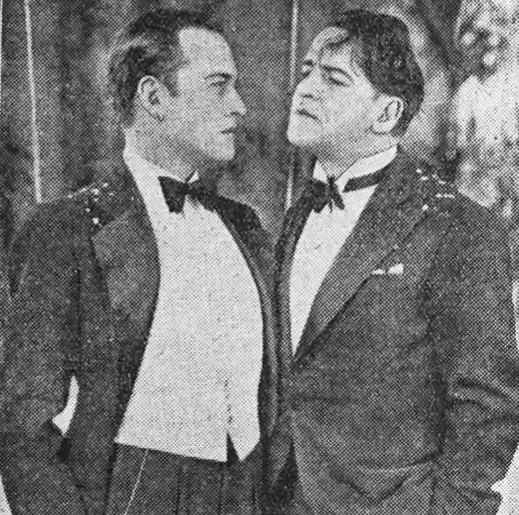
The premise itself is pure pulp: twin brothers, framed murders, undercover revenge plots, and a mysterious gang leader named "The Bat." It's the kind of story that practically screams 'serial cliffhanger.' George E. Stone plays both Joe Blake, the framed gangster, and his avenging twin, Ralph. His performance as the two is… well, it’s a choice. There isn't a huge amount of differentiation between the brothers beyond Joe being dead and Ralph being slightly more determined. You often rely on dialogue to tell you which twin you’re watching, which isn't ideal when the sound itself can be a bit muddy.
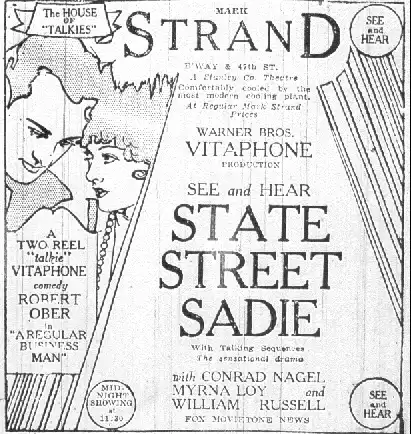
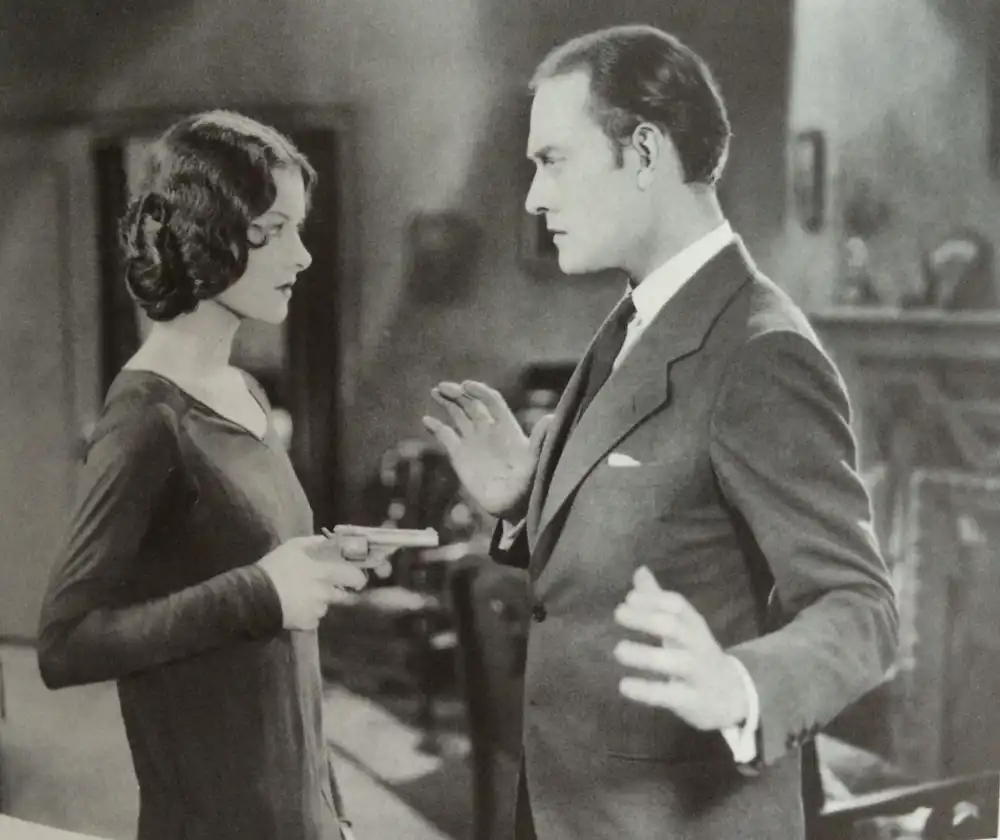
But then Myrna Loy shows up as Isobel, or rather, "State Street Sadie." And suddenly, things get interesting. Loy brings this incredible screen presence, even in a film that’s often working against her. She plays the daughter of the murdered cop, also undercover, trying to get her own piece of revenge. Her outfits are fantastic, all slinky and defiant, perfectly fitting the 'tough dame' persona. There’s a scene where she’s just leaning against a doorframe, watching the chaos unfold, and her expression says more than most of the clunky dialogue in the entire picture.
The pacing of State Street Sadie is all over the place. Some scenes rush by in a blur of frantic action, then you’ll have a moment where the camera just sits, unmoving, on two characters delivering lines directly into the microphone for what feels like an eternity. There's a particular conversation in a smoky backroom that just drags. The camera holds on one guy fiddling with a pen for so long it becomes almost hypnotic, and not in a good way. You can almost feel the director thinking, "Okay, what next?"
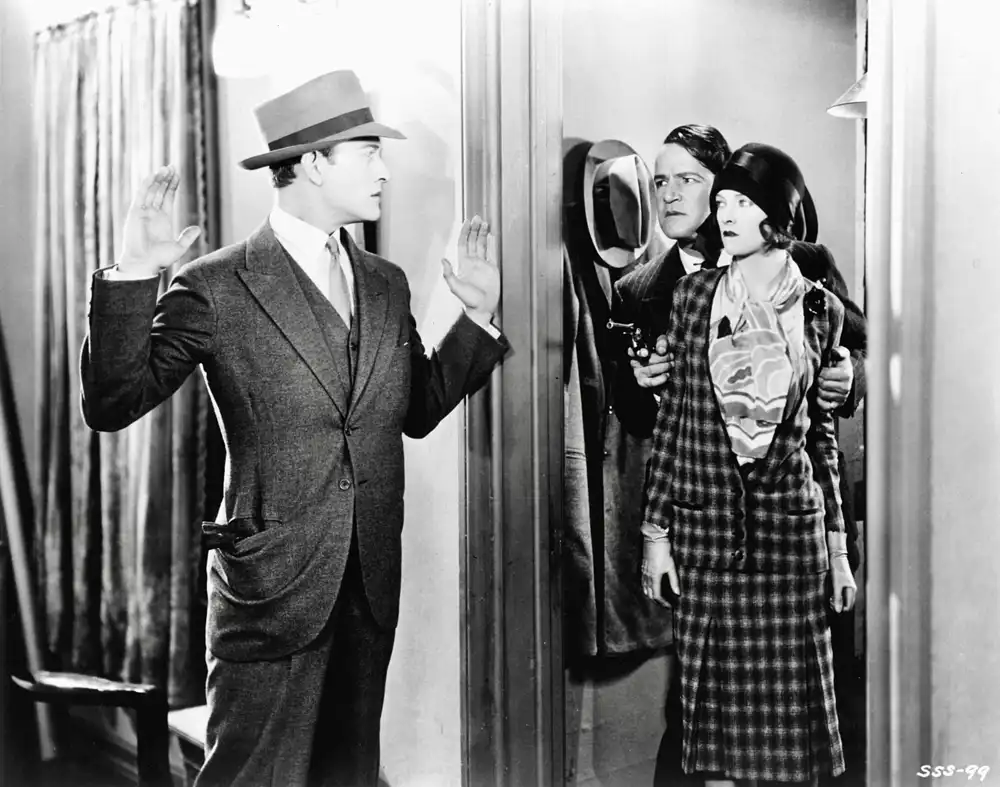
The dialogue itself is a mixed bag. Loy gets some wonderfully sharp lines, but then the script will suddenly throw in something incredibly saccharine or melodramatic that feels completely out of character for Sadie. It's like the writers couldn't quite decide if they were writing a hard-boiled crime story or a Victorian melodrama. The attempts at snappy gangster patter often sound forced, like someone read a dictionary of slang and just started inserting words randomly. "See, Mugsy? It's the real McCoy!" – that sort of thing.
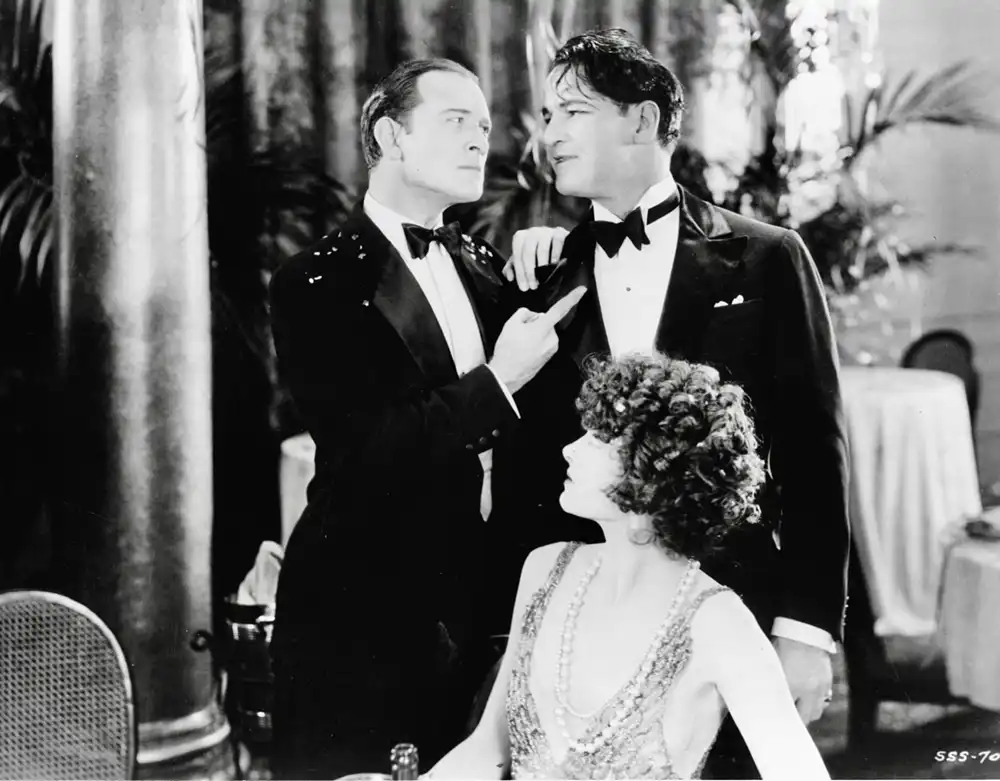
One of the film's most glaring issues is the tonal inconsistency. It wants to be a gritty crime drama, then it veers into almost slapstick territory with some of the more over-the-top villain performances, and then suddenly it’s trying to be a serious romance between Ralph and Sadie. The shifts are jarring. You’re watching a tense confrontation, and then a minor character will do something so theatrical it pulls you right out of the moment. It’s hard to settle into any one mood.
The 'action' sequences are definitely of their time. Joe Blake’s "suicide" at the beginning is so stiff and unconvincing you almost expect him to pop back up and take a bow. The final chase, which ends with The Bat leaping from a rooftop, is similarly… quaint. You see the actor perched precariously, then a quick cut, and then a very obvious dummy tumbles down. It's more comical than tragic, which probably wasn't the intention.
Despite these rough edges, there are flashes of genuine atmosphere. There’s a shot of a shadowy figure skulking down a dimly lit corridor early on that’s surprisingly effective, almost hinting at the noir genre that would emerge years later. And Loy, even when the material is creaky, manages to infuse Sadie with a compelling mix of vulnerability and steel. Her chemistry with George E. Stone, while not exactly sizzling, is enough to carry the unlikely romance. You believe they could be partners in crime, even if the "contemplating marriage" ending feels tacked on, a requirement of the era more than an organic conclusion.
Ultimately, State Street Sadie is a fascinating watch for specific reasons. It’s a snapshot of Hollywood in transition, trying to figure out how to tell stories with sound. It’s messy, uneven, and often quite funny in its earnestness. But Loy’s undeniable star power shines through, making it worth a look if you're into the history of cinema. Just don't go in expecting a polished masterpiece. Expect a wild, sometimes baffling, but always interesting ride.
IMDb —
1933
Community
Log in to comment.