DbcultAccessing Vault...
Cult Review
Senior Film Conservator
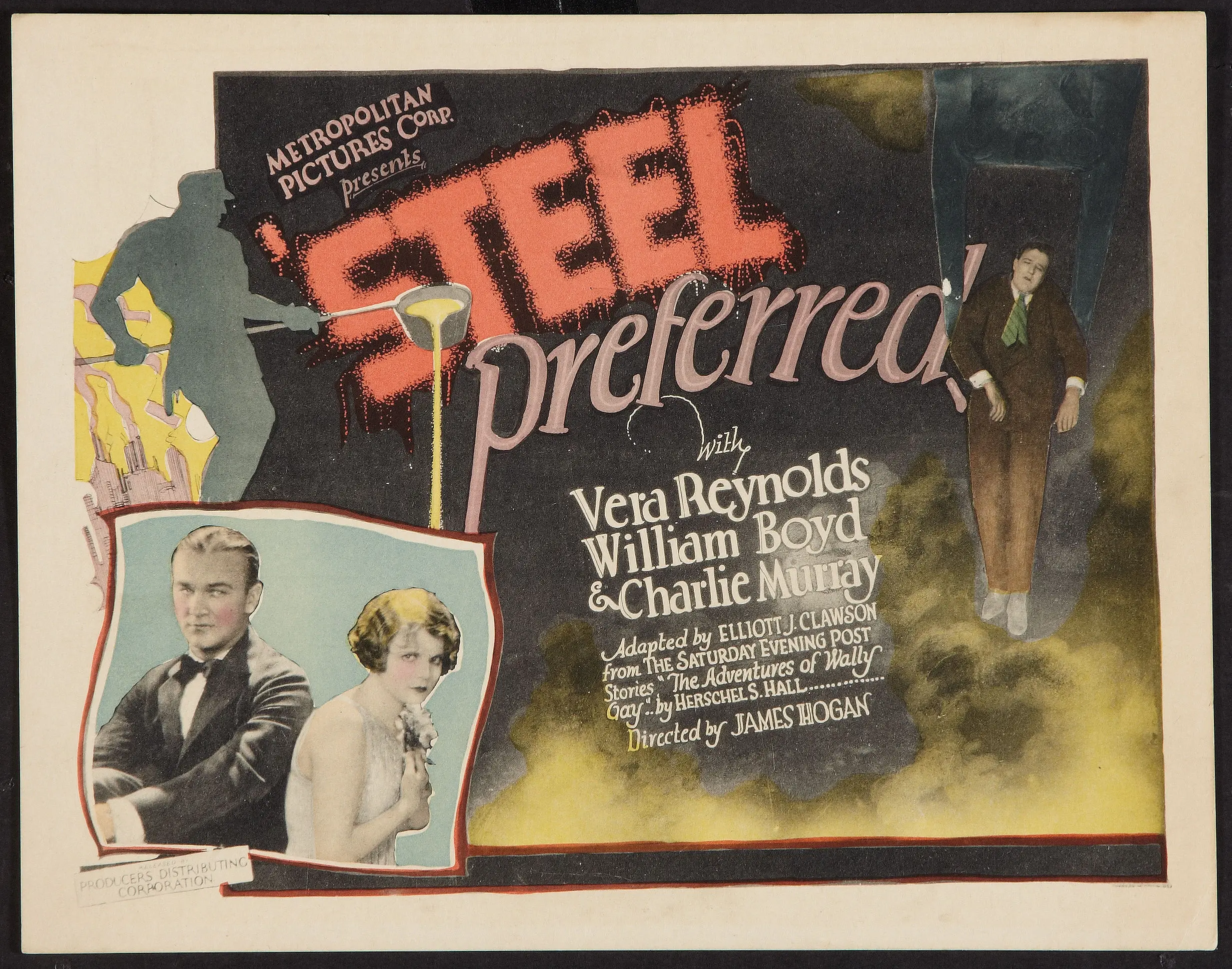
Steel Preferred (1919), a silent film directed by an uncredited director, is a captivating blend of industrial drama and romance. The story centers around Wally Gay, a young and innovative engineer at the Creeth steel works, whose life is significantly impacted by a demotion orchestrated by his jealous superior, Waldron.
Wally's Journey: Wally Gay's narrative begins with a clear underdog status. His talent and ideas are overshadowed by the jealousy of Waldron, the superintendent at Creeth steel works. The film delves into the internal and external conflicts Wally faces, including his struggle to assert his worth and his innovative spirit amidst the constraints of a jealous and unappreciative work environment.
The narrative takes a dramatic turn when Wally conceives a radical design for a new furnace. This design not only showcases his engineering prowess but also introduces a pivotal moment in the film's plot. Amy Creeth, daughter of the elder Creeth, shows interest in Wally, which Waldron perceives as a threat to his position. This rivalry between Wally and Waldron intensifies, setting the stage for a series of events that challenge their professional and personal relationships.
The Strike and Redemption: The design is eventually implemented, but Waldron's jealousy leads him to instigate a strike among the workers. This act of sabotage is a turning point in the film, as it not only disrupts the progress of the new furnace but also tests Wally's resolve and leadership. In a climactic scene, Wally confronts Waldron in a physical altercation, ultimately convincing the workers to return to their jobs under his leadership. This act of bravery and leadership cements Wally's position as a respected figure within the community.
The film's plot thickens as Wally's actions during the strike lead to a life-threatening situation. A ladle full of molten steel is accidentally overturned, putting Amy Creeth in grave danger. In a moment of heroism, Wally manages to save Amy's life, a gesture that solidifies his affection for her and her admiration for his courage. This pivotal event not only advances the plot but also deepens the emotional connection between the two characters.
Resolution and Triumph: The elder Creeth, witnessing Wally's good character and exceptional abilities, recognizes him as both son-in-law and successor. This resolution not only provides a satisfying conclusion to the narrative but also underscores the film's themes of innovation, loyalty, and the triumph of merit over jealousy. The elder Creeth's decision marks a turning point in Wally's journey, affirming his worth and validating his innovative spirit.
The cast, including Charles Murray, Vera Reynolds, Helene Sullivan, and Nigel Barrie, brings a sense of authenticity and depth to their characters. Their performances are nuanced and compelling, effectively portraying the complex emotions and motivations of their roles. The supporting cast, notably including Ben Turpin, William Boyd, Walter Long, William V. Mong, and Hobart Bosworth, adds layers to the narrative, enriching the overall experience of the film.
Industrial Drama and Romance: Steel Preferred is a masterclass in blending drama and romance with the backdrop of industrial settings. The film successfully captures the essence of the steel industry, providing a realistic and immersive portrayal of the work environment. The narrative's focus on innovation, competition, and personal growth resonates with themes that are both timeless and relevant. The film's exploration of the tension between personal ambition and professional integrity adds depth to the story, making it a compelling watch for audiences interested in early cinema.
Comparative Analysis: For those interested in similar narratives, films like The Willow Tree and The Winchester Woman offer a glimpse into the early 20th-century industrial landscape and its impact on personal relationships. Meanwhile, Blutschande delves into more complex social and moral issues, providing a contrast to the straightforward plot of Steel Preferred. These films, along with Should William Tell?, The Belle of Kenosha, and Two Little Imps, offer a broader context for understanding the cultural and historical significance of early American cinema.
Conclusion: Steel Preferred is a testament to the power of storytelling within the early cinema genre. Through its engaging narrative and well-rounded characters, the film explores themes of innovation, leadership, and personal growth. Its blend of industrial drama and romance makes it a must-watch for anyone interested in the evolution of early American cinema. The film's ability to captivate audiences through its well-crafted plot and compelling performances positions it as a significant work in the early film canon.
IMDb —
1924
Community
Log in to comment.