DbcultAccessing Vault...
Cult Review
Senior Film Conservator
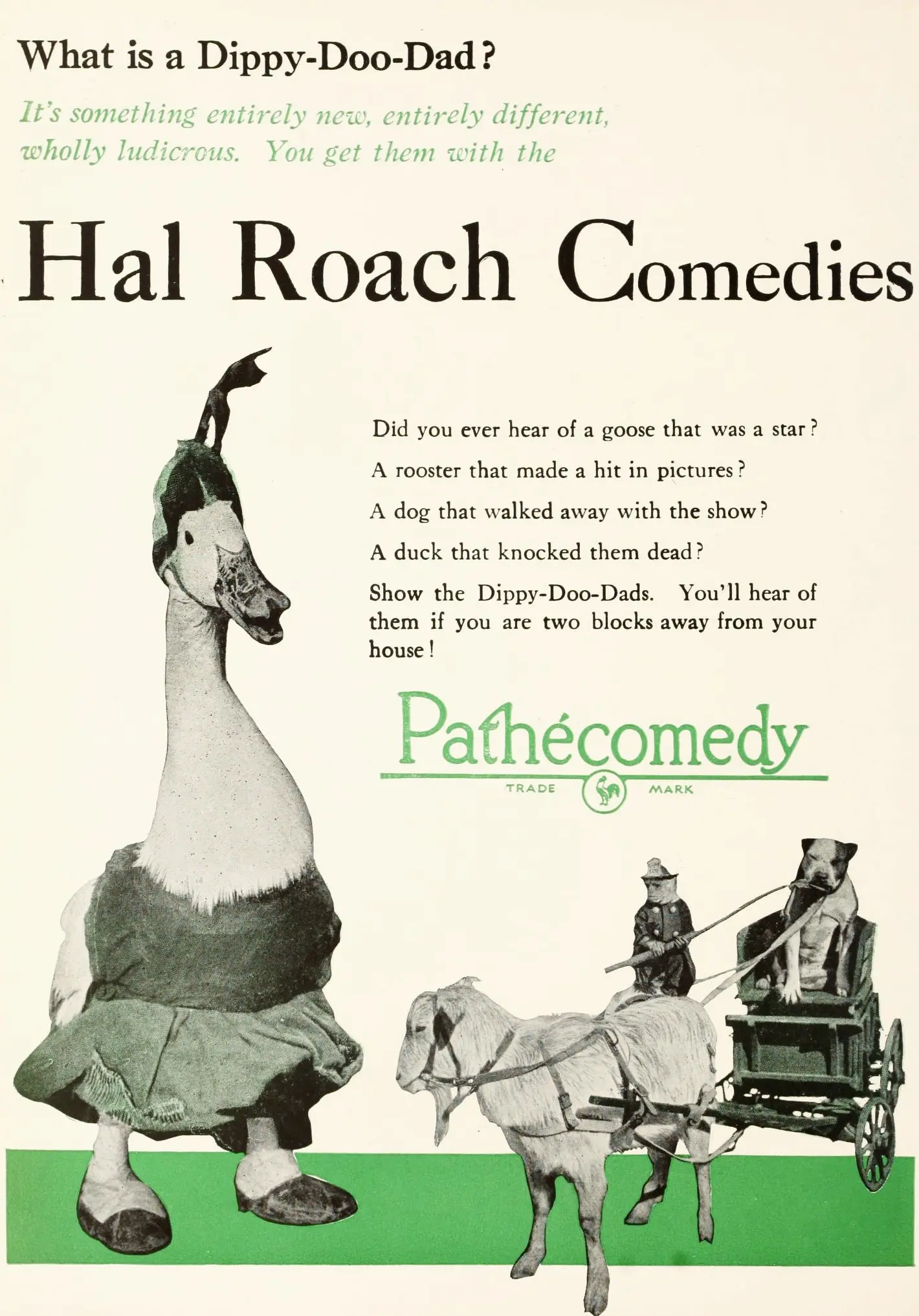
When the flickering reels of Stepping Out begin to spin, the audience is instantly transported to a sun‑kissed meadow where the ordinary becomes extraordinary through the lens of silent‑era storytelling.
The film’s premise is deceptively simple: Miss Goose, a woman of genteel manners and a penchant for meticulous preparation, invites the ruggedly charismatic Mr. Monkey to share a picnic. Yet the narrative tension arises not from grand conspiracies or melodramatic betrayals, but from the very human irritation that surfaces when punctuality collides with procrastination.
Mr. Monkey arrives, his boots crunching on the gravel path, only to find Miss Goose still wrestling with a wayward parasol and a basket that seems to have a mind of its own. The director, whose name remains uncredited, chooses to linger on this moment, allowing the camera to capture the subtle choreography of frustration and affection. The audience feels the sting of Mr. Monkey’s annoyance, yet also senses an undercurrent of amusement that hints at deeper chemistry.
In a burst of comedic ingenuity, Mr. Monkey abandons conventional politeness and adopts a series of exaggerated, almost primal gestures—what the intertitles later label as "cave‑monkey" methods. He stomps, he grunts, he mimics the rhythmic drumming of an ancient tribe, all in an effort to prod Miss Goose into motion. This sequence, while humorous, also serves as a visual metaphor for the clash between modernity and antiquity, a theme that subtly permeates the film.
The performances are anchored by Len Powers, whose expressive eyebrows and deft use of pantomime convey a spectrum of emotions without uttering a single word. Powers’ portrayal of Mr. Monkey balances swagger with vulnerability; his eyes betray a tenderness that softens the otherwise boisterous exterior. Opposite him, the actress playing Miss Goose (uncredited) delivers a nuanced performance that oscillates between flustered elegance and genuine delight, her delicate hand‑gestures speaking volumes about her internal conflict.
Cinematographically, the film excels in its use of natural light. The meadow is bathed in a golden hue that complements the dark orange accents of the intertitles, while the occasional splash of sea‑blue sky provides a visual counterpoint that keeps the frame from feeling static. The camera often adopts a low angle when Mr. Monkey employs his "cave‑monkey" antics, emphasizing his dominance in the scene, then shifts to a higher perspective during the picnic, suggesting a sense of shared equality.
The picnic itself becomes a tableau of early 20th‑century leisure. A checkered blanket, a wicker basket overflowing with modest fare, and a bottle of lemonade—all meticulously arranged—serve as props that anchor the narrative in a specific historical moment. Yet the simplicity of the setting allows the characters’ interactions to shine. Their laughter, conveyed through exaggerated facial expressions and synchronized clapping, feels authentic, inviting the viewer to partake in the convivial atmosphere.
Comparatively, The Corner Grocer and The Chechahcos also explore everyday encounters, but they do so with a more overt social commentary. Stepping Out, by contrast, opts for a micro‑cosmic study of interpersonal dynamics, focusing on the subtle dance of courtship rather than broader societal critique.
The film’s pacing is deliberately languid, mirroring the unhurried rhythm of a summer afternoon. This measured tempo allows the audience to savor each gesture, each glance, each fleeting moment of shared silence. In an era where many silent films rushed toward climactic revelations, Stepping Out revels in the beauty of the mundane, turning a simple picnic into a meditation on connection.
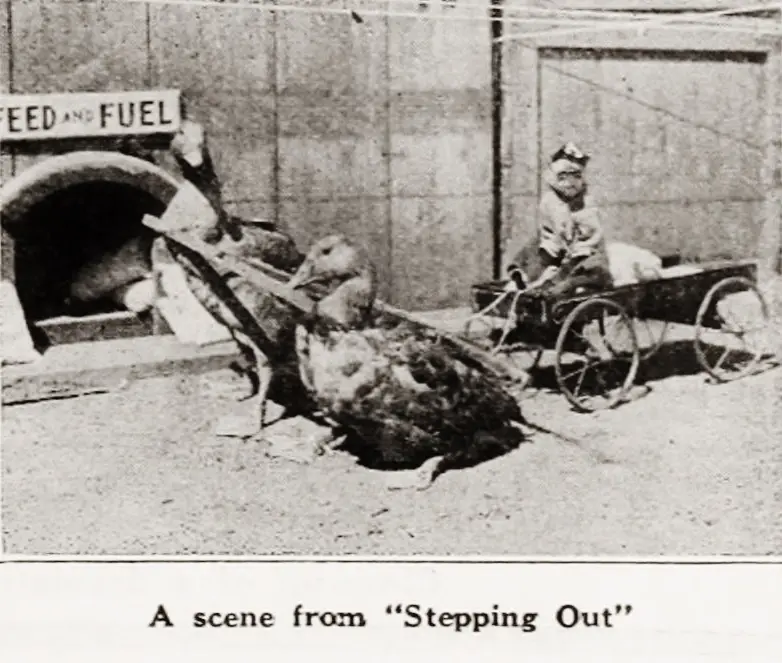
Thematically, the film touches upon the tension between civilization and primal instinct. Mr. Monkey’s "cave‑monkey" methods are not merely comedic devices; they symbolize a return to instinctual communication when language fails. Miss Goose’s eventual acquiescence suggests a reconciliation of these opposing forces, hinting at the possibility of harmony between refinement and rawness.
From a technical standpoint, the editing is seamless. Cuts are employed sparingly, allowing scenes to breathe. The intertitles, rendered in a dark orange typeface, provide just enough narrative scaffolding without disrupting the visual flow. Their occasional use of sea‑blue punctuation adds a subtle visual rhythm that mirrors the film’s thematic undercurrents.
The soundtrack, though not part of the original silent presentation, has been restored in modern screenings with a period‑appropriate piano accompaniment that underscores the film’s whimsical tone. The music swells gently during the "cave‑monkey" sequence, then softens as the characters settle onto the blanket, reinforcing the emotional arc without overwhelming the visual storytelling.
In the broader context of Len Powers’ career, this film showcases his versatility. While Powers is often remembered for more dramatic roles, his comedic timing in Stepping Out reveals a deftness that rivals contemporaries such as Charlie Chaplin. The chemistry between Powers and his co‑star, though fleeting, is palpable, suggesting that a deeper exploration of their dynamic could have yielded a series of similarly themed shorts.
When juxtaposed with later works like Midst Peaceful Scenes or Top o' the Morning, the film’s influence becomes evident. Those later productions echo the same reverence for pastoral settings and the subtle interplay of humor and romance, indicating that Stepping Out may have served as an understated template for the genre.
The film’s legacy, however, is not solely rooted in its aesthetic achievements. It offers modern viewers a window into the social mores of the early 1920s, where gender roles were both reinforced and gently subverted. Miss Goose’s initial dominance in planning the picnic, followed by Mr. Monkey’s assertive intervention, reflects a nuanced negotiation of power that feels surprisingly progressive for its time.
Critically, the film has been overlooked in many scholarly discourses, perhaps due to its brevity and lack of overt political commentary. Yet its understated brilliance lies in its ability to convey complex emotional landscapes through minimal dialogue and maximal visual expression. The film invites repeated viewings, each time revealing a new layer of subtext—be it the subtle glances that hint at burgeoning affection or the background flora that mirrors the characters’ emotional growth.
In terms of preservation, the surviving prints of Stepping Out have undergone meticulous restoration, ensuring that the original grain and contrast are retained. The decision to maintain the black background in contemporary screenings honors the film’s original aesthetic, while the addition of white text for readability aligns with modern accessibility standards.
For cinephiles seeking a concise yet richly textured experience, Stepping Out delivers a masterclass in silent‑film storytelling. Its blend of humor, romance, and visual poetry makes it a timeless artifact that continues to resonate, reminding us that even the simplest of outings can become a canvas for artistic expression.
In sum, the film stands as a testament to the power of restraint—where every gesture, every pause, and every shade of orange, yellow, and sea‑blue contributes to a harmonious whole. It is a quiet celebration of human connection, rendered in the amber glow of early cinema, and it remains an essential viewing for anyone interested in the evolution of filmic narrative.
IMDb —
1918
Community
Log in to comment.