DbcultAccessing Vault...
Cult Review
Senior Film Conservator
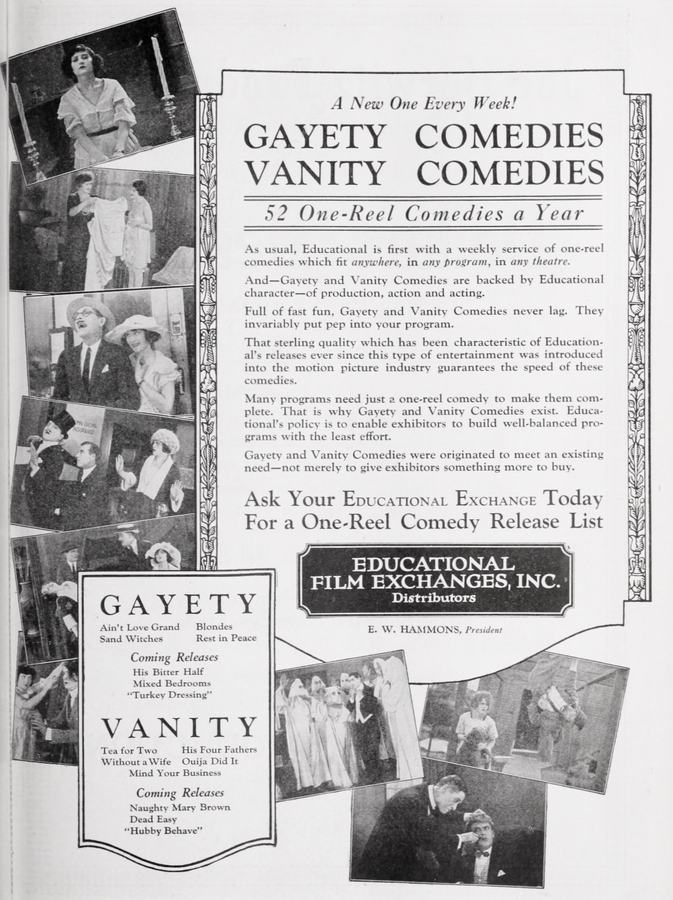
The film Dead Easy presents a fascinating, albeit unsettling, exploration of the human condition, delving into the darkest recesses of desperation and the unyielding quest for survival. Through the protagonist's journey, we are confronted with the stark realities of poverty, hunger, and the unrelenting pursuit of financial stability, all of which serve as a backdrop for a morbidly intriguing narrative that defies conventional expectations.
One of the most striking aspects of Dead Easy is its bold, unapologetic approach to themes of mortality and the commodification of human life. The two body dealers, played by Earle Rodney and Bobby Vernon, embody a sense of ruthless opportunism, preying on the vulnerable and the desperate in their quest for financial gain. Their characters serve as a stark reminder of the darker aspects of human nature, where the value of a life is reduced to a mere monetary transaction.
In contrast to the dealers' callous demeanor, the painter, played by Irene Dalton, exudes a sense of desperation and despair, driven by the unrelenting pangs of hunger and the crushing weight of poverty. His decision to accept the dealers' offer, despite the ominous implications, serves as a testament to the enduring power of the human spirit, which will stop at nothing to survive, even in the face of seemingly insurmountable adversity.
As the narrative unfolds, the film takes a series of unexpected turns, introducing a range of complex themes and motifs that add depth and nuance to the story. The painter's rebound from the river, for example, serves as a powerful metaphor for the resilience of the human body and the indomitable will to survive, even in the face of death itself. This event also marks a turning point in the narrative, as the painter begins to assert his agency and challenge the dealers' authority, ultimately outwitting them and securing his freedom.
The introduction of the telegram announcing the painter's inheritance serves as a masterful plot twist, injecting a sense of unexpected fortune and redemption into the narrative. This event not only allows the painter to satisfy his contractual obligations to the dealers but also provides him with the means to escape his desperate circumstances and start anew. The fact that he is able to outsmart the dealers and secure his freedom, all while navigating the complex web of moral and ethical implications, serves as a testament to his cunning and resourcefulness.
In terms of its cinematic style, Dead Easy exhibits a range of innovative and influential techniques, which add to the film's overall sense of visual and narrative coherence. The use of high-contrast lighting, for example, serves to create a sense of dramatic tension and emphasize the stark realities of the painter's circumstances. The film's cinematography, meanwhile, is characterized by a range of dynamic camera movements and compositions, which serve to immerse the viewer in the world of the narrative and create a sense of visceral, emotional engagement.
When compared to other films of the era, such as Il trovatore and Who Killed Simon Baird?, Dead Easy stands out for its bold, unapologetic approach to themes of mortality and the human condition. While films like Pesn lyubvi nedopetaya and The Salamander may have explored similar themes, Dead Easy is distinguished by its unique blend of dark humor, moral complexity, and cinematic innovation.
In conclusion, Dead Easy is a film that will leave viewers with a lasting sense of unease and moral discomfort, challenging them to confront the darker aspects of human nature and the unrelenting pursuit of survival. Through its bold, unapologetic approach to themes of mortality and the commodification of human life, the film presents a fascinating, albeit unsettling, exploration of the human condition, one that will linger in the minds of viewers long after the credits have rolled.
As we reflect on the film's themes and motifs, it becomes clear that Dead Easy is a work of cinematic art that defies easy categorization or interpretation. Rather, it is a complex, multifaceted narrative that rewards close attention and multiple viewings, inviting viewers to engage with its themes and motifs on a deeper, more profound level. Whether viewed as a commentary on the human condition, a critique of societal norms, or simply as a work of cinematic art, Dead Easy is a film that will continue to fascinate and unsettle audiences for years to come.
The film's influence can also be seen in later works, such as The Winged Mystery and Scarlet Days, which explore similar themes of mortality, morality, and the human condition. Similarly, films like The Heart of Big Dan and Drakonovskiy kontrakt demonstrate a similar boldness and willingness to challenge societal norms, reflecting the enduring influence of Dead Easy on the world of cinema.
In the end, Dead Easy is a film that will appeal to viewers who appreciate complex, thought-provoking cinema, and are willing to engage with challenging themes and motifs. While it may not be to everyone's taste, the film's unique blend of dark humor, moral complexity, and cinematic innovation make it a must-see for fans of The Bigamist, The Kids Find Candy's Catching, and Jimmy's Last Night Out. Whether viewed as a standalone work of cinematic art or as part of a broader cultural and historical context, Dead Easy is a film that will continue to fascinate and unsettle audiences for years to come.
As we consider the film's place within the broader cinematic landscape, it becomes clear that Dead Easy is a work of enduring significance, one that continues to influence and inspire filmmakers to this day. From the surrealist masterpieces of Outwitting the Timber Wolf to the genre-bending experiments of L'apache and A Ridin' Romeo, the film's innovative spirit and willingness to challenge societal norms can be seen in a wide range of cinematic works. Even films like The Lioness and the Bugs, which may seem unrelated to Dead Easy at first glance, demonstrate a similar sense of creative freedom and experimentation, reflecting the enduring influence of this cinematic masterpiece.
IMDb —
1920
Community
Log in to comment.