DbcultAccessing Vault...
Cult Review
Senior Film Conservator
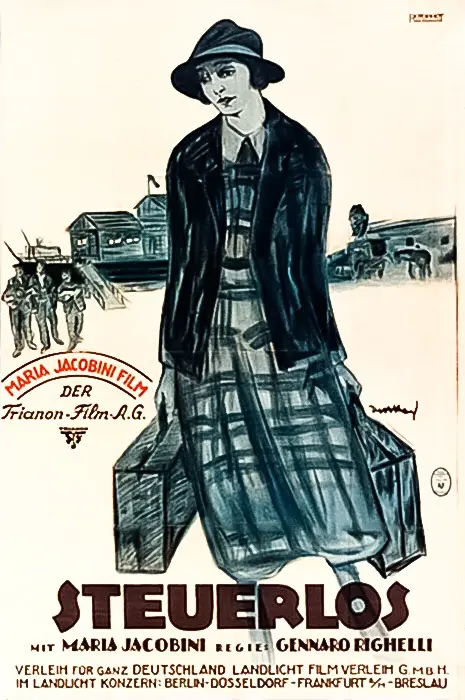
In the realm of silent cinema, few films have managed to captivate audiences with the same level of intrigue and emotional depth as 'Steuerlos' (1925). Directed by Nunzio Malasomma and Gennaro Righelli, this German masterpiece is a testament to the power of cinematic storytelling, weaving a complex narrative that explores the darker aspects of human nature.
The film's plot, expertly crafted by its writers, follows a group of characters as they navigate a world marked by desperation and survival. Clementine Plessner, Olga Engl, and Viktor Senger deliver performances that are at once captivating and haunting, bringing to life characters that are multidimensional and relatable.
One of the standout aspects of 'Steuerlos' is its use of visual storytelling. The film's cinematography is breathtaking, with each frame meticulously composed to convey a sense of tension and unease. The use of shadows, lighting, and composition creates a sense of foreboding, drawing the viewer into the world of the film.
In comparison to other films of the era, 'Steuerlos' shares a similar tone and thematic resonance with From Gutter to Footlights (1925), a film that also explores the struggles of everyday people in the face of adversity. However, 'Steuerlos' sets itself apart through its unique narrative voice and visual style, which is reminiscent of the works of German Expressionist filmmakers.
The film's themes of desperation, survival, and the human condition are timeless, evoking comparisons to literary classics such as Oliver Twist (1925). However, 'Steuerlos' is more than just a simple tale of good vs. evil; it is a nuanced exploration of the human experience, with characters that are multidimensional and relatable.
The performances in 'Steuerlos' are top-notch, with Clementine Plessner delivering a standout performance as a woman driven to the brink of desperation. Her portrayal is both heartbreaking and thought-provoking, and she is ably supported by Olga Engl and Viktor Senger.
Visually, the film is stunning, with a muted color palette that adds to the overall sense of unease and tension. The use of dark orange and yellow hues creates a sense of foreboding, while the sea blue tones evoke a sense of melancholy.
In terms of its cultural significance, 'Steuerlos' is an important film that provides a window into the social and economic realities of post-war Germany. The film's portrayal of a society in turmoil is both haunting and thought-provoking, and its themes of desperation and survival are timeless.
The film's influence can be seen in later works, such as The Fotygraft Gallery (1925), which also explores the struggles of everyday people in the face of adversity. However, 'Steuerlos' remains a unique and powerful work, with a narrative voice and visual style that sets it apart from other films of the era.
In conclusion, 'Steuerlos' is a masterpiece of cinematic storytelling, with a complex narrative, captivating performances, and stunning visuals. If you're a fan of silent cinema, or simply looking for a film that will challenge and engage you, then 'Steuerlos' is a must-see.
With its themes of desperation, survival, and the human condition, 'Steuerlos' is a film that will stay with you long after the credits roll. It's a powerful reminder of the importance of cinema as a medium for storytelling and social commentary, and its influence can still be felt today.
For fans of Brigadier Gerard (1926) and Idolators (1926), 'Steuerlos' offers a similar blend of drama, intrigue, and social commentary. However, its unique narrative voice and visual style set it apart from other films of the era, making it a must-see for anyone interested in the history of cinema.
In the context of the 1920s film landscape, 'Steuerlos' stands alongside The Girl I Loved (1926) and The Ouija Board (1926) as a testament to the power of cinema to captivate and engage audiences. Its themes of love, loss, and redemption continue to resonate with viewers today, making it a timeless classic of the silent era.
The film's use of visual motifs and symbolism adds depth and complexity to its narrative, inviting viewers to interpret and analyze its themes and messages. This level of depth and nuance is rare in films of the era, making 'Steuerlos' a standout work of cinematic art.
Overall, 'Steuerlos' is a film that is not to be missed. Its captivating narrative, stunning visuals, and thought-provoking themes make it a must-see for anyone interested in the history of cinema. So, if you have the opportunity to see 'Steuerlos', do not hesitate – it is an experience you will not soon forget.
IMDb 8
1925
Community
Log in to comment.