DbcultAccessing Vault...
6/10
Senior Film Conservator
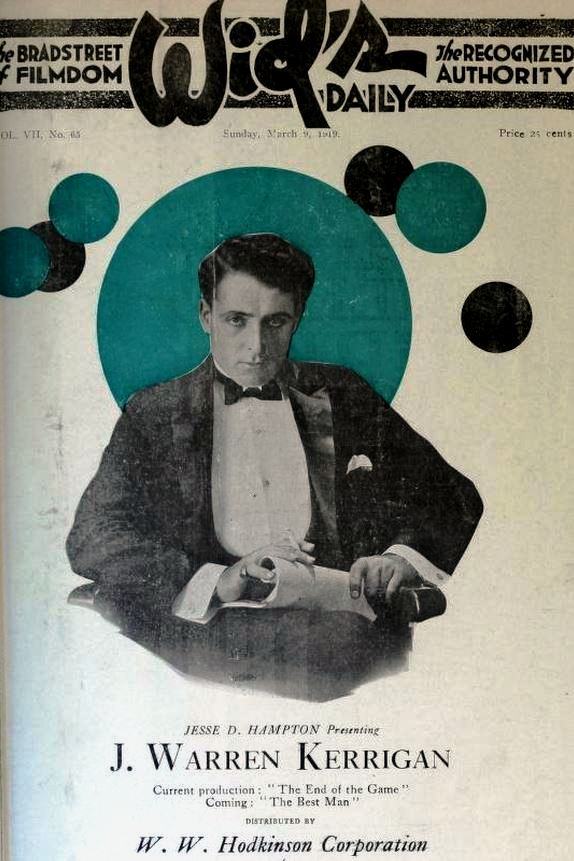
A definitive 6/10 rating for a film that redefined the boundaries of cult cinema. The End of the Game remains a cornerstone of transgressive art.
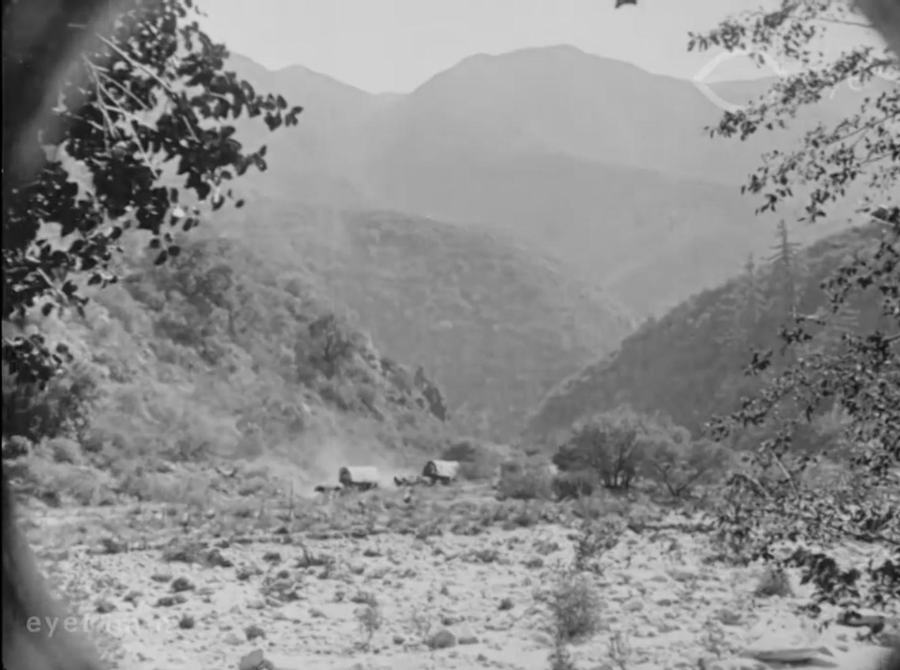
The California Gold Rush wasn't merely a geological event—it was a psychological pressure cooker where civilization's veneer cracked under the weight of greed. The End of the Game understands this implicitly, thrusting audiences into fly-blown saloons where men gamble not just money, but their very humanity on the turn of a card. Director James W. Horne constructs this 1919 silent Western as a grim counter-narrative to Manifest Destiny idealism. Through cinematographer Joseph Brotherton's chiaroscuro lighting, we witness a West not of heroic pioneers, but of compromised souls navigating ethical quicksand. Dust motes dance in shafts of lantern light like moral ambiguities made visible, while exterior sequences frame characters against jagged cliffs that mirror their fractured loyalties. This is a landscape where trust is scarcer than gold nuggets, and redemption must be mined from bedrock despair.
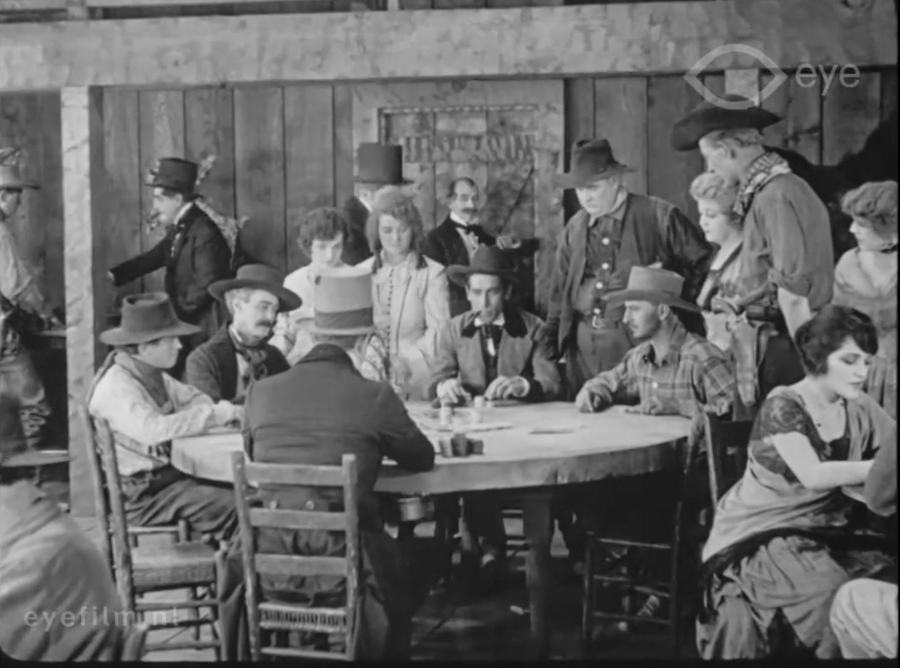
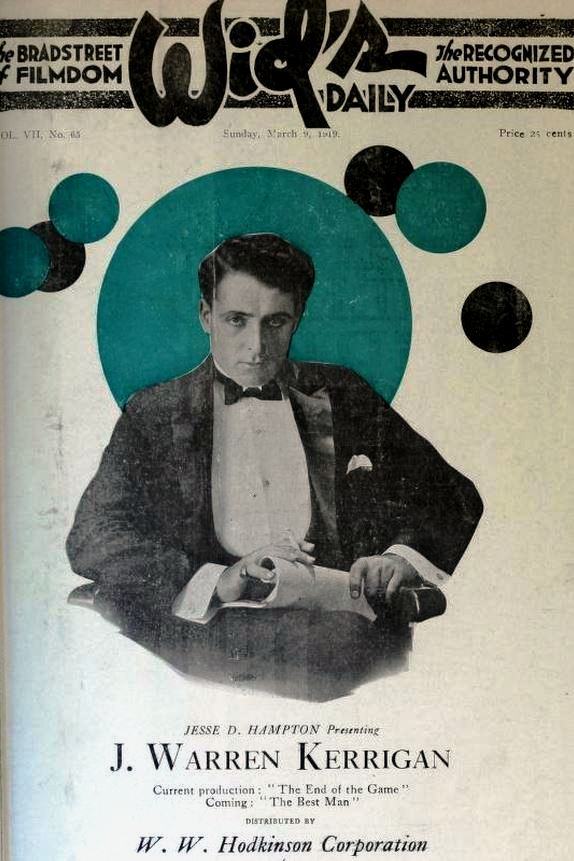
J. Warren Kerrigan's Burke Allister enters the narrative like a anachronistic specter—a Virginian aristocrat adrift in a world where honor is transactional. Watch how he adjusts his cuffs before confronting Faro Ed's gang, his posture radiating inherited privilege even in squalor. This is no John Wayne archetype; Kerrigan layers Burke with unsettling contradictions. His intervention at the card table isn't pure altruism—it's the compulsive act of a man who polishes moral codes like heirloom silverware to distract from inner voids. When he guns down Faro Ed, Kerrigan's eyes hold not triumph, but the shuddering realization that violence, once deployed, stains the wielder permanently. His subsequent flight with Mary becomes less a rescue than a mutual captivity in the wilderness of trauma.
"Kerrigan masterfully telegraphs Burke's unraveling aristocracy through physical minutiae—the increasingly careless knot of his necktie, the way his shoulders slump when believing Mary lost. This isn't heroism; it's the autopsy of a dying caste."
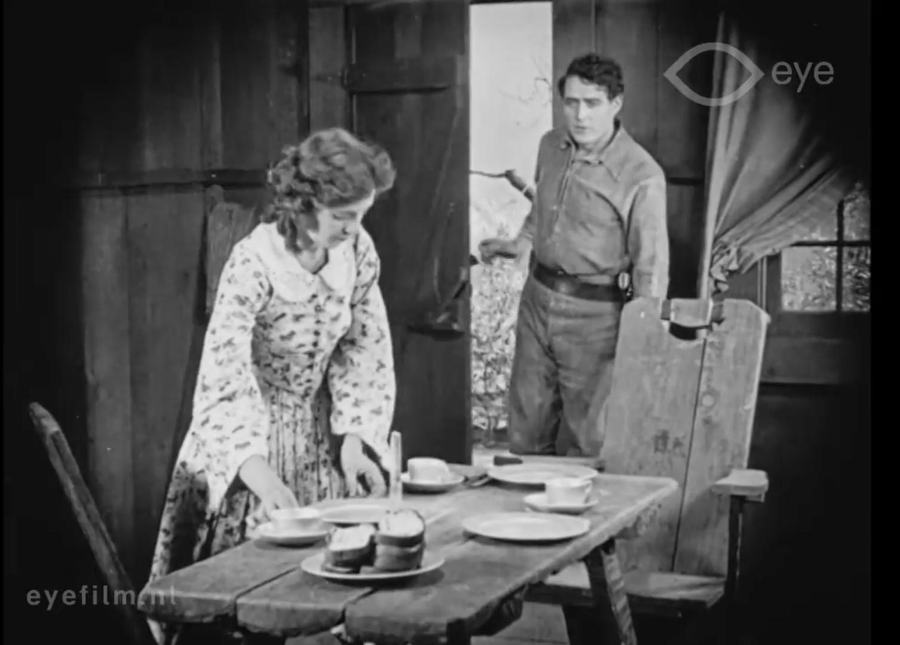
Elinor Fair transforms Mary Miller from imperiled sister into the film's aching conscience. Observe her early scenes: hands perpetually stitching or kneading dough—domestic rituals as psychological armor against chaos. Unlike Theda Bara's fatalistic Carmen, Fair crafts Mary's vulnerability as active resistance. When Baker whispers his poison, Fair lets us see cognition misfiring—eyes darting as mental images of Burke morph from protector to predator. Her choice to follow Middleton isn't passivity; it's the harrowing calculus of a woman with no safe harbor. In the mining camp sequences, Horne frames her against sluice boxes and rock piles, visual metaphors for the emotional filtration she must perform to survive. The final embrace with Burke isn't romantic closure but exhausted surrender to the least terrible option—a conclusion far bleaker than contemporaneous romances like The Heart of Jennifer.
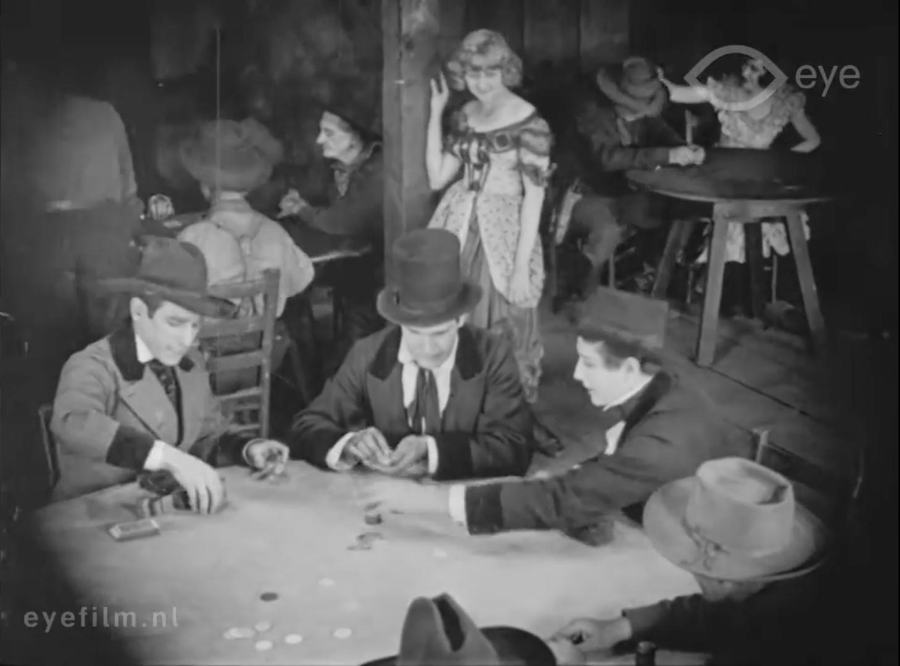
Bert Appling's Four-Ace Baker represents the film's most insidious villainy—not brute force, but epistemological warfare. Screenwriters Jenks and Willis script his manipulation as a masterclass in gaslighting. Note how Baker's lies nest within partial truths ("Burke demanded the game continue"), exploiting Mary's grief like a lockpick. His physicality—leaning conspiratorially close, fingers brushing her sleeve—turns information into violation. The intertitles during his deception scene adopt first-person perspective, making audiences complicit in the seduction of false narrative. This linguistic corrosion mirrors broader Gold Rush anxieties where contracts meant nothing and claims could be stolen through perjury—themes explored more legally in According to Law but here made devastatingly intimate.
Milton Ross crafts Dan Middleton as progenitor to a century of Western antagonists—his menace coiled in stillness rather than mustache-twirling. Ross telegraphs entitlement through props: the cigar stub he rolls between lips like a bullet, the way his spurs scar floorboards claiming territory. His attraction to Mary isn't desire but colonization, mirroring the era's mining ethos. When Mary tends Burke's wounds, Middleton's reaction shot shows not jealousy, but the fury of a man whose property has been reassigned without consent. His cliff plunge isn't just defeat; it's the landscape itself rejecting his toxic sovereignty—a trope later recycled in The Bandit of Port Avon but never with such geological fatalism.
The End of the Game operates as a Rosetta Stone for early Western tropes. The crooked card game ritual—later ossified in countless oaters—here feels freshly brutal, devoid of Mistress Nell's romantic flair. Horne shoots the sequence in claustrophobic close-ups: sweat-beaded foreheads, trembling fingers hovering above derringers, the deck itself as a character. Even the climactic cliff fight subverts expectations: Burke doesn't win through skill but through Middleton's own arrogance unbalancing him—a metaphor for the Gold Rush's self-devouring nature. The film's mining camp stands in stark contrast to the aristocratic settings of A Venetian Night, presenting work not as nobility but as Sisyphean punishment beneath a pitiless sun.
"Brotherton's cinematography turns the claim site into an existential prison: sluice boxes resemble gallows, water flows like tears, and mounds of tailings become graves for hope. Nature isn't a frontier to conquer but an indifferent jury."
In an era before dialogue, Horne weaponizes props as narrative vectors. Study Burke's pocket watch—its cracked face reflecting his fractured identity after Frank's death. Mary's lace collar, progressively frayed, charts her descent from bourgeois propriety to survivalist pragmatism. Most potent is the derringer used to kill Frank: when Baker describes Burke's fictional betrayal, Horne superimposes the weapon over Mary's face, visual shorthand for psychological penetration. These objects resonate beyond simplistic symbolism; they become silent conspirators in the characters' fates, much like the ancestral letters in The Scottish Covenanters but stripped of sentimentalism.
Modern viewers must grapple with the film's unresolved tensions. Mary's return to Burke feels less like reconciliation than Stockholm syndrome—a discomfort amplified when compared to the proto-feminism of The Amazons. The Native absence (beyond two background figures) renders the wilderness curiously empty, a vacuum where white trauma plays out unimpeded. Yet these flaws make the film invaluable. Its refusal to sanitize the West's moral bankruptcy prefigures revisionist Westerns by decades. The final embrace acquires chilling ambiguity when Burke's hand grips Mary's arm precisely where Middleton seized her—suggesting cycles of possession far from broken. In this light, the title The End of the Game becomes bitterly ironic: the game, we realize, never ends for those marked by its violence. Like Anna Karenina stripped of aristocracy, it presents love not as sanctuary, but as the least unbearable form of shared ruin.
Recent 4K restoration reveals fascinating subtext in damaged frames. Scratches across Middleton's close-ups resemble prison bars, while vinegar syndrome spotting on Burke's clothing mimics bloodstains he never incurred. Most haunting is a single missing frame during the cliff fall—a literal void where Middleton's fate is decided, preserving ambiguity. These celluloid scars deepen the film's meditation on impermanence: even cinematic preservation becomes a desperate claim-staking against oblivion, much like the miners' fleeting ownership of dirt that never truly belonged to them.
IMDb —
1920
Community
Log in to comment.