DbcultAccessing Vault...
5.7/10
Senior Film Conservator
A definitive 5.7/10 rating for a film that redefined the boundaries of cult cinema. Ten Dollars or Ten Days remains a cornerstone of transgressive art.
In the realm of silent cinema, where the absurd and the comedic often entwine, 'Ten Dollars or Ten Days' (1924) emerges as a noteworthy, albeit lesser-known, gem. This film, penned by John A. Waldron, presents a narrative that is at once a critique of the criminal justice system and a comedic exploration of mistaken identity.
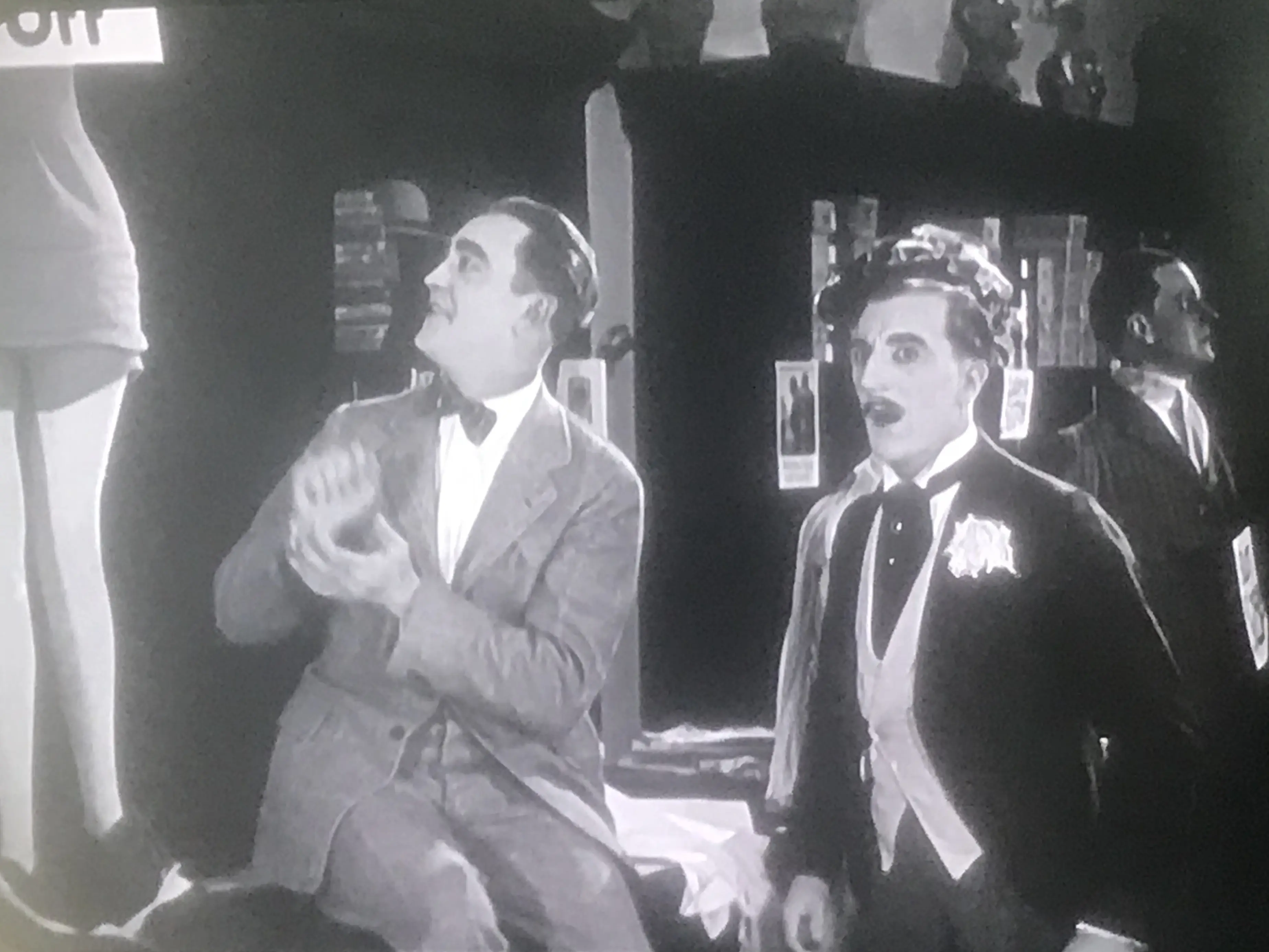
The story revolves around a store clerk, whose life takes a drastic turn when he is wrongfully accused of theft and murder. The night watchman, presumed to be a victim of the clerk's alleged crimes, is very much alive, adding a layer of complexity to the narrative. This setup, reminiscent of the mistaken identity plots found in Richelieu and Dangerous Days, serves as a springboard for a series of comedic misadventures.
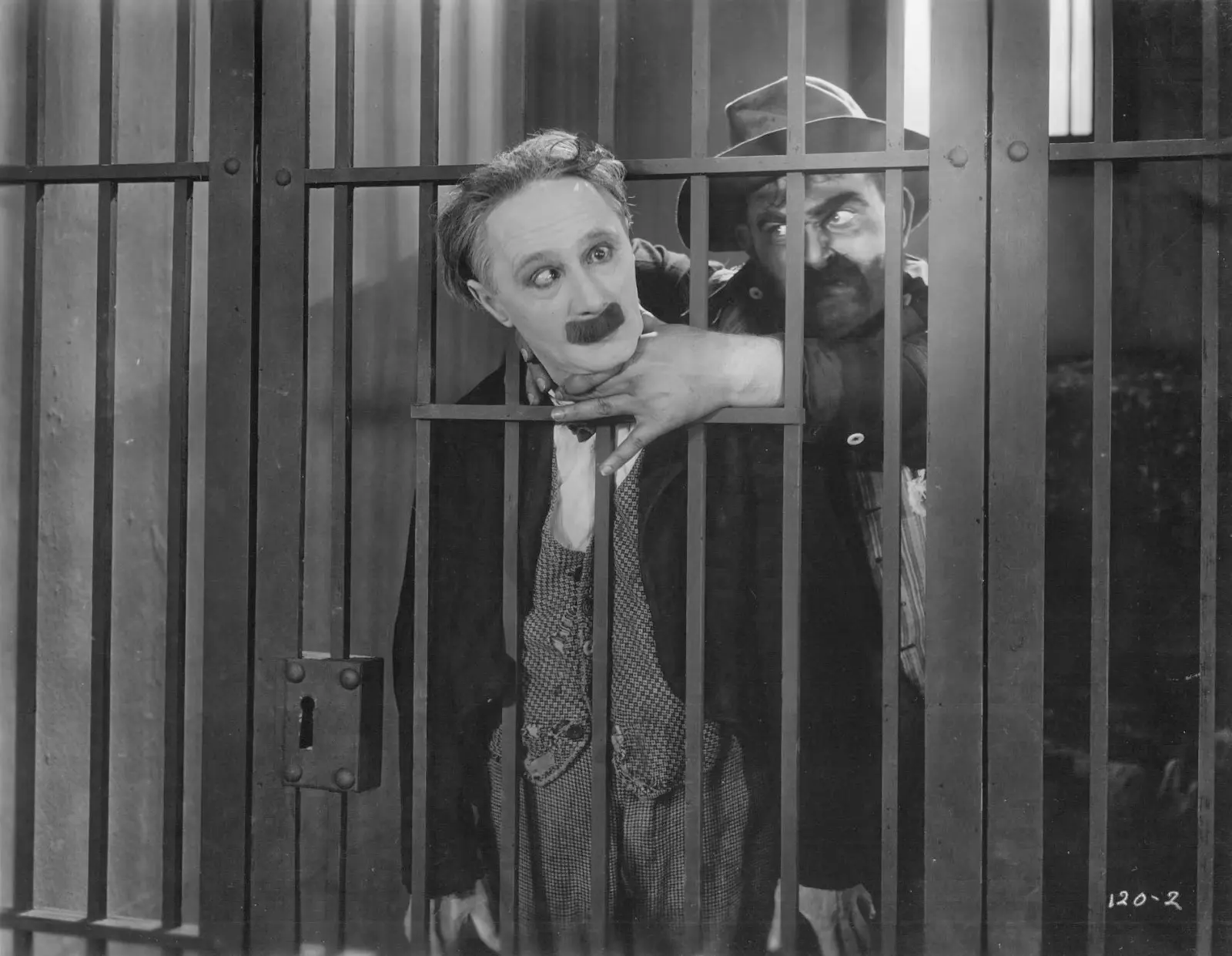
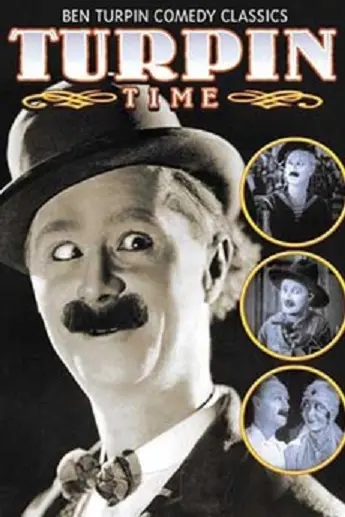
The film's cast, including Louise Carver, Maurice de Canonge, and Ben Turpin, deliver performances that are in line with the comedic tone of the movie. Their portrayals add depth to the narrative, making the absurd situations more believable and engaging. The character of the night watchman, in particular, serves as a pivotal element in the plot, his 'resurrection' acting as a catalyst for the events that unfold.
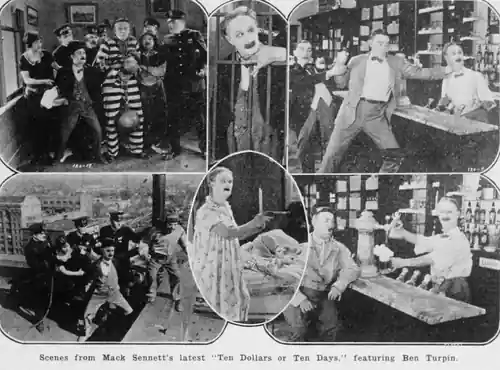
The direction of the film is noteworthy, with the use of visual comedy and slapstick humor that was characteristic of the silent era. The scene in which the protagonist dangles from a building, only to stumble upon the real burglar, is a testament to the filmmakers' ability to craft engaging and humorous sequences. This blend of physical comedy and mistaken identity plots is also seen in Solomon in Society and The Silent Witness, highlighting the film's place within the broader context of silent cinema.
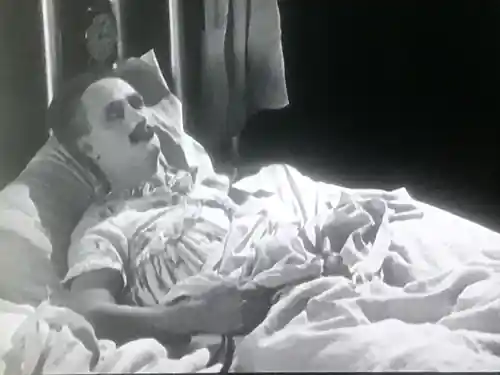
One of the most striking aspects of 'Ten Dollars or Ten Days' is its commentary on the criminal justice system. The film uses the protagonist's wrongful arrest as a lens through which to critique the fallibility of the system. This theme is not unique to the film, as seen in The Reed Case and A Boy and the Law, but it is executed in a way that is both humorous and thought-provoking.
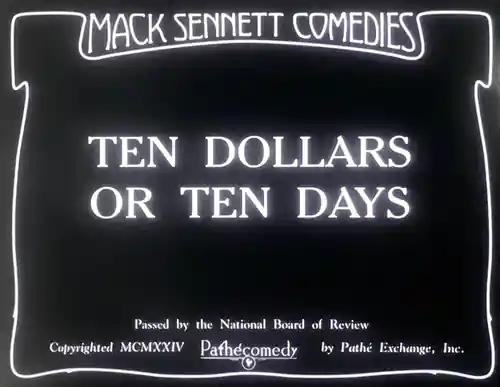
The cinematography and production quality of the film are also worth noting. The use of shadows and lighting creates a visually appealing contrast that adds to the comedic effect of certain scenes. While not as polished as some of its contemporaries, such as North of Alaska, the film's visual presentation is well-suited to its narrative.
In comparing 'Ten Dollars or Ten Days' to other films of its era, it becomes clear that it occupies a unique niche within the comedy genre. While it may not reach the same level of absurdity as Le brasier ardent or achieve the same level of social commentary as What Becomes of the Children?, it stands out for its blend of humor and social critique.
The film's conclusion, much like its beginning, is a testament to the resilience of its protagonist. Through a series of comedic mishaps and misunderstandings, justice is ultimately served, albeit in a manner that is characteristic of the silent film era. This conclusion, while perhaps predictable, is satisfying and serves as a fitting end to the narrative.
In the context of silent cinema, 'Ten Dollars or Ten Days' is a film that, while perhaps not widely known, offers a unique blend of comedy and social commentary. Its exploration of mistaken identity and the criminal justice system, coupled with its comedic execution, make it a noteworthy addition to the genre. For those interested in the evolution of comedy and the silent film era, this movie is certainly worth a watch.
Ten Dollars or Ten Days (1924) is a film that showcases the comedic elements of silent cinema while also providing a critique of the criminal justice system. Its use of mistaken identity and physical comedy places it within a tradition of silent films that used humor to comment on societal issues.
IMDb —
1917
Community
Log in to comment.