DbcultAccessing Vault...
5.3/10
Senior Film Conservator
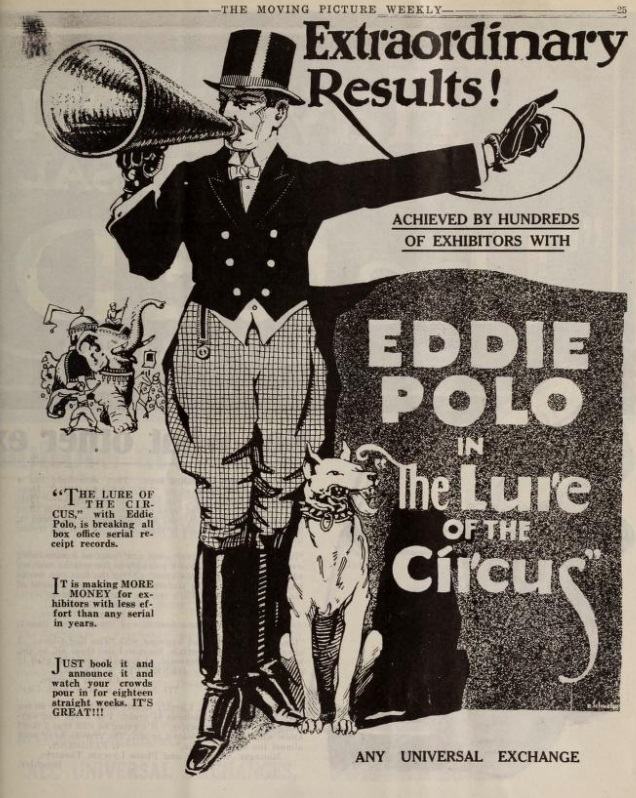
A definitive 5.3/10 rating for a film that redefined the boundaries of cult cinema. The Lure of the Circus remains a cornerstone of transgressive art.
Ah, the silent era! A time when narratives unfolded through the sheer power of visual storytelling, where every gesture, every flicker of an eye, carried the weight of a thousand words. And few settings offered as fertile ground for such grand drama as the circus. It's a world unto itself, a microcosm of society's most vibrant and perilous extremes, a place where dreams and nightmares often dance hand-in-hand under the canvas sky. This brings us, quite inevitably, to the enthralling spectacle that is The Lure of the Circus, a film that, even a century after its premiere, continues to beckon with its unique brand of early cinematic magic.
Directed with an evident flair for the dramatic and penned by the imaginative minds of William E. Wing and Hope Loring, this picture isn't just a film; it's an experience. It plunges us headfirst into the mesmerizing, often perilous, existence of a traveling carnival, where the vibrant spectacle on display often masks a darker, more complex reality. For those of us who appreciate the nuanced artistry of silent cinema, it's a profound journey into the human heart, exploring themes of innocence, corruption, courage, and the irresistible pull of a life lived on the edge.
At its core, The Lure of the Circus is a tale of transformation, charting the odyssey of Elara Vance, brought to life with an exquisite blend of naiveté and burgeoning strength by the remarkable Molly Malone. Elara is, initially, a quintessential country girl, her spirit yearning for something more than the quiet predictability of her rural existence. Her world, however, is irrevocably altered by the flamboyant arrival of "The Grand Spectacle Circus." It's a whirlwind of exoticism and daring, a siren call that promises adventure and escape. Malone's portrayal of Elara’s initial wide-eyed wonder, gradually hardening into a steely resolve, is a testament to her acting prowess in an era devoid of spoken dialogue. Her expressions alone convey a narrative arc that many modern films struggle to achieve with extensive dialogue.
Central to Elara's awakening is Zandar, the formidable lion tamer, portrayed with a compelling gravitas by Noble Johnson. Johnson, a true pioneer in his field, brings an almost mythical quality to Zandar. His powerful physique and commanding presence are undeniable, yet he imbues the character with a surprising tenderness, particularly in his interactions with his majestic, dangerous charges and, later, with Elara. Zandar is not merely a strongman; he's a figure of quiet dignity, a man whose past is hinted at through his melancholic eyes, making his heroism all the more poignant. His scenes with the lions are, even by today's standards, breathtaking, showcasing an incredible rapport that transcends mere performance, hinting at a deep understanding and respect for these wild creatures. This raw authenticity sets him apart from the more theatrical elements of the circus.
But where there is light and heroism, there must inevitably be shadow. This darkness is personified by Ringmaster Silas Blackwood, a character brought to life with chilling effectiveness by Fred Starr. Starr paints Blackwood as a figure of unbridled greed and cruelty, a puppeteer pulling the strings of his performers with an iron fist. He is the antithesis of Zandar, representing the exploitative underbelly of the spectacle. His avarice drives much of the film's conflict, setting a grim tone that underscores the glittering facade. Blackwood’s daughter, Lyra, an aerialist portrayed by Eileen Sedgwick, adds another layer of intrigue and menace. Sedgwick’s Lyra is not merely a villain; she is a woman consumed by a desperate, unrequited love for Zandar, her jealousy curdling into a dangerous obsession. Her conniving nature and her willingness to resort to sabotage make her a formidable antagonist, adding a human dimension to the film's perils. One might draw a parallel here to the psychological depth explored in films like Das Bildnis des Dorian Gray, where inner corruption manifests in outward actions, albeit in a more fantastical context.
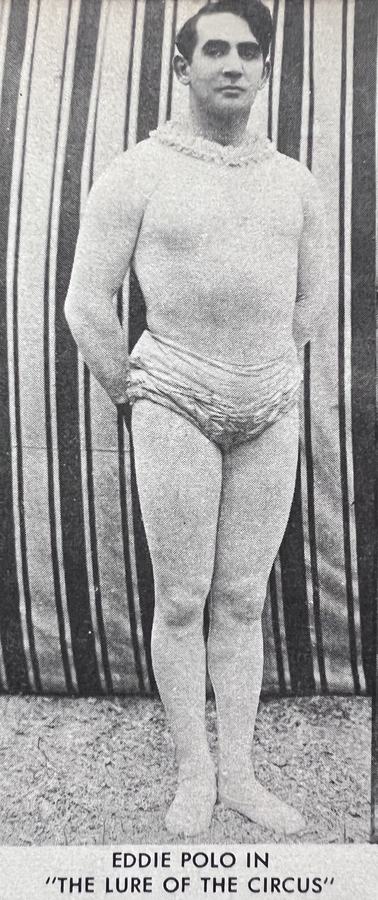
The strength of The Lure of the Circus lies not only in its central players but also in its robust ensemble cast, each member contributing to the rich tapestry of circus life. Eddie Polo and Josie Sedgwick, as the 'Flying Marvels,' deliver performances that are both physically demanding and emotionally resonant. Their acrobatic feats are genuinely thrilling, but it's their portrayal of the quiet suffering and resilience under Blackwood's oppressive thumb that truly resonates. They represent the collective plight of many circus performers, whose dazzling smiles often hide profound struggles. Their storyline, though secondary, adds a vital layer of pathos, reminding us of the human cost behind the entertainment.
Steve Murphy, as the brutish henchman Grog, provides a tangible threat, a blunt instrument in Blackwood's nefarious schemes. His physicality and menacing demeanor are effectively utilized to heighten the tension, particularly during the film's climactic sequences. James Gordon, Charles Hill Mailes, and Andrew Waldron, among others, fill out the supporting roles with conviction, embodying various facets of the circus community, from the weary roustabouts to the more flamboyant performers. Even in fleeting moments, their contributions help to build a believable and immersive world.
The collaborative efforts of writers William E. Wing and Hope Loring are evident in the film's tightly woven plot and well-defined character arcs. They understood the power of visual narrative, crafting a story that unfolds with a relentless pace, punctuated by moments of genuine suspense and heartfelt emotion. Their ability to balance grand spectacle with intimate human drama is a hallmark of their craft, demonstrating a keen understanding of what captivated audiences of the era. The narrative structure, reminiscent of early serials like Lucille Love: The Girl of Mystery, keeps the audience on the edge of their seats, anticipating the next twist and turn, though The Lure of the Circus feels more self-contained in its dramatic resolution.
The circus itself is not merely a setting; it is a character, a potent symbol of both liberation and confinement. The vibrant colors (imagined, of course, in the black and white canvas of the film), the daring acts, the exotic animals—all serve to represent a world unbound by conventional rules, a place where the extraordinary is commonplace. Yet, beneath this dazzling surface, the film masterfully exposes the inherent dangers and moral ambiguities. The contrast between the thrilling spectacle and the grim reality of exploitation is a central thematic thread, highlighting the sacrifices made for the sake of entertainment. This duality is a powerful commentary on the human condition, echoing the stark realities often depicted in films like Sangre y arena, which also explored the glamour and brutality of public spectacle.
The climactic lion act, a tour de force of suspense, is where all these threads converge. Lyra's desperate act of sabotage, unleashing a savage beast, is not just a plot device; it's a metaphorical explosion of the suppressed tensions and resentments bubbling beneath the surface of the circus. Noble Johnson’s portrayal of Zandar in this sequence is nothing short of heroic, a visceral ballet of man versus beast, where his raw courage and skill are pitted against untamed nature and human malice. It’s a sequence that, even without sound, generates an almost unbearable tension, a testament to the power of well-executed visual drama.
While The Lure of the Circus stands strong on its own merits, placing it within the broader context of silent cinema enriches our appreciation. One cannot help but draw comparisons to other films that utilized animal themes or explored the darker side of human nature. For instance, the sheer spectacle and danger associated with animals might bring to mind The Lion's Bride, though The Lure of the Circus delves deeper into the human drama surrounding the animal acts rather than just the spectacle itself. The perilous situations and the constant threat of danger also resonate with the adventure-serial format popular during the era, where heroines often found themselves in impossible predicaments, much like in The Stainless Barrier.
The film's exploration of moral ambiguity and the struggle against powerful, corrupt figures also finds echoes in narratives such as Called Back or even Idolators, where characters grapple with societal pressures and personal demons. The idea of an individual's transformation, from innocence to experience, is a timeless trope, but here it's painted with the vibrant, often harsh, hues of circus life. Elara's journey from a sheltered maiden to a woman who understands and embraces the complexities of her chosen world is particularly compelling. It’s a coming-of-age story wrapped in the dazzling, deceptive packaging of a grand show.
In the end, The Lure of the Circus is more than just a historical curiosity; it's a vibrant, compelling piece of early filmmaking that holds up remarkably well. It reminds us of the power of visual storytelling, the profound impact of well-executed performances, and the timeless appeal of a story that pits courage against corruption, and love against jealousy. The resolution, where Blackwood and Lyra's treachery is exposed and Zandar and Elara find love and purpose amidst the reformed circus, is deeply satisfying. It's a triumph not just of good over evil, but of integrity over exploitation.
The film’s legacy lies in its ability to transport us to a bygone era, to immerse us in a world that is both fantastical and starkly real. It showcases the incredible talent of its cast and crew, who, without the benefit of spoken dialogue or sophisticated special effects, managed to craft a narrative that resonates with universal human emotions. For enthusiasts of silent cinema, or for anyone curious about the foundational artistry of film, The Lure of the Circus is an essential viewing experience. It's a reminder that true cinematic magic doesn't always need sound or color; sometimes, all it needs is a compelling story, expressive faces, and the grand, captivating canvas of the big top. It’s a film that truly understands the meaning of spectacle, not just as a visual feast, but as a mirror reflecting the deepest desires and fears of the human heart, leaving an indelible mark long after the final credits roll and the tent poles are packed away.
Review by [Your Blogger Name/Alias]
IMDb —
1915
Community
Log in to comment.