DbcultAccessing Vault...
6.7/10
Senior Film Conservator
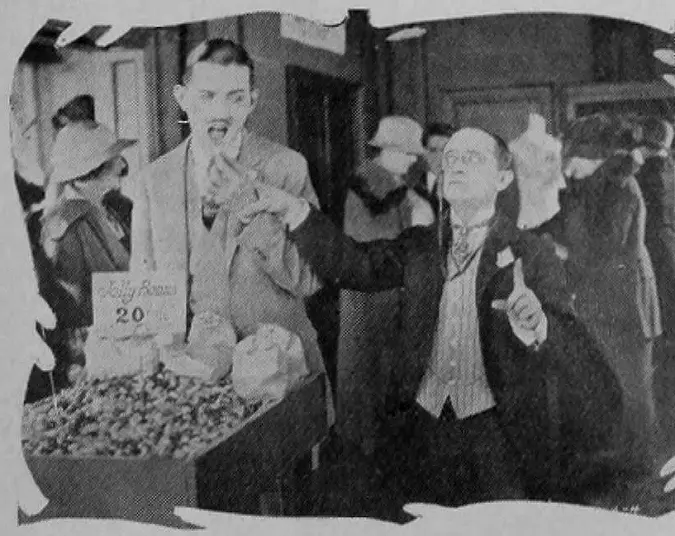
A definitive 6.7/10 rating for a film that redefined the boundaries of cult cinema. Stolen Goods remains a cornerstone of transgressive art.
The 1924 silent film, 'Stolen Goods,' presents a fascinating tale of morality, deception, and redemption. The story revolves around Jimmy, an intelligent and resourceful employee at a department store, played by Charley Chase. His life takes an interesting turn when the banker's daughter, portrayed by Marie Mosquini, is caught shoplifting at his store.
The father, determined to help his daughter overcome her kleptomaniac tendencies, announces a reward of $10,000 for anyone who can cure her of stealing. Jimmy sees an opportunity to claim the reward and devises a clever plan to achieve his goal. This decision sets him on a path filled with comedic misadventures and unexpected twists.
As Jimmy navigates this complex situation, the film expertly balances comedy and drama, providing a captivating cinematic experience. The cast, including Noah Young, August Tollaire, and Leo Willis, delivers commendable performances that bring depth and humor to the narrative. The chemistry between the actors adds to the film's charm, making it an engaging watch.
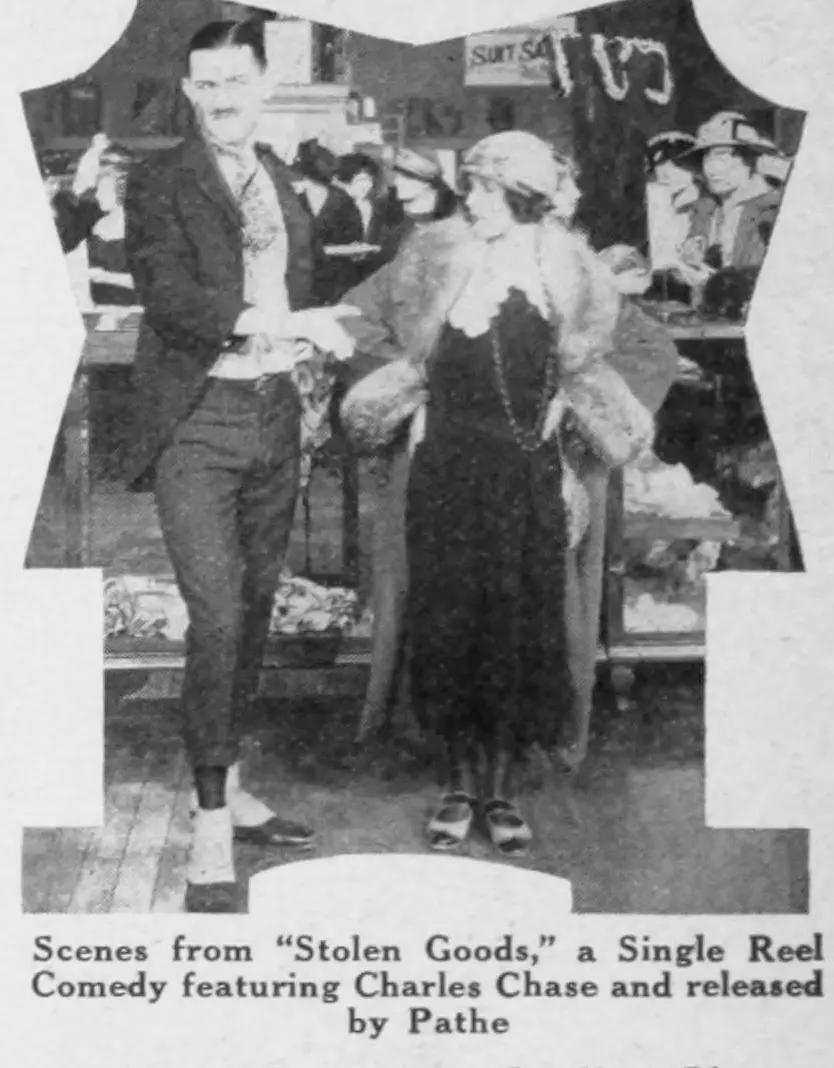
One of the notable aspects of 'Stolen Goods' is its exploration of themes that remain relevant today. The film touches on issues of morality, the consequences of one's actions, and the human capacity for both good and bad. These themes are skillfully woven into the narrative, making the film more than just a simple comedy.
In comparison to other films of the era, 'Stolen Goods' shares some similarities with Die Herrin der Welt 2. Teil - Die Geschichte der Maud Gregaards in its exploration of complex moral themes. However, 'Stolen Goods' stands out for its lighthearted approach and comedic elements, setting it apart from more serious films like Crime and Punishment.
The film's direction and writing, credited to H.M. Walker, play a crucial role in its success. The pacing is well-balanced, moving seamlessly between comedic scenes and more serious moments. This balance keeps the audience engaged and invested in Jimmy's journey.
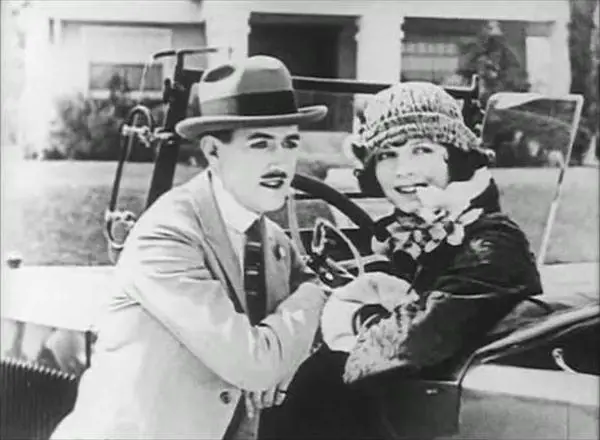
The cinematography and production quality of 'Stolen Goods' are also noteworthy. The film's use of lighting and shadows adds to its comedic effect, while the set design provides an authentic glimpse into the 1920s department store. These elements combine to create a visually appealing film that draws viewers into its world.
While 'Stolen Goods' may not be as widely recognized as some of its contemporaries, such as Pitfalls of a Big City (1923) or Polly with a Past, it remains a charming and thought-provoking film that merits attention. Its exploration of morality, paired with its comedic elements, makes it a unique addition to the silent film era.
In conclusion, 'Stolen Goods' is a delightful silent film that offers a captivating blend of comedy and drama. Its exploration of complex themes, coupled with strong performances and skilled direction, makes it a film worth watching. For those interested in silent cinema or the evolution of comedic storytelling, 'Stolen Goods' is an excellent choice.
The film's ability to entertain while also prompting viewers to reflect on its themes is a testament to its enduring appeal. As a cinematic work, 'Stolen Goods' demonstrates the power of silent films to engage audiences and convey meaningful stories without the need for spoken dialogue.
Ultimately, 'Stolen Goods' stands as a charming example of early 20th-century cinema, offering insights into the era's social values and comedic sensibilities. Its blend of humor, pathos, and clever storytelling makes it a film that continues to resonate with audiences today.
IMDb 5.1
1920
Community
Log in to comment.