DbcultAccessing Vault...
7.6/10
Senior Film Conservator
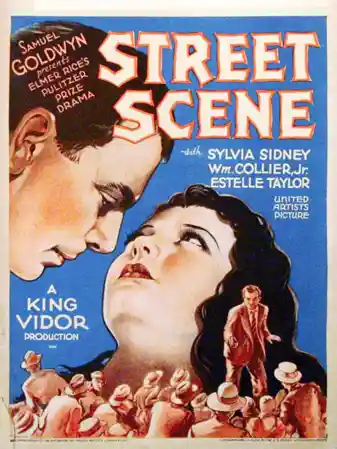
A definitive 7.6/10 rating for a film that redefined the boundaries of cult cinema. Street Scene remains a cornerstone of transgressive art.
Look, watching something from 1931 like Street Scene is not for everyone, not even close. If you’re allergic to early sound film stiffness or just need things to move at a TikTok pace, you'll probably bounce off this hard. But for folks who dig into film history, or just want to see a stage play really come alive on screen with a specific kind of old-school grit, then yeah, this one’s absolutely worth a look. It’s a snapshot, a weirdly intense one. 🧐
The whole thing plays out on this one tenement stoop in Hell's Kitchen, over 24 hours. The heat, oh my god, the heat. You can practically feel the sweat. It’s a character all its own, making everyone irritable, slowing things down, just hanging in the air. That’s probably the first thing that hits you.
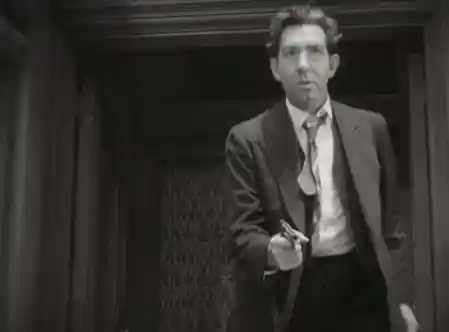
Elmer Rice, who wrote the original play, also penned the screenplay here, and it shows. The dialogue often feels like stage lines, a little too precise, a little too declamatory. But that's part of its charm, honestly. It’s like watching a living tableau.
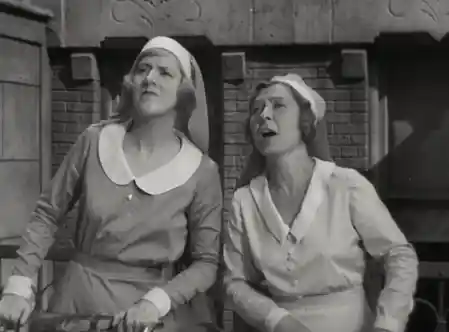
What I found most interesting was the way the film builds up the community. Everyone knows everyone’s business, whether they want to or not. The constant chatter, the little jabs, the way rumors just spread like wildfire on those steps. It’s exhausting, but totally engrossing.
You’ve got Mrs. Maurrant, played by Sylvia Sidney, who is just fantastic. Her face tells a whole story even when she’s not speaking. She’s trapped, you can feel it, suffocating in her life. Then there’s her husband, Mr. Maurrant, who is this angry, jealous guy. It’s not subtle, not at all, but it works for the era.
One moment that really stuck with me: the delivery guy, I think his name was Sam, right? He’s this shy, earnest fellow, always trying to be nice to Rose, the Maurrant's daughter. He’s the quiet counterpoint to all the loud drama. His crush feels so pure, so out of place in all that noise and cynicism.
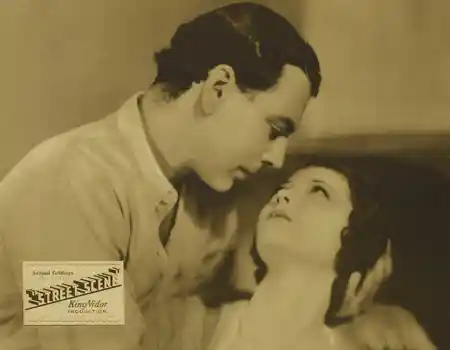
The director, King Vidor, does some clever stuff with the camera, considering it’s 1931. He manages to make this single set feel expansive, even though it’s really just one building front. He keeps things moving, sweeping across faces, catching little reactions.
"You can practically smell the simmering stew and the stale beer from the corner bar just from the way the camera lingers on certain doorways."
The film doesn't shy away from the darker stuff. There’s a particular violent outburst that, even though you see it coming from a mile away, still lands with a shocking thud. The way it just erupts, and then the aftermath, how quickly the entire building reacts – or *doesn't* react, in some cases – that’s pretty powerful.
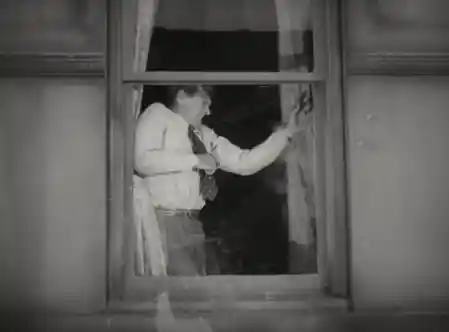
I also kept noticing the sound design. It’s rudimentary, sure, but the street noises are constant. Trolley cars, kids yelling, dogs barking. It creates this immersive, almost claustrophobic atmosphere. You can't escape the city sounds, just like the characters can't escape their lives on that stoop.
It's interesting how some of the themes still feel relevant, too. The struggle of immigrants, economic hardship, people just trying to make it work. These are not new stories, obviously, but seeing them played out in this specific historical context is something else.
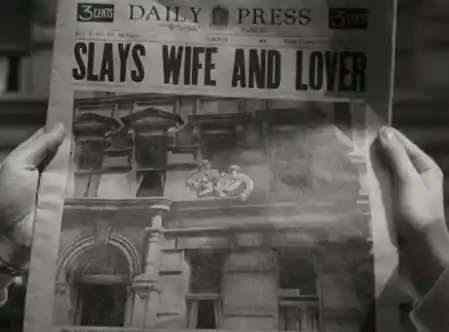
There are definitely moments where the acting feels a bit over-the-top by modern standards. Some gestures are just huge. And some of the lines are delivered like they’re shouting from a stage to the back row. But you get used to it. It’s part of the early sound experience, I think.
In the end, Street Scene isn't about a grand adventure or a puzzle to solve. It’s about people, just living. Messily. Angrily. Hopeful. It leaves you feeling like you just spent a long, hot day on that stoop yourself, a little tired, but having seen something real. If you’re into the feel of early cinema and character-driven drama, give it a shot. Otherwise, maybe check out Flight for something a bit more action-packed from the same era. 😉
IMDb —
1922
Community
Log in to comment.