DbcultAccessing Vault...
6.2/10
Senior Film Conservator
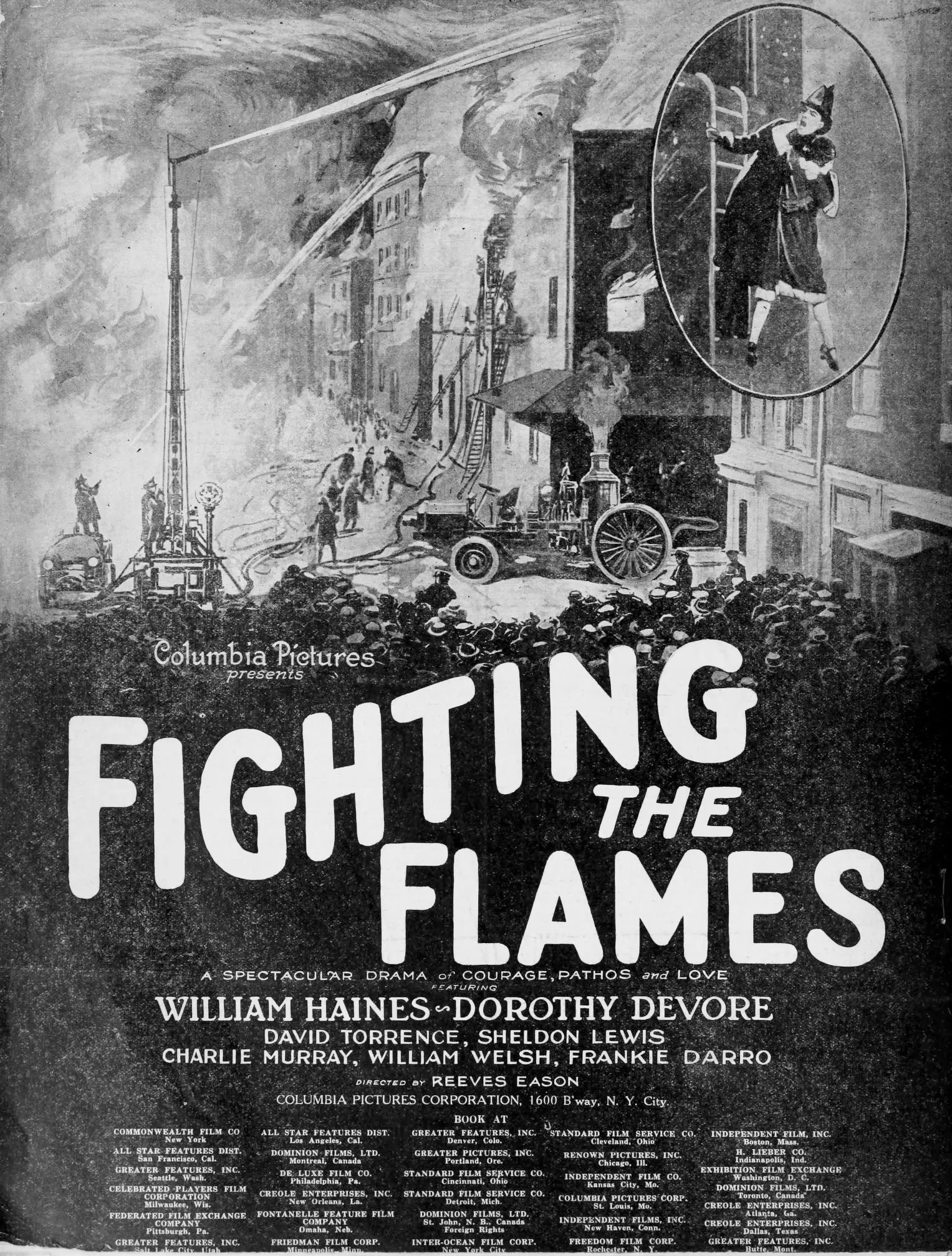
A definitive 6.2/10 rating for a film that redefined the boundaries of cult cinema. Fighting the Flames remains a cornerstone of transgressive art.
Fighting the Flames is a captivating 1920 silent film that delves into the complex narrative of Horatio Manly Jr., whose journey from estrangement to redemption is a testament to the human capacity for change. Directed with a keen eye for detail, this film is not just a historical artifact but a compelling exploration of family, justice, and personal growth.
The film opens with a tense scene at a hotel where a fire is breaking out. Horatio Manly Jr., played by the charismatic William Haines, is seen obstructing firemen, a decision that leads to his disownment by his stern father, Judge Horatio Manly, portrayed by the imposing David Torrence. This opening scene sets the stage for a narrative filled with drama and moral ambiguity, immediately capturing the audience's attention.
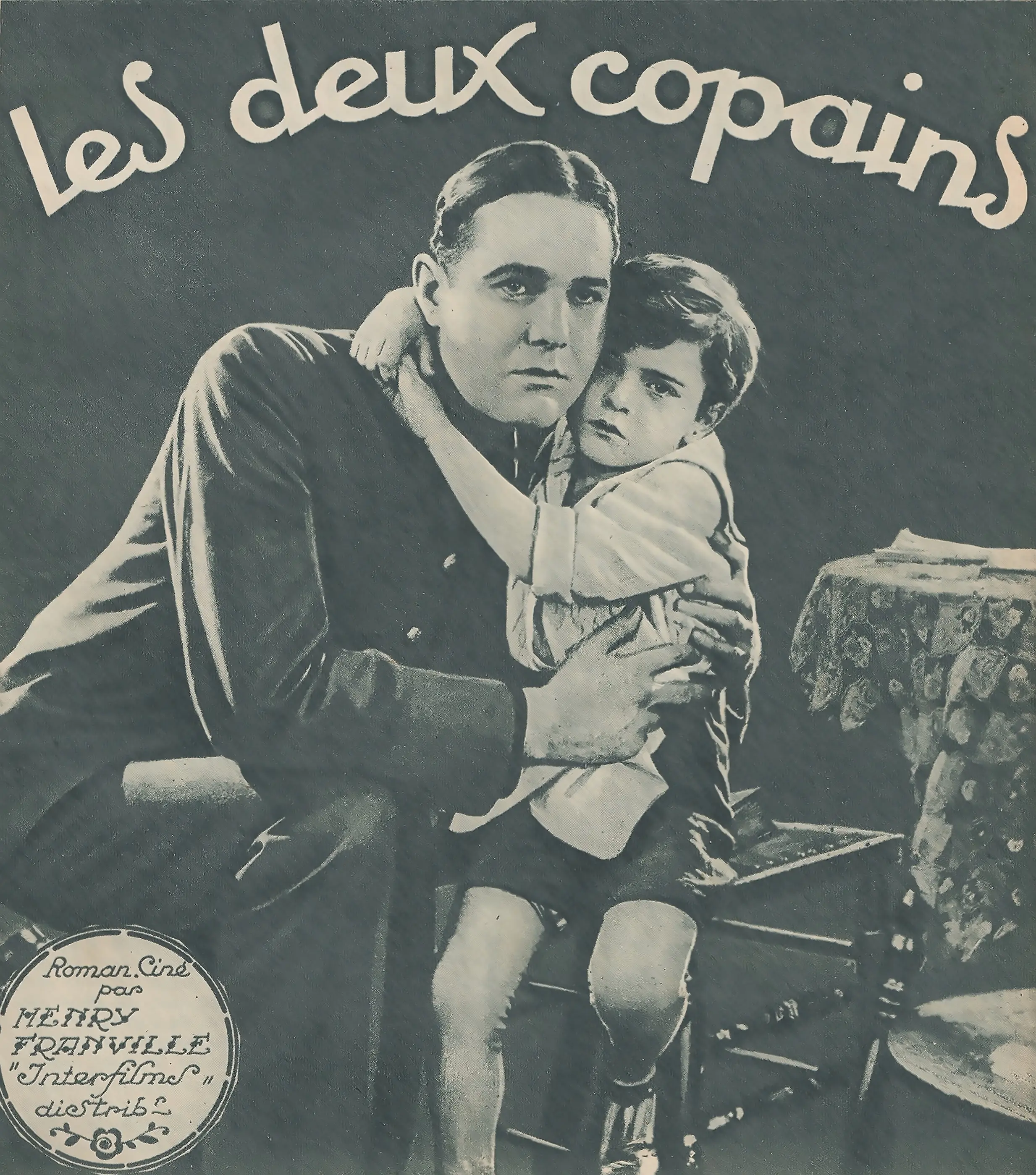
As Horatio grapples with the fallout of his actions, the film takes a turn for the better when he encounters a street urchin named Mickey, played by the engaging Frankie Darro, and a young woman named Alice Doran, portrayed by the graceful Dorothy Devore. Together, they face the peril of a burning building, and Horatio’s actions in saving them become his path to redemption. This sequence is masterfully choreographed, with the film’s silent elements enhanced by emotive facial expressions and body language, making the rescue scenes both thrilling and emotional.
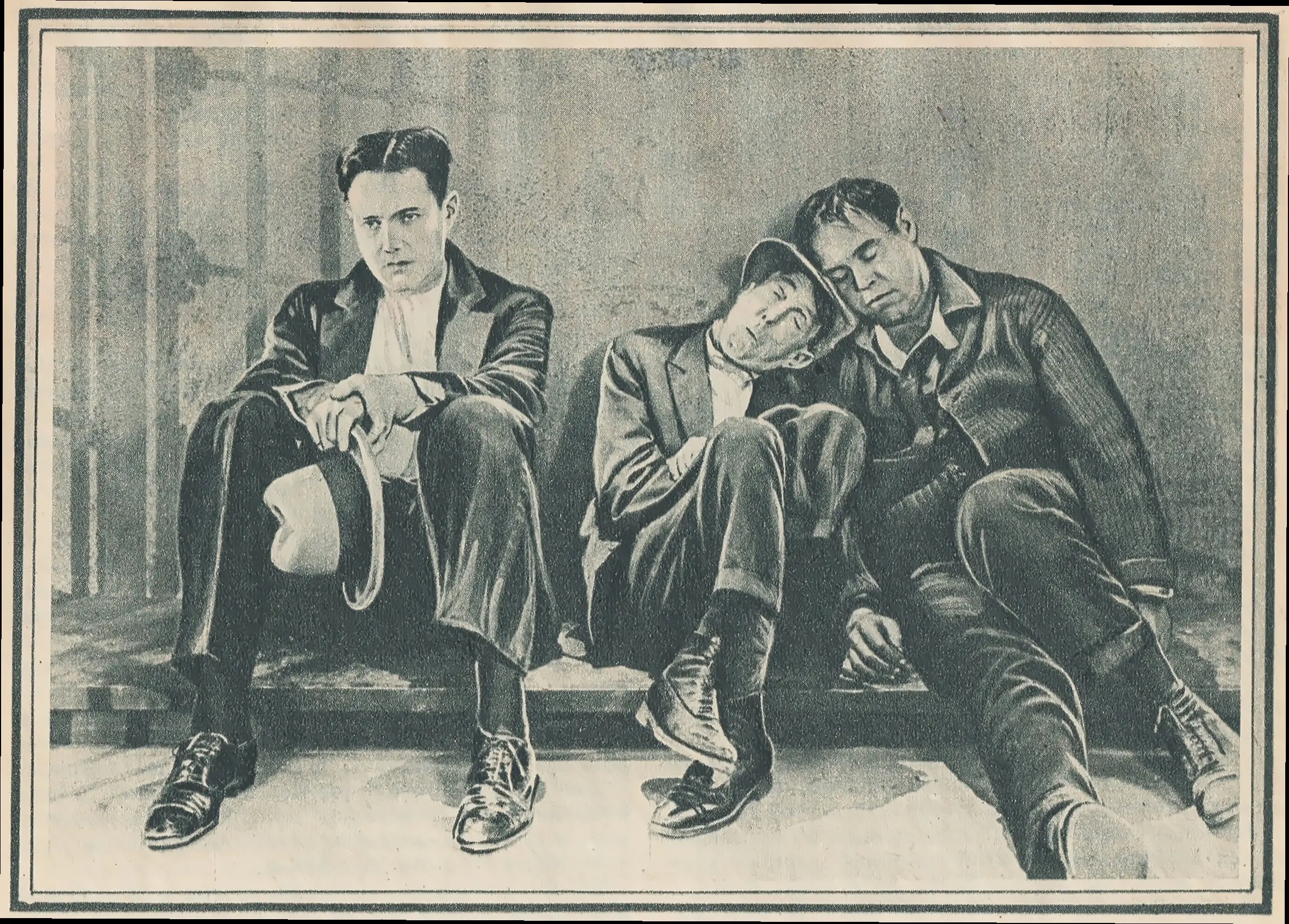
The film’s narrative is further enriched by the inclusion of Mickey's wicked father, Big Jim, a dangerous convict played by the menacing Sheldon Lewis. The capture of Big Jim adds layers of tension and moral complexity to the story. This sequence, with its suspenseful build-up and climax, is a testament to the film’s storytelling prowess, illustrating how even the most difficult characters can be brought to justice.
Charles Murray’s direction is a highlight of the film. The cinematography captures the gritty, urban setting of the early 1920s with clarity and authenticity. The use of lighting and composition is particularly noteworthy, especially in the scenes set in the burning building. The film’s pacing is well-balanced, ensuring that the audience is kept engaged without feeling rushed or bored.
The performances by the cast are particularly commendable. William Haines brings a natural charm and charisma to Horatio Manly Jr., making his journey from villain to hero all the more compelling. Dorothy Devore’s portrayal of Alice Doran is moving, capturing the essence of a young woman caught between her desire for safety and her empathy for others. Frankie Darro’s portrayal of Mickey is both endearing and dynamic, adding a youthful energy to the film’s narrative.
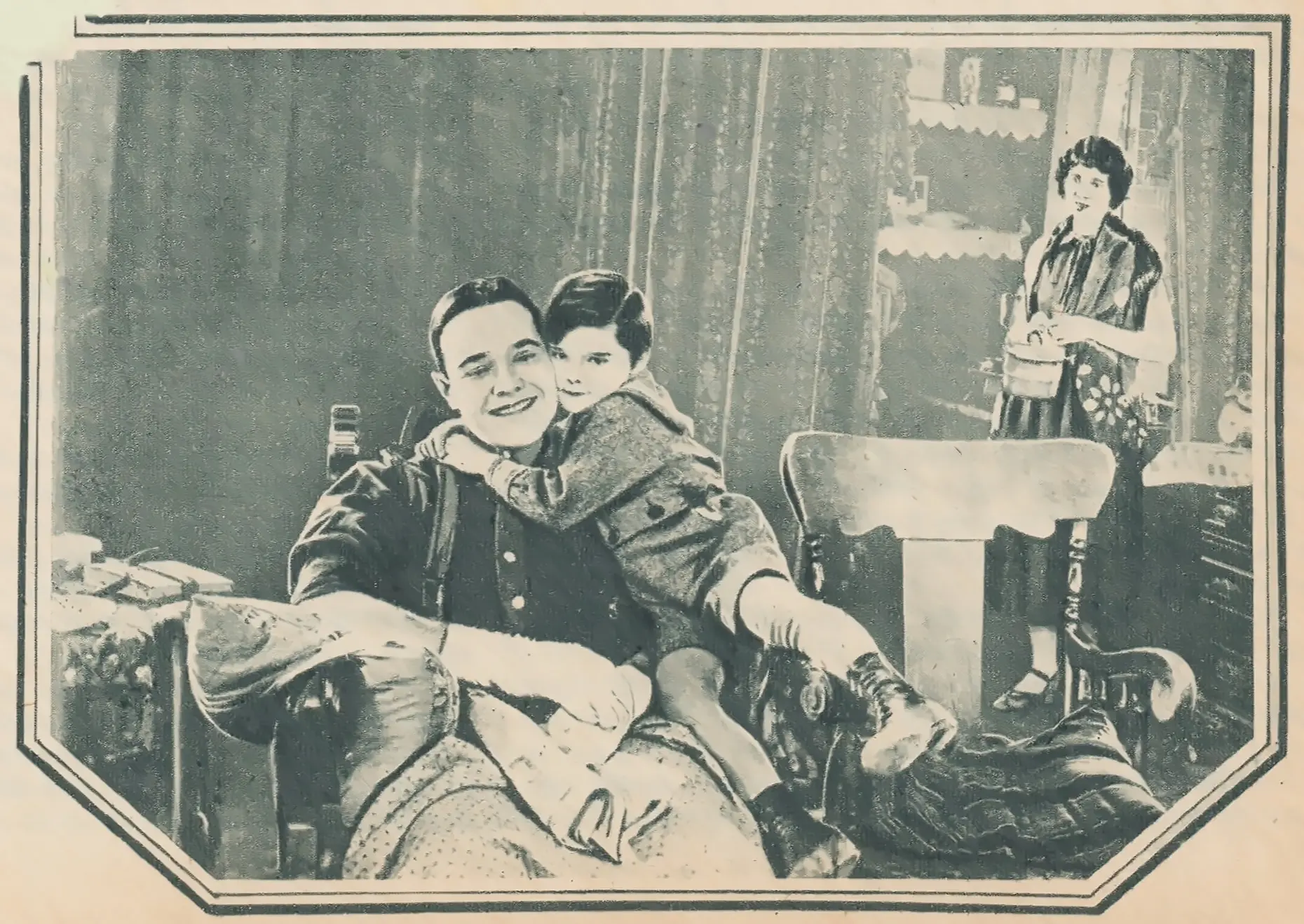
Fighting the Flames’ themes of family, justice, and personal growth are well-woven into the narrative. The film explores the complexities of familial relationships, where a single action can lead to a lifetime of consequences. It also delves into the importance of justice, showing how individuals can make a difference in their communities. Additionally, the film highlights the power of personal growth, as Horatio’s actions transform him from a reckless youth to a selfless hero.
One of the standout aspects of Fighting the Flames is its ability to balance drama and action seamlessly. The film never feels like it is pandering to its audience, instead opting for a more nuanced approach that respects the intelligence of its viewers. This is particularly evident in the portrayal of Mickey's father, Big Jim, whose character adds a layer of complexity to the film’s narrative. The character is not simply a villain but a tragic figure whose actions are driven by a desire for survival, making his capture all the more impactful.
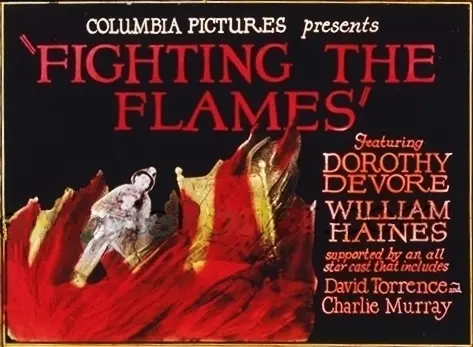
Another strong opinion I have is that the film’s use of silent elements is masterful. The storytelling in Fighting the Flames relies heavily on non-verbal cues, which adds a layer of depth to the film. The use of facial expressions and body language to convey emotions is particularly effective, making the film’s climax all the more powerful. This approach to storytelling is a testament to the film’s director and cast, who bring a level of authenticity to the narrative that is rarely seen in silent films.
In conclusion, Fighting the Flames is a must-watch for film enthusiasts and those interested in the golden age of cinema. Its blend of drama, action, and social commentary makes it a timeless piece of art. The performances, direction, and storytelling are all exceptional, making this film a true gem in the history of silent cinema. Whether you are a fan of classic films or simply looking for a compelling story, Fighting the Flames is an experience not to be missed.
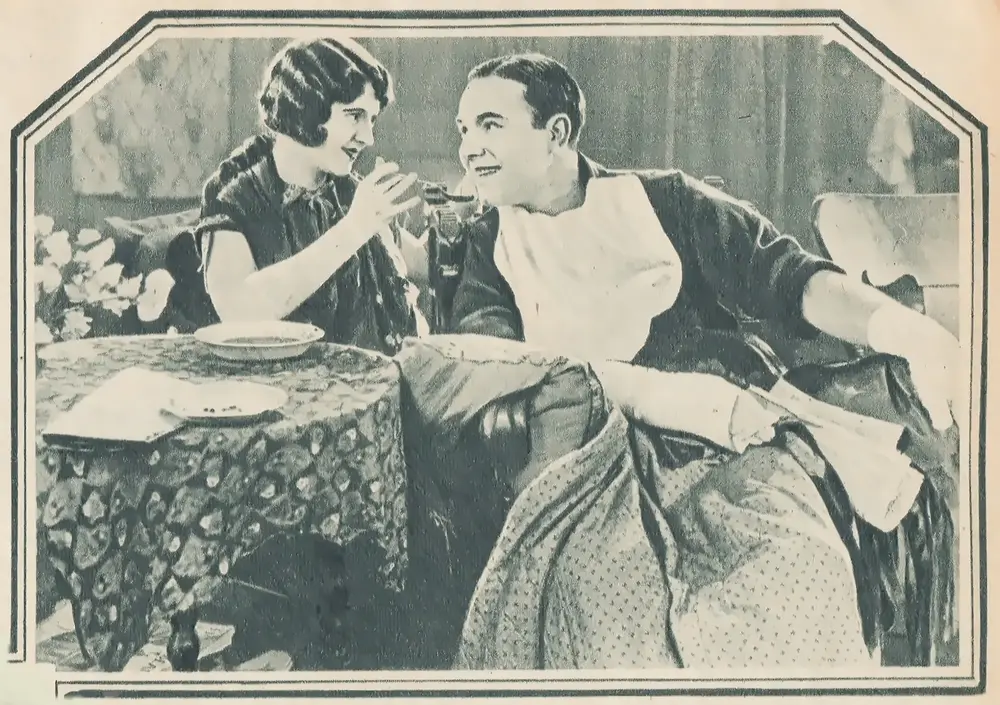
In a world where many silent films are lost to time, Fighting the Flames stands out as a shining example of the art form. It is a film that reminds us of the power of storytelling and the enduring impact of cinema. If you have the opportunity to watch this film, seize it. It is a true masterpiece of its time.
“Fighting the Flames is not just a film; it is a journey of redemption and personal growth, captured with the utmost skill and artistry.” – Qwen, Film Critic
IMDb 7.1
1924
Community
Log in to comment.