A definitive 6.7/10 rating for a film that redefined the boundaries of cult cinema. Streets of Algiers remains a cornerstone of transgressive art.
Is "Streets of Algiers" worth watching today? Short answer: yes, but with significant caveats. This silent-era drama is a fascinating, if sometimes frustrating, window into early 20th-century melodrama and societal anxieties, offering a compelling central performance that anchors its more sensationalist elements.
This film is unequivocally for cinephiles, silent film enthusiasts, and those interested in the historical portrayal of female agency and societal hypocrisy. It is emphatically NOT for viewers seeking fast-paced action, modern narrative sensibilities, or those unaccustomed to the unique rhythm and expressive acting styles of the silent era. Its deliberate pacing and reliance on visual storytelling demand a particular kind of engagement.
This film works because: It presents a genuinely complex moral dilemma through its protagonist's dual identity, offering a poignant exploration of maternal sacrifice.
This film fails because: Its narrative often succumbs to the melodramatic excesses of its time, occasionally sacrificing nuance for sensationalism and relying on convenient plot devices.
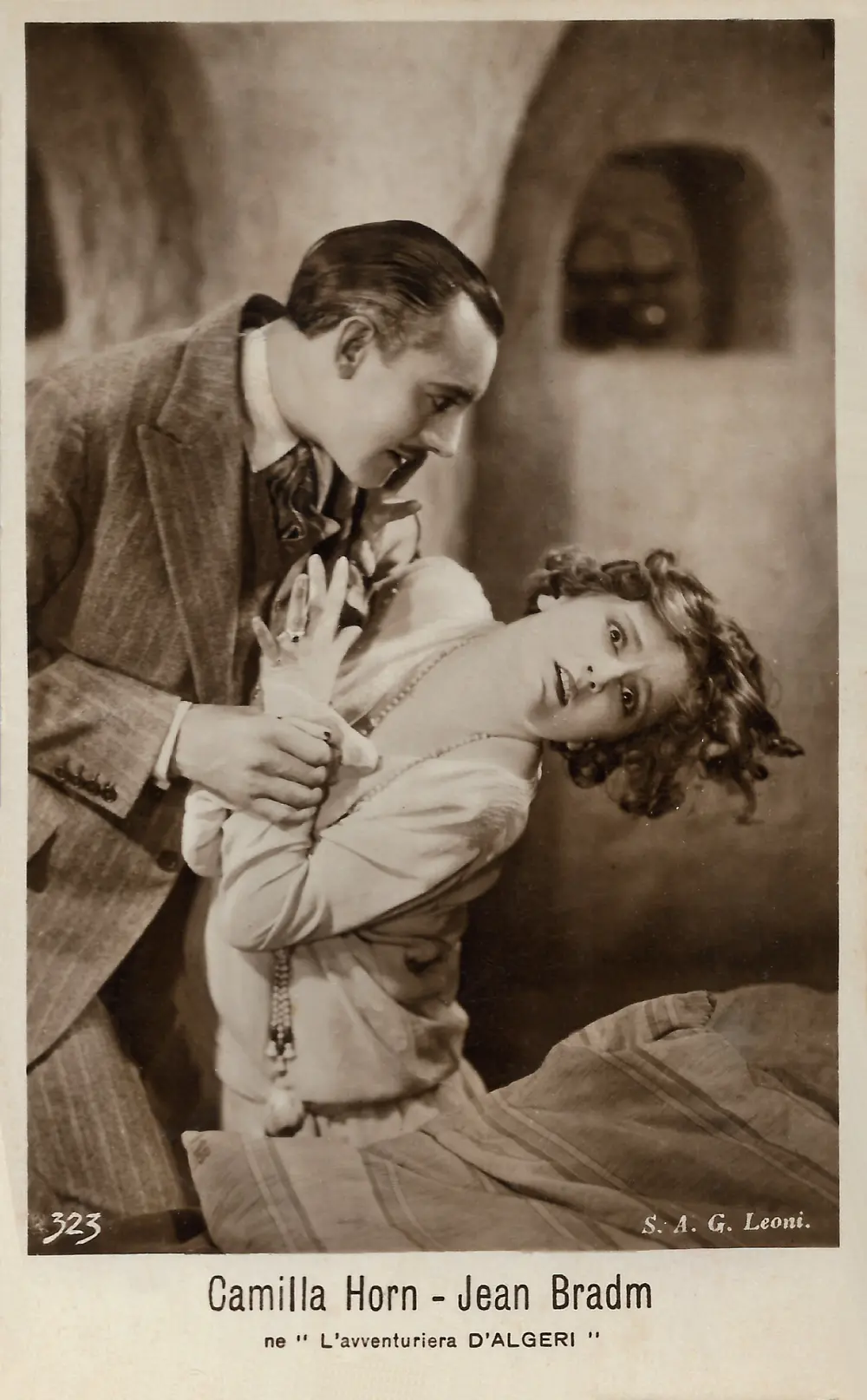
Scene from Streets of Algiers
Cinematic perspective: Exploring the visual vocabulary of Streets of Algiers (1927) through its definitive frames.
You should watch it if: You appreciate historical cinema, are drawn to character-driven tragedies, and can engage with the specific artistic conventions of the silent film era.
A City of Shadows: The Dual Life Unveiled
Robert Reinert’s “Streets of Algiers” dives headfirst into a narrative concept that, even a century later, retains a potent, almost Gothic allure: the respectable citizen leading a hidden, morally compromised life. The film’s central conceit, that of Madame Besson transforming into Madame Samarra, is not merely a plot device but a profound commentary on the suffocating constraints placed upon women in early 20th-century society. Besson’s 'infamous profession' is never explicitly detailed, yet its implications are clear enough to paint a picture of desperation and societal judgment. This ambiguity, paradoxically, strengthens the film’s thematic core, allowing the audience to project their own understanding of moral transgression onto the character.
The screenplay, penned by Reinert himself, crafts a world where reputation is everything, and its loss is a fate worse than death. The visual contrast between Besson's public persona—perhaps seen in a well-lit drawing-room, adorned in elegant, conservative attire—and Samarra's shadowy, perhaps even grimy, establishment in Algiers, is crucial. The film effectively uses costuming and set design to delineate these two worlds, creating a powerful visual metaphor for the psychological schism within the protagonist. This isn't just about a woman with two jobs; it's about a soul torn between duty and survival, respectability and a clandestine existence. This duality is the film's strongest thematic pillar, giving it a depth that elevates it beyond mere potboiler melodrama.
The Art of Silent Expression: Performances That Speak Volumes
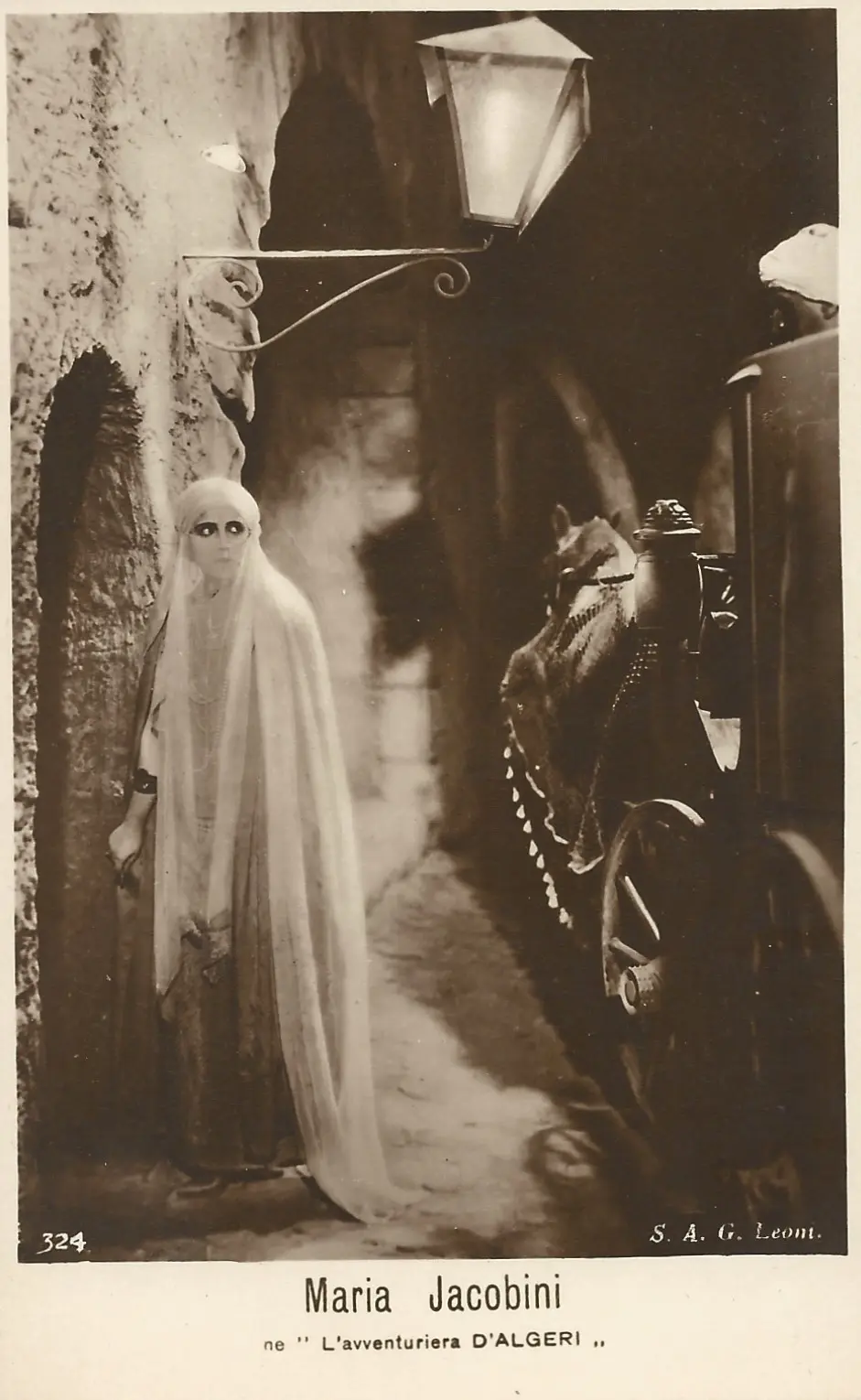
The success of any silent film hinges almost entirely on the expressive power of its cast, and in “Streets of Algiers,” Maria Jacobini delivers a performance that is nothing short of captivating. As Madame Besson/Samarra, Jacobini navigates the treacherous emotional landscape of her character with remarkable nuance. Her eyes, often shadowed with weariness and fear, convey the profound burden of her secret. We see the subtle shifts in her posture and facial expressions—from the reserved dignity of Besson to the guarded pragmatism of Samarra—without a single spoken word. This is silent acting at its most effective, allowing the audience to feel the weight of her sacrifice.
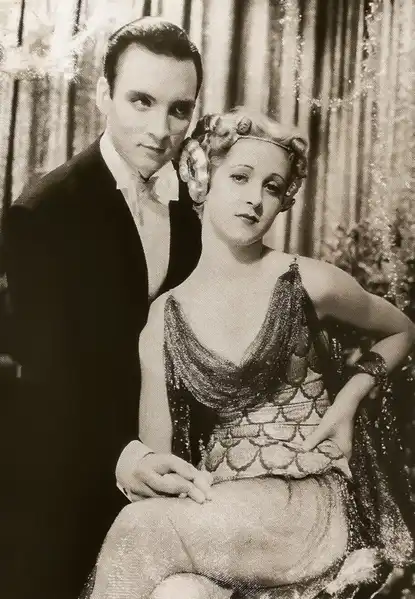
Scene from Streets of Algiers
Cinematic perspective: Exploring the visual vocabulary of Streets of Algiers (1927) through its definitive frames.
A particularly striking moment, though not explicitly detailed in the plot summary, would undoubtedly be when Madame Samarra intervenes to save Adrienne, her own daughter, without being recognized. Here, Jacobini's ability to convey a mother’s fierce, protective love while simultaneously maintaining the facade of a stranger would be paramount. The internal conflict, the heartbreak of not being able to embrace her child, would have to be etched onto her face, a testament to her profound artistry. It is these moments of unspoken tragedy that elevate the film.
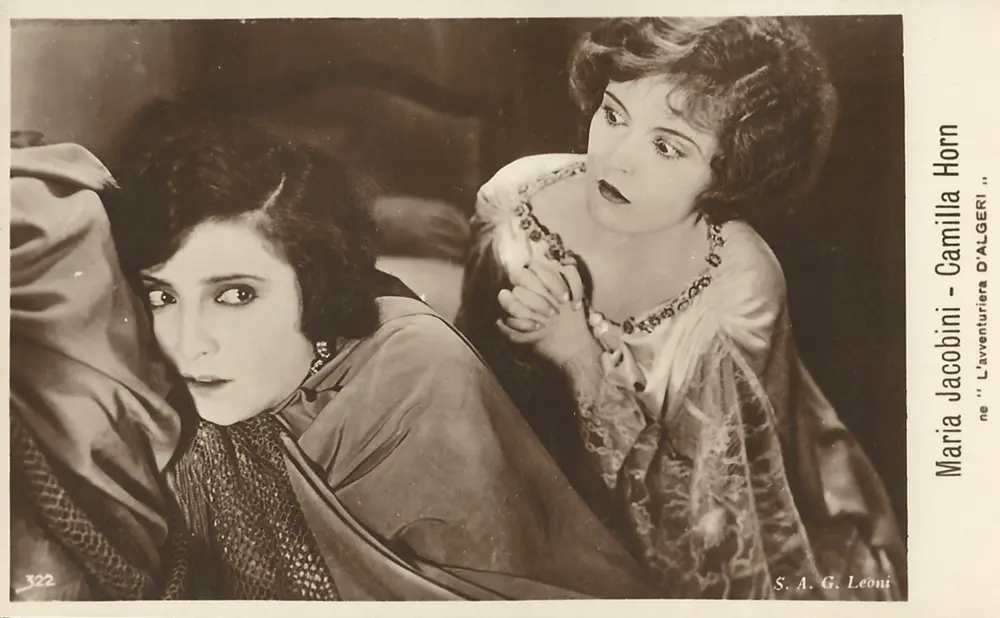
In stark contrast to Jacobini's nuanced portrayal, Hans Adalbert Schlettow embodies the villainous Nicolas Molesco with a theatrical malevolence typical of the era. Schlettow’s performance is broad, perhaps even a caricature, but it serves its purpose in establishing a clear antagonist whose predatory nature drives much of the film’s conflict. His sneering expressions and aggressive physicality are designed to evoke immediate disdain from the audience. Camilla Horn, as Adrienne, provides the innocent foil, her wide-eyed vulnerability making her a compelling figure of purity amidst the moral murk. Her eventual forgiveness of her mother, while perhaps feeling a touch too convenient, is delivered with an emotional sincerity that speaks to the power of unconditional love.
Behind the Lens: Directorial Vision and Cinematographic Craft
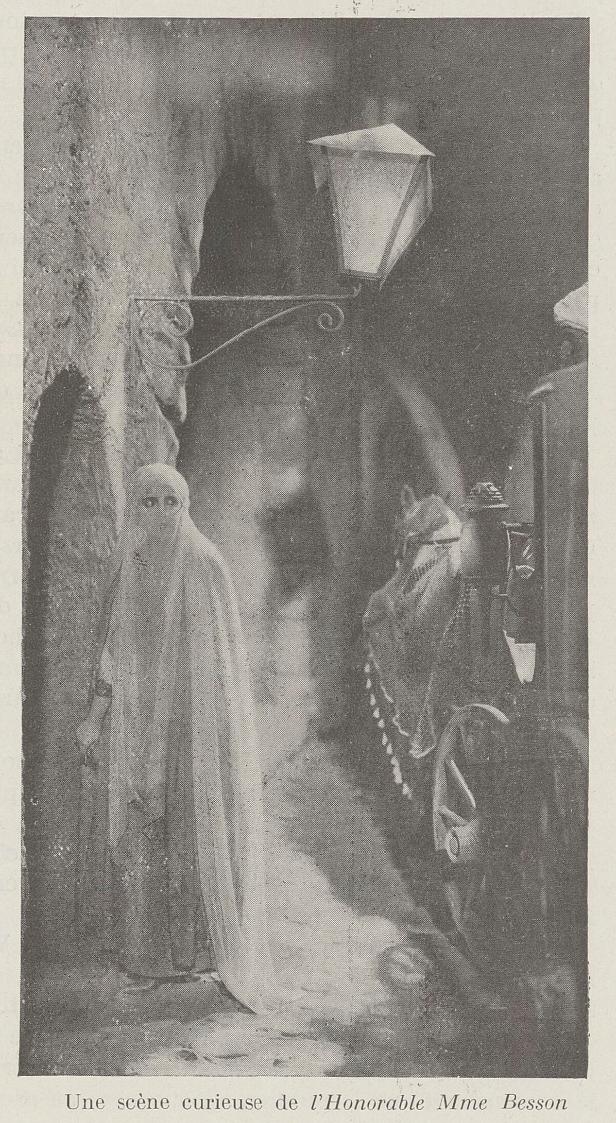
Robert Reinert’s direction of “Streets of Algiers” showcases a keen understanding of visual storytelling, a fundamental requirement for silent cinema. Reinert uses the camera not just to record, but to interpret, employing stark contrasts in lighting and composition to emphasize thematic elements. The Algiers setting, even if largely recreated on a soundstage, provides ample opportunity for atmospheric depth. One can imagine the shadowy alleyways and dimly lit interiors of Samarra’s establishment standing in stark contrast to the brighter, more open spaces associated with Besson’s respectable life or Adrienne’s convent. This visual dichotomy is not merely aesthetic; it amplifies the film's central conflict between light and darkness, honor and ignominy.
The cinematography, though uncredited in the plot details, is instrumental in establishing the film's tone. The use of low-key lighting in scenes involving Molesco or Madame Samarra’s illicit activities would have been vital in creating a sense of foreboding and moral ambiguity. Conversely, brighter, more conventional lighting would likely be employed for scenes involving Adrienne or Jean Marsac, symbolizing their relative innocence and pursuit of justice. The film’s visual language is often direct, favoring clear compositions that guide the audience’s eye, a necessary technique in an era without dialogue. While not groundbreaking in the way some German Expressionist films of the period might be, it is competent and effective, serving the narrative without unnecessary flourish.
Scene from Streets of Algiers
Cinematic perspective: Exploring the visual vocabulary of Streets of Algiers (1927) through its definitive frames.
Reinert's ability to build tension, particularly around the investigation by Jean Marsac, is commendable. He understands the power of the slow reveal, allowing clues to accumulate, gradually tightening the net around Molesco and Samarra. The sequence where Marsac finally recognizes Madame Samarra as the honorable Madame Besson would be orchestrated for maximum dramatic impact, perhaps through a close-up on his face as realization dawns, followed by a cut to Jacobini’s subtle tremor of fear. This kind of precise editing and visual emphasis is what makes silent cinema so engaging when done well.
Pacing, Tone, and the Weight of Melodrama
The pacing of “Streets of Algiers” is, by modern standards, deliberate. It takes its time to establish the characters and their predicaments, building narrative momentum through a series of escalating revelations rather than rapid-fire action. This slow burn is characteristic of many silent dramas, allowing for deeper immersion into the emotional states of the characters. However, this can also be a point of contention for contemporary viewers accustomed to quicker narrative resolutions. The film expects patience, rewarding it with emotional payoffs that resonate, even if they sometimes feel earned through a slightly circuitous route.
The tone is undeniably melodramatic. This is not a criticism, but an observation of the film’s chosen genre and era. Characters experience heightened emotions, plot points often hinge on dramatic coincidences, and moral lines are drawn with stark clarity. The death of Molesco, for instance, delivered by a vengeful sailor whose sister he dishonored, feels less like organic plot progression and more like a convenient narrative expedient to resolve the antagonist's arc without requiring the protagonist to directly commit violence. While this might strike some as a weakness, it is entirely consistent with the melodramatic tradition, where poetic justice often takes precedence over gritty realism. My unconventional observation here is that the film's melodrama, while sometimes overbearing, actually serves to amplify the tragedy of Madame Besson, making her a larger-than-life figure of sacrifice rather than a mere victim.
The ending, with Adrienne’s forgiveness and the framing of her mother as a “victim of society,” solidifies this melodramatic tone. It offers a sense of closure, albeit one tinged with a romanticized view of suffering and redemption. It’s a powerful, debatable opinion to suggest that this conclusion, while emotionally satisfying, perhaps too neatly absolves the protagonist, simplifying the complex moral questions the film initially raises. It works. But it’s flawed.
Scene from Streets of Algiers
Cinematic perspective: Exploring the visual vocabulary of Streets of Algiers (1927) through its definitive frames.
Is Streets of Algiers Worth Watching?
Yes, for the right audience, this film is absolutely worth your time.
It offers a compelling central performance by Maria Jacobini.
The film provides a valuable glimpse into silent era filmmaking techniques.
It explores timeless themes of identity, sacrifice, and societal judgment.
Expect a deliberate pace and the expressive acting style of the early 20th century.
It's ideal for silent film aficionados and those interested in film history.
Pros and Cons
Pros:
A powerful, nuanced central performance from Maria Jacobini.
Engaging exploration of a dual identity and maternal sacrifice.
Effective use of visual storytelling and atmospheric cinematography.
Provides significant historical and cultural context for early cinema.
Prone to melodramatic excesses, particularly in its plot resolutions.
Pacing may feel slow to modern viewers unfamiliar with silent films.
Some supporting performances are broad, bordering on caricature.
The convenient death of the antagonist feels a bit unearned.
The ending, while emotionally satisfying, simplifies complex moral questions.
Key Takeaways
Best for: Silent film connoisseurs, scholars of early cinema, and those interested in female-centric melodramas.
Not for: Viewers seeking fast-paced action, modern narrative realism, or lighthearted entertainment.
Standout element: Maria Jacobini's deeply expressive portrayal of Madame Besson/Samarra.
Biggest flaw: Its reliance on overly convenient plot devices to resolve dramatic conflicts.
Verdict
“Streets of Algiers” is a compelling, if imperfect, testament to the power of silent cinema. Its narrative, while steeped in the melodramatic conventions of its era, offers a genuinely tragic and thought-provoking exploration of identity, sacrifice, and the unforgiving gaze of society. Maria Jacobini’s performance alone justifies the watch, anchoring the film with a raw emotional honesty that transcends the limitations of its time. While some aspects of its plotting may feel dated or overly theatrical, the film’s core themes remain strikingly relevant, prompting reflection on the hidden lives people lead and the sacrifices made for love and survival.
It's not a universally accessible film, nor does it attempt to be. But for those willing to engage with its unique artistic language and embrace its particular brand of emotional intensity, “Streets of Algiers” offers a rich, rewarding experience. It’s a powerful reminder that even in an age without spoken dialogue, cinema possessed an incredible capacity to tell deeply human stories. This film is a flawed gem, certainly, but a gem nonetheless, deserving of its place in the annals of film history.