DbcultAccessing Vault...
Cult Review
Senior Film Conservator
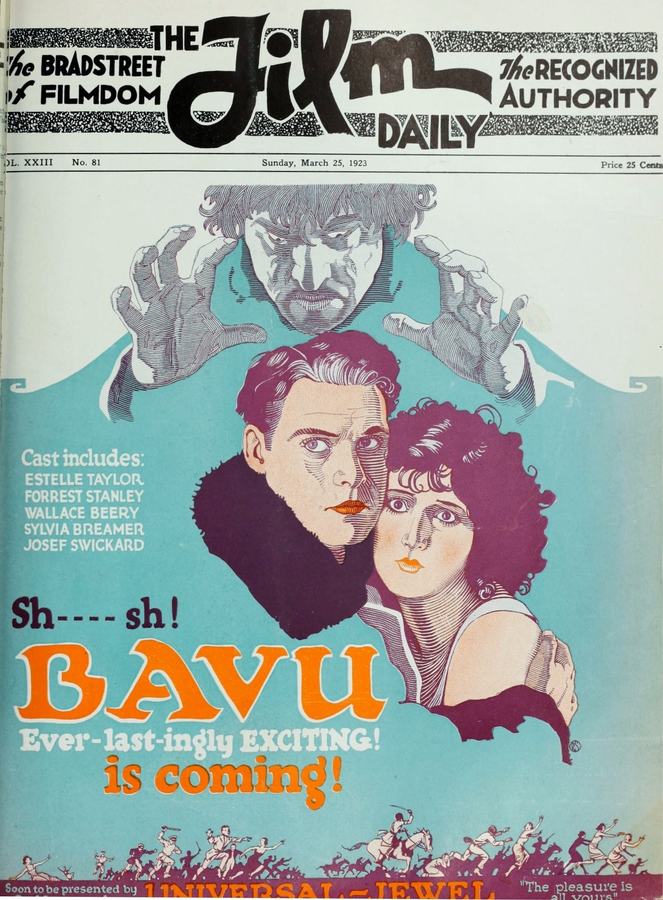
When the reels of Bavu begin to spin, the viewer is thrust into a world where ideology is as tangible as the soot‑stained streets and as volatile as the whispered conspiracies that echo through dimly lit taverns. The film, a product of the late‑1920s, harnesses the stark visual language of silent cinema to convey a narrative that is simultaneously intimate and grandiose. Director Albert Kenyon, aided by the pen of Earl Carroll and Raymond L. Schrock, constructs a tableau that feels less like a straightforward historical drama and more like a chiaroscuro painting, each shadow hinting at the moral complexities that define the protagonists.
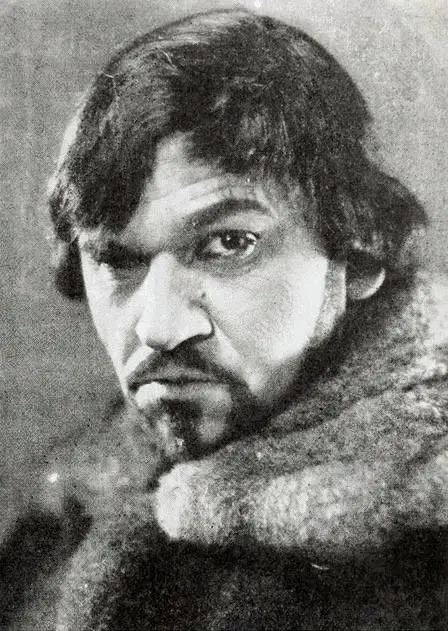
Nick De Ruiz, embodying the incendiary Ivan Petrovich, delivers a performance that is both ferocious and oddly vulnerable. His eyes, often narrowed into a razor‑sharp glare, betray a man who perceives the world in binary terms: oppressor versus oppressed, old versus new. De Ruiz’s physicality—sharp gestures, a clenched jaw, a restless pacing—communicates a relentless drive that borders on obsession. In contrast, Jack Rollens as Mikhail Antonov offers a measured counterpoint. Rollens employs a restrained elegance; his movements are deliberate, his expressions nuanced, suggesting a mind constantly weighing the cost of each action. The tension between the two actors is palpable, their silent exchanges laden with an intensity that would make even the most verbose dialogue feel superfluous.
Sylvia Breamer, cast as the enigmatic Elena—Petrovich’s conflicted lover—provides a crucial emotional anchor. Her performance oscillates between fierce loyalty and dawning disillusionment, embodying the internal struggle of many who found themselves caught between revolutionary zeal and personal conscience. The supporting ensemble—Harry Carter, Estelle Taylor, Martha Mattox, Wallace Beery, Forrest Stanley, and Josef Swickard—populate the film with a rich tapestry of archetypes: the weary veteran, the opportunistic aristocrat, the idealistic youth, each contributing a distinct perspective to the overarching discourse.
The cinematography, though constrained by the technological limitations of its era, exploits chiaroscuro to remarkable effect. Dark alleyways are illuminated by the flicker of oil lamps, casting elongated silhouettes that seem to dance in tandem with the characters’ internal conflicts. The use of deep focus in the climactic manor scene—where the final confrontation unfolds—allows the audience to simultaneously track the macro‑political stakes and the micro‑personal betrayals occurring in the same frame. This visual strategy is reminiscent of the atmospheric tension found in Nosferatu, where shadow becomes a character in its own right.
Kenyon’s direction is unflinching in its commitment to authenticity. The film’s production design meticulously recreates the bleakness of post‑revolutionary Russia: crumbling facades, rusted rail tracks, and the ever‑present snow that muffles the sounds of dissent. The occasional intertitle, rendered in a stark white font against a black backdrop, offers terse philosophical musings—quotations from Lenin, fragments of poetry—that deepen the narrative without disrupting its visual flow.
At its core, Bavu is a study of duality, a binary opposition that extends beyond the two protagonists to encompass the film’s very structure. The screenplay alternates between scenes of violent upheaval—mass protests, spontaneous arson—and quieter, more contemplative moments—secret meetings, whispered negotiations. This oscillation mirrors the internal tug‑of‑war experienced by the revolutionary cohort: the desire for immediate, sweeping change versus the recognition that sustainable transformation often requires patience and subtlety.
The film’s pacing is deliberately uneven, a choice that reinforces its thematic concerns. Rapid cuts during battle sequences generate a visceral sense of chaos, while lingering, static shots during Antonov’s strategic deliberations invite the viewer to contemplate the cost of restraint. This dichotomy can be likened to the narrative rhythm of The Railroad Raiders, where action and introspection are balanced to maintain tension.
Beyond its historical setting, Bavu poses timeless questions about the ethics of revolution. Is the eradication of an oppressive system justified if it entails indiscriminate bloodshed? Can a movement retain its moral high ground while employing strategic violence? Antonov’s advocacy for minimal bloodshed is not portrayed as naïve pacifism; rather, it is presented as a calculated philosophy that seeks to preserve the humanity of both the oppressors and the oppressed. Petrovich’s unyielding pursuit of total destruction, while initially compelling, gradually reveals the hollowness of an ideology that disregards the collateral damage inflicted upon innocents.
The film does not offer a tidy resolution. The climactic showdown in the decaying manor ends with both men wounded—physically and ideologically—leaving the audience to wrestle with the ambiguous aftermath. This open‑ended conclusion aligns Bavu with other silent era masterpieces such as The Footlights of Fate, where moral ambiguity is embraced rather than resolved.
When situating Bavu among its contemporaries, its thematic ambition rivals that of The Chechahcos, another film that interrogates the costs of cultural upheaval. Both movies employ rugged landscapes as metaphors for internal turmoil, yet Bavu distinguishes itself through its focus on ideological conflict rather than ethnic identity. Moreover, the film’s visual motifs echo the expressionist tendencies seen in Die Gespensteruhr, particularly in its use of stark lighting contrasts to externalize internal dread.
In terms of narrative scope, Bavu shares a kinship with Half an Hour, where a brief temporal window is used to explore profound emotional stakes. However, while Half an Hour centers on personal tragedy, Bavu expands its lens to encompass societal transformation, making its impact both intimate and expansive.
Although Bavu is a silent film, the original orchestral accompaniment—reconstructed from period cue sheets—plays a pivotal role in shaping the emotional terrain. The score oscillates between mournful strings during moments of loss and staccato brass during violent eruptions, underscoring the film’s thematic dichotomies. Contemporary screenings that pair the film with a live ensemble have reported heightened audience immersion, suggesting that the musical dimension remains integral to the work’s enduring resonance.
For decades, Bavu lingered in the periphery of silent‑film scholarship, often eclipsed by more commercially successful titles. Recent archival restorations, however, have sparked renewed interest among cinephiles and scholars alike. The film’s nuanced portrayal of revolutionary ethics offers a fresh lens through which to examine contemporary sociopolitical movements, rendering it surprisingly relevant in the digital age.
Its inclusion in retrospectives alongside works such as Yes Dear—a modern drama that interrogates personal versus collective responsibility—highlights the timeless nature of its central conflict. The film’s ability to provoke discussion about the morality of radical change ensures its place in academic curricula focused on film history, political theory, and ethics.
Bavu stands as a testament to the power of silent cinema to convey complex ideological debates without uttering a single word. Its meticulous craftsmanship, compelling performances, and unflinching examination of revolutionary fervor coalesce into a work that transcends its era. For viewers seeking a film that challenges both the intellect and the heart, Bavu offers a richly textured experience—one that reverberates long after the final frame fades to black.
IMDb 6.1
1933
Community
Log in to comment.