DbcultAccessing Vault...
5.2/10
Senior Film Conservator
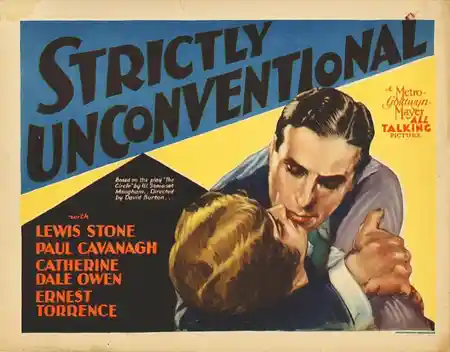
A definitive 5.2/10 rating for a film that redefined the boundaries of cult cinema. Strictly Unconventional remains a cornerstone of transgressive art.
I sat down with Strictly Unconventional expecting a lot of tea-sipping and maybe some polite sighing. If you’re into those early talkies where everyone sounds like they’re trying to swallow a marble while talking, you’ll probably find this one interesting. ☕
It is definitely worth a watch if you enjoy watching rich people realize that being rich is actually kind of exhausting. But if you need fast pacing or characters who don't talk in paragraphs, you are absolutely going to hate this movie.
The whole thing is based on a Somerset Maugham play called The Circle, and boy, can you tell. It feels like the camera is just a polite guest sitting in the corner of a very expensive living room.
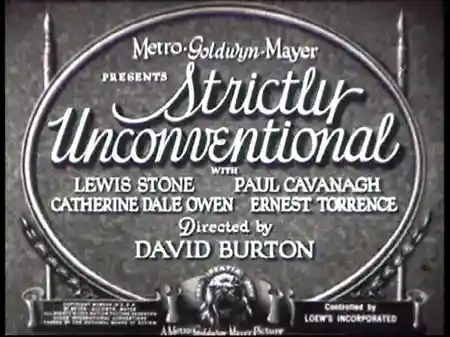
Elizabeth is the main girl, and she is bored. Her husband Arnold is obsessed with his career and his antique chairs, and honestly, I get why she wants to leave. 🪑
Then there is Teddie. He’s the Canadian guy who represents 'freedom' or whatever.
He has this energy like he just walked off a farm and into a tuxedo that is definitely a bit too tight in the armpits. He wants to take her away to the wild north, which sounds great until you remember 1930s Canada probably didn't have indoor heating in the places he was talking about.
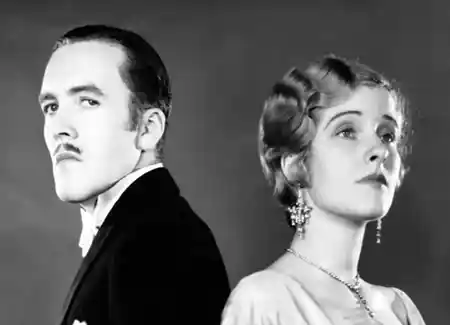
The movie really gets going when the mother-in-law, Lady Kitty, shows up. Alison Skipworth plays her, and she is easily the best part of the whole hour and a bit.
She ran away thirty years ago with a lover, leaving her husband and her social standing behind. Now she’s back, and she looks like she’s seen some things. 💄
Her face is a map of heavy rouge and maybe a few too many late nights. She isn't there to encourage Elizabeth to follow her heart; she’s there to tell her that 'following your heart' usually ends up with you living in a dusty hotel room in Italy with a man who grumbles at breakfast.
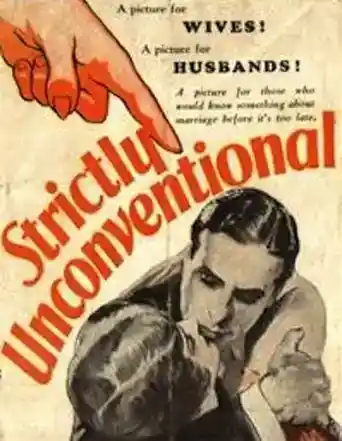
It’s a bit darker than I expected. Most movies from this era, like The Little Giant, have a bit more of a comedic bounce, but this one feels heavy.
There is this one scene where they are all playing bridge. It goes on for what feels like ten minutes. 🃏
You can tell the director thought the tension of a card game was the height of drama. It really wasn't, but I did like looking at the ridiculous hats the women were wearing.
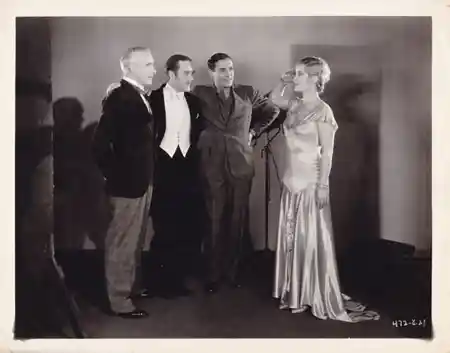
One of the hats Lady Kitty wears looks like a very large, very angry bird decided to nest on her forehead. I couldn't stop staring at it during her big emotional speech.
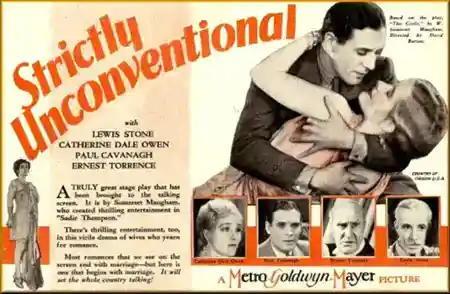
Lewis Stone is in this too, playing the abandoned husband. He has this way of standing that makes him look like he’s made of stone, which I guess fits his name.
He’s very quiet and very observant. He’s the one who invited the runaway wife back, mostly just to show his son what happens when you let a woman go.
It’s a bit mean-spirited, honestly. The men in this movie are mostly just trying to win arguments rather than actually being happy.
The dialogue is sharp, but it’s very theatrical. People stand in a specific spot, wait for the other person to finish their sentence, and then deliver their line to the middle distance.
It lacks the natural flow you get in something like Mother Knows Best. Everything here is very... well, strictly unconventional, I guess.
I found myself wondering about the Canadian guy's accent. It kept slipping between British and something that sounded vaguely like he was from Ohio.
The ending comes at you fast. One minute they’re arguing about the future, and the next, the credits are rolling and you’re left wondering if they ever made it to Canada.
I think I liked it more because it didn't try to give a happy, perfect answer. It just showed that sometimes, every choice you make is kind of a bad one.
If you see this on a streaming list or a late-night TV channel, give it a go. It’s a strange little relic of a time when movies were still trying to figure out how to talk without being boring.
It’s not a masterpiece, but it’s got personality. And sometimes that’s better than being perfect.

IMDb 5.3
1931
Community
Log in to comment.