DbcultAccessing Vault...
7.6/10
Senior Film Conservator
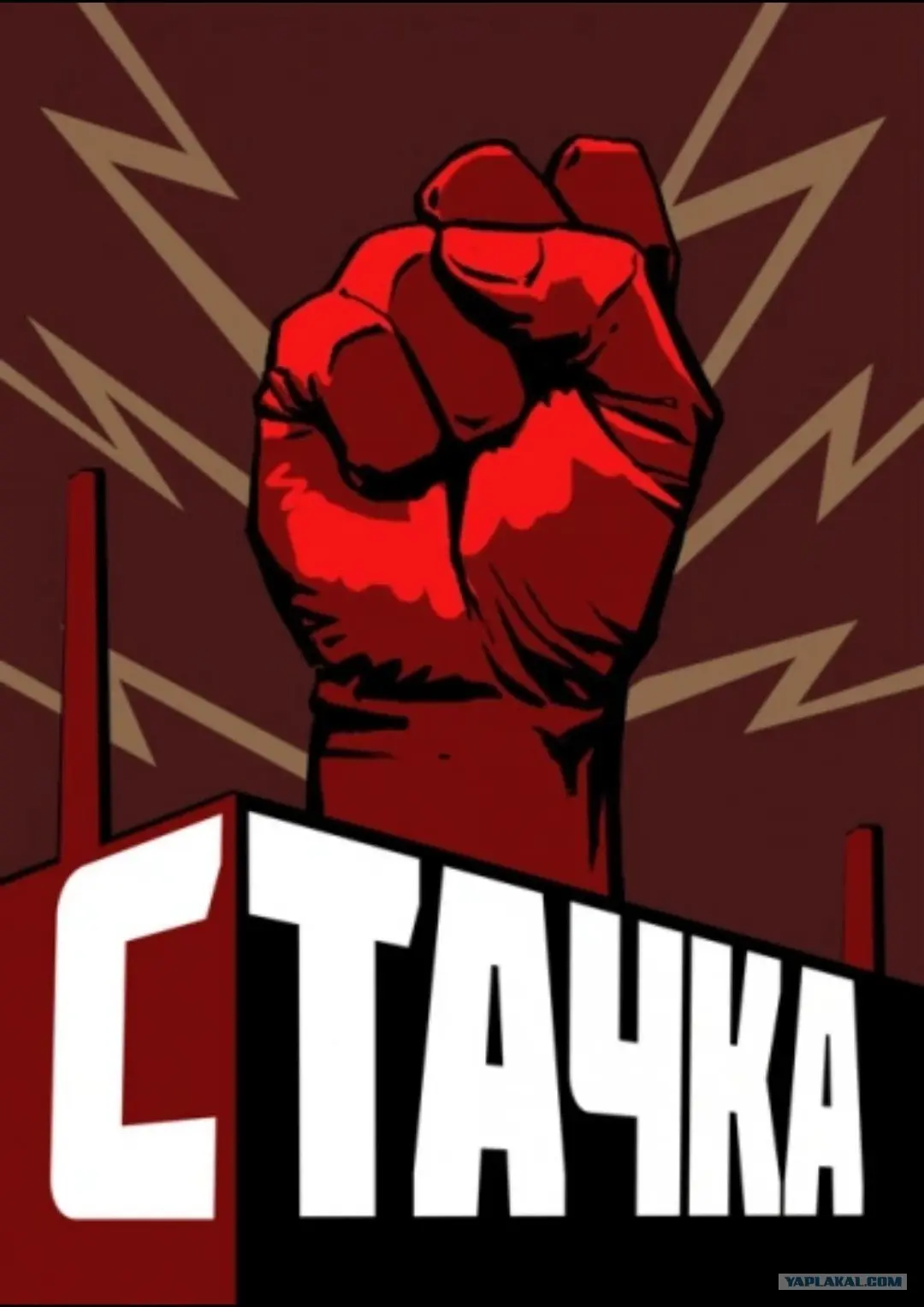
A definitive 7.6/10 rating for a film that redefined the boundaries of cult cinema. Strike remains a cornerstone of transgressive art.
Stepping into the world of Sergei Eisenstein's 1925 silent epic, Strike, is not merely watching a film; it is an immersion into a foundational moment of cinematic history, a visceral experience that pulsates with the raw energy of nascent revolution and artistic innovation. This isn't just a historical document; it's a living, breathing testament to the power of cinema as a tool for social commentary and political awakening. Released during the vibrant, experimental years of Soviet cinema, Strike stands as a towering achievement, a fierce and unflinching portrayal of class struggle in pre-revolutionary Russia, directed by a visionary whose name would become synonymous with montage theory.
The film, penned by a collective of brilliant minds including Grigoriy Aleksandrov, Ilya Kravchunovsky, Sergei Eisenstein himself, and Valerian Pletnev, is a meticulously crafted narrative of oppression and rebellion. It eschews individual heroics for the grander canvas of the collective, presenting the factory workers not as disparate individuals but as a singular, suffering, and ultimately defiant entity. The opening scenes plunge us directly into the dehumanizing grind of the factory floor, a relentless symphony of clanking machinery and suffocating conditions. Here, the human spirit is not just exploited; it is systematically crushed, a cog in an indifferent industrial machine. The visuals, even in black and white, convey the grime, the sweat, and the sheer exhaustion that define the workers' existence. The cast, featuring names like Vladimir Uralskiy, Daniil Antonovich, I. Ivanov, and Yudif Glizer, embody their roles with a stark realism that transcends the silent medium, their expressions and body language speaking volumes.
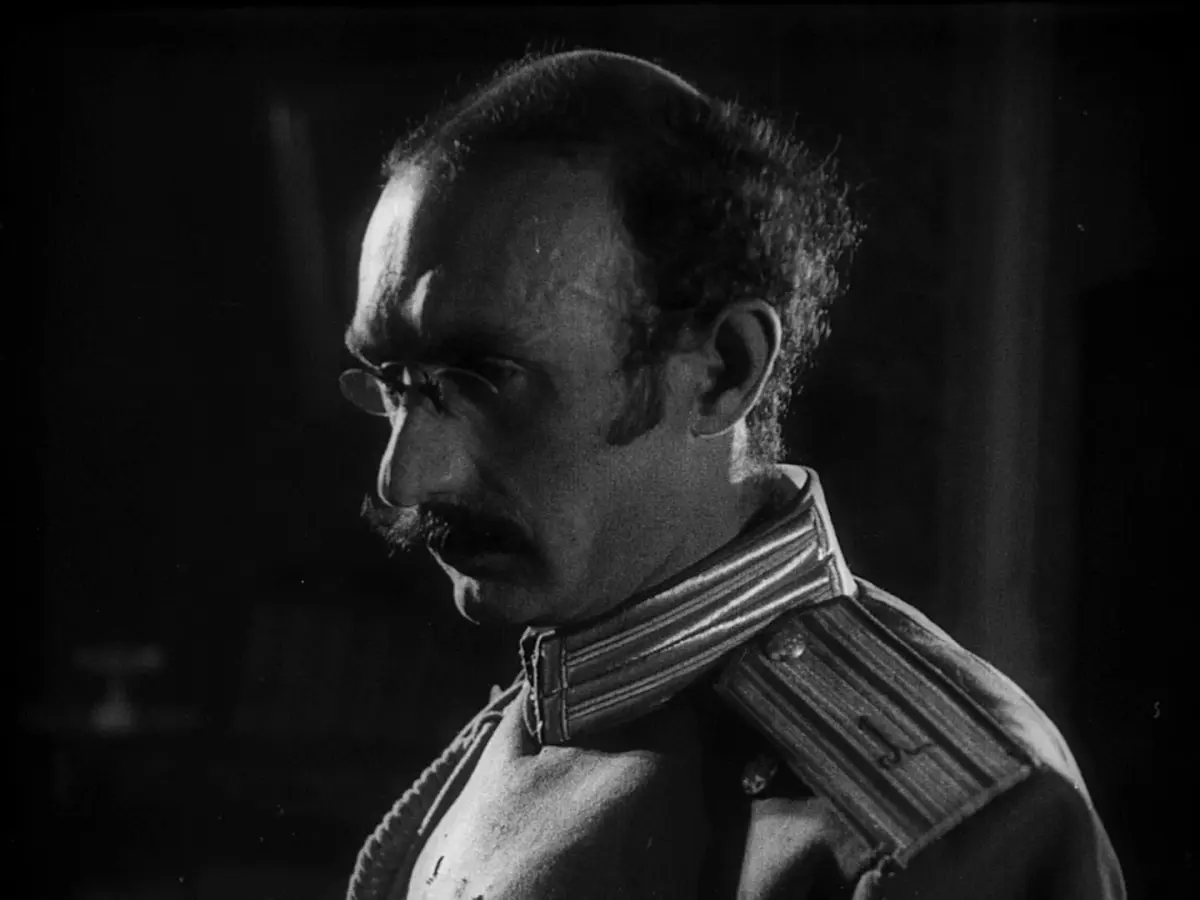
Eisenstein's genius, even in this, his debut feature, is immediately apparent in his revolutionary use of montage. This isn't just about cutting between scenes; it’s about the collision of images, creating intellectual and emotional impact far greater than the sum of their parts. He weaponizes the edit, transforming it into a rhetorical device. Consider the famous 'massacre' sequence, where the brutal suppression of the strikers is intercut with the agonizing slaughter of a bull. This jarring juxtaposition isn't merely shocking; it’s a profound statement, equating the state's violence against its citizens with the barbaric act of butchery. It’s a moment that sears itself into the viewer's consciousness, a testament to the film's enduring power and its ability to communicate complex ideas through purely visual means. This technique, later refined in masterpieces like Battleship Potemkin, finds its raw, powerful genesis here.
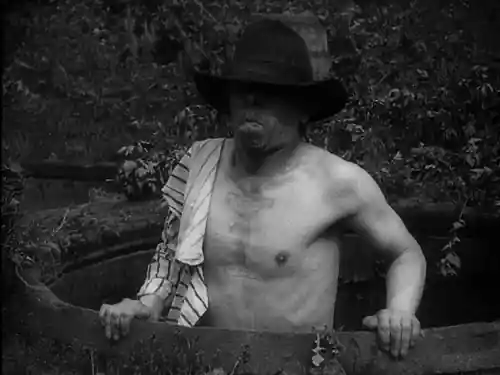
The narrative arc of Strike is a masterclass in escalating tension. It begins with a seemingly minor incident – a worker, falsely accused of stealing a micrometer, hangs himself out of despair. This act of individual tragedy ignites a collective fury, transforming simmering resentment into outright rebellion. The workers, led by figures like Pyotr Malek and Ivan Klyukvin, demand better conditions and the dismissal of the foreman responsible. Their initial solidarity is palpable, a powerful display of unity against the entrenched power structure of the factory owners and their shadowy network of spies and provocateurs, masterfully portrayed by actors such as Mikhail Gomorov and Aleksandr Antonov. These early scenes showcase the exhilaration of collective action, the intoxicating sense of shared purpose that binds the oppressed together.
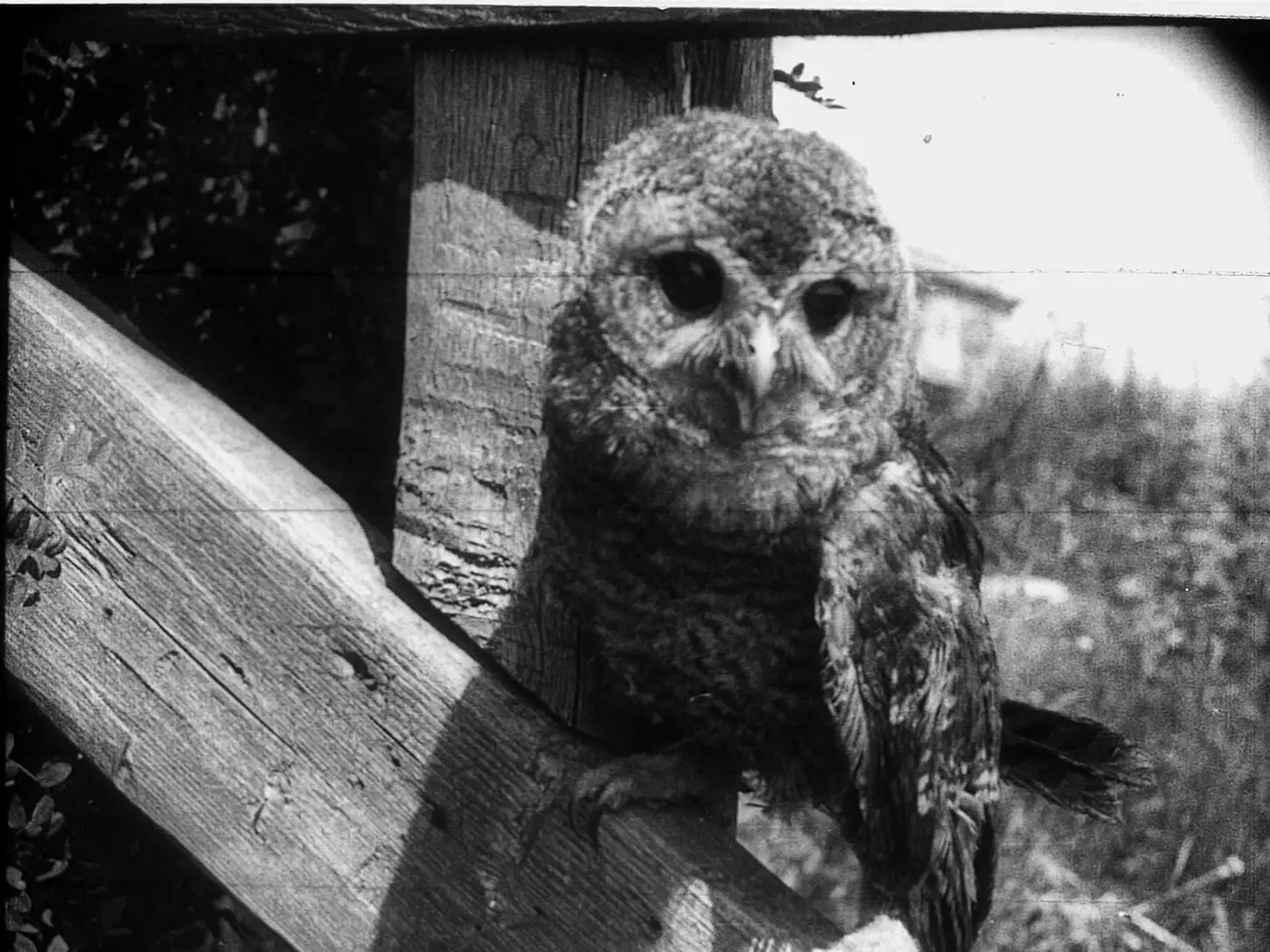
As the strike gains momentum, the film meticulously details the strategies employed by both sides. The workers organize, form committees, and even attempt to maintain order within their ranks. The management, on the other hand, resorts to increasingly cynical tactics: hiring thugs from the criminal underworld, using alcohol to corrupt the strikers, and deploying agents provocateurs to sow discord and provide pretexts for intervention. The contrast between the workers' earnest, if sometimes naive, idealism and the management's cold, calculating cruelty is stark. This dynamic is crucial to understanding the film’s political message, highlighting the systemic nature of oppression and the lengths to which power will go to maintain its grip.
The visual language of Strike is nothing short of groundbreaking. Eisenstein employs striking compositions, often utilizing geometric patterns and stark contrasts to emphasize the rigid hierarchy and eventual chaos. The use of symbols is pervasive and potent, from the gears of the factory representing the relentless grind of labor to the ominous shadows cast by the authorities. The 'Lion' sequence, where statues of sleeping, waking, and roaring lions are cut together, symbolically representing the awakening of the proletariat, is a prime example of his intellectual montage at play. It’s a moment of pure cinematic poetry, conveying a powerful political message without a single spoken word. The contributions of actors like Pavel Poltoratskiy and Vera Yanukova, while not in lead roles, add to the rich tapestry of the collective, each face telling a story of hardship and hope.
While Strike is a fictionalized account, its raw realism and documentary-like sequences give it an almost journalistic feel. This approach can be seen as a precursor to and a more stylized counterpart of films like The Battle of the Ancre and the Advance of the Tanks, which chronicled real-life events with an unflinching camera. However, where the latter aimed for direct reportage, Eisenstein’s film meticulously constructs its reality to amplify its ideological message, crafting a heightened sense of dramatic truth. The performances, particularly from actors like Maksim Shtraukh and Grigoriy Aleksandrov, contribute to this authentic portrayal of human suffering and resilience.
The film’s climax, the brutal suppression of the strike by the military, is a harrowing sequence that remains powerful nearly a century later. The indiscriminate violence, the terror of the unarmed workers, and the cold efficiency of the state apparatus are depicted with an almost unbearable intensity. The cross-cutting between the fleeing workers, the charging cavalry, and the machine guns firing into the crowd is a masterclass in suspense and horror. The aforementioned bull slaughter montage amplifies the cruelty, drawing a direct, visceral link between the animalistic nature of the violence and the dehumanization of the victims. This sequence is not just a depiction of historical events; it's a timeless commentary on the brutal realities of power dynamics.
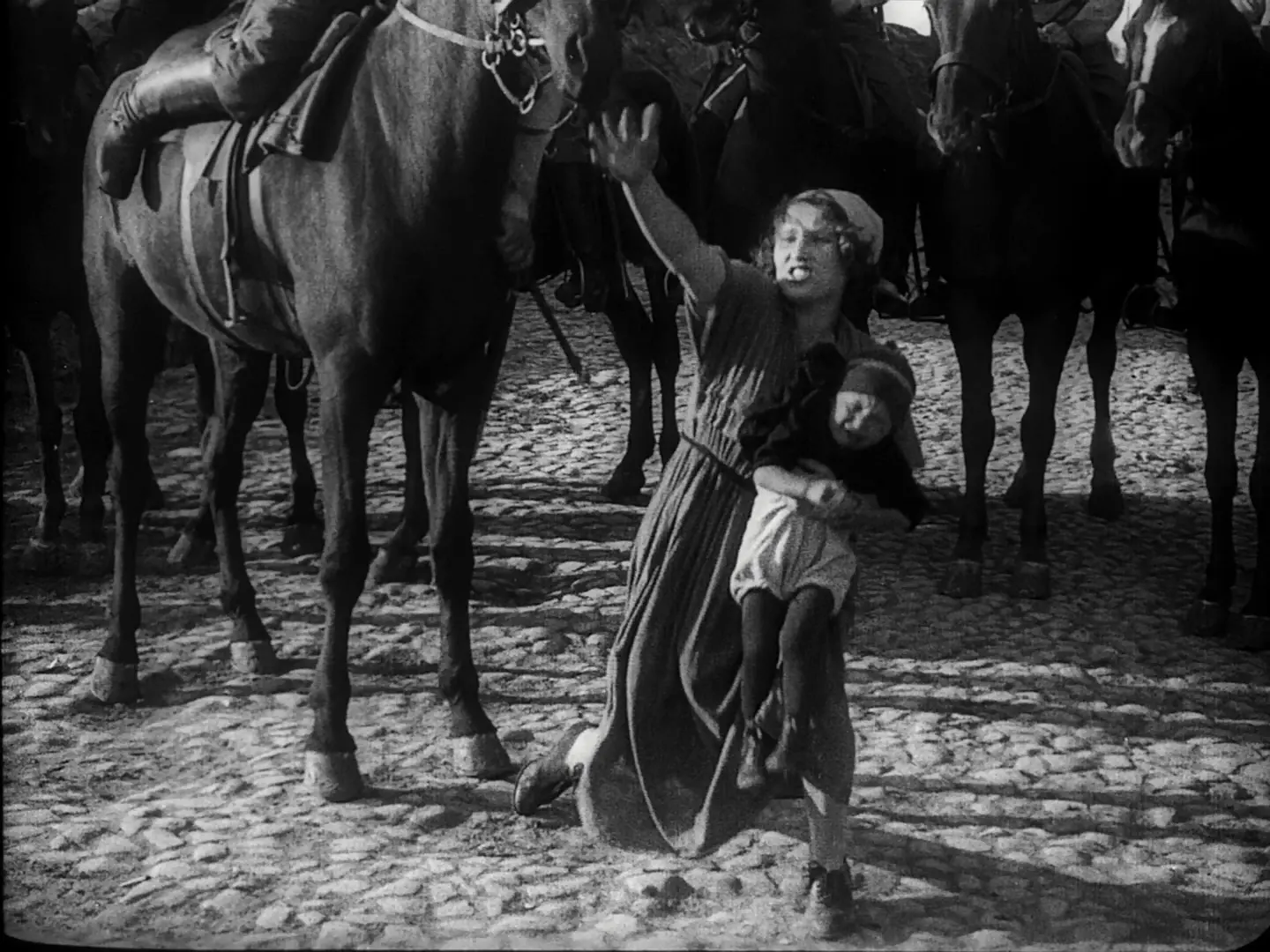
The thematic richness of Strike extends beyond mere class conflict. It delves into the psychology of the mob, both the righteous anger of the workers and the fear-driven brutality of the authorities. It explores the concept of surveillance and betrayal, with the 'detective' and 'provocateur' characters adding layers of intrigue and paranoia. The film also subtly touches upon the role of women and children in these struggles, showing their participation and suffering, adding another dimension to the collective plight. Misha Mamin, though a child actor, contributes to the pathos of these scenes, symbolizing the innocence caught in the crossfire.
Comparing Strike to other films of its era, one can see its unique position. While films like Mutiny (1917) might have depicted collective rebellion, Eisenstein's approach was far more ideologically driven and formally experimental. He wasn't just telling a story; he was constructing an argument, shaping perception through the very mechanics of cinema. The film’s influence on subsequent filmmakers, both within the Soviet Union and internationally, is immeasurable. It helped establish the Soviet montage school as a dominant force and demonstrated the profound potential of film as an art form capable of intellectual engagement and emotional manipulation on a grand scale.
The legacy of Strike is complex. While lauded for its artistic merit and revolutionary spirit, it also served as a powerful piece of propaganda, designed to galvanize support for the Soviet state. However, to view it solely through that lens would be to diminish its artistic achievement. Its formal innovations, its daring visual style, and its unflinching commitment to its subject matter elevate it beyond mere political messaging. It remains a vital text for anyone studying film theory, political cinema, or the history of social movements. Actors like Anatoliy Kuznetsov, Boris Yurtsev, and Leonid Alekseev, though perhaps not household names, contributed to the film's ensemble power, making each face in the crowd a part of the larger, tragic narrative.
Watching Strike today, one is struck by its timeless relevance. The themes of worker exploitation, corporate greed, state violence, and the struggle for dignity resonate just as powerfully in our contemporary world. It serves as a stark reminder of the sacrifices made in the pursuit of social justice and the enduring power of collective action. Eisenstein’s vision, even in the absence of spoken dialogue, screams its message across the decades, demanding attention and reflection. It’s a film that doesn't just entertain; it challenges, provokes, and ultimately, educates.
In conclusion, Strike is a monumental work of cinema, a raw and powerful debut from a director who would redefine the art form. Its audacious use of montage, its unwavering focus on the collective hero, and its searing critique of social injustice make it an essential viewing experience. It’s a film that leaves an indelible mark, a testament to the revolutionary zeal of its creators and the enduring spirit of human resistance.
IMDb 5
1929
Community
Log in to comment.