DbcultAccessing Vault...
Cult Review
Senior Film Conservator
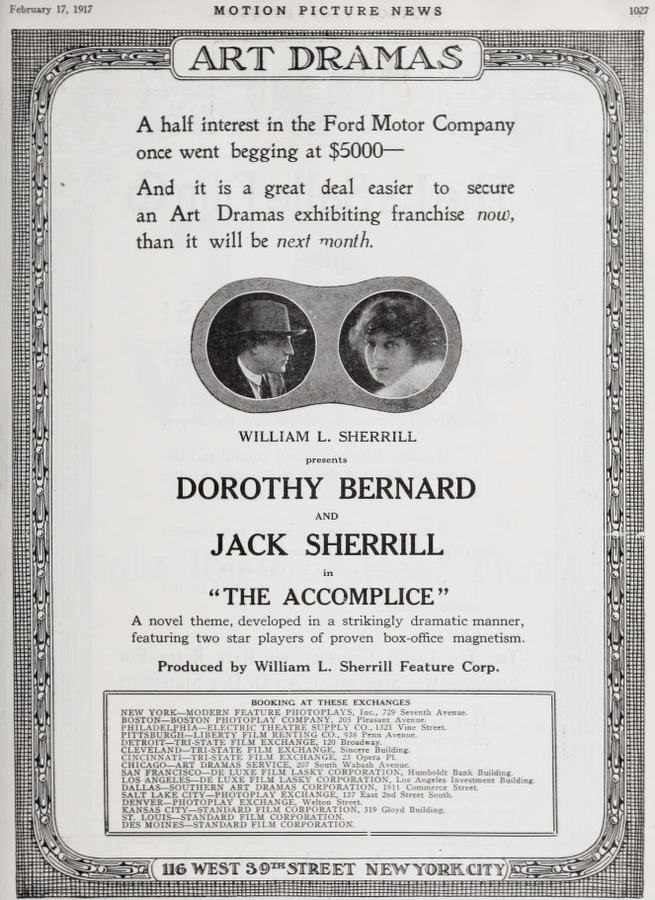
Stepping back into the annals of early cinema, one encounters The Accomplice, a silent-era melodrama that, despite its age, still pulses with a raw, human drama that feels remarkably contemporary. It’s a narrative steeped in the rigid social hierarchies and moral complexities of its time, yet its core themes of sacrifice, reputation, and the corrosive power of secrets remain universally resonant. Directed with a keen eye for emotional nuance, the film delves into a world where a momentary lapse in judgment can unravel entire lives, and where acts of selfless bravery often come with unforeseen, devastating consequences. This isn't merely a period piece; it's a timeless exploration of character under duress, a testament to the enduring human struggle between personal desire and societal expectation, masterfully conveyed through the expressive power of silent acting and evocative intertitles.
At the heart of this intricate web of intrigue is Katherine Harcourt, portrayed with a compelling blend of naiveté and burgeoning self-awareness by Jean Stuart. Katherine is not merely a "spoiled daughter of a wealthy Wall Street entrepreneur"; she is a symbol of affluent ennui, a young woman insulated by her family's formidable wealth but starved for genuine connection and experience. Her existence, while materially abundant, is emotionally barren, a gilded cage from which she yearns to escape. Her wandering into the Tango Tea Set isn't a casual dalliance; it's an unconscious quest for something real, something vibrant, to puncture the suffocating predictability of her existence. The Tea Set, with its intoxicating rhythms, sensuous movements, and exotic allure, represents a stark contrast to the staid drawing-rooms and predictable social engagements of her upbringing. It is here that she encounters Antonio, brought to life by Joseph Granby with a mesmerizing intensity. Antonio is not just a dancer; he is a force of nature, an embodiment of raw passion and veiled danger that Katherine, in her sheltered world, has never before encountered. His charisma is a siren song, luring her into a world far removed from her privileged, yet sterile, reality.
The subsequent pursuit to his hotel room is less an act of wanton abandon and more a desperate, if misguided, reach for an experience that promises to ignite her dormant spirit. It's a plunge into the unknown, a reckless flirtation with a life she has only read about in novels. Yet, at the precipice of a potentially ruinous liaison, Katherine's inherent moral compass, perhaps a latent vestige of her genteel upbringing, asserts itself. The rejection, delivered at the point of a knife – a stark, visceral symbol of the immediate peril she has invited – underscores the razor's edge between thrill and terror upon which she treads. This moment is pivotal, not just for the plot, but for Katherine's character arc. It marks her first true confrontation with the darker currents of life, a rude awakening from her privileged dreamscape. It sets the stage for a dramatic unraveling, demonstrating how a single, impulsive decision can reverberate with unforeseen and catastrophic consequences, a theme echoed in other dramas of social transgression and consequence, such as the intricate class conflicts explored in Vanity Fair, where societal expectations often trap individuals in webs of their own making, often leading to their undoing.
The discovery of Pepita's murder, a brutal act that shatters the fragile peace of the night, immediately casts Antonio into the role of prime suspect. His desperate claim of being with Katherine, a truth that would undoubtedly drag the illustrious Harcourt name through the mud of scandal, sets in motion a chain of events driven by the era's obsessive concern with reputation and social standing. The elder Mr. Harcourt, a titan of Wall Street, embodies the patriarchal authority and unwavering concern for the family's public image that defined much of early 20th-century high society. For him, the mere whisper of scandal is a threat more potent than any financial downturn, a stain on his carefully constructed legacy that must be expunged at all costs. This rigid adherence to social decorum and the protection of one's surname is a powerful motivating force throughout the film, highlighting the immense pressure placed upon individuals within the upper echelons of society.
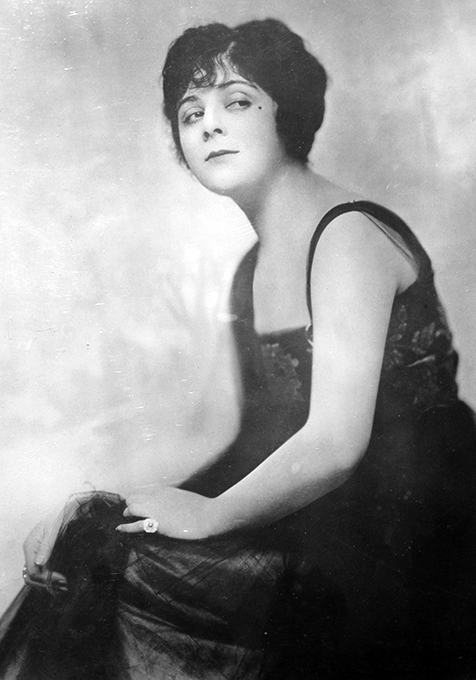
Enter Miriam Collins, portrayed by Dorothy Bernard with a quiet strength that belies her character's precarious social position. Miriam is not merely Dick Harcourt's sweetheart; she is an outsider, constantly under the scrutinizing gaze of Mr. Harcourt, who deems her "too poor for his son." Her decision to falsely claim to be Antonio's alibi is a masterstroke of dramatic irony and selfless sacrifice. It's a calculated risk, born not of malice, but of a desperate desire to prove her worth, to demonstrate a loyalty and courage that transcends her humble origins and the societal barriers placed before her. Her actions resonate with the profound themes of honor and sacrifice found in narratives like Chûshingura, albeit in a vastly different cultural context, where personal honor often outweighed individual well-being. Miriam's sacrifice, however, is not immediately met with the desired outcome. Instead, it backfires spectacularly, shattering her engagement to Dick, who, blinded by a rigid sense of honor and perhaps a touch of inherited snobbery, cannot fathom the depths of her motivation. The scene where Dick breaks off their engagement is particularly poignant, highlighting the tragic misunderstanding that can arise when communication falters and assumptions, fueled by class prejudice, take root.
The film masterfully explores the intricate dynamics of class and social mobility, a prevalent concern in early American cinema, often seen in films like The Octoroon, which grappled with societal prejudices and the barriers they erected based on lineage and perceived status. Miriam’s struggle to gain acceptance into the Harcourt family is a microcosm of broader societal anxieties about wealth, status, and perceived moral purity. Her gesture, intended to elevate her standing, instead plunges her into deeper ignominy, exposing the cruel paradoxes of a society obsessed with appearances. The film deftly illustrates how a single act of moral courage can be misconstrued and punished when viewed through the myopic lens of class prejudice, forcing Miriam to endure the very shame she sought to avert from the Harcourt name, only to have it rebound upon her own.
As Miriam grapples with the fallout of her self-sacrificing lie, Katherine is consumed by a burgeoning, corrosive guilt. Her initial silence, driven by fear and the instinct to protect her family's name, begins to erode her conscience, chipping away at the foundation of her privileged existence. The film's strength lies in its portrayal of Katherine's internal struggle, a silent battle waged within her opulent, yet increasingly suffocating, world. Jean Stuart conveys this inner turmoil with subtle yet powerful expressions – the downcast eyes, the restless hands, the haunted gaze – all hallmarks of effective silent film acting that communicate volumes without a single uttered word. Katherine's journey from spoiled heiress to morally awakened individual is perhaps the most compelling arc in the entire narrative. She is forced to confront the true cost of her actions, or rather, her inaction, and the profound impact it has had on an innocent woman whose only crime was an act of selfless devotion.
Her eventual confession is not merely a convenient plot device; it is a profound act of moral reckoning, a courageous step into authenticity. It signifies her transition from a passive recipient of her family's protection to an active agent of truth and justice, willing to face the consequences of her own choices. This moment of revelation is charged with emotional weight, as Katherine, at last, embraces responsibility for her choices, demonstrating a newfound maturity and strength of character that had been dormant beneath layers of privilege. It is a powerful affirmation of the idea that truth, no matter how inconvenient or scandalous, ultimately has the power to liberate, not just the accused, but also the conscience of the one who bears witness. This theme of a character finding redemption through truth, even at great personal cost, resonates with the moral awakening seen in other early dramas where characters confront their past mistakes, such as in Her Father's Gold, where family secrets and moral choices drive the narrative to a compelling, if sometimes bittersweet, conclusion.
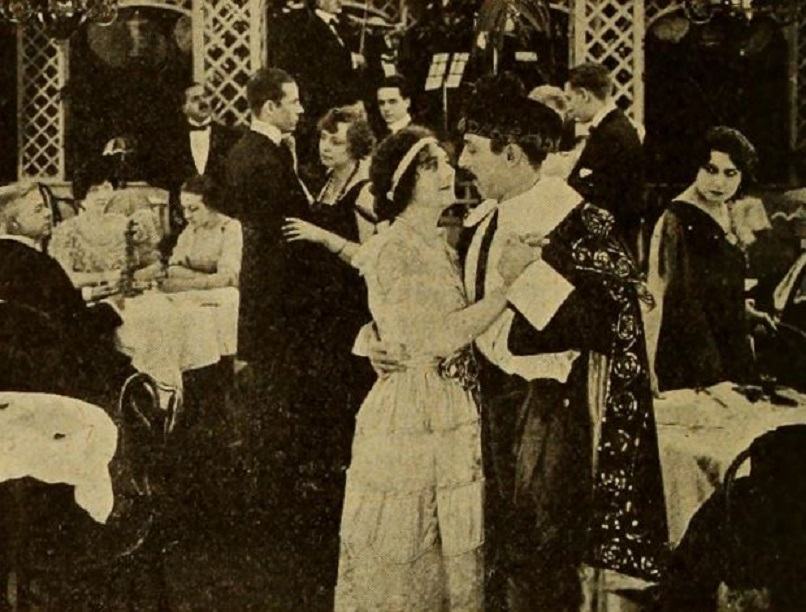
The confession not only clears Miriam's name but also, perhaps more importantly, clears Katherine's own conscience. It is a moment of profound catharsis, allowing her to shed the psychological burden of her complicity and the silent torment of her guilt. The film subtly suggests that true nobility lies not in birthright or inherited wealth, but in the courage to uphold justice and rectify wrongs, even when it means sacrificing one's own comfort or reputation. This moral clarity, once obscured by fear and societal pressure, shines through as Katherine accepts the consequences of her actions, demonstrating a newfound maturity and an admirable strength of character that elevates her beyond her initial, superficial portrayal.
The resolution of The Accomplice is, in many ways, a testament to the enduring power of truth and genuine human connection. With Katherine's confession, the intricate web of lies and misunderstandings begins to unravel, piece by intricate piece. Miriam's name is not only cleared of the false accusation but her act of self-sacrifice is finally understood and appreciated for its true, noble intent. This moment of vindication is crucial, not just for Miriam, who has endured public humiliation and personal heartbreak, but for the audience, who have witnessed her unwavering loyalty and the unjust repercussions she faced. Her character arc, from an unaccepted outsider to a woman of proven integrity and profound moral courage, is a deeply satisfying one, demonstrating that true character ultimately triumphs over superficial judgments.
Mr. Harcourt's eventual blessing of Miriam and Dick's reunion is perhaps the most significant symbolic gesture in the film. It signifies a profound shift in his rigid worldview, a recognition that true worth extends beyond financial standing or social pedigree. It’s a powerful statement against the superficiality of class distinctions and an endorsement of character above all else. His acceptance is not merely a plot convenience; it represents a hard-won victory for love and integrity over the entrenched prejudices of society, a testament to the transformative power of witnessing genuine virtue. Dick, too, undergoes a transformation, shedding his initial blindness and realizing the profound depth of Miriam's love and loyalty, understanding the immense sacrifice she made for his family's name. Their reunion is not just a happy ending; it’s a reaffirmation of the enduring power of love to overcome adversity and misunderstanding, forged in the crucible of shared hardship and truth.
The film, through its careful pacing and the expressive performances of its cast, particularly Jean Stuart and Dorothy Bernard, manages to evoke a wide range of emotions without the aid of spoken dialogue. The use of intertitles is effective, not just in conveying critical plot points, but in adding emotional depth and commentary, often acting as an inner voice or a moral compass for the audience. The direction ensures that each character's motivations, however flawed or misguided, are understandable, allowing the audience to empathize even with those who make questionable choices. The visual storytelling, characteristic of the era, relies heavily on close-ups to capture nuanced facial expressions, dramatic staging to heighten tension, and symbolic gestures to convey the internal states of the characters, drawing the viewer deeply into their emotional landscapes and moral quandaries.
In an era brimming with cinematic experimentation and rapid technological advancements, The Accomplice stands as a fine example of how silent film could weave complex human dramas with compelling efficacy. While it may not possess the grand, sweeping scale of The Birth of a Nation or the serialized thrills of Beatrice Fairfax Episode 15: Wristwatches, its strength lies in its intimate portrayal of moral dilemmas and personal growth, demonstrating the silent screen's capacity for profound psychological insight. It reminds us that the human heart, with its capacity for both profound error and remarkable redemption, remains an inexhaustible source of dramatic conflict, transcending the limitations of technological innovation.
Ultimately, The Accomplice is more than just a period piece or a simple melodrama. It's a thoughtful examination of the choices we make, the societal pressures we face, and the transformative power of truth and integrity. It asks profound questions about what truly constitutes honor and how far one is willing to go to protect it, or to restore it, not just for oneself, but for others. The film, in its quiet yet powerful way, champions the individual's arduous journey towards moral clarity, suggesting that true happiness and acceptance are found not in conforming to external expectations, but in aligning with one's own inner sense of right and wrong, even when that path is fraught with difficulty. Its enduring appeal lies in its exploration of universal themes that continue to resonate with audiences today, proving that a compelling story, well-told, transcends the limitations of time and technology. The intricate dance between secret, sacrifice, and salvation makes this film a compelling watch for anyone interested in the foundational narratives of cinema and the timeless struggles of the human spirit, offering a poignant reflection on the enduring power of honesty and the redemptive potential of selfless acts.
IMDb —
1923
Community
Log in to comment.