DbcultAccessing Vault...
6.9/10
Senior Film Conservator
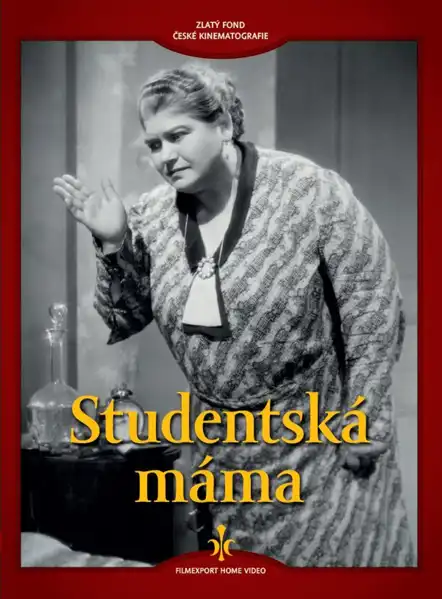
A definitive 6.9/10 rating for a film that redefined the boundaries of cult cinema. Studentská máma remains a cornerstone of transgressive art.
So, Studentská máma, huh? If you're into old Czech comedies, the kind from the 1930s with that particular charm, then yes, give it a shot. It's a sweet, if a bit dated, look at a young woman's struggles. Anyone expecting modern pacing or sharp satire will probably find it a slog. It’s definitely not for everyone, really. 🎬
The film basically centers on this young woman, played by Slávka Doležalová, who has a secret baby. She's still a student, trying to keep it all under wraps. Antonie Nedošinská, a total staple of the era, plays the landlady or some older, gossipy figure. She's just wonderful, even when her character is a bit much.
There's this one scene where Doležalová's character, Líza, is trying to sneak the baby out. The way she keeps glancing over her shoulder, clutching that blanket so tightly. You can practically feel her anxiety. It's a small moment, but it tells you everything.
And the baby! It's mostly just there, a plot device, but sometimes it makes these tiny little gurgles. They feel so real amidst the studio sets. It's an interesting contrast.
The whole premise feels very much of its time. The shame, the secrets, the idea of an unmarried mother being a huge scandal. It’s almost quaint now, but you get a sense of how big a deal it was then. There’s a scene where a professor, played by Karel Jelínek, tries to offer some "advice." He's so utterly clueless, yet thinks he's helping. It's a classic setup.
Nedošinská, as the landlady, has this fantastic way of raising an eyebrow. It says more than half the dialogue. She doesn't even need to speak, just a look. Her whole character is built on these tiny, expressive gestures.
The movie doesn't really go for big laughs, not like a modern slapstick. It's more about the awkward situations, the misunderstandings. Like when everyone thinks the baby belongs to someone else. It's a bit far-fetched, but you roll with it.
The sets are pretty minimal. You get a student's room, a cafe, a school corridor. They serve their purpose. Nothing flashy, but you don't really need it here. It keeps the focus on the characters and their predicament.
There’s a part where they’re all at some kind of student gathering, and the baby's presence almost spills the beans. The tension builds in such a specific, almost old-fashioned way. It's less about frantic action and more about the threat of exposure.
Some of the dialogue feels a little stilted, which is common for films this old. But the actors, especially the main ones, do a good job of selling it. You can tell they knew how to play to the camera. It’s a different kind of acting than today, more theatrical.
One thing that sticks out is how everyone is so concerned with appearances. The whole drama hinges on it. It’s a snapshot of a different social code. You can almost feel the weight of societal judgment on Líza. It’s quite heavy, actually.
The ending, without giving too much away, ties things up a bit too neatly perhaps. But it’s a feel-good resolution for the era. You expect it. It's not trying to challenge you, just tell a sweet story.
It’s not a masterpiece by any stretch, but it's a solid little film. For fans of classic Czech cinema, or just anyone curious about how these stories were told back then, it's worth digging up. It's got heart, even if it's a little dusty around the edges.
IMDb —
1920
Community
Log in to comment.