DbcultAccessing Vault...
Cult Review
Senior Film Conservator
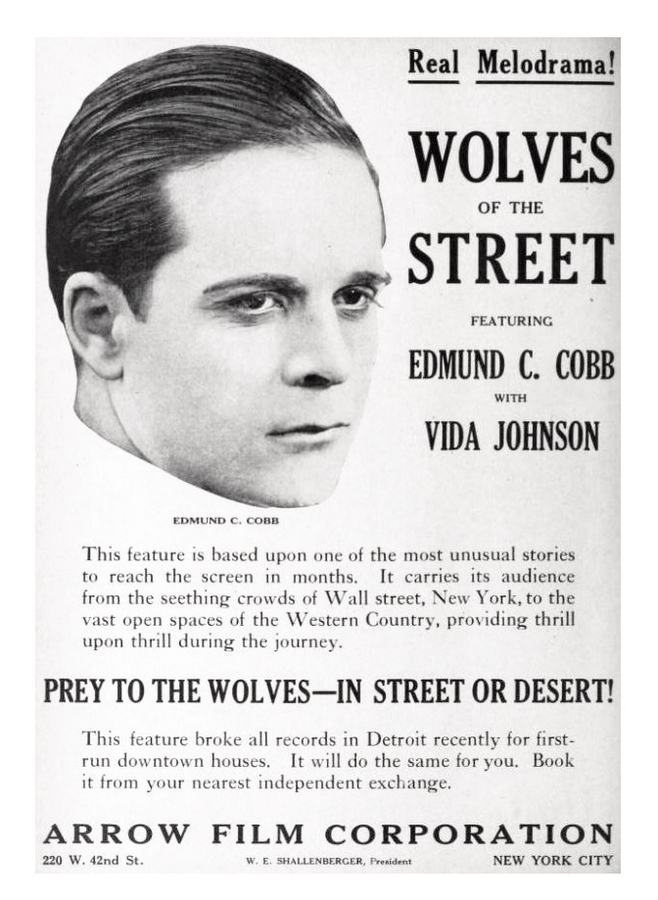
The first image that burns itself into the retina is not a gunshot but the absence of sound: a financier crumples on the polished floor of the Exchange, mouth frozen in an O of protest, while above him the ticker keeps its insectile clatter. In that hush, Wolves of the Street announces its thesis—capitalism murders fathers and then monetizes the orphans.
What follows is a diptych of landscapes, oil and copper, wheat and dynamite. Director Tom Gibson cross-cuts like a man tearing a photograph in half and insisting both shards are the original. On the right panel, skyscrapers perform a geometric hymn; on the left, ore-crushers grind the planet’s bones. The montage is so ruthless you can taste ferrous dust between your molars.
Cobb shoulders the dual role with the swagger of a man who has seen his own obituary and disagrees with the punctuation. As authentic James he is all coiled rectitude; as the double he lets his grin go slack, a millimeter of gum exposure turning gallantry into grift. The intertitles do not tell us which Trevlyn is onscreen; the collar decides. One shirt is blinding white, the other nicotine-beige—an economical semaphore that predates color film by decades.
Johnson plays Eleanor like a stenographer who has read the future in the spatter of her ink. Watch her eyes when she first spots the double: a blink, a swallow, a recalibration of destiny. In a genre that treated women as ornamental ticker tape, she is the ledger book—every transaction of trust, betrayal, redemption is signed in her pupils.
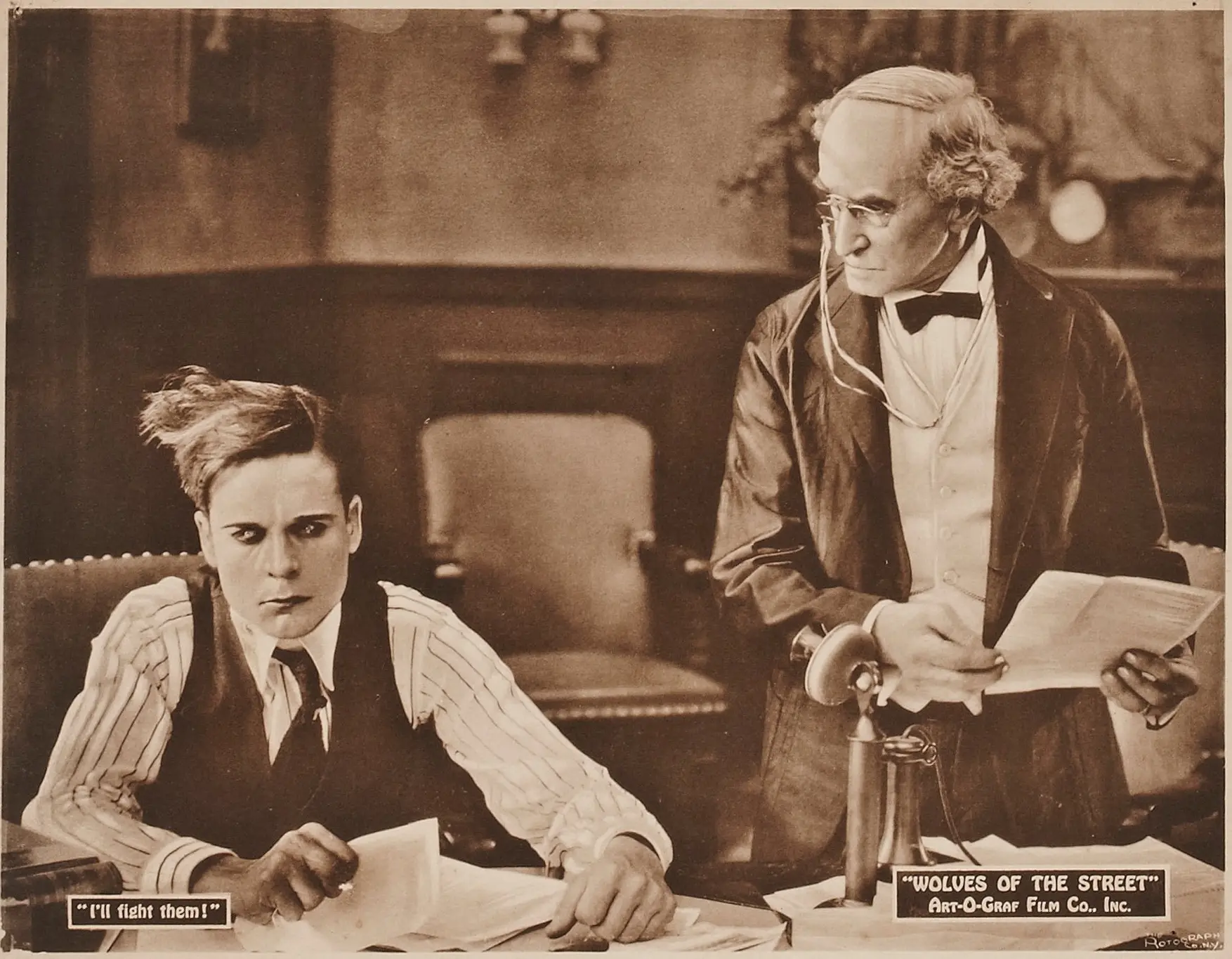
The cabal’s scheme is never explicated in boardroom exposition; instead we glimpse negative space—empty grain elevators, breadlines that snake around blocks like silent film queues, a child’s chalk drawing of a loaf rubbed out by boot heels. The absence of bread is the presence of profit, and Gibson lets the metaphor germinate in the viewer’s stomach.
Camera tilts thirty degrees, skyscrapers become jaws. Shadows of venetian blinds slice faces into stock quotations. One intertitle reads simply “Margin calls at noon”—four words that thud like a firing squad command. The film’s most bravura shot tracks a messenger boy sprinting from the Exchange to Western Union; the camera rides a makeshift zip-line of pulleys, predating Steadicam bravado by half a century.
Gibson borrows Soviet-style mass choreography but saps it of heroism; workers march in diagonal phalanx, yet the camera hovers above, turning them into ants swarming a sugar cube. A company thug hurls a dynamite stick; the explosion is shown only in reflection on a brass band’s tuba, the metal belly ballooning with orange then collapsing back into brass indifference.
The narrative engine runs on replication: two Trevlyns, two ledgers, two telegrams that cancel each other. Even the film itself was shot twice—one negative shipped to London for European markets, recut with alternate intertitles that blamed “foreign speculators” rather than homegrown wolves. Thus the movie performs its own theme: value is fungible, identity is counterfeit, and every print is a doppelgänger.
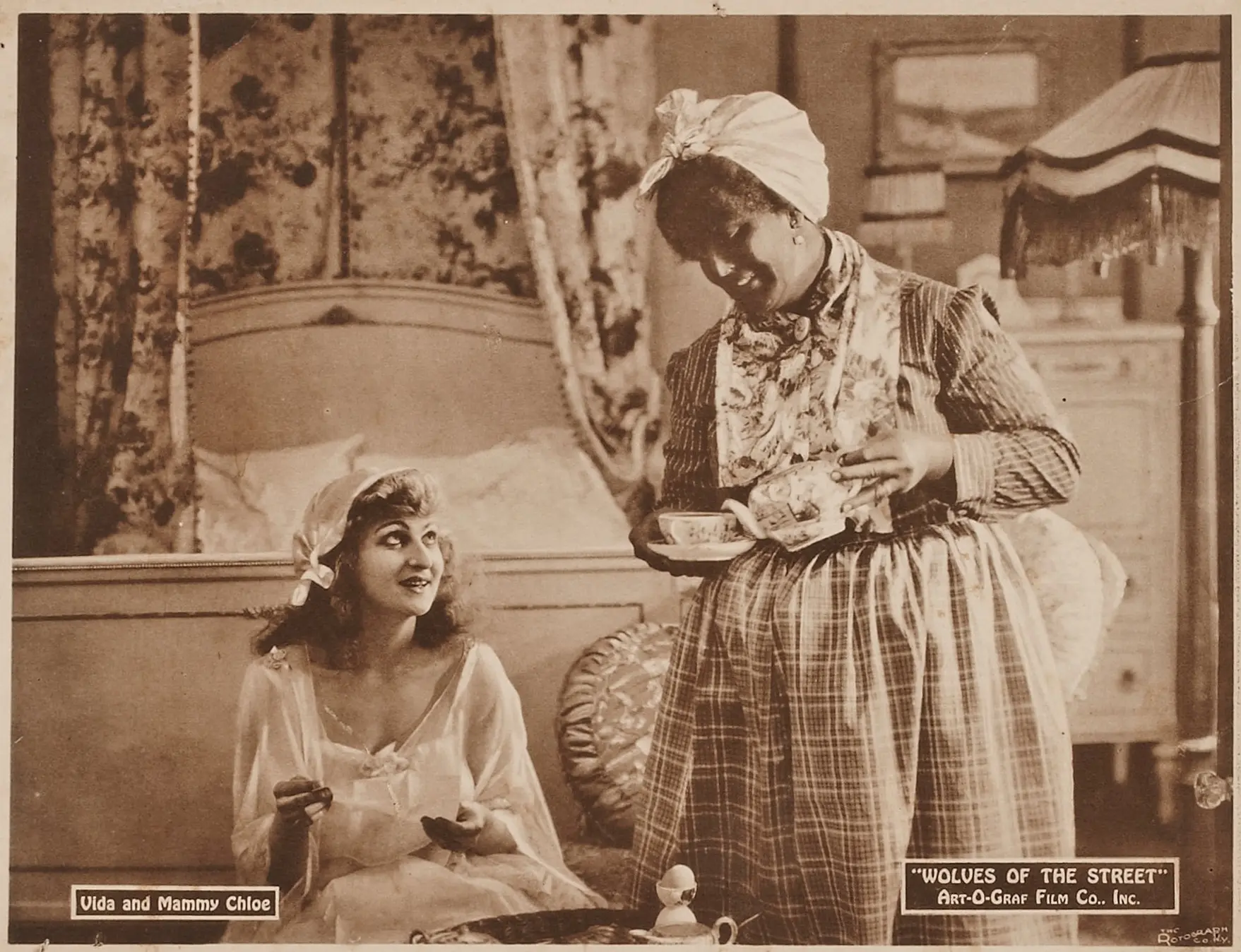
Eleanor’s kiss is filmed in extreme close-up, lips grazing like the gentle brush of banknotes being counted. Later, when she believes the double is her lover, the camera lingers on her hand slipping inside his waistcoat pocket—searching not for a heart but for a retractable pencil that the real James always carried. The intimacy of verification has never been so clinical, so erotic.
The closing shot is a freeze-frame of James atop the Sub-Treasury steps, arms raised like a boxer who has knocked out his own reflection. The intertitle crows: “Eight million richer—yet poorer by one soul.” But the camera undercuts the triumph; behind him a newsboy hawks papers whose headline we cannot read, wind whipping the sheet like a surrender flag. Wealth accrues, but the self has been short-sold.
Decades before Oliver Stone’s Wall Street fetishized greed as testosterone, Wolves of the Street staged it as doppelgänger melodrama. Thematic cousins flicker in Humoresque’s class voyeurism and Bread’s hunger riots, yet none fuse the twin American myths—frontier ore and paper speculation—into such a volatile amalgam.
The lone surviving print, rescued from a collapsed Wyoming theater, was dipped in walnut oil to flatten warpage; the result is an amber tint that makes every frame look like it’s been marinated in whiskey. Watch it today and you’ll see Reddit meme-stock crusaders in those bowler-hatted wolves, hear cryptocurrency pumps in the telegraph’s clatter. The past is not prologue; it’s a pump-and-dump scheme on endless loop.
This is not a curio for antiquarians; it is a scalpel for dissecting the current moment. Identity theft, commodity rigging, algorithmic doubles—Gibson anticipated them all. The film ends with a fortune amassed, a lover embraced, a conscience vaporized. Cut to black. The ticker never stops.
IMDb —
1918
Community
Log in to comment.