DbcultAccessing Vault...
Cult Review
Senior Film Conservator
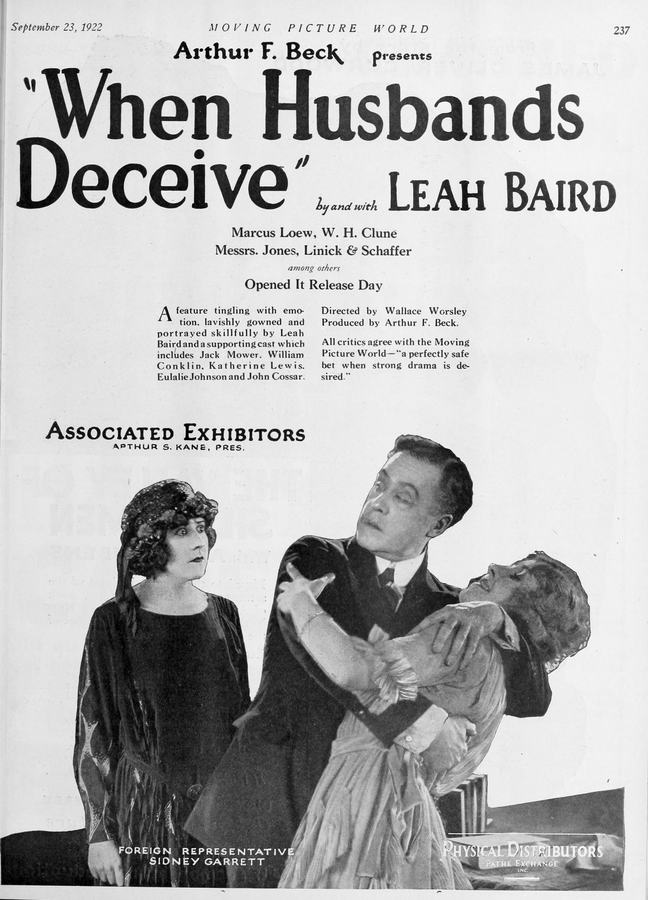
The film When Husbands Deceive is a masterful exploration of the human condition, delving deep into the complexities of deception, loyalty, and the indomitable will to survive. Set against the backdrop of a society governed by strict social norms, the story follows Viola Baxter, a young woman of considerable wealth, who finds herself entangled in a web of deceit crafted by her guardian, Marshall Welch. Welch, driven by an insatiable greed for Viola's inheritance, orchestrates a series of events that lead to the framing of Viola's fiancé, Dick Fletcher, for a crime he did not commit, thereby paving the way for a hasty and coerced marriage to Viola.
The narrative is replete with elements of suspense and drama, as Viola, played by Eulalie Jensen, navigates the treacherous landscape of her newfound marital life, gradually uncovering the deceit that has been perpetrated against her. The character development is profound, with each actor bringing depth and nuance to their role, particularly Jack Mower as Marshall Welch, whose portrayal of a man consumed by his own duplicity is both captivating and chilling.
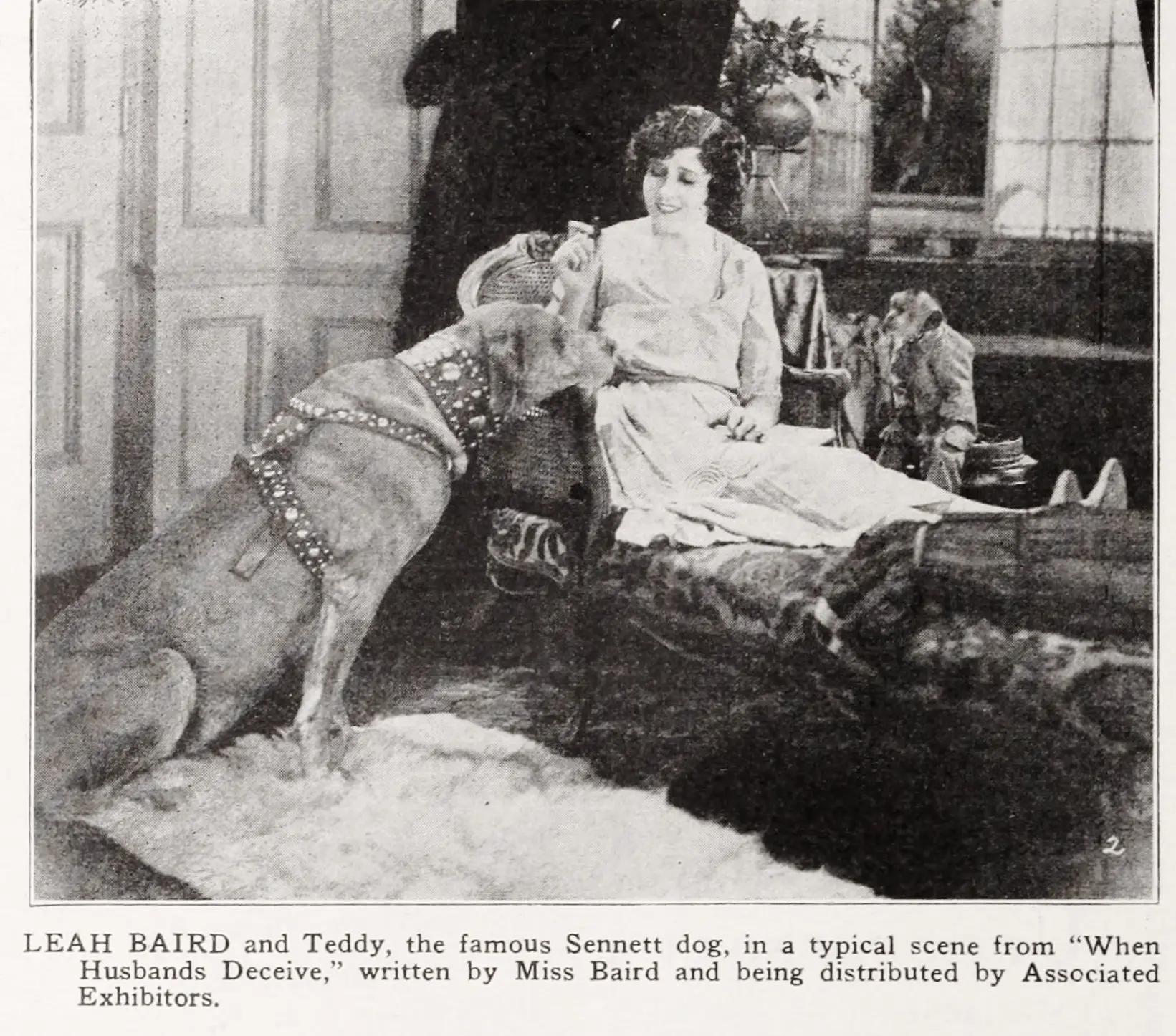
The cinematic elements of the film are noteworthy, with the use of lighting and shadows to convey the mood and tension of each scene. The climax of the film, where Welch's true nature is exposed and he attempts to take a drastic and fatal step, is both heart-stopping and emotionally charged, underscored by the heroic intervention of Viola's Great Dane, a moment that stands as a testament to the unwavering loyalty and protective instincts of animals.
In comparison to other films of the era, such as The Stolen Triumph and The Desperate Hero, When Husbands Deceive stands out for its intricate plot and the exploration of themes that were considered taboo at the time. The film's narrative is akin to The Land of Long Shadows in its use of suspense and the gradual unveiling of truth, but it carves its own unique path in the way it handles the complexities of human relationships and the psychological effects of deception.
The themes of deception, loyalty, and survival are universal and timeless, making When Husbands Deceive a film that transcends its period. In an era where films like Meatless Days and Sleepless Nights and Hearts and Flowers were exploring various aspects of human experience, When Husbands Deceive contributes a unique perspective on the darker aspects of human nature and the resilience of the human spirit.
The influence of Leah Baird's writing is evident in the depth of the characters and the intricate plot twists, showcasing her skill as a storyteller. The film's success can also be attributed to the chemistry between the actors and the director's ability to balance the dramatic and suspenseful elements of the narrative, creating a cinematic experience that is both engaging and thought-provoking.
In conclusion, When Husbands Deceive is a gripping tale of deception, loyalty, and the unbreakable bonds between humans and animals. With its complex characters, suspenseful plot, and exploration of universal themes, it stands as a significant work in the history of cinema, offering viewers a compelling narrative that delves into the depths of human psychology and the indomitable will to survive. For those interested in the silent film era and the evolution of cinematic storytelling, When Husbands Deceive is a must-watch, providing a unique window into the past while remaining remarkably relevant today.
The film's legacy can be seen in later works that explore similar themes of deception and loyalty, such as The Regenerates and Rosemary Climbs the Heights, highlighting the enduring impact of When Husbands Deceive on the cinematic landscape. As with films like Sorvanets and The Thunderbolt, the ability of When Husbands Deceive to captivate audiences with its timeless story is a testament to the power of cinema to transcend time and touch upon fundamental aspects of the human experience.
IMDb —
1928
Community
Log in to comment.