DbcultAccessing Vault...
6.8/10
Senior Film Conservator
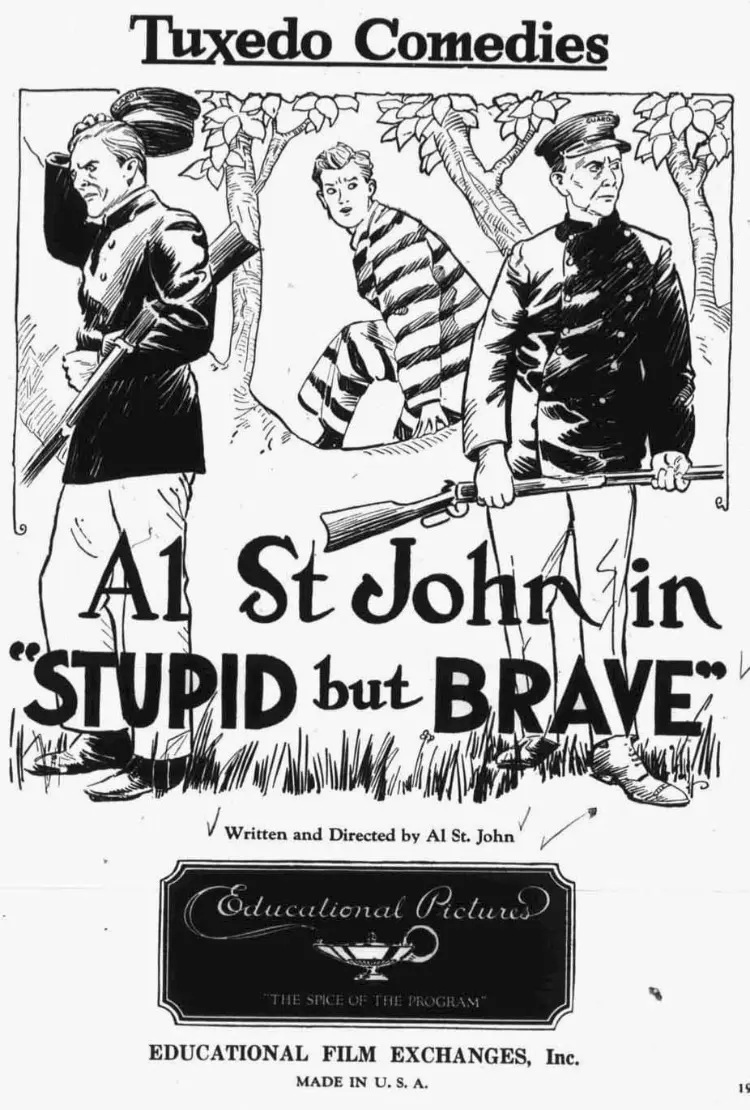
A definitive 6.8/10 rating for a film that redefined the boundaries of cult cinema. Stupid, But Brave remains a cornerstone of transgressive art.
There’s a certain audacious charm to films that throw their protagonists into the deep end without a paddle, then sit back and watch the glorious chaos unfold. Such is the enduring appeal of Stupid, But Brave, a cinematic gem from an era when silent films spoke volumes through physical comedy, expressive acting, and ingenious plotting. Released in 1924, this picture isn't just a relic; it's a vibrant testament to the power of a simple premise executed with remarkable verve and an undercurrent of genuine human struggle. It’s a film that asks us to ponder the very nature of courage – is it a calculated act, or merely the stubborn refusal to give up, even when all logic dictates otherwise?
The narrative, penned by the versatile Al St. John, who also features prominently in the cast, plunges us directly into the plight of a man facing a golden opportunity marred by two formidable obstacles: geographical distance and utter destitution. A dream job awaits him, but it's on the far side of the continent, and he must arrive by an unforgiving deadline. With nary a dime to his name, our hero, portrayed with a compelling blend of wide-eyed earnestness and burgeoning desperation by George Davis, sets out. This isn't a meticulously planned expedition; it's a spontaneous leap of faith, a Hail Mary pass thrown across the vast American landscape. The sheer audacity of his undertaking immediately endears him to the audience, even as we brace ourselves for the inevitable cascade of misfortunes.
What follows is a masterclass in escalating comedic tension. The film expertly juggles the protagonist’s earnest quest with a series of increasingly outlandish encounters. His journey, initially a solitary struggle against the elements and his empty pockets, soon becomes a magnet for the bizarre. The most significant catalysts for chaos arrive in the form of escaped convicts, a dangerous trio whose path tragically – and comically – intersects with our hero’s. These aren't just one-dimensional villains; there's a certain rough-hewn charm to their desperation, amplified by the performances of actors like John Sinclair and Steve Murphy, who bring a palpable sense of menace mixed with a surprising amount of slapstick potential. The juxtaposition of their hardened criminal intent with the protagonist's almost naive determination creates a rich vein of situational comedy.
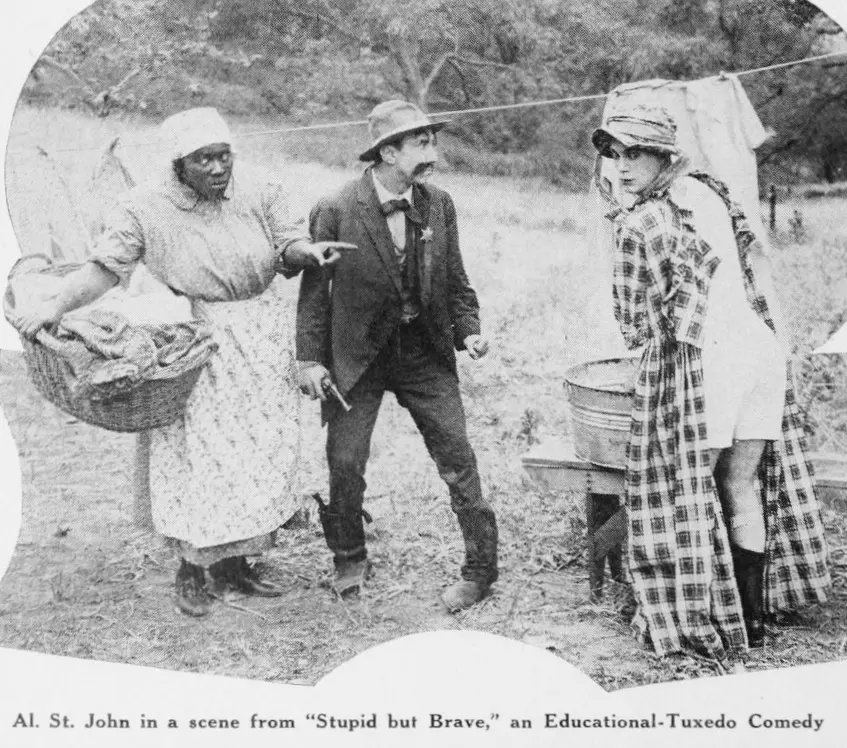
But the narrative doesn't stop there. In a stroke of narrative brilliance, Al St. John introduces another, seemingly unrelated element: a group of long-distance runners. Their disciplined, almost ritualistic pursuit of physical endurance stands in stark contrast to the protagonist’s haphazard, reactive flight. This convergence of disparate elements – the frantic fugitive, the desperate job-seeker, and the focused athletes – creates a comedic symphony of mistaken identities, improbable alliances, and near misses. The film capitalizes on the visual humor inherent in these clashes, from frantic chases across rugged terrain to absurd moments of shared space where no one quite understands the other's motivations. One can almost see the echoes of this multi-threaded comedic approach in later ensemble comedies, a testament to the film's surprisingly sophisticated structure for its time.
The strength of Stupid, But Brave lies not just in its inventive plot, but in the nuanced and often uproarious performances of its cast. George Davis, as the titular 'stupid but brave' man, anchors the film with a performance that balances pathos and physical comedy. He embodies the everyman caught in extraordinary circumstances, his facial expressions conveying a world of anxiety, hope, and sheer bewilderment. His resilience, even in the face of relentless adversity, is genuinely endearing.
Then there's Al St. John himself, a veteran of the screen, whose presence always elevates the proceedings. Whether as a villain, a comedic foil, or a character of ambiguous intent, St. John commands attention. His performance here, often physical and exaggerated, perfectly complements the film's tone, adding layers of mischievous energy. His experience, honed through countless roles alongside figures like Buster Keaton and Roscoe 'Fatty' Arbuckle, is evident in every well-timed gesture and perfectly executed pratfall. He was, in many ways, an architect of silent comedy, and his fingerprints are all over this film, both in front of and behind the camera.
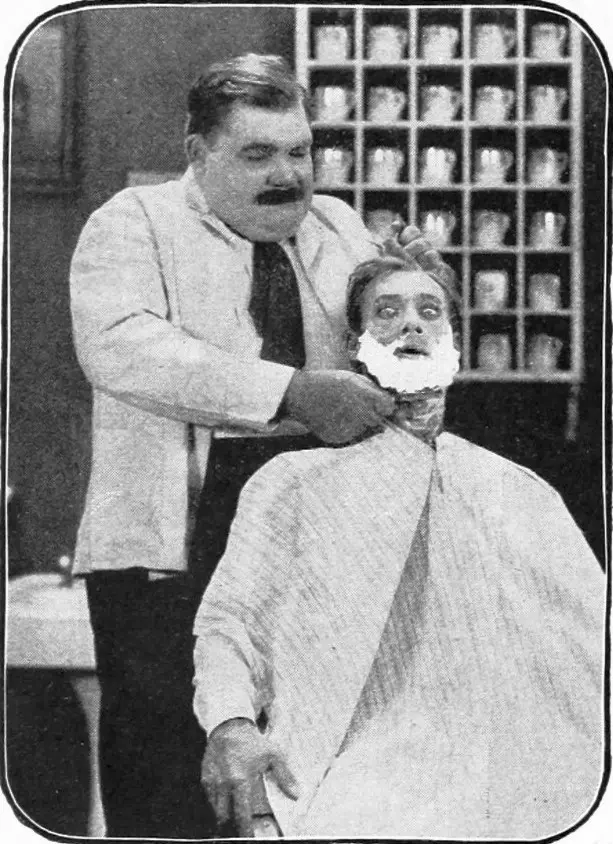
Christine Francis brings a refreshing vitality to her role, often serving as a beacon of sense amidst the escalating madness. Her interactions with Davis’s character provide moments of genuine connection, grounding the more outlandish elements of the plot. Similarly, Doris Deane and Kewpie Morgan contribute significantly to the film’s ensemble dynamic, each carving out memorable presences, whether through understated reactions or boisterous displays. The supporting cast, including stalwarts like Eugene Pallette and Clem Beauchamp, further enriches the tapestry, ensuring that even minor characters leave an impression. Pallette, in particular, with his imposing stature and distinctive voice (even if silent here), often brought a unique gravitas or comic exasperation to his roles, and that energy translates visually.
Stupid, But Brave, despite its lighthearted title, touches upon surprisingly profound themes. At its core, it's a story about human resilience in the face of overwhelming odds. The protagonist's journey is a microcosm of the American dream – the pursuit of opportunity, no matter the personal cost or the seemingly insurmountable barriers. It’s a narrative that resonates with the spirit of the era, a time of significant social and economic flux where individual initiative was often celebrated as the ultimate virtue.
The film also subtly explores the nature of identity and perception. Our hero is repeatedly mistaken for someone else, or his motivations are misinterpreted, leading to further complications. This theme of mistaken identity is a classic comedic trope, but here it's deployed with a certain earnestness, highlighting how quickly circumstances can spiral out of control when communication breaks down or assumptions are made. This plays out with both the convicts, who see him as a potential threat or accomplice, and the runners, who are simply bewildered by his erratic behavior.
Comparing it to other films of the period, one might find a kinship with the whimsical adventures of Maciste turista, where the mighty Maciste finds himself in unfamiliar, often humorous, surroundings. Or perhaps the more direct, earnest comedic endeavors seen in My Boy, which also features a protagonist navigating difficult situations with a blend of innocence and determination. The frantic pacing and the reliance on elaborate set pieces for comedic effect also bring to mind films like The Big Adventure, where the journey itself becomes the main character, fraught with unexpected turns and encounters. However, Stupid, But Brave carves its own niche through its unique blend of a personal quest intertwined with broader, more chaotic external forces.
The film's direction, while uncredited, demonstrates a keen understanding of silent film mechanics. The use of intertitles is sparse but effective, allowing the visual storytelling to take precedence. The editing maintains a brisk pace, crucial for a comedy of this nature, ensuring that gags land with precision and the narrative momentum never falters. The cinematography, though perhaps not groundbreaking, effectively captures the vastness of the American landscape, providing a grand backdrop for the intimate, desperate struggle of its hero. Shots often emphasize the protagonist's isolation against sprawling vistas, or the claustrophobia of being trapped with his unlikely companions.
Does Stupid, But Brave hold up today? Absolutely. While the trappings are distinctly of its time, the core human elements – the desire for a better life, the courage to chase an improbable dream, and the sheer absurdity of life’s unexpected detours – are universal. The physical comedy, a hallmark of the era, remains genuinely funny, a testament to the timeless appeal of well-executed slapstick. There's a purity to its humor that transcends generations, unlike some more culturally specific comedies from the same period, such as perhaps The Prussian Cur, which might require more contextual understanding for a modern audience.
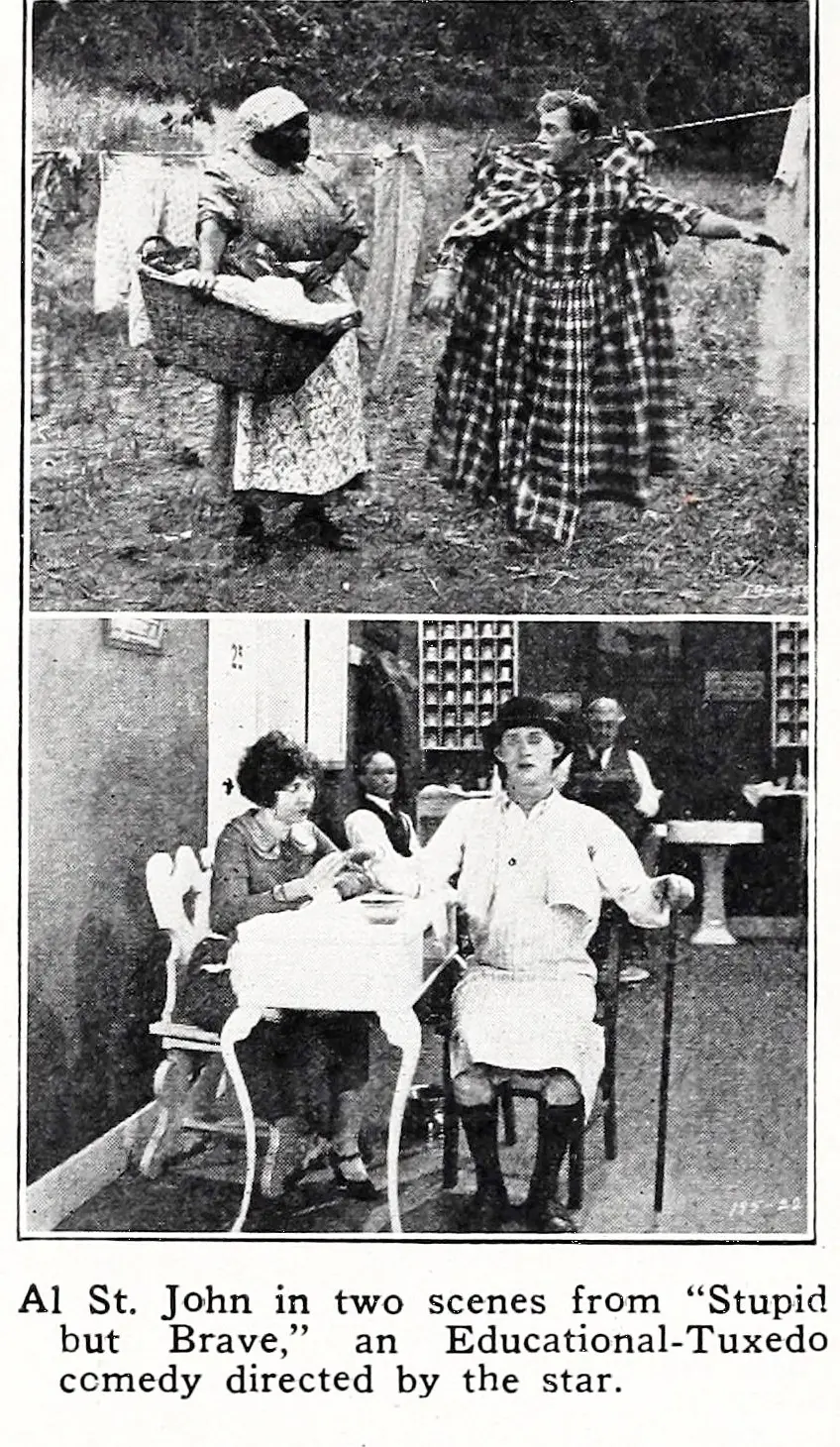
Moreover, the film serves as an important historical document, offering a glimpse into the popular entertainment of the 1920s. It showcases the talents of actors who, while perhaps not household names today, were instrumental in shaping early cinema. The collaborative spirit of the time, where writers often performed and performers contributed to the narrative, is palpable. Al St. John’s dual role as writer and actor is a perfect example of this creative synergy, allowing for a cohesive vision from conception to execution. His particular brand of humor, often involving frantic energy and a touch of the absurd, is a highlight.
The moral ambiguity of some characters, particularly the convicts, also adds a layer of depth. They are not merely cardboard cutouts; their desperation is often as palpable as the protagonist's, creating moments where the audience might almost feel a flicker of sympathy, even amidst their villainy. This nuanced approach, even in a seemingly straightforward comedy, speaks to the sophistication of early screenwriting.
In an age saturated with complex narratives and high-tech special effects, there's something profoundly refreshing about a film like Stupid, But Brave. It reminds us that compelling storytelling doesn't require elaborate budgets or convoluted plots; it requires relatable characters, genuine stakes, and a healthy dose of ingenuity. It’s a film that perfectly encapsulates its title: the protagonist’s decision to embark on his journey is arguably ‘stupid’ in its impracticality, but undeniably ‘brave’ in its audacity and sheer, unyielding hope. It doesn't quite delve into the psychological complexities of a film like The Painted Soul or the social commentary of Neglected Women, but rather offers a pure, unadulterated adventure that is both thrilling and laugh-out-loud funny.
For fans of silent cinema, for those curious about the roots of comedic filmmaking, or simply for anyone seeking a delightful and surprisingly engaging ride, Stupid, But Brave is an absolute must-see. It’s a film that proves that sometimes, the most profound adventures begin with the most impractical decisions. It’s a testament to the enduring power of human spirit, even when fueled by desperation and a healthy dose of foolhardiness. So, grab some popcorn, settle in, and prepare to be charmed by this spirited, chaotic, and ultimately triumphant journey across America.
The legacy of films like Stupid, But Brave continues to influence storytelling, proving that a compelling character, even a flawed one, facing impossible odds, can captivate an audience across generations. It’s a reminder that sometimes, being a little 'stupid' is exactly what it takes to be truly 'brave.' The film's energy and inventiveness are akin to the relentless pursuit of a treasure in Der grüne Skarabäus, or the determined efforts in Once a Plumber, where a simple goal leads to extraordinary circumstances. Its place in film history, while perhaps not as widely celebrated as some of its contemporaries, is certainly deserved for its sheer entertainment value and its robust construction. It's not just a film; it's an experience, a journey into a bygone era of cinematic magic, powered by the simple, yet profound, idea that sometimes, all you need is a little bit of stupidity and a whole lot of bravery to get where you need to be.
IMDb —
1923
Community
Log in to comment.